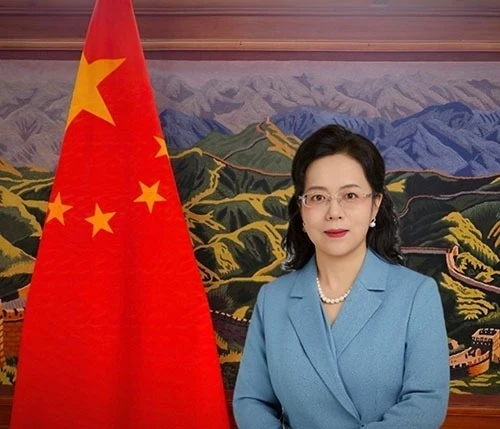
In an interview with "Vecherniy Bishkek", Liu Jiangping, the Extraordinary and Plenipotentiary Ambassador of China to Kyrgyzstan, discussed the "heated" atmosphere in the Taiwan Strait, outlined the red lines in relations with the United States, and noted China's support from many countries, including Kyrgyzstan, on issues of national sovereignty and territorial integrity.
How do you assess the position of the international community regarding the situation in Taiwan, considering that many countries, including Central Asian states, adhere to the "One China" policy?
- Taiwan has been a part of China throughout its history. This is confirmed by both historical and legal facts, as recorded in a number of international documents, including the Cairo and Potsdam Declarations, as well as UN General Assembly Resolution 2758. The "One China" principle, which implies that Taiwan is an inseparable part of China and that the PRC is the only legitimate government representing the entire country, has become widely recognized among the international community and is the foundation of international relations.
The situation in the Taiwan Strait remains stable, as both shores belong to one China. The greatest threat to peace comes from the actions of separatist forces seeking "Taiwan independence," as well as external support for these actions. I emphasize that such attempts mean a division of Chinese territory and interference in internal affairs, which violates both the Constitution of the PRC and international law.
China is determined to defend its sovereignty and territorial integrity. After announcing retaliatory measures and conducting military exercises, many countries, including Kyrgyzstan, Russia, Kazakhstan, Tajikistan, and others, expressed their support for China, reaffirming the "One China" principle and support for efforts to protect national sovereignty.
The recent approval by the U.S. of a major arms sale to Taiwan worth over $11.1 billion has become the largest deal in history. How do you respond to this?
- The Taiwan issue is a key interest of China and represents a red line in relations with the United States. The "One China" principle is the foundation of Sino-American relations, as stated in the three joint communiqués, including the Joint Communiqué of August 17, 1982, which stated that the U.S. would not sell arms to Taiwan on a long-term basis and intended to gradually reduce such sales.
(The official English text states: "the United States Government states that it does not seek to carry out a long-term policy of arms sales to Taiwan, that its arms sales to Taiwan will not exceed, either in qualitative or in quantitative terms, the level of those supplied in recent years since the establishment of diplomatic relations between the United States and China, and that it intends gradually to reduce its sale of arms to Taiwan, leading, over a period of time, to a final resolution," note by the author).
However, in practice, the U.S. has not fulfilled its commitments. Instead of reducing supplies, they have increased them, including modern types of weapons. The current sale of over $11.1 billion is a historic record. These actions violate the "One China" principle and the three joint communiqués, harm China's sovereignty and security, send wrong signals to forces advocating for "Taiwan independence," and undermine stability in the region.
The U.S. strategy of "using Taiwan to contain China" is doomed to fail, and such actions will backfire on the U.S. We call for adherence to the "One China" principle and the cessation of actions that threaten peace in the Taiwan Strait.
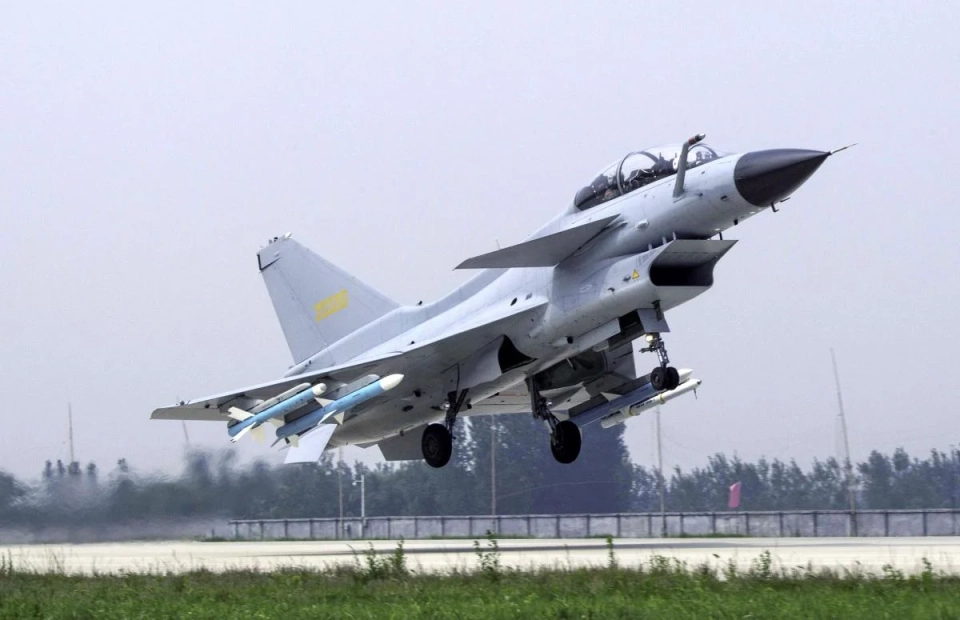
Since the beginning of 2025, the Eastern Theater Command of the PLA has conducted exercises "Fair Mission 2025" around Taiwan, which has attracted the attention of the international community. What is the purpose of these exercises?
- The PLA exercises are a necessary response to the attempts of Taiwanese separatists to achieve independence and serve as a legitimate measure to protect China's sovereignty.
I would like to draw attention to two important aspects.
First, the authorities of the Democratic Progressive Party, seeking "Taiwan independence," relying on support from the U.S., are turning Taiwan into a dangerous zone and arsenal. These actions undermine regional stability and threaten the interests of the Taiwanese people.
Second, external support for "Taiwan independence" only incites separatist ambitions and leads to military confrontation in the region.
China will continue to defend its sovereignty and territorial integrity. Any provocations crossing the red lines will meet with a resolute response from China. No force should underestimate our determination.
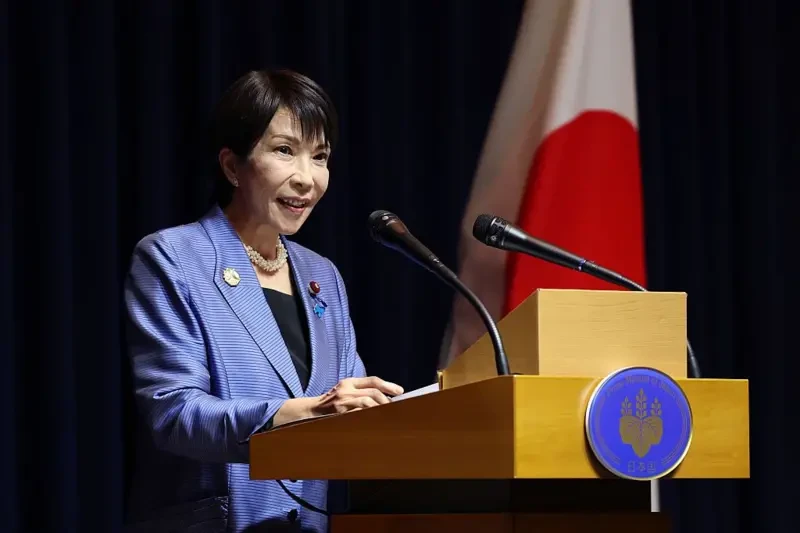
China insists that the Taiwan issue is an internal affair. How did you react to the statements of Japanese Prime Minister Takahichi Sanae regarding Taiwan, which led to a deterioration in Sino-Japanese relations?
- Taiwan is part of China, and issues concerning Taiwan are not subject to external interference.
In 1972, China and Japan signed the Joint China-Japan Statement, in which Japan recognized the government of the PRC as the only legitimate representative of China and also confirmed that Taiwan is part of China. In 1978, the Treaty of Peace and Friendship was signed, which enshrined these principles.
Adherence to the "One China" principle is a political obligation of Japan. However, the recent statements of the Prime Minister raise serious concerns, as they hint at the possibility of military intervention in the Taiwan issue. This is a serious violation of the "One China" principle and interference in China's affairs, which contradicts the post-war order.
The Chinese people have always advocated for peace, but will not compromise on issues of sovereignty.
According to a Chinese proverb: "A country without trust cannot occupy a worthy place in the world." We urge Japan to adhere to the principles of the documents signed with China and to cease actions that threaten peace and stability.
In 2025, we celebrated the 80th anniversary of the victory over fascism in World War II. How should the international community protect this world order?
- China and the Soviet Union were the main theaters of military operations against militaristic Japan and Nazi Germany and made a decisive contribution to the victory. The countries of the Anti-Fascist Coalition, including China and Kyrgyzstan, fought for freedom and achieved victory.
In May 2025, solemn events dedicated to the 80th anniversary of the victory took place in Kyrgyzstan, and in September, China celebrated the 80th anniversary of the Chinese people's struggle against Japanese invaders. These events remind us of the importance of memory and peace.
In the context of global instability, the international community must uphold the true understanding of the history of World War II and resist attempts to distort it. We must support the international order based on law and promote equitable globalization, as well as strengthen cooperation to address common challenges.
China, implementing global development and security initiatives, is ready to cooperate with Kyrgyzstan and other countries to build a community with a shared future for mankind!
I congratulate the readers of "Vecherniy Bishkek" on the upcoming New Year! I wish you health and happiness, and prosperity and flourishing for our countries.