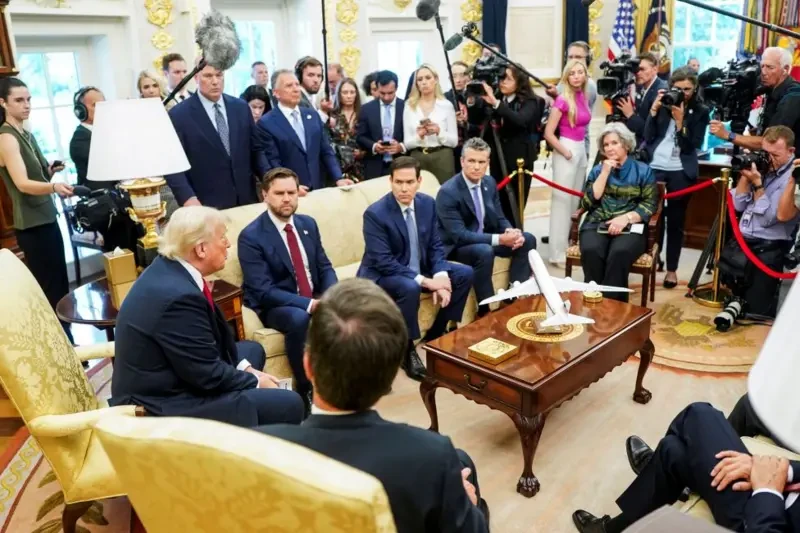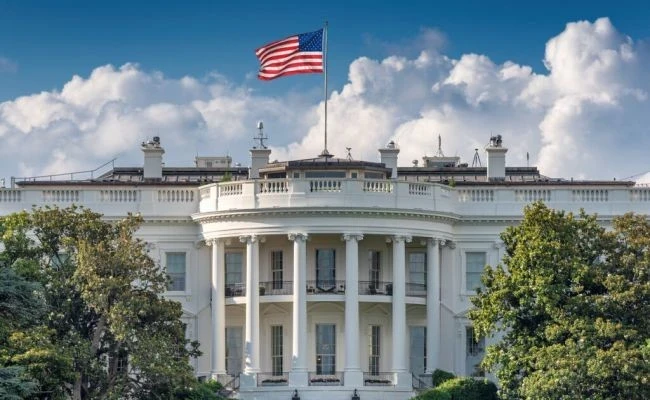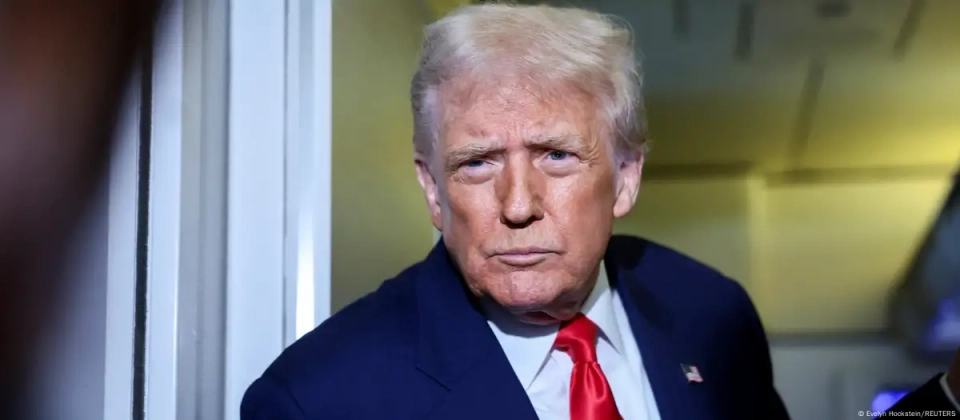
The Trump strategy demonstrates characteristic features of MAGA, including an emphasis on national interests and restraint in international affairs. The document emphasizes that it "is not based on traditional ideology" and "is primarily focused on benefits for America," reflecting the principle of America First.
The new NSS proposes to abandon the ambitious idea of American hegemony and concentrate on national interests, which appears to many world leaders as a long-awaited step. However, for Asia, the strategy carries both positive and concerning aspects.
MAGA Nationalism: A New Foundation for Foreign Policy
Among the reasons why Asia views the new NSS as an opportunity are the following:
1. Asia is a priority for U.S. foreign policy outside the Western Hemisphere
The Indo-Pacific region has become a key focus for the U.S., demonstrating continuity in policy: from Obama's "pivot to Asia" to the concept of a "free and open Indo-Pacific" during Trump's first term and Biden's Indo-Pacific strategy. Given China's rise and the economic dynamics of the region, such a focus is becoming inevitable.
The long-standing principle is also reaffirmed: the U.S. will not allow the dominance of one country in Asia, which is an important signal for those concerned about China's ambitions.
2. Asia is not criticized as harshly as Europe
Unlike Europe, which faces sharp criticism for "decline and dependence," Asia is described with respect. The U.S. promises limited intervention in the affairs of the Indo-Pacific region, distinguishing their approach from a more active policy in Europe.
The reason lies in the fact that the ideological struggle of MAGA is conducted within the West, while Asia is not involved in this debate.
3. Asia does not irritate the U.S. with supranational governance
The strong EU bureaucracy contrasts with the less developed institutions in Asia, making it more compatible with Trump's worldview based on sovereignty and national interests.
Many governments in Asia are skeptical about the emphasis on human rights and social standards, making the America First approach more understandable to them.
4. Trump's call for pragmatism aligns with Asian political culture
Many governments in the region have long been skeptical of the "rules-based international order," which is perceived as hypocritical. A pragmatic approach to diplomacy inspires more trust, and Asian countries are willing to embrace ideas based on economic interests.
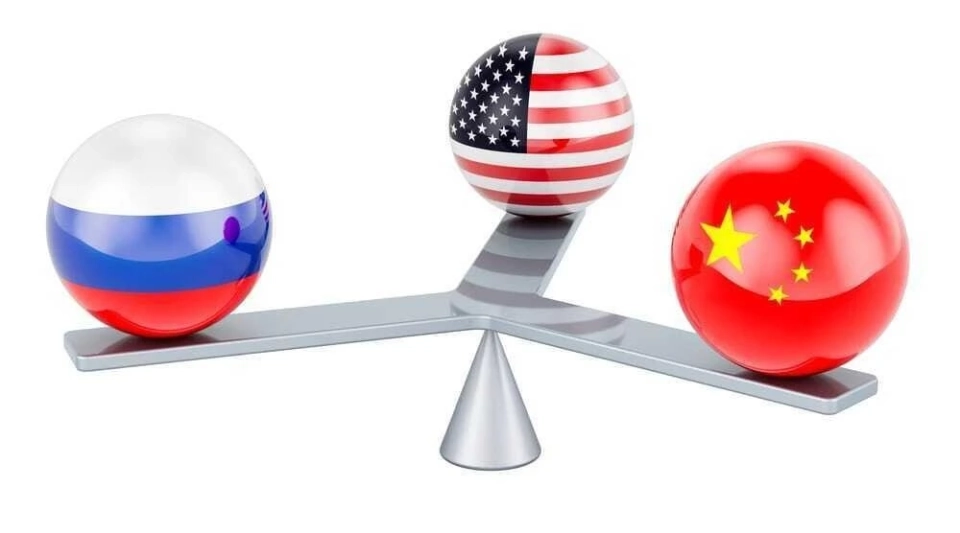
5. Recognizing China as a "near-equal competitor" reassures the regions
Since the 1980s, many Asian countries have benefited from rapprochement with China and fear a new Cold War. The desire to avoid choosing between Washington and Beijing remains relevant, and Trump's willingness to view China as an equal partner opens new opportunities for countries not in formal alliances.
But Asia is also aware of the risks
1. U.S. intervention in state affairs may continue
Despite the positive emphasis on non-intervention, Asia understands that superpowers act based on the situation. Examples of Trump's pressure on other countries show that the desire for punishment remains.
2. Trump's transactional approach may escalate into economic pressure
Demands for Japan and South Korea to increase investments are often accompanied by tough conditions, which exert pressure on weaker countries.
3. Abandoning the "rules-based order" makes small states vulnerable
If the U.S. refuses to protect the territorial integrity of smaller countries, they may find themselves in a difficult situation in the face of Chinese expansion.
4. Economic integration with China may contradict security commitments
As China's power grows, the U.S. may face difficulties in maintaining military superiority, raising concerns among allies.
5. Taiwan is a source of uncertainty
The NSS's formulations regarding Taiwan are contentious, and it is unclear how the U.S. will act in the event of a crisis. This heightens anxiety among allies, as Trump demands more from them while offering fewer guarantees.
Asia needs to adapt to the new strategic reality
Unlike Europe, Asia may have more time to adapt to changes in American policy, but the challenges it faces are more serious. China has the capacity to transform the security of the entire region.
The future of the Indo-Pacific space depends on how the U.S. manages the complex balance between competition and economic interdependence with Beijing. Uncertainty in American policy could trigger a chain reaction in the region.
Asia must develop its own capabilities, expand partnerships beyond the U.S., and form flexible coalitions. In this context, the NSS's proposal for a "burden-sharing network" opens new horizons:
"The United States is prepared to support countries that take on greater responsibility for security in their regions, possibly through more favorable trade terms, technology exchange, and defense procurement."
This is an opportunity that Asia must seize.