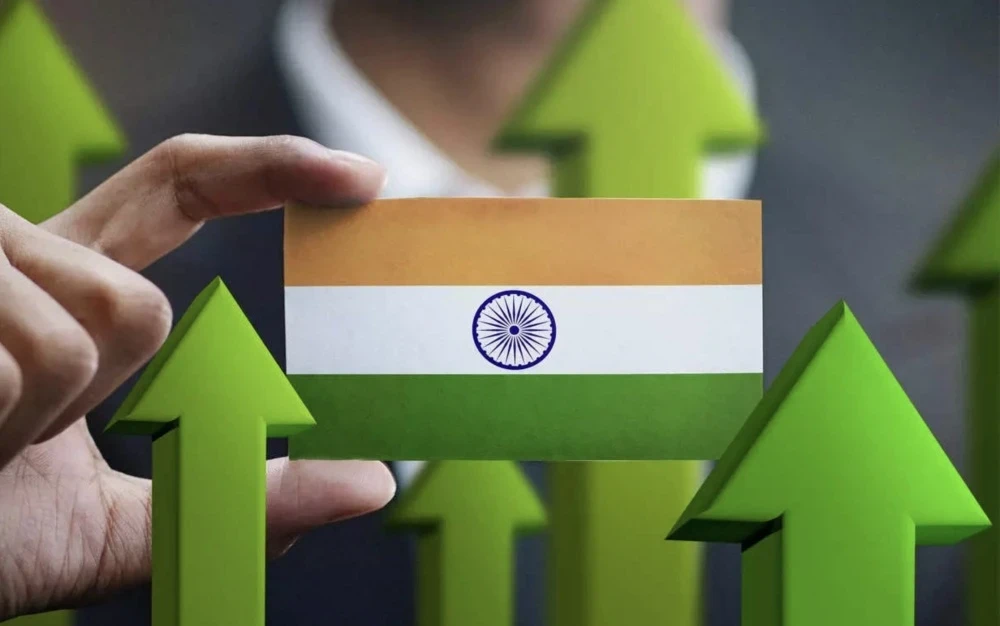
Southeast Asia retains its status as one of the most dynamically developing regions, with a total GDP exceeding $2.5 trillion. In addition to economic strength, this region controls key maritime routes through which a significant portion of international freight transportation occurs. These routes connect the Indian Ocean and the Persian Gulf with the industrial areas of Northeast Asia, making ASEAN an important element in global trade. Thus, India's strategic interests align with the economic opportunities of this region.
ASEAN plays a vital role in the diplomatic relations of Asia, acting as a link between various global power centers. The region actively interacts with Japan, South Korea, China, the USA, Russia, Australia, New Zealand, and India, demonstrating a desire for diversification and strategic independence, which in turn aligns with India's foreign policy principles. The historical cultural ties that arose from the spread of Hinduism and Buddhism are now complemented by economic and strategic interactions.
According to the "Act East" policy, India places special emphasis on transport connectivity, trade, and deepening integration, continuing the ideas of the previous "Look East" initiative. The openness of the countries in the region to expand economic cooperation allows India to strengthen its position and form long-term partnerships.
With changes in global trade, Southeast Asia is becoming a natural direction for expanding India's investment and manufacturing cooperation. The rise of Vietnam's industry, particularly in electronics, household appliances, semiconductors, and premium goods, creates demand for Indian equipment, chemicals, pharmaceutical ingredients, and auto components. Similar opportunities also arise in cooperation with Thailand in the automotive and pharmaceutical sectors, as well as with Indonesia in renewable energy and electric transport.
India is enhancing its role as a supplier of quality intermediate goods, strengthening its position in regional manufacturing chains. This contributes to the diversification of exports and increases the competitiveness of Indian industry. The tariff policies of ASEAN countries open additional opportunities for Indian companies, while domestic production support programs, such as PLI, enable an increase in exports.
For further development of the partnership, it is necessary to modernize existing agreements: simplify rules of origin, expand cooperation in services (digital trade, fintech, logistics, healthcare, and e-commerce), as well as harmonize technical standards and certification procedures. Investments in ports, logistics centers, and maritime freight can significantly accelerate trade flows between the eastern coast of India and key ASEAN ports.
The prospects for cooperation encompass supply chain integration, digital innovations, sustainable production, green technologies, and knowledge exchange. Given the alignment of interests, strategic flexibility, and the complementarity of economies, India and Southeast Asia can create a more resilient trade architecture based on common welfare and sustainable growth.