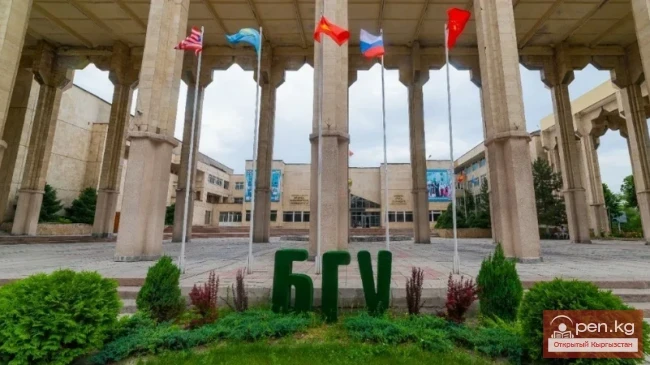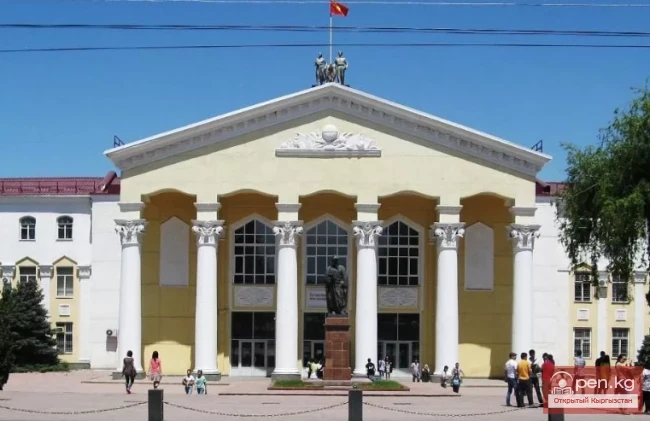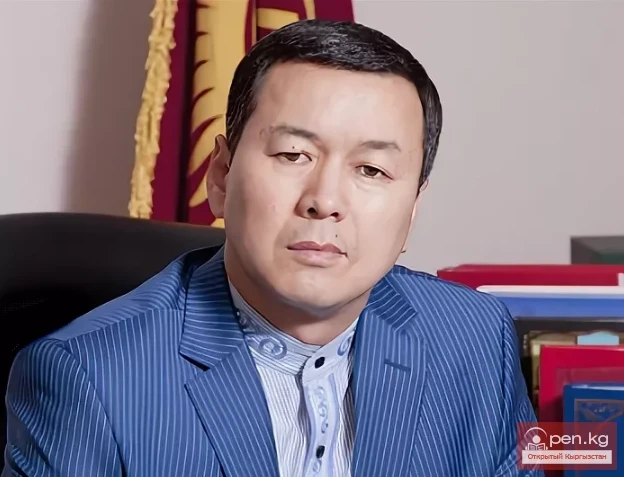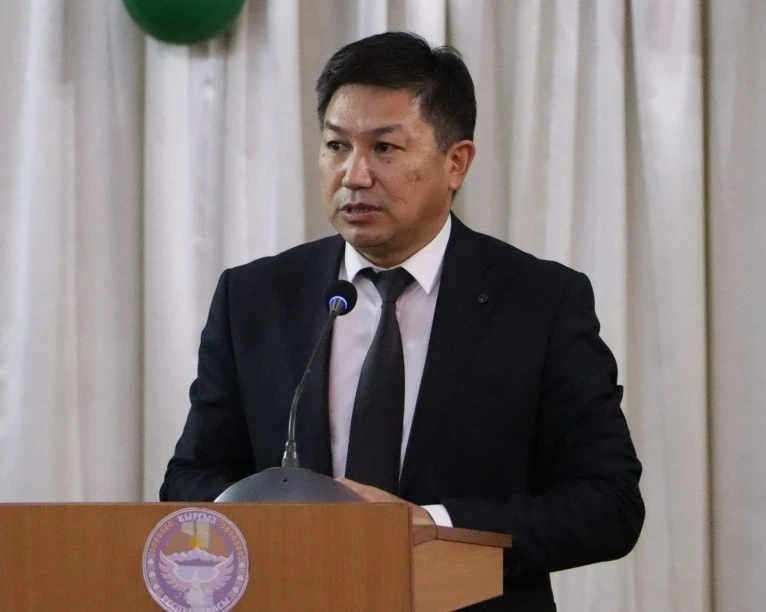
Bishkek State University named after K. Karasaev actively prepares specialists in areas such as Eastern and Western languages, international relations, ecology, information technology, and artificial intelligence. In an interview with VB.KG, the rector, Doctor of Geographical Sciences and Professor Myrlan Mukhtarovich Dyldaev, spoke about the need for simultaneous interpreters, changes in the higher education system, and the future of the youth of Kyrgyzstan.
- What are the current features of Bishkek State University?
- Previously, the university was called Bishkek Humanities University. Our uniqueness lies in the emphasis on Oriental studies and international relations. We develop Eastern languages such as Japanese, Korean, Chinese, Arabic, and Persian. We also have specialized programs in sociology, political science, social work, and psychology, offering education at all levels — bachelor's, master's, and PhD.
Today we offer more than 60 educational programs.
Main areas of training:
Faculty of Philology: (Kyrgyz and Russian philology, linguistics, philological education - bachelor's and master's)
Faculty of Pedagogy: (primary and preschool education, pedagogy, speech therapy, social pedagogy - bachelor's and master's)
Faculty of Oriental Studies and International Relations: (Oriental studies, international relations, linguistics; languages of Asia and Africa, diplomatic and consular service - bachelor's and master's)
Faculty of European Languages: (English and German languages, translation and translation studies, linguistics, philology - bachelor's and master's)
Kyrgyz-Chinese Faculty: (Sinology, linguistics, Oriental studies, international relations, economics, management, translation - bachelor's; Oriental studies - master's)
Faculty of Journalism and Information Technology: (journalism, PR, information systems and technologies, directions in AI - bachelor's and master's)
Social-Psychological Faculty: (psychology, sociology, political science, social work - bachelor's, master's, PhD)
Faculty of Economics: (economics, finance, management, business informatics - bachelor's, master's, PhD)
Faculty of Ecology and Management: (ecology, geography, tourism, GMU, management - bachelor's and master's)
Institute of Continuous and Distance Education: (pedagogy, philology, tourism, journalism, GMU, and other areas)
In the context of global competition, we are developing new formats of education. For example, the IT direction now includes artificial intelligence, and we plan to launch interdisciplinary programs such as "Artificial Intelligence in Linguistics" and "Artificial Intelligence in Psychology."
Kyrgyzstan needs to create a university that can compete with MGIMO. We have the potential to train specialists in international law and international relations. We also aim to prepare simultaneous interpreters to meet the needs of the state and international activities.
The goal is to enter the global QS rankings in both the Asian and Central Asian segments. To achieve this, it is necessary to improve the quality of education, raise the level of student training, and ensure academic integrity. Higher education should be a model of corruption-free practices based solely on knowledge.
- How is support for teachers provided?
- Unfortunately, teachers' salaries remain low, especially for those without academic degrees, although there are many talented and ambitious individuals among them. We are looking for opportunities to support them, as it is impossible to create a strong university without a strong teaching staff.
The main focus is on language programs, but we are also developing ecology, geography, and IT. Eastern and Western languages remain strategically important for our university.
We are actively working to improve our international image and increase publication activity. Participation in rankings helps us objectively assess our achievements.
- Which training areas are the most successful?
- Economics: we have a strong team consisting of doctors and candidates of sciences.
Journalism: our graduates successfully work in various media.
Oriental studies and international relations: many of our graduates work in diplomatic services.
We are proud that among our graduates are state and public figures working in the embassies of Japan and Korea.
- How is international cooperation developing?
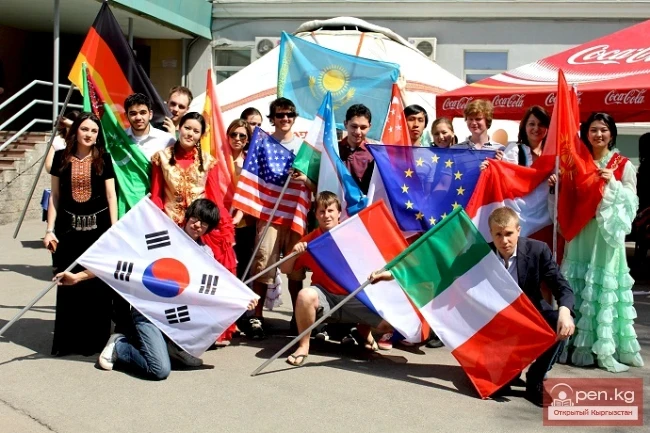
- We have established partnerships with universities in East Asia, such as China, Korea, and Japan. Students have the opportunity to participate in academic mobility and exchanges with foreign educational institutions.
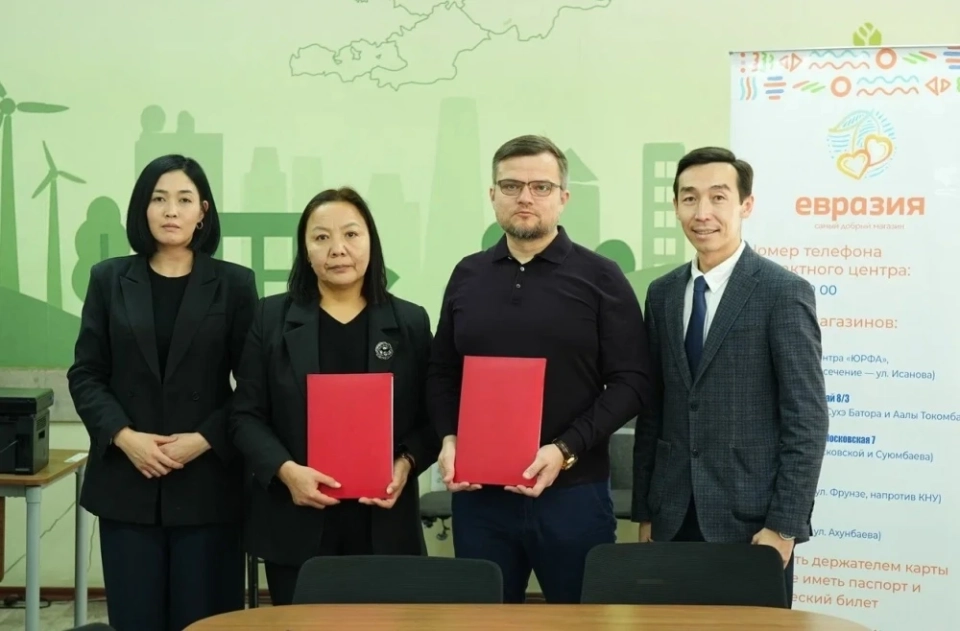
Recently, we signed an agreement with Ankara University to open a Turkish Language and Testing Center. We also work with the embassies of India, Iran, Hungary, Germany, and Azerbaijan, inviting ambassadors to give guest lectures. Understanding the financial difficulties of students, we are looking for programs that can cover at least living expenses.
Education knows no borders, and we must raise patriotic yet open-minded young people. Every graduate should proudly represent Kyrgyzstan and our university.
- What cultural and scientific events are held at the university?
- We organize joint projects with embassies, such as competitions in the Chinese language and events dedicated to the Arabic language, as well as holidays according to the national calendars of our partners. This promotes intercultural understanding.
The university exists for students striving for knowledge. Our main task is to prepare specialists for the country.
We train personnel for public administration, the banking sector, and finance. We have a unique program in higher library science and bibliography, as there is a need for this in the country.
Among the strong areas are psychology, social work, and Russian and Kyrgyz philology. We are proud of our experienced professors who are significant figures in science, journalism, and diplomacy.
- What are the current projects in the field of ecology?
- We participate in Erasmus+ projects on ecology and "green" agreements, as well as in a project to create "green" and digital universities with ten higher education institutions. The Faculty of Ecology and Management is actively engaged in these issues.
Preserving mountain ecosystems is a key topic. We must understand how to adapt and mitigate the effects of climate change. The country's president actively promotes the ecological agenda on international platforms, which is a great incentive for us.
We are obliged to preserve the nature of Kyrgyzstan. Greening, slope preservation, and tree planting are real contributions we can make right now.