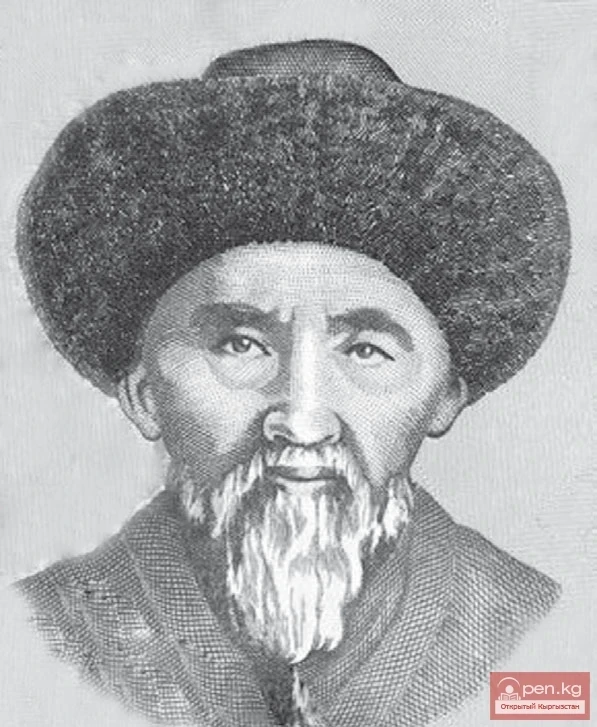
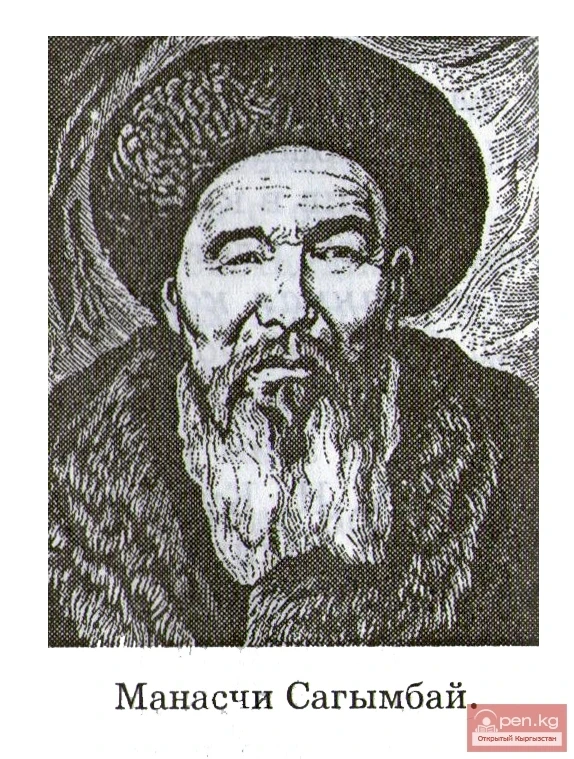
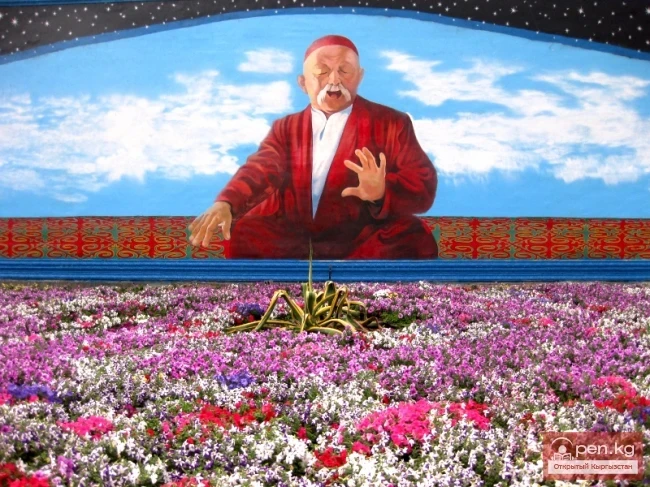
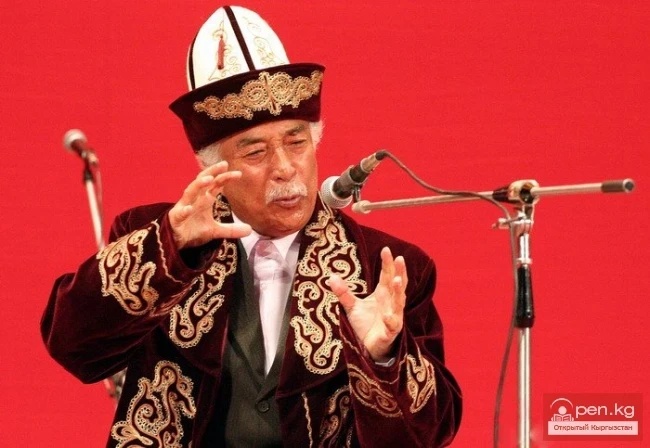
The biographies of the manaschy in the book are arranged chronologically and are supplemented with verses from manaschy Rysbai Isakov. Nurbek Talantbekov emphasized that manaschy is not just entertainment, but an important cultural tradition performed with music.
The question of how many manaschy have survived to this day remains open. Even in modern times, it is difficult to determine exactly how many such performers exist.
As the author noted, their task is to immortalize the names of all manaschy and present them to the wider public. In the future, the list will be updated in new editions.
As part of the AKIpress column "History of Manaschy," we will introduce readers to the life and art of each of the 150 manaschy.
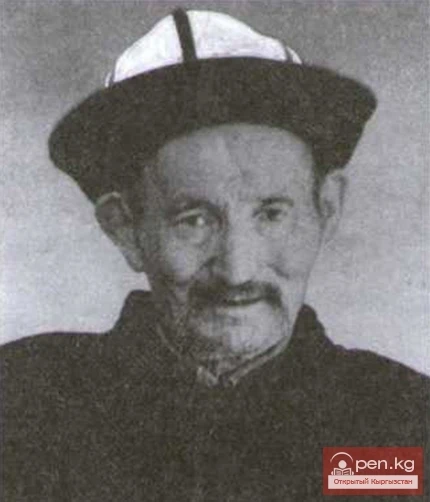
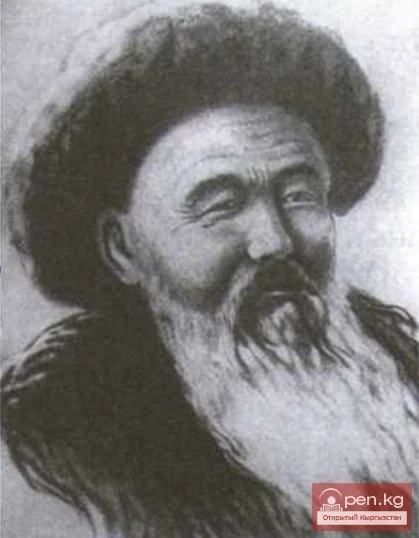
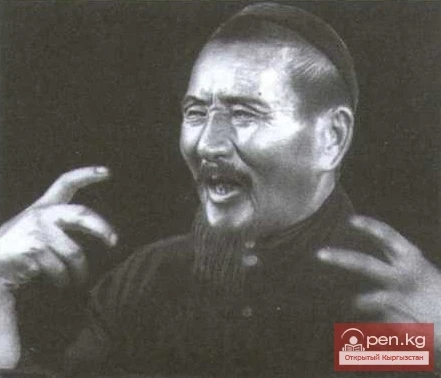
Chokmor uulu Mambet (1896–1973)
Mambet Chokmor uulu was born in the high mountain pasture of Archaluu in the Ton district and belongs to the Kydyk clan of the Bughu tribe. His connection to the epic "Manas" is filled with extraordinary events and legends that are passed down from generation to generation.
One of these legendary moments was the disappearance of four-year-old Mambet, who got up and left completely naked, missing for a whole four days. Local residents found him only in the vicinity of the mazar Tastar-Ata. When asked what had happened to him, he could not provide a clear answer.
When Mambet reached the age of fifteen, he found himself again in the Tastar-Ata area, which became a turning point in his life. He was riding a cow when a large detachment with fluttering banners appeared before him. One of the warriors approached him and asked if he recognized them. Upon his reply that he did not know them, another warrior said, "Pierce him with a spear." But then the first warrior, introducing himself as part of Manas's detachment, explained that when Mambet reached twenty years of age, he would tell about Manas, and handed him his seal.
Upon reaching twenty years, Mambet began to travel across the vast expanses, performing the epic "Manas." Upon seeing him, audiences often fainted from excitement and admiration. However, due to the emotional strain, his health deteriorated, and he became partially paralyzed. Upon learning of his condition, the uncle of the manaschy, Eshimbek uulu Denizbay, brought him to the people, where Mambet was able to start performing "Manas" and regain his strength.
From 1963 to 1971, employees of the "Manas" sector of the Kyrgyz Academy of Sciences, including E. Abdildaev, S. Begaliev, K. Kyrbashiev, S. Aliev, and R. Sarybekov, recorded fragments of three parts of the epic "Manas" from Mambet Chokmor uulu. Currently, the manuscript archive holds 397,557 lines of various versions of his epic, including 302,608 lines of "Manas," 71,609 lines of "Semetey," and 23,340 lines of "Seitek."
Mambet himself claimed that he never learned from other manaschy and did not adopt their style, but performed everything out of inspiration. The local residents of Ton remember how Sayakbay Karala uulu said: "I will not perform 'Manas' in the presence of Mambet."
The version of "Manas" by Mambet Chokmor uulu, while containing common elements with other interpretations, possesses unique features. For example, in his version, Manas is not born in Altai, but in Arslanbob; Manas's ancestors are two khan brothers, Sary Nükür and Kara Nükür; Nogoy, the son of Asan Kaygy, is considered a great oluy and the true great-grandfather of Manas; it is also mentioned that Atalyk uulu Közkaman was the reason for the exile of Jakyp.
Rysbai Isakov dedicated the following lines to Mambet Chokmor uulu in his work "Manaschylar":
Chygarbaim jomok oydon kep,
Chyndygy ushul bolgon kep.
Köpchülük ańyz kylgandy,
Köngülgö tüyüp koygon kep.
“Kök jaldar mörün Mambettin,
Köönüne basıp koygon,” – dep.
Körgöndör aitkan: “Andyktan
Köödönü yrğa tolgon,” – dep.
Manzhyly barsań aityshat,
“Mazarnyn eesi bolgon,” – dep.
Arstanbapty köp aitkan:
“Abaltan bizge korgon,” – dep.
Sayakbay özü baalagan:
“Saparlaş jürgön jorgom,” – dep.
Ötölü aityp ysymin,
Ömürü örnök boydon dep.