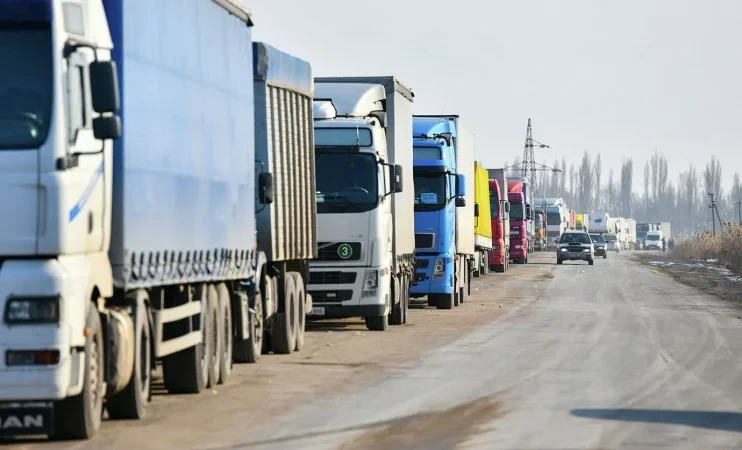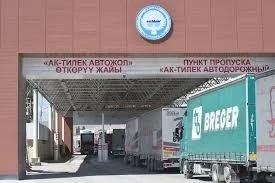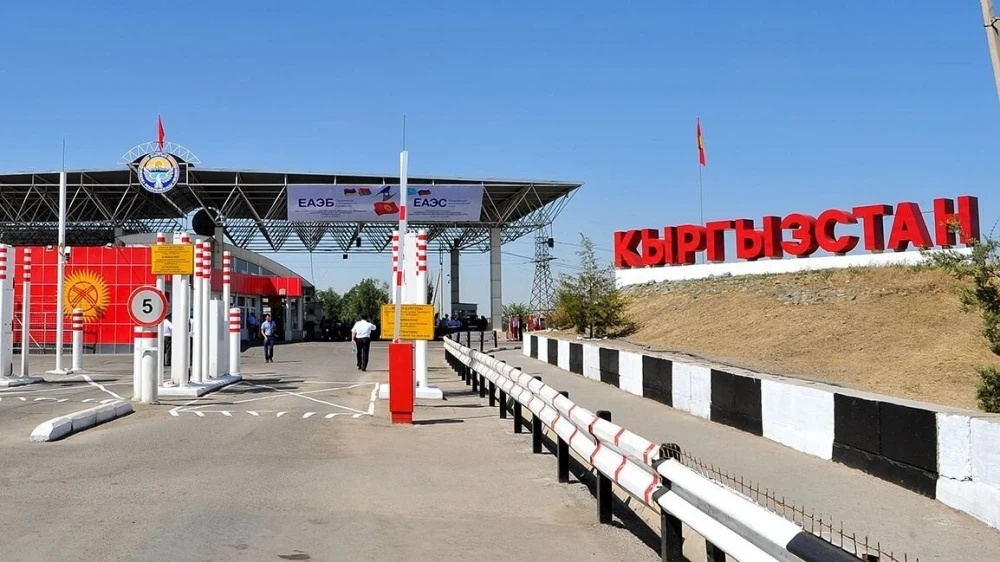
While tax reforms continue within the country, a paradoxical calm is observed at the external borders of Kyrgyzstan. According to an official report from the Ministry of Agriculture of the Kyrgyz Republic, only 112 violations were recorded at veterinary control points throughout 2025.
All these cases concerned cargo that was deemed potentially dangerous or improperly documented, leading to their return. The leading countries among the violators were Kyrgyzstan's neighbors:
Uzbekistan — 51 returns; Kazakhstan — 48 returns; Russia — 8 returns; China — 3 returns; Turkey and Pakistan — 1 case each.
Inspectors mainly pointed to "document discrepancies" and "insufficient compliance with safety requirements." Nevertheless, such a low number of violations over the year raises questions among specialists: does this indicate high quality of imported products or insufficient strictness of border control? Global practice shows that increased oversight often leads to a rise in detected violations.
Global Examples of Successful Control
In international practice, the effectiveness of control services is assessed not by the number of incidents, but by their ability to identify and prevent hidden threats.
As reported by The New York Times, thousands of violations are recorded annually in the U.S. regarding food imports. Strict control is considered the foundation of public health: the more batches of questionable products are blocked at the inspection stage, the lower the chances of disease outbreaks within the country. High rates of detected violations are viewed as a success of the security system.
The General Administration of Customs of China regularly publishes lists of companies whose products are banned from import due to the slightest discrepancies with standards. Mass detection of violations, such as the presence of heavy metals in fish or bacteria in milk, is a sign of the strength of the national "veterinary shield."
Against this backdrop, 112 returns in Kyrgyzstan over the year appear more like a "trial balloon" than a serious cleansing of the market from low-quality imports. In neighboring countries, for example, thousands of blocked batches are recorded annually. It seems that Kyrgyzstan's veterinary control has room for improvement in terms of vigilance, so that the figures in reports reflect the actual state of safety of imported products.