A group of scientists from the National University of Singapore (NUS Medicine), led by Professor Brian Kennedy, has made an important discovery: a natural compound that promotes the regulation of lifespan may become an effective remedy against dementia. Instead of focusing on the symptoms of Alzheimer's disease, the researchers proposed a new approach aimed at combating the underlying mechanisms of aging.
The focus of their attention was calcium alpha-ketoglutarate (CaAKG). This substance is produced naturally by the body, but its levels significantly decrease with age. Experiments demonstrated that restoring this compound can substantially improve cognitive abilities.
During the study, three main mechanisms of action of CaAKG were identified:
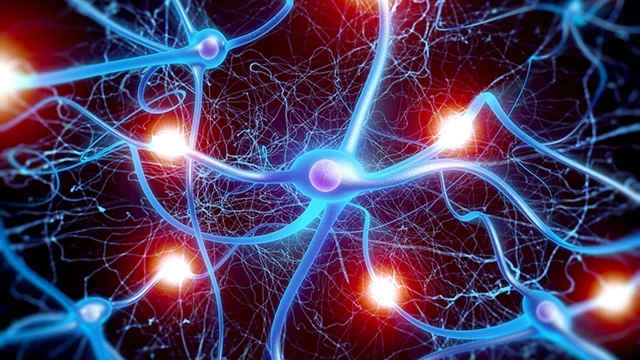
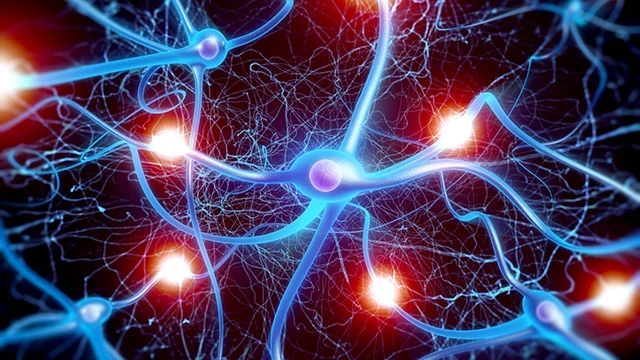
1. Restoration of neural networks. This compound is capable of restoring synapses — important connections between neurons through which information is transmitted. Their destruction is considered one of the main causes of memory deterioration.
2. Removal of cellular "garbage." With age, neurons accumulate protein deposits that interfere with their normal functioning. CaAKG activates autophagy — a process that allows cells to cleanse themselves of damaged structures.
3. Restoration of associative connections. CaAKG helps the brain to combine different pieces of information into a coherent perception, which is extremely important for daily life, including the ability to remember details of conversations and navigate space.
Unlike many existing medications that only mask symptoms, the new method aims to improve the overall resilience of the brain. The results of the study were published in the prestigious journal Aging Cell and open new horizons for the development of therapies that will help the nervous system become less vulnerable to age-related changes.