The study involved 27,670 adults with an average age of 58 years at the start, and they were observed for about 25 years. During this period, 3,208 participants were diagnosed with dementia.
At the beginning of the study, participants provided information about their diet, noting what they ate over the course of a week, and also answered questionnaires about their eating habits over the previous years.
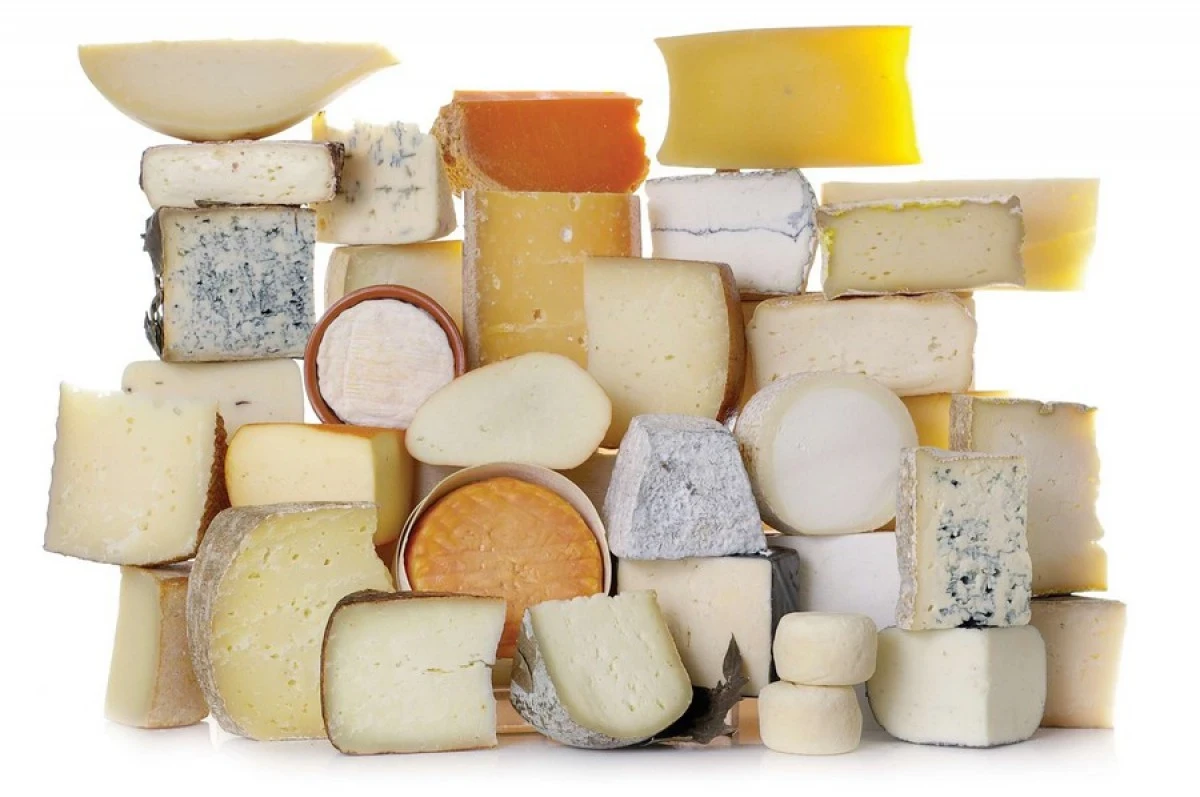
The study found that those who consumed at least 50 grams of high-fat cheese per day (about two slices of cheddar) were less likely to develop dementia compared to those who ate less than 15 grams. Fatty cheeses were defined as containing more than 20% fat, while fatty creams contained between 30% and 40% fat.
After accounting for factors such as gender, age, education level, and diet quality, it was established that higher cheese consumption reduces the risk of dementia by 13%. Emily Sonestedt, an epidemiologist from Lund University and the lead author of the study, noted: “We found that people who consumed more fatty cheese had a 29% lower risk of vascular dementia.” Additionally, a lower risk of Alzheimer’s disease was noted, but only among those who did not carry the APOE e4 gene associated with an increased risk of the disease.
It was also found that regular consumption of fatty cream is associated with a lower risk of dementia: those who consumed at least 20 grams per day (about one to two tablespoons) had a 16% lower risk compared to those who did not consume cream at all.
Not all dairy products are equally beneficial
However, not all dairy products showed similar benefits. Emily Sonestedt pointed out that while fatty cheeses and creams are linked to a reduced risk of dementia, other dairy products and low-fat alternatives did not show such an effect. “Not all dairy products are the same when it comes to brain health,” she added.
Study limitations
Despite the encouraging results, experts emphasize that this study does not prove a direct causal relationship between the consumption of fatty dairy products and a reduced risk of dementia. Dr. Richard Oakley from Alzheimer’s Society stated that other lifestyle factors, such as physical activity, balanced nutrition, quitting smoking, and moderate alcohol consumption, also play an important role. “This study does not suggest that increasing the intake of fatty dairy products, such as cheese and cream, can reduce the risk of dementia,” he noted.
Professor Tara Spires-Jones from the Edinburgh Centre for Brain Research added that the participants' diets were assessed only once, and changes could have occurred over the 25 years of observation. “Overall lifestyle remains a key factor for brain health,” she concluded, emphasizing that regular physical activity and cognitively stimulating activities help enhance brain resilience.
“There is no convincing evidence that any single product can protect people from dementia.”