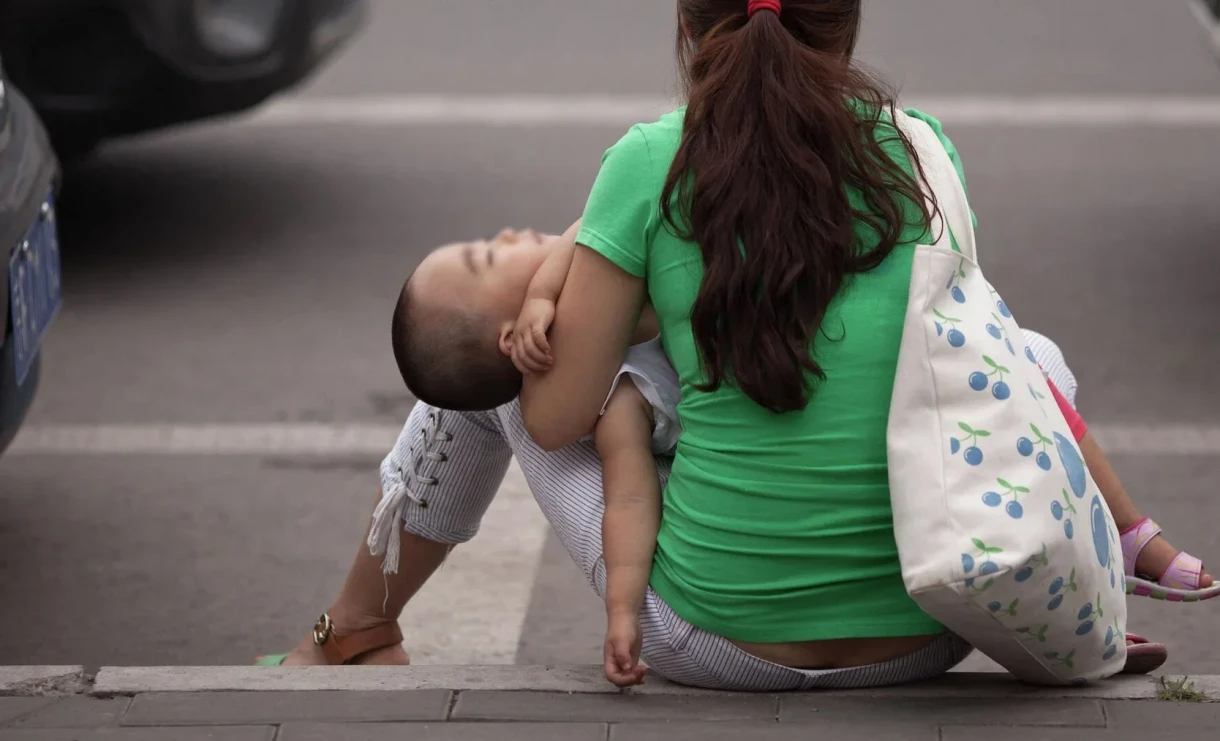
Most often, women in difficult life situations, including those with children with disabilities, resort to alimony. At the same time, women with stable incomes are less likely to seek such assistance.
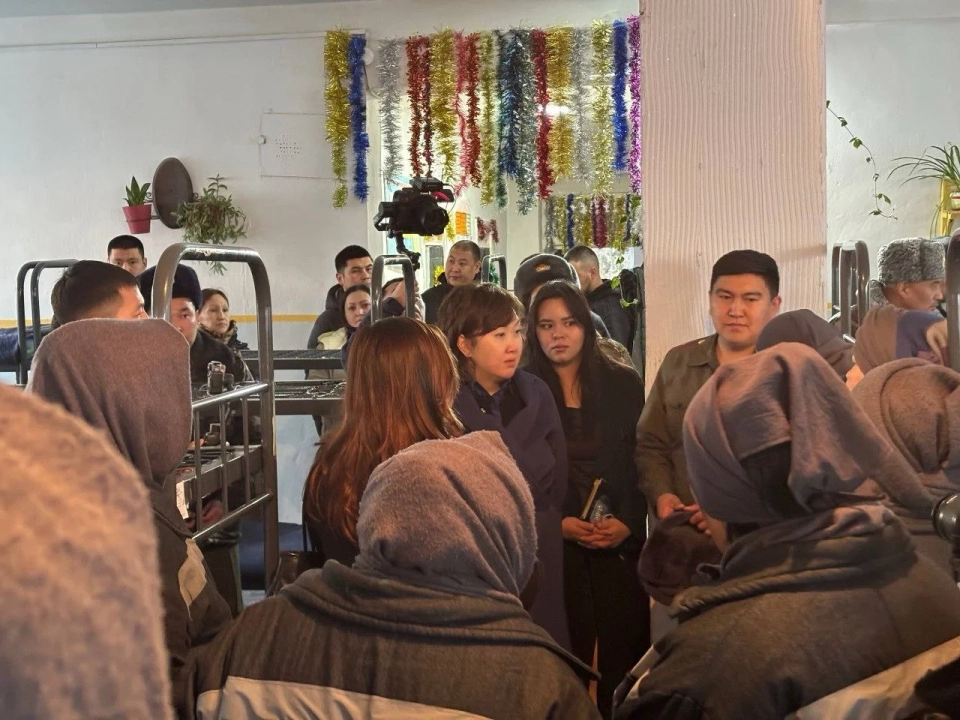
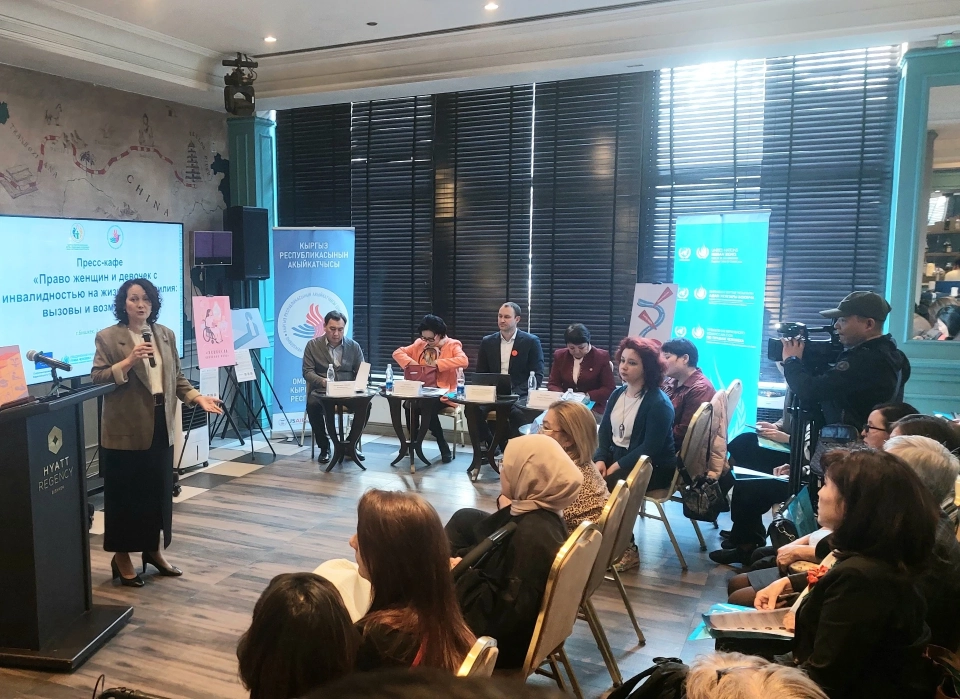
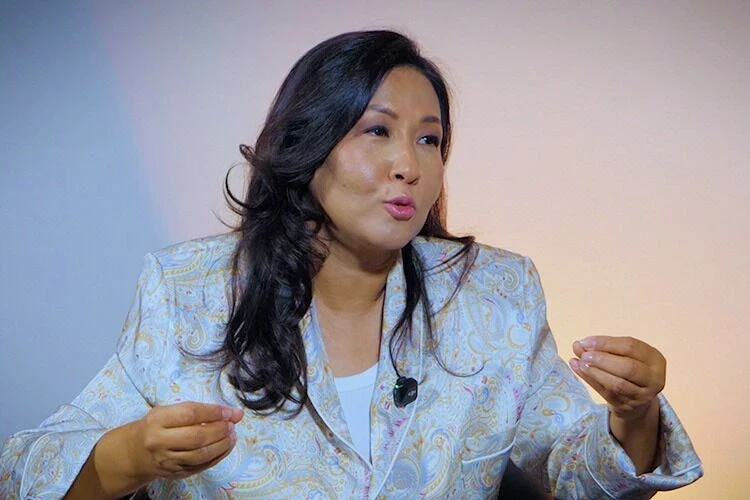
“During this process, violence takes on new forms—psychological, economic, and bureaucratic. Aggressors often use children and the legal system as tools for control and revenge. Women find themselves in a state of constant stress, fear, and depression, trying to achieve justice for every penny and every document,” Dzhumanalieva noted in her presentation.
She emphasized that the process of collecting alimony is complicated, and even obtaining the necessary funds for children's treatment can be difficult. Women often face high expenses for lawyers and court proceedings, and access to free legal assistance is not always possible.
Among the bureaucratic barriers mentioned by the lawyer, the following can be highlighted:
- inadequate amounts of alimony;
- slowness and untimeliness of the work of bailiffs;
- concealment of debtors' income.
“Sometimes parents who did not care for their children in childhood turn to them for support in old age,” Aizhan Dzhumanalieva added.