The creators of the film are journalists from Kyrgyzstan and Kazakhstan, with the project initiative put forward by Munara Borombaeva (Bishkek) and Madina Ashilova (Almaty), who also served as directors. The editors were Anarkhan Altymyshova (Kyrgyzstan) and Kalimash Begalieva (Kazakhstan).
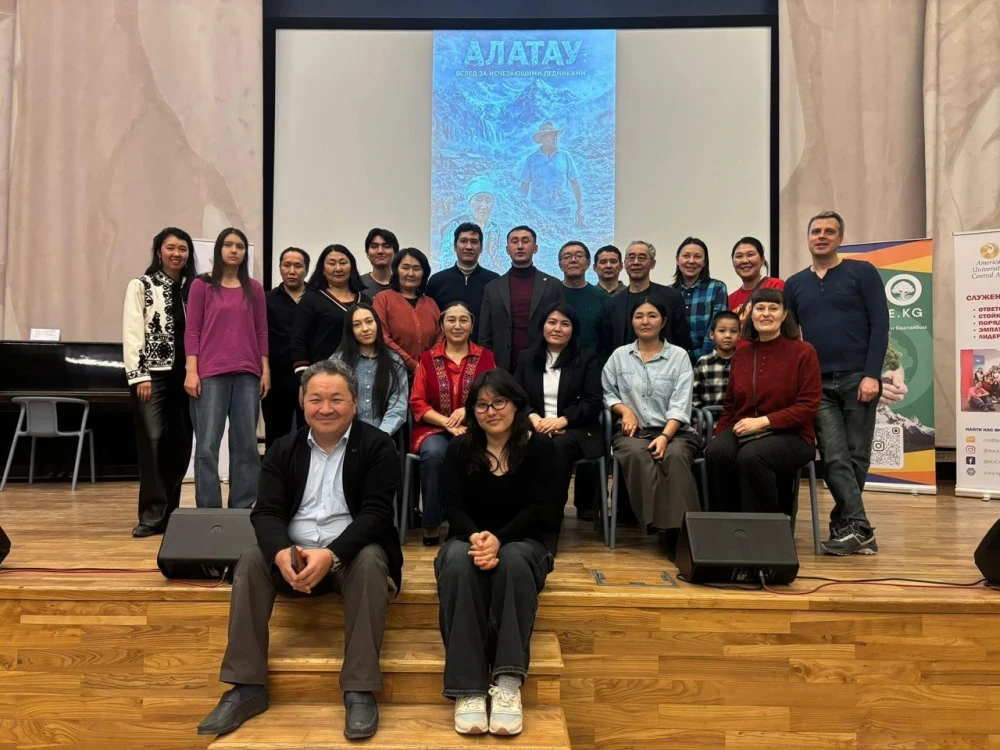
The film addresses pressing environmental issues relevant to both countries and represents a deep journalistic investigation into one of the most urgent problems in Central Asia — the rapid melting of glaciers and its impact on millions of citizens.
The authors of the film demonstrate how this transboundary ecology affects water and food security, social stability, gender equality, and the right to a healthy environment.
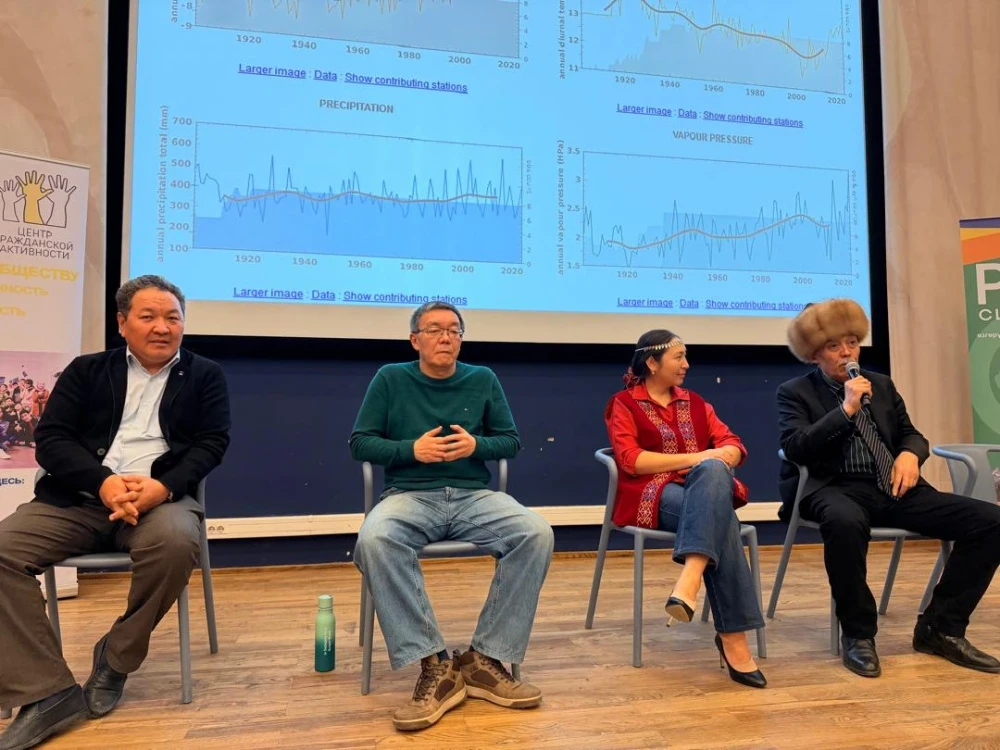
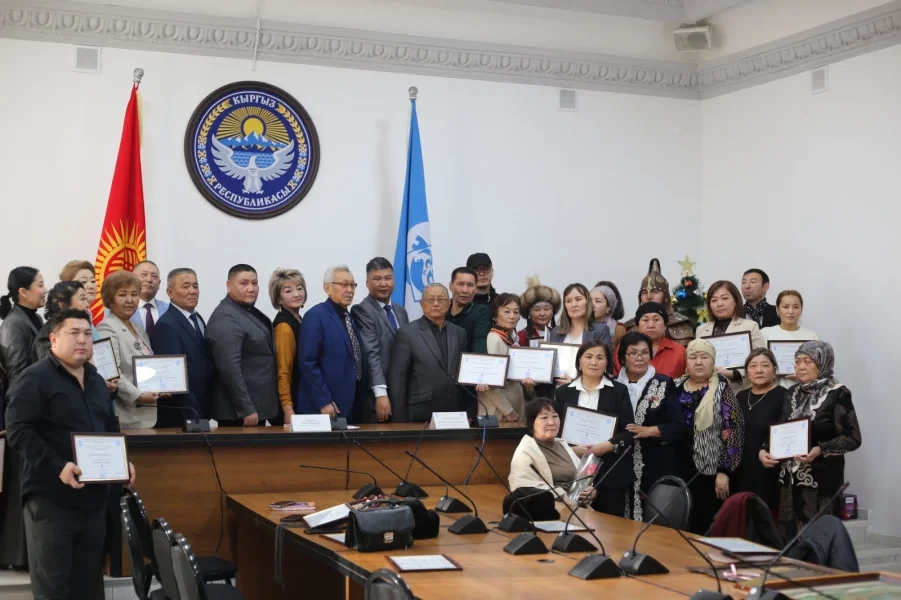
The premiere screening was a significant event not only in the cultural sphere but also a platform for open discussion. The organizers expressed their intention to draw the attention of international organizations, government structures, and civil society to the climate challenges of the region and the necessity of uniting efforts in accordance with the UN Sustainable Development Goals.
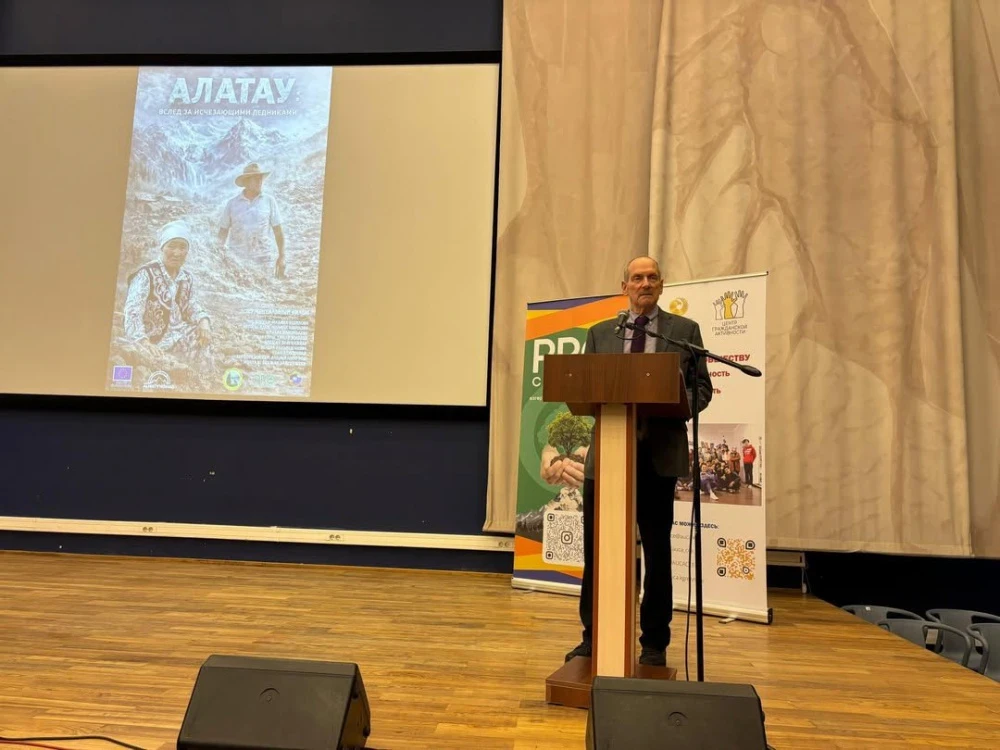
Munara Borombaeva, one of the film's authors, emphasized: "We aimed to show that the melting of glaciers is not a distant threat, but a reality we are facing today. The film traces the connection between the reduction of glaciers, emergencies, climate migration, and drought. We not only raise issues but also discuss possible solutions and mechanisms for adapting to climate change."
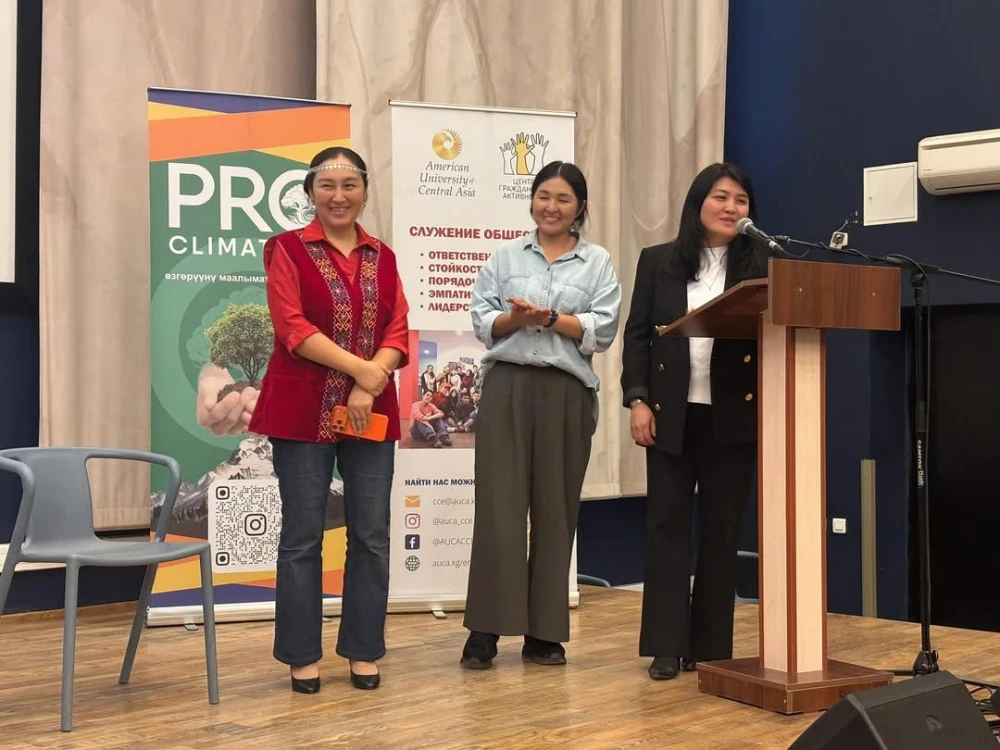
The film was created in 2025 with the support of the European Union as part of the project "Enhancing Audience Resilience through Reliable Stories" (CARAVAN), implemented by Internews.