History of the center's creation
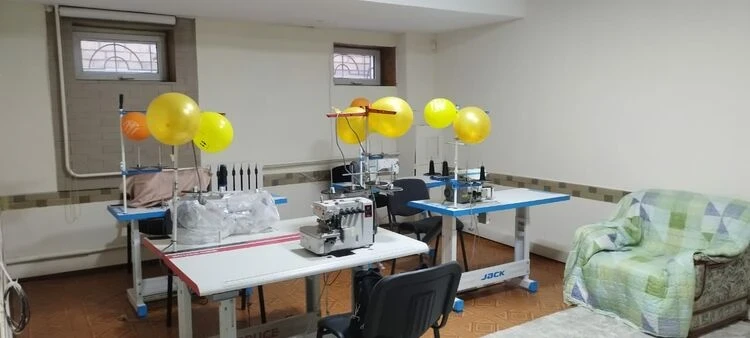
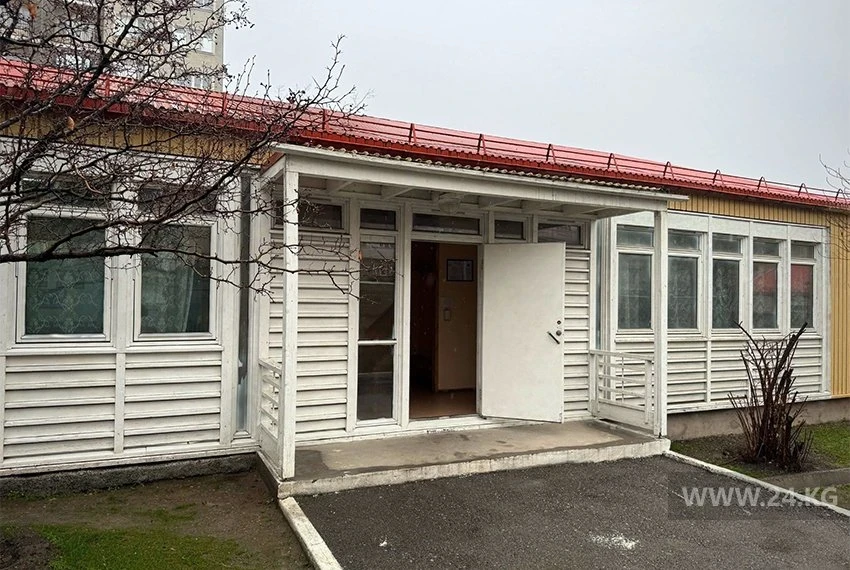
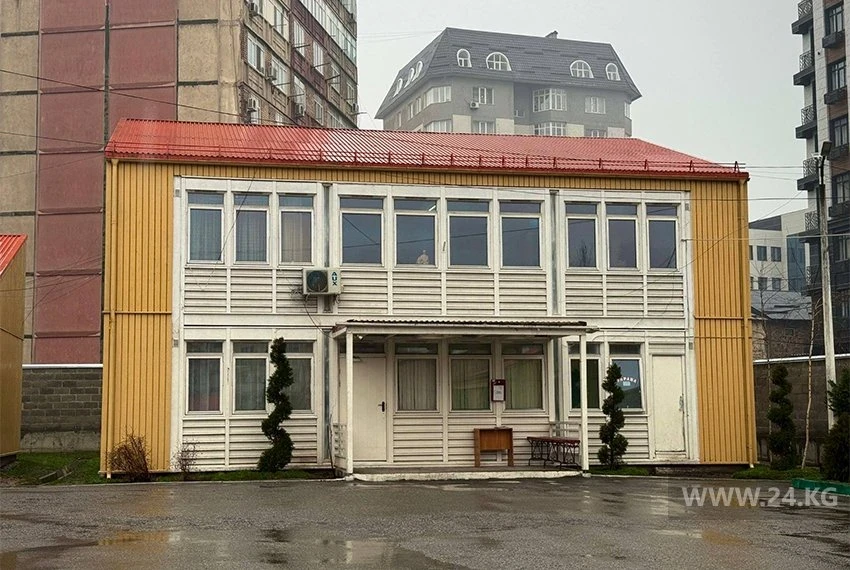
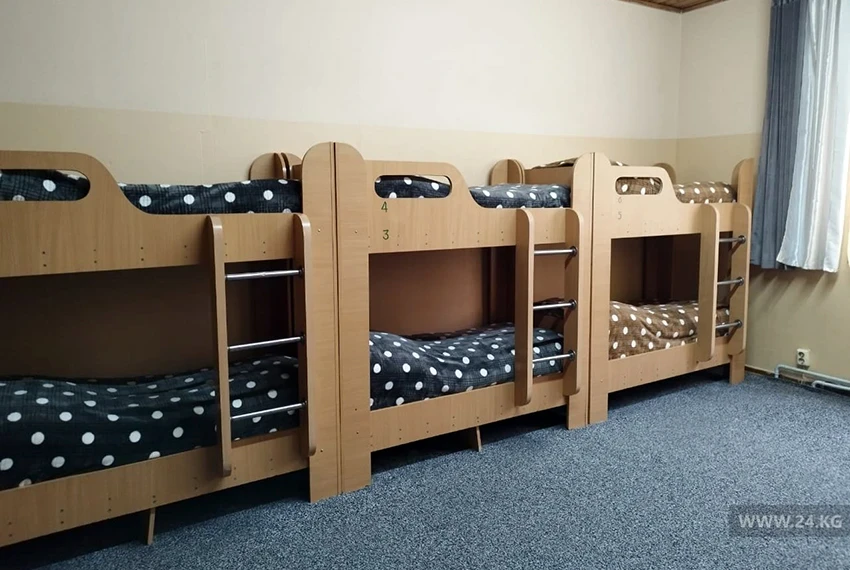
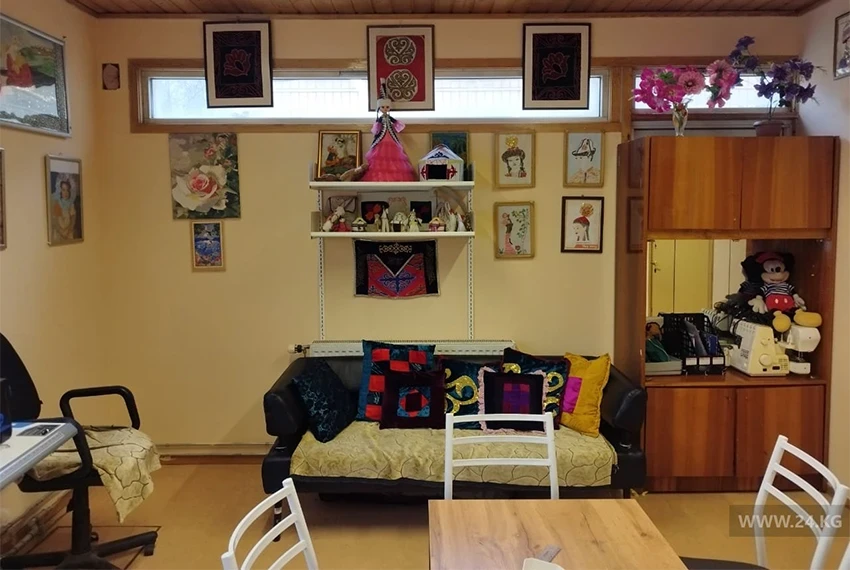
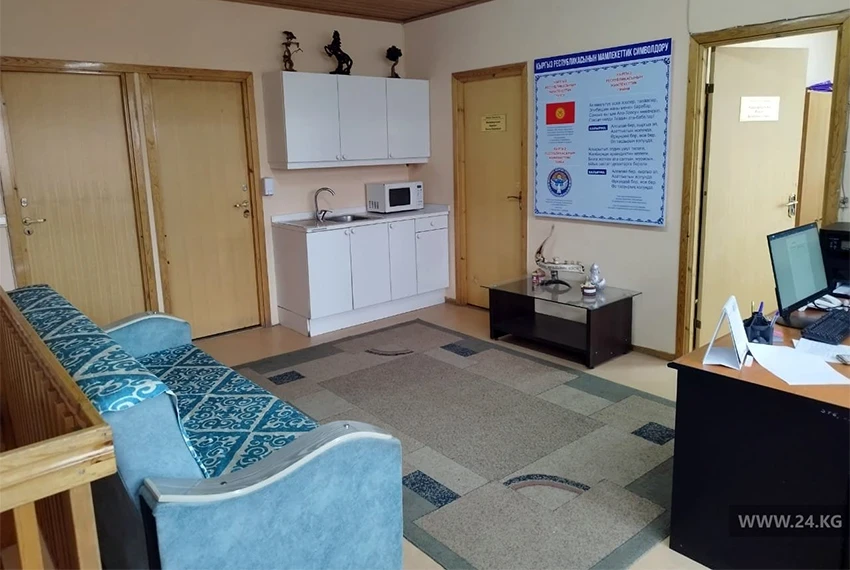
"Akniet" was founded in 1999 with the support of the governments of Norway and Kyrgyzstan, as well as UNDP. Since 2000, it has served as a temporary shelter for children aged 3 to 18. Although the center can accommodate up to 70 children, there are currently about 30, and this number usually increases in the summer.On the territory of "Akniet," there are houses for living, a workshop, a classroom, a dining room, as well as an administrative building and playgrounds, including a small fruit garden.
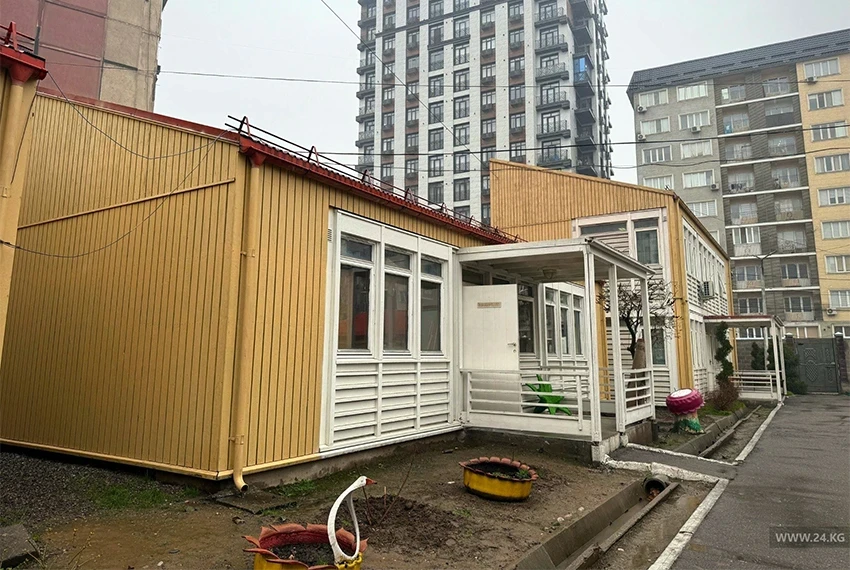
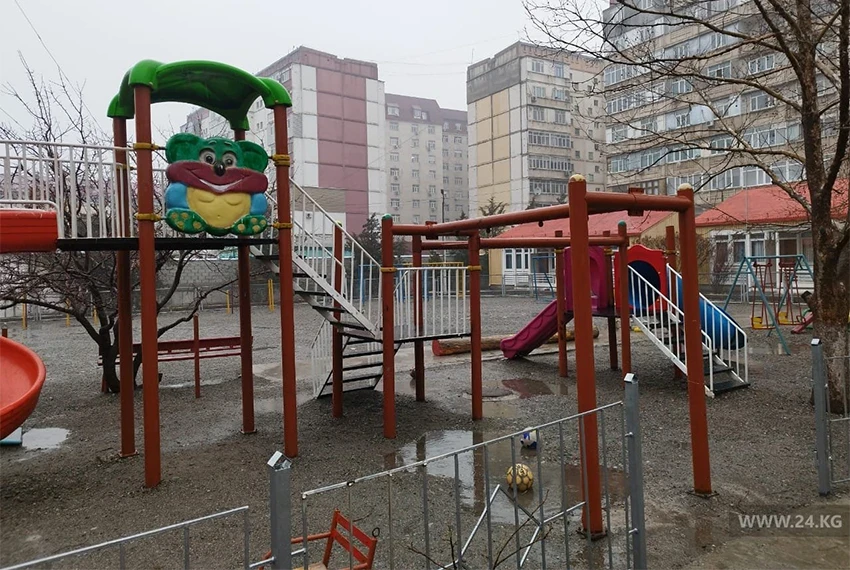
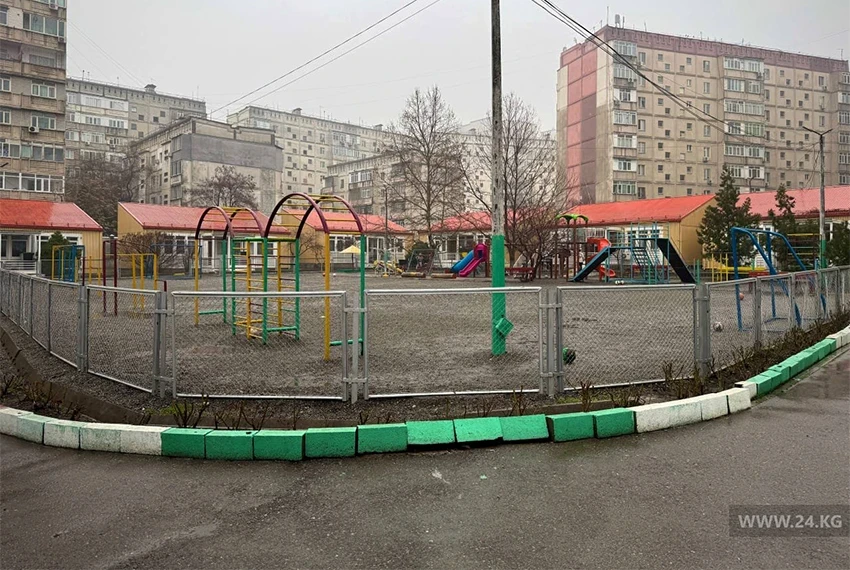
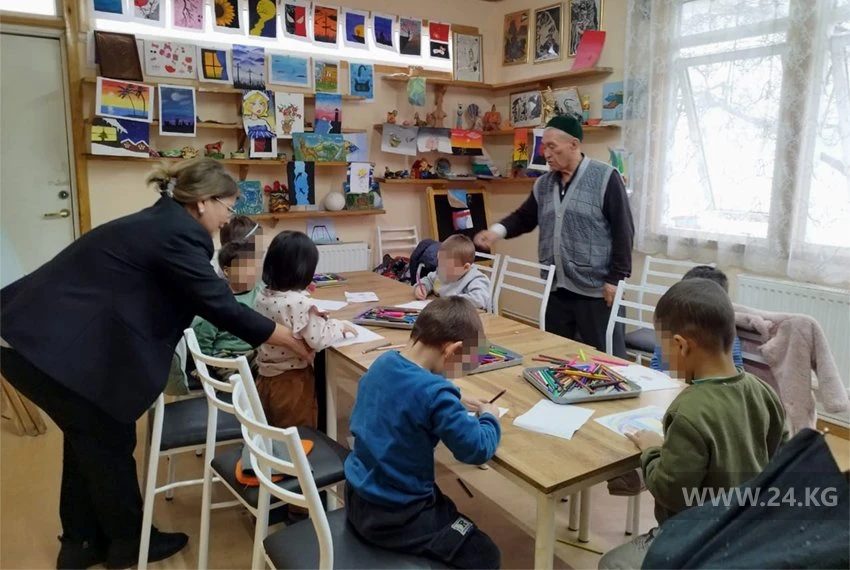
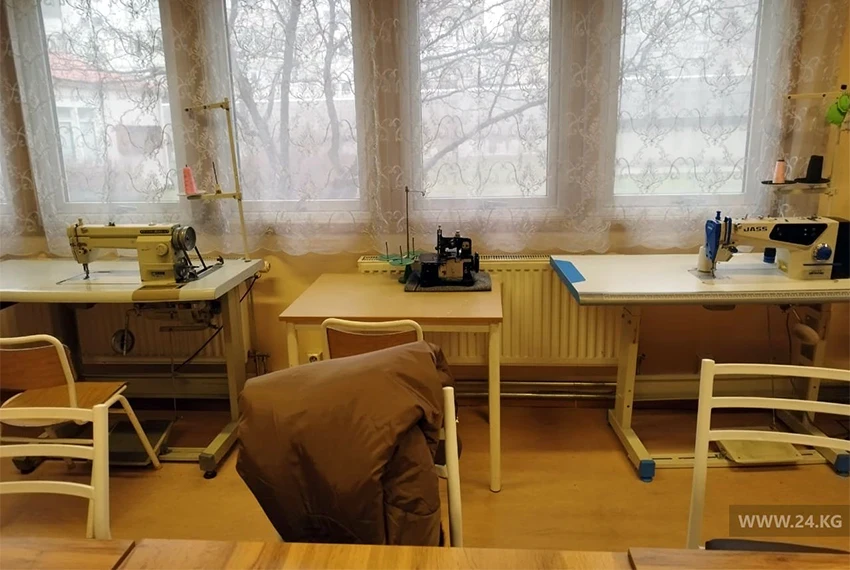
"Akniet" accepts homeless children and those whose parents cannot care for them. The state provides them with food, clothing, medical, and psychological assistance. The center helps children adapt to life, learn, and develop necessary skills. The children attend the nearest schools No. 72 and 80 and participate in various creative clubs, as well as learn sewing and cooking.
According to the director of "Akniet," Zhainagul Jumabekova, children enter the center through the Juvenile Affairs Inspection (JAI) and the Departments for Family and Child Support (DFCS) for a period of up to six months. After this, the Child Affairs Commission decides whether to return them to their families or send them to a boarding school if parental rights have been revoked.
Challenges in upbringing
Children in the center are divided into age groups, and each house is assigned two caregivers who change every day, ensuring round-the-clock supervision.Kenjegul Chynybayeva, a caregiver at "Akniet" for six years, shares her impressions: "At first, it can be difficult. Many of the little ones do not know how to hold a spoon or a pen, and they even need help going to the toilet. We teach them all the necessary skills, and over time, it brings joy."
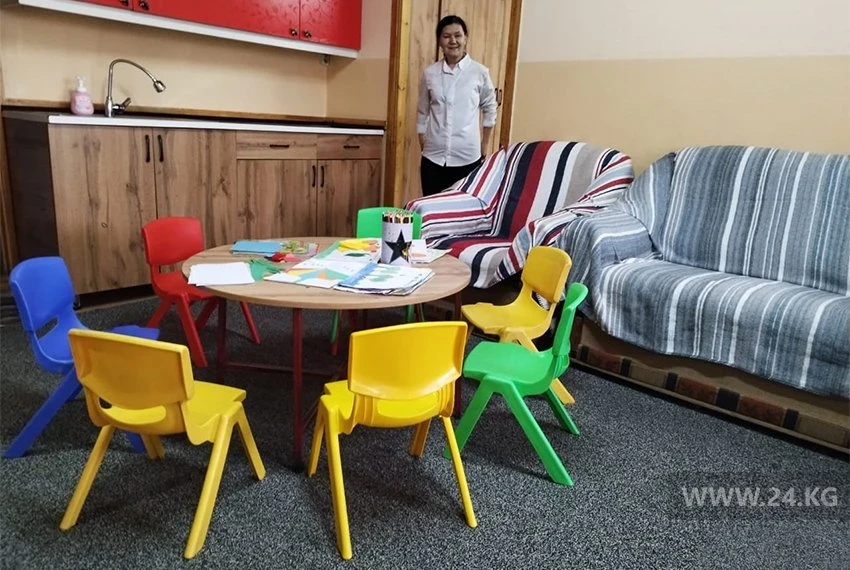

However, raising teenagers poses a significant challenge. They strive to assert their rights and test the boundaries of what is acceptable. Many of them are well aware of their rights but forget about their responsibilities, and conflicts with caregivers sometimes arise.
Each child in the center has their own difficult fate. Some have been left without parents or have had their parental rights revoked, others have parents who are divorced or in migration, while some cannot provide for their children. Some parents come to the center with permission from the DFCS, while others abandon their children.
Zhainagul Jumabekova notes that some children are successfully studying in school and participating in Olympiads, enjoying their time at the center.
The institution employs a psychologist and a social worker, and there are no vacancies. Staff salaries range from 20,000 to 24,000 soms depending on the number of shifts.
Reasons for escapes
In December 2025, Bishkek city council deputy Kazibek Ergeshov stated that teenagers from "Akniet" escape almost monthly."There are complaints and video recordings. There is hazing in the center: older children bully younger ones, and staff sometimes humiliate the children. This is abuse, which is why they run away. Moreover, the institution regularly receives sponsorship assistance, but there is no accounting for it. The situation needs to be brought under control," the deputy appealed to the city hall.
Deputy Mayor Victoria Mozgacheva acknowledged the existence of the problem, noting that it concerns children who have conflicts with the law.
"The capital needs a specialized center for such children. The previous head of the institution was dismissed for failing to perform their duties," she added.
Following Ergeshov's statements, the police began an investigation, and a commission was formed in the capital's Department of Social Development.
Information about abuse, as reported by the department director Aizada Junusova, was not confirmed, and no complaints from children had been received.
According to her, caregivers try to find common ground with the children. "Conflicts between children arise, for example, over trivial matters like a hairpin or a pen, and then the caregivers talk to them," she noted.
Recently, the capital's Internal Affairs Directorate reported six teenagers who escaped from "Akniet" between January 20 and February 19, 2026.
The center is not a closed institution, and children can leave it at will. Moreover, they freely attend school. However, the reasons for the escapes remain relevant. "Children don't just run away," "perhaps they are being treated cruelly," "or they are starving" — such opinions are expressed by social media users.
Zhainagul Jumabekova, in an interview with 24.kg, refuted these assumptions but acknowledged that the escapes of children are a "global problem for the center."
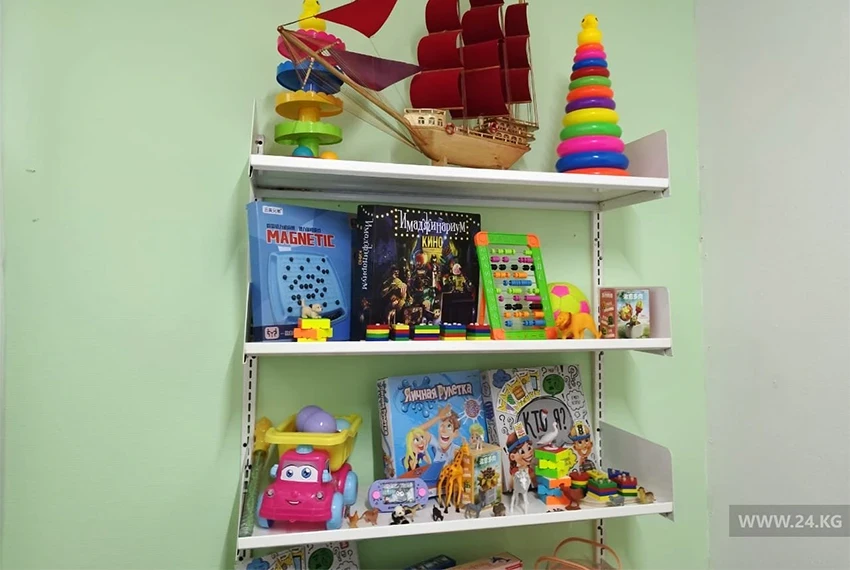
"We have good conditions, warmth, five meals a day, clubs... However, not all children like this — some are used to street life and periodically escape both from our center and from their homes. For example, one child was found and returned, but the next day he escaped again. Some parents of the children refuse them, openly stating that they cannot support them. Naturally, the children feel hurt. Some smoke, drink, and steal. Parents are partly to blame for this," she added.
According to her, each teenager has a favorite place they go to — a computer club or the Eternal Flame at Victory Square. JAI staff know where to look for them. Escaped children ask passersby for money for a snack or steal.
Experts note that children know that there will be no punishment for escaping, and therefore they take advantage of this. Some return after a few days — unlike the street, the center is warm and there is always food.
"We often conduct preventive measures with JAI, the Ministry of Internal Affairs, and the Internal Affairs Directorate, and a psychologist works, especially with difficult children. A card is created for each child, and we analyze behavior monthly. Over six months, children adapt well, becoming more open and sociable. Some kids return to us repeatedly. Our main goal is to reunite children with their parents," concluded Zhainagul Jumabekova.
The need for salary increases and changes in approach
Igor Belyaev, director of the public fund "Rights of Orphaned Children," is convinced that children do not run away without reason."These are children from difficult life situations, socially vulnerable groups. Some roam and lead an immoral lifestyle, imitating their parents. They are not accustomed to discipline and order," he noted in an interview with 24.kg. "But other factors are important too, including the attitude of caregivers and the presence of hazing."
Igor Belyaev added that sometimes, no matter how much help is provided, a person may not want to change their life.
Nevertheless, he believes that an approach can be found for every child if kindness is shown and help is provided in a timely manner.
Additional materials Salary increases in social institutions are being requested
"The main thing is to work and communicate with the children, find out how they are doing, and analyze the reasons to prevent escapes in the future," he noted.
According to Nazgul Turdubekova, head of the public fund "League of Child Rights Defenders," the low salaries of staff at crisis centers and shelters for children in difficult life situations negatively affect their work.
She reported that the salaries of psychologists, lawyers, and social workers amount to about 15,000 soms net, which corresponds to low-wage labor according to legislation. The average salary in the country is approximately 45,000 soms.
The low level of pay leads to a shortage of staff and high turnover.
"We are already seeing the consequences: one caregiver is responsible for dozens of children; staff are overloaded, and the quality of services suffers. The recent case of a group of children escaping from a shelter is a worrying signal. Such situations are related to a lack of staff and an inability to provide the necessary level of attention. Increasing salaries for social institution staff is not only a matter of social justice but also of child safety, violence prevention, and sustainable societal development," she concluded.