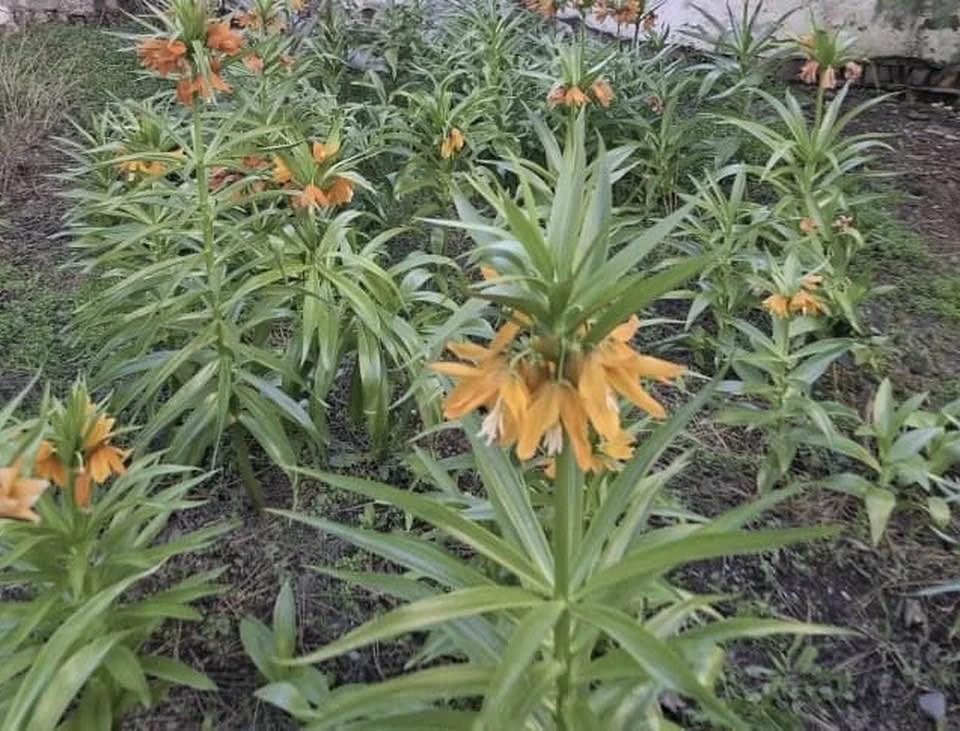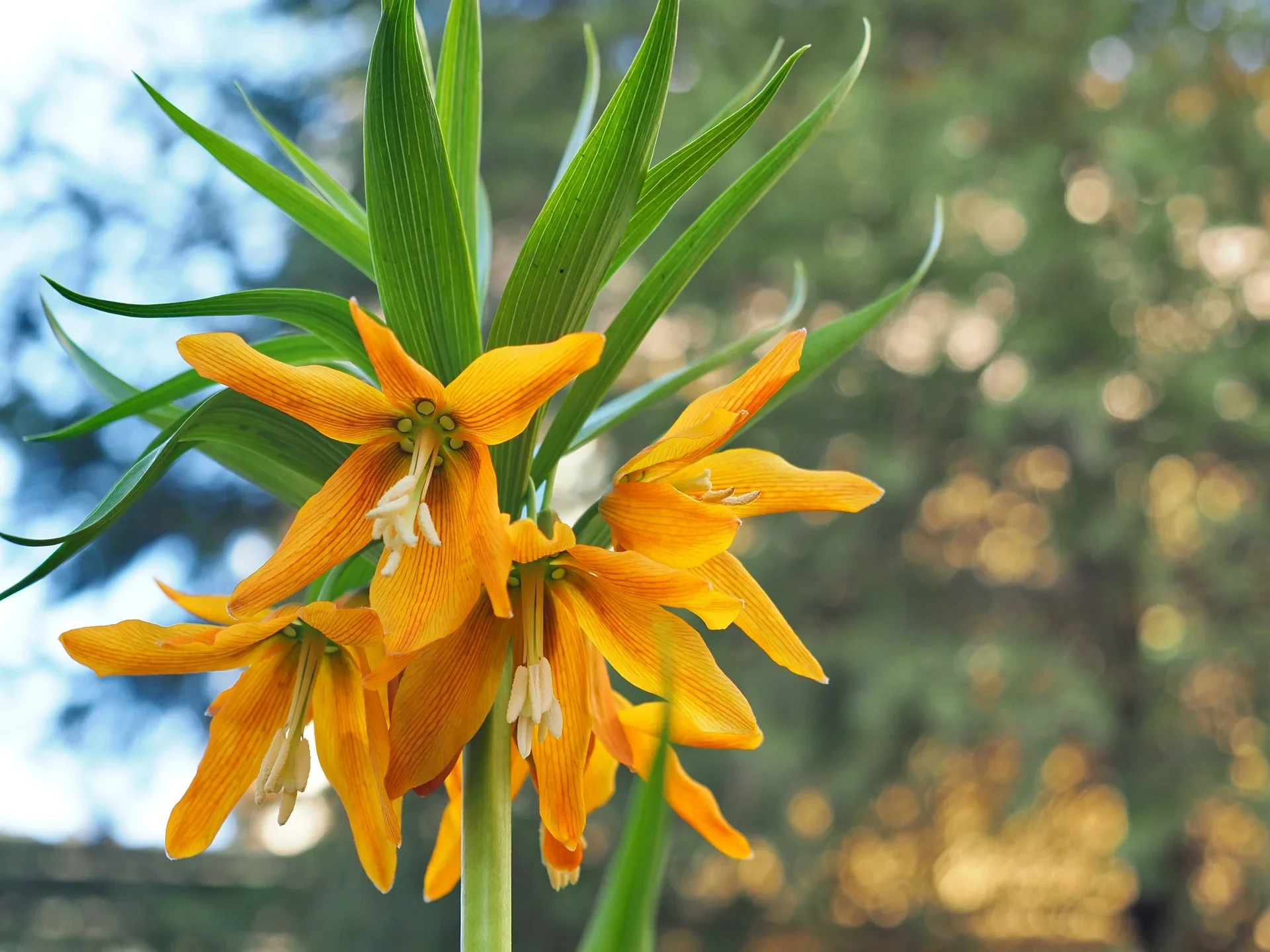
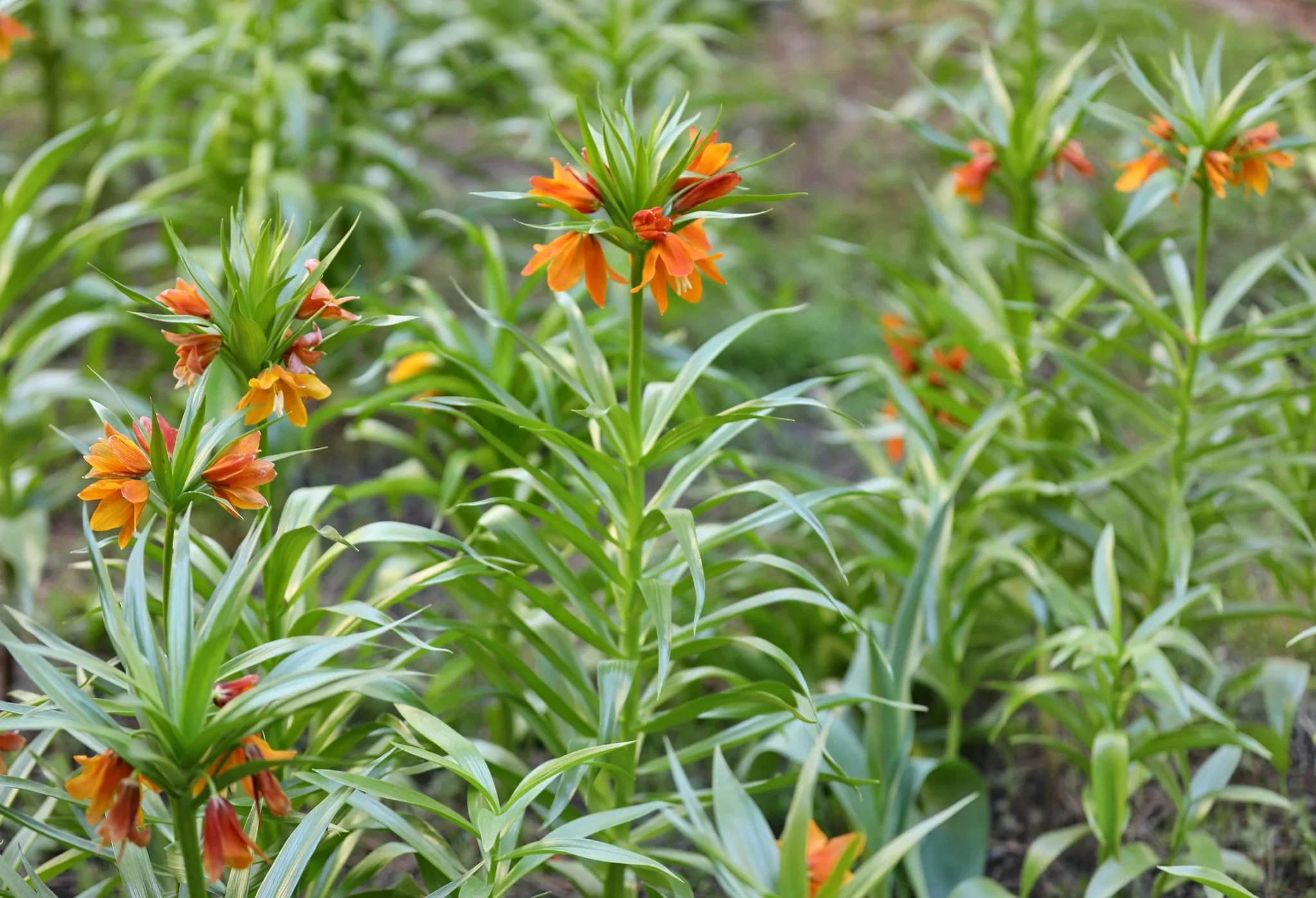
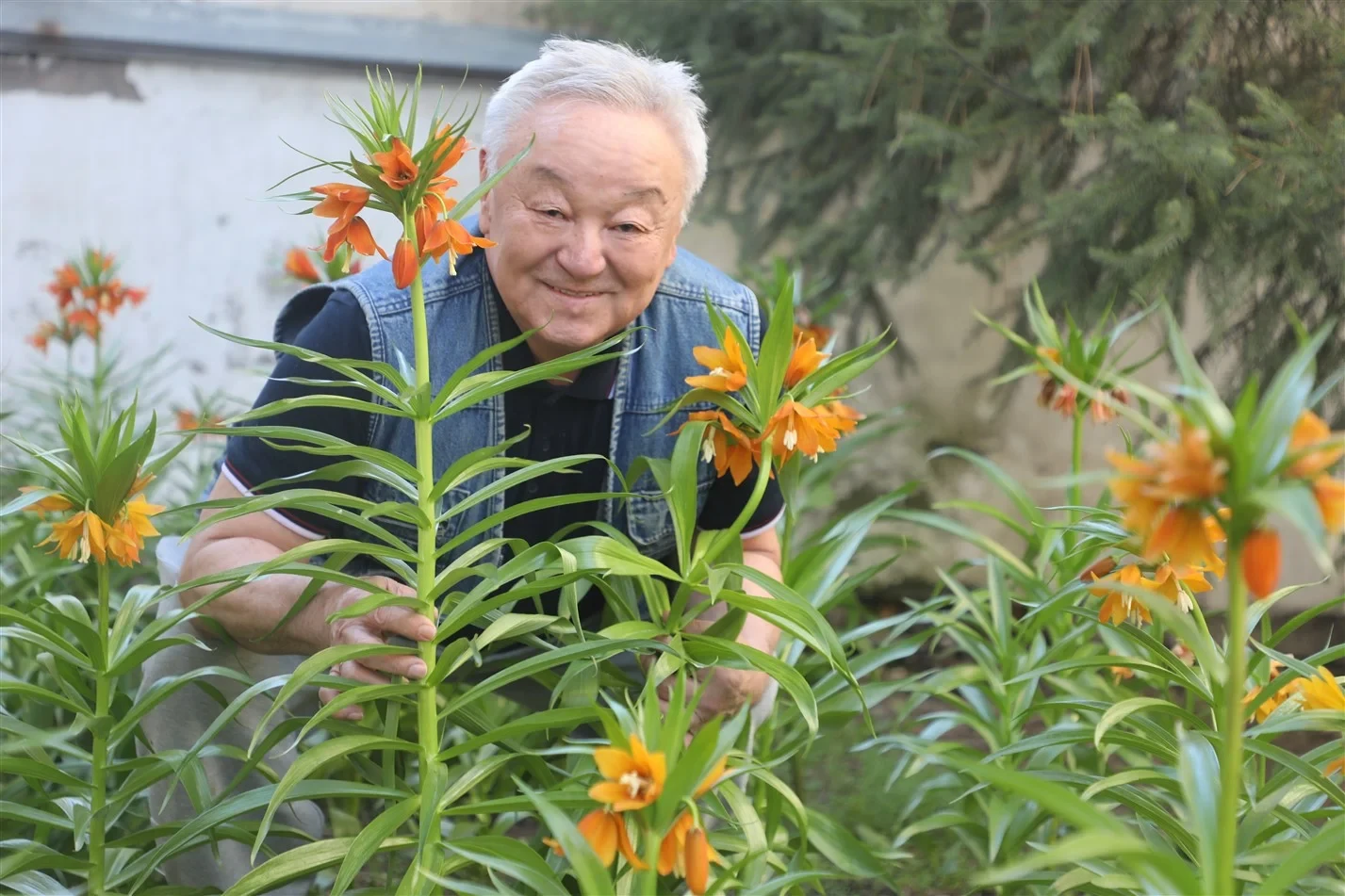
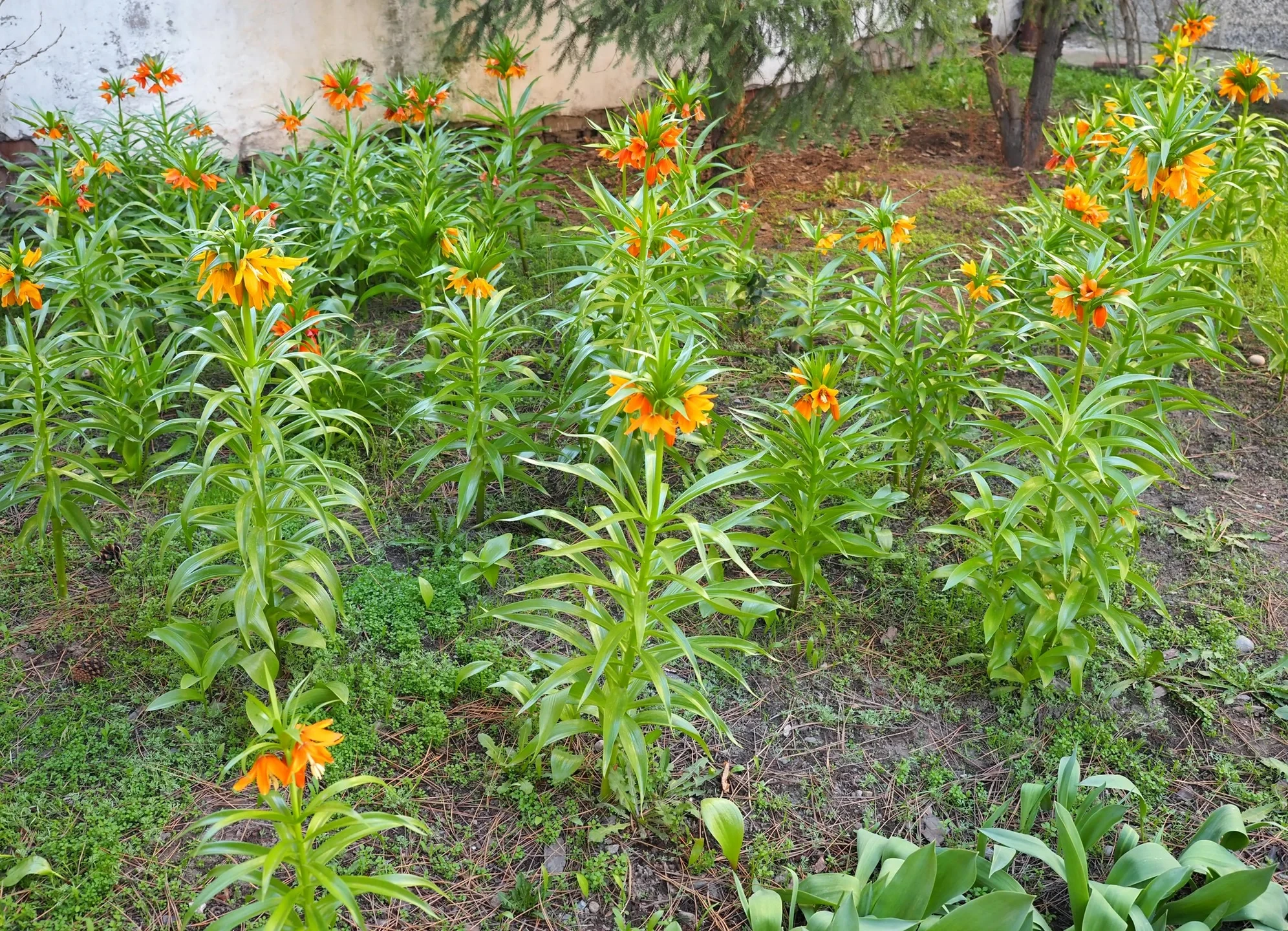
Sometimes care for nature manifests in less noticeable forms than large-scale programs and reports. In Bishkek today, a rare flower called Aigul, known as Edward's fritillary (Fritillaria eduardii), has bloomed, symbolizing the spring and fragile beauty of southern Kyrgyzstan. This information is provided by "EcoStan".
Sheishenbek Baizakov, a retired major general of internal service and a law enforcement veteran, started with seven bulbs and over the years increased his collection to nearly seventy specimens. His success has been made possible through persistent efforts, without support from scientific laboratories, grants, or public campaigns.

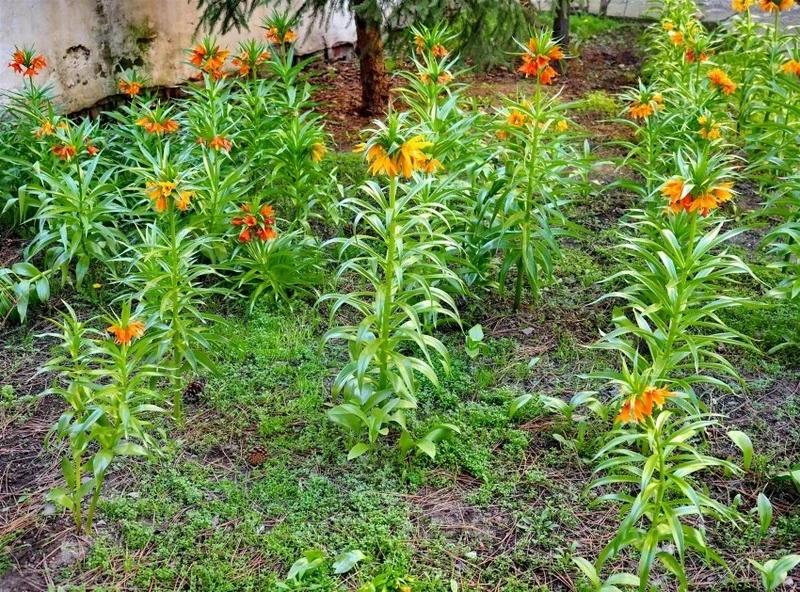
Against this backdrop of threats, successful cultivation practices become particularly important. It is known that Edward's fritillary has been grown in botanical gardens around the world for over 150 years; however, in Kyrgyzstan, it is quite rare in scientific collections and is primarily preserved thanks to enthusiasts. A private nursery in Bishkek is a vivid example of such an approach, representing an alternative method of conserving this rare species, a kind of "bank of life" created outside official institutions.

At the same time, strict conservation measures are in place in its "homeland" in the Batken region. The botanical reserve "Aigul-Tash," where the main population of the plant is concentrated, is closed to visitors: the ban introduced in 2023 has been extended until 2030. This decision was made due to a sharp decline in the species' numbers caused by trampling and flower picking. According to preliminary data, these measures are already yielding results — the population is beginning to recover.