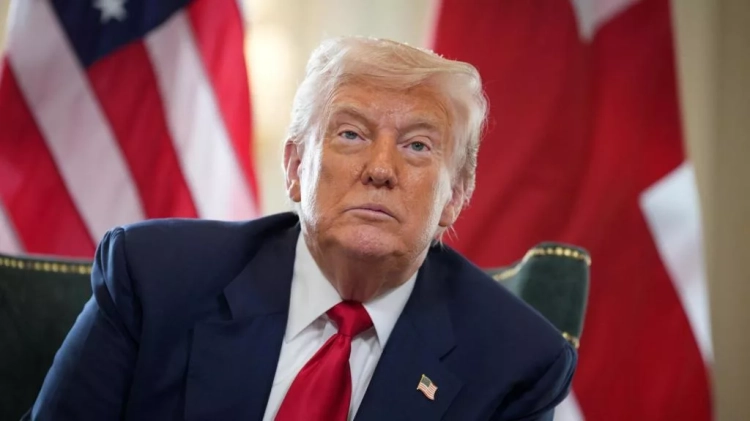
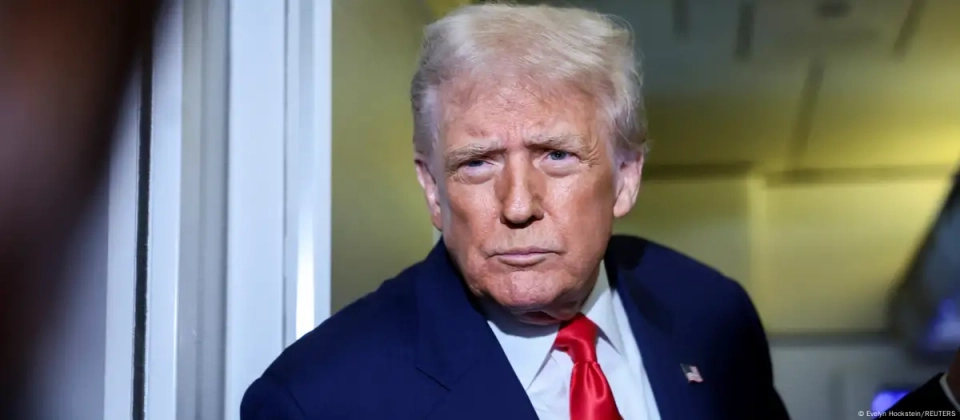
U.S. President Donald Trump announced the possibility of sending military forces to the Strait of Hormuz to unblock it.
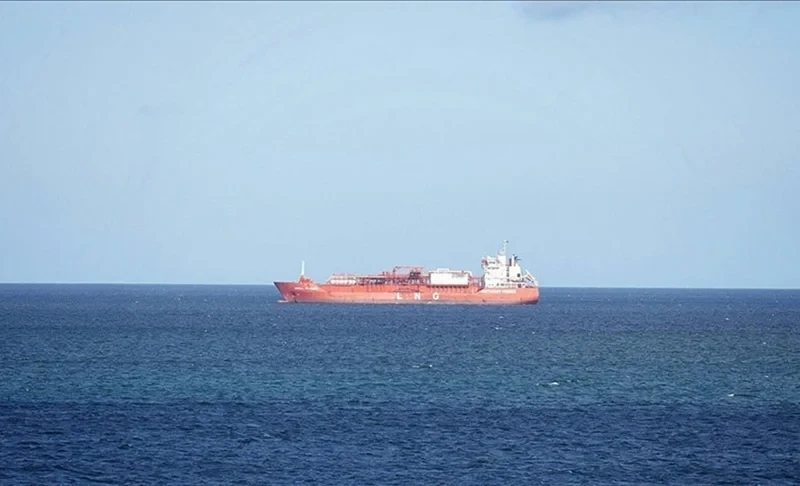
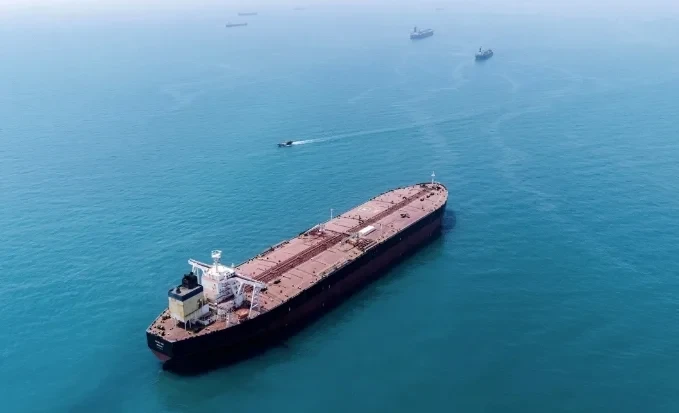
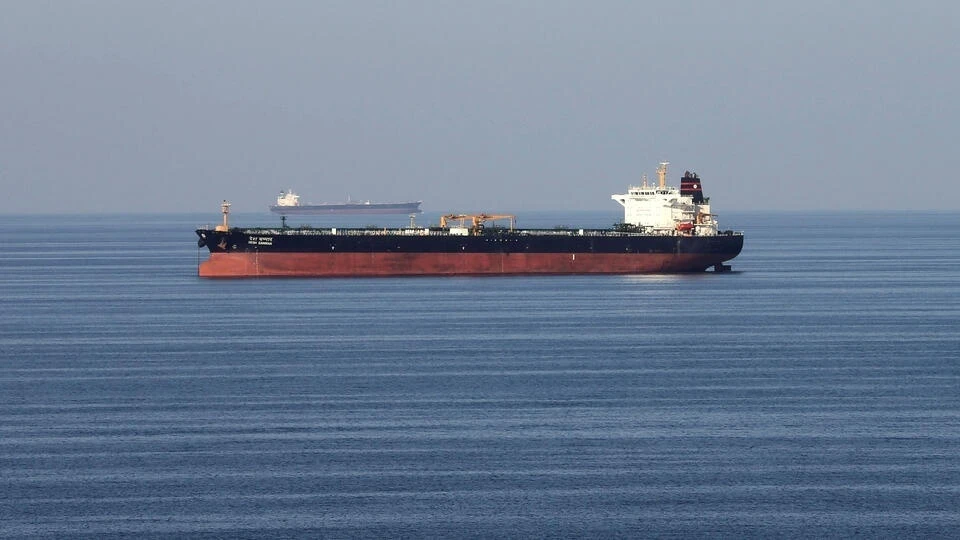
The blockade of the Strait of Hormuz, a key maritime route, is being carried out by Iran, leading to the stranding of numerous tankers carrying oil and liquefied gas in the Persian Gulf. This has created instability and caused a drop in global stock markets, prompting a response from Trump.
In his post on Truth Social on the evening of March 3, he wrote:
“If necessary, the United States Navy will immediately begin escorting tankers through the Strait of Hormuz. The United States will ensure the FREE FLOW OF ENERGY in the WORLD under any circumstances.”
Thus, the U.S. president is ready to deploy military forces to stabilize oil prices. Trade expert Gerrit Heinemann (Hochschule Niederrhein) warns that without action, the situation could lead to a sharp rise in inflation: “With each passing day of the Hormuz blockade, the likelihood of double-digit inflation increases.” This, in turn, will lead to higher prices for many goods.
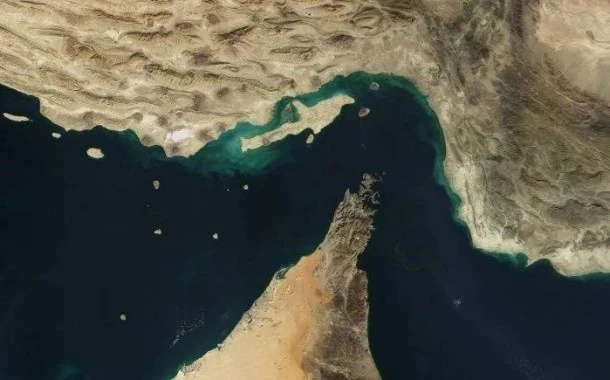
The Strait of Hormuz, located between Iran and Oman, is an important route through which about 20% of the world's oil supplies and a significant amount of liquefied natural gas pass. At its narrowest point, it is only about 33 km wide, and the lack of alternative routes makes its blockade critically important for international oil prices.
The U.S. Treasury Secretary criticized the Spanish authorities, stating that they “endanger the lives of Americans.”
Scott Bessent, in an interview with CNBC, noted that any steps that slow the U.S. ability to act against Iran “in the quickest and most effective way” threaten the safety of American citizens.
“President Trump's dissatisfaction with the Spanish government is quite justified, as they have performed extremely poorly. Spain is the only NATO member that is not fulfilling its obligations. This is called ‘free-riding’…
Any action that slows our ability to wage this war quickly and effectively endangers the lives of Americans. The Spaniards have put them at risk,” Bessent added.
The U.S. Secretary of Defense reported that an Iranian warship was sunk with U.S. involvement in the Indian Ocean.
According to the Secretary, the Iranian frigate was destroyed in the territorial waters of Sri Lanka, and more than 100 people are missing as a result of this incident.
The U.S. Secretary of Defense also noted that America and Israel are just beginning their operations against Iran and new attacks are expected.
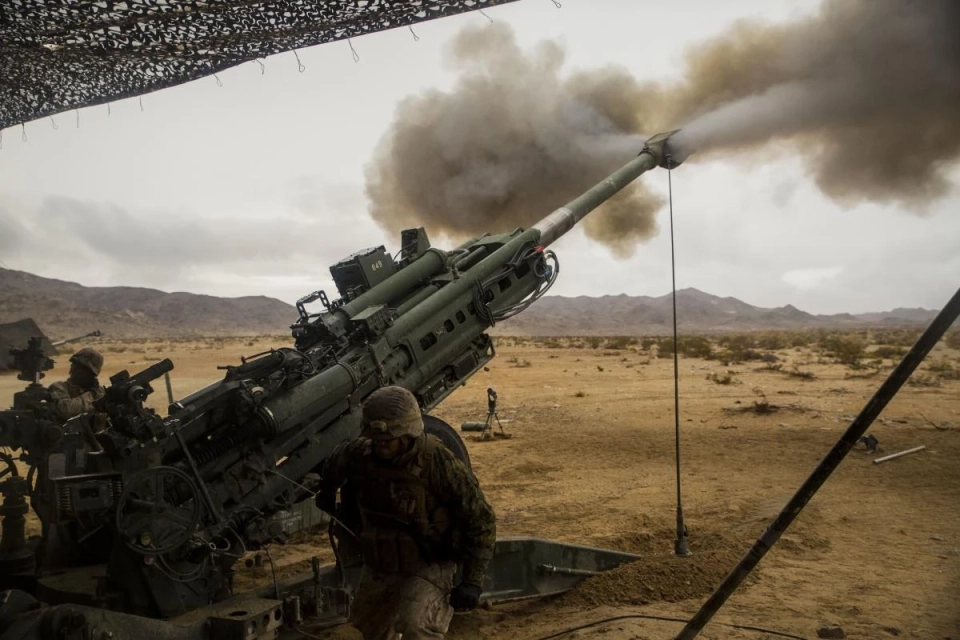
He added that the U.S. will use unlimited supplies of precision-guided gravity bombs.
Furthermore, Hegset stated that American and Israeli forces plan to establish “full control over Iranian airspace” within a few days, less than a week after the conflict began.
The Turkish Foreign Minister Hakan Fidan protested to Iran regarding the launch of a ballistic missile into Turkish airspace, as reported by Anadolu.
Fidan made these statements during a phone call with his Iranian counterpart Araqchi, urging to avoid steps that could lead to an escalation of the conflict.
Earlier, the Turkish Ministry of Defense reported that NATO defense systems intercepted a ballistic missile launched from Iran, which fell in the Dörtyol area of Turkey, near the Mediterranean Sea, with no casualties.
What is the situation with airlines in the region?
- Air Arabia announced a temporary suspension of flights to and from the UAE until March 9.
- Today, SriLankan Airlines announced the resumption of flights to Dubai.
- Gulf Air reported a temporary suspension of flights at least until March 5.
- Qatar Airways stated that “its flights are temporarily suspended,” with further information to be available on March 6.
After the destruction of Iranian air defense systems, the U.S. will be able to save on expensive and scarce precision munitions by using guided gravity bombs instead, as stated by Chairman of the Joint Chiefs of Staff General Dan Keen.
This, he said, will accelerate the air campaign.
“We are striking Iranian ballistic missile systems to prevent threats to American forces, interests, and partners in the region,” Keen noted.
“Additionally, we are destroying the naval fleet, reducing its potential and capabilities for operations worldwide.”
“And finally, we are ensuring that Iran cannot quickly restore its combat capability, and these steps will continue throughout the campaign,” he added.
Keen also noted that the next step will be “deepening operations on Iranian territory to create more maneuverability for American troops.”
In a 10-minute televised address, Sánchez recalled the wars in Ukraine, Gaza, and Iraq that occurred more than 20 years ago, stating that the position of the Spanish government is “no to war.”
Trump threatened to impose a trade embargo on Spain in response to Madrid's refusal to allow the U.S. to use jointly managed bases in Morón and Rota for operations against Iran.
“Things are terrible in Spain,” Trump said during a meeting with German Chancellor Friedrich Merz on Tuesday.
In his televised address from the residence in La Moncloa, Sánchez noted that the government is considering economic measures to mitigate the conflict's impact on Spaniards.
“The question is not whose side we are on — no one is on our side. The question is whether we stand for peace and international legality.”
Sánchez, representing the socialists, emphasized that his government's position aligns with his views on Ukraine and Gaza. He is also a fierce critic of Israel's military response to Hamas attacks in 2023.
Spain has taken an active stance on Gaza, condemning Israel's actions as “genocide” and recognizing the existence of a Palestinian state before many other EU countries.
This position aligns with the views of his coalition partners and reflects Spain's overall attitude towards the Middle East.
Recalling the invasion of Iraq in 2003, Sánchez warned that attacks on Iran could have similarly devastating consequences for millions of people.
His words about the Iraq invasion may resonate with many Spanish voters, as support for the conservative People's Party government at the time was extremely unpopular and led to mass anti-war protests.
Many believe this contributed to the unexpected victory of the Socialist Party in the March 2004 elections, which occurred shortly after the Madrid bombings.
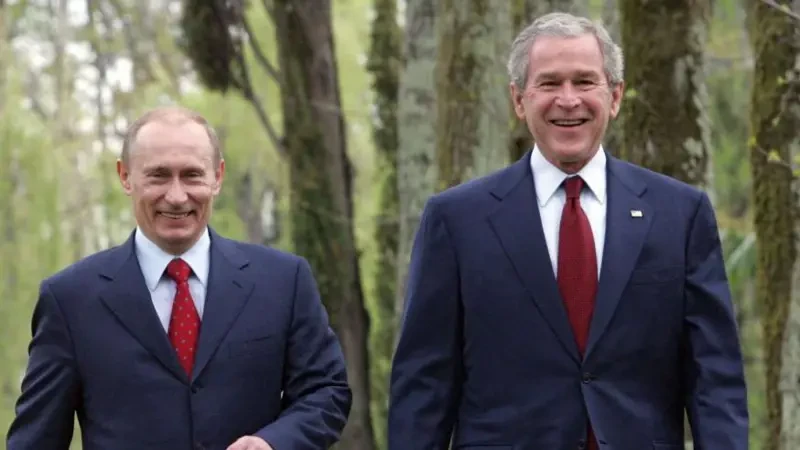
Sánchez also reminded of the “Azores Trio” — then U.S. President George W. Bush, British Prime Minister Tony Blair, and Spanish leader José María Aznar, who met at a Spanish base before the invasion of Iraq.
He stated that they brought Europeans a “gift” in the form of “a more unstable world and a worse quality of life.”
The position of the Spanish Prime Minister sharply contrasts with Merz's opinion, who stated on Tuesday that regime change in Iran “could slightly improve the state of the world,” although he also noted that it comes with risks and consequences.
The Islamic Revolutionary Guard Corps (IRGC) reported in its official statement about the conduct of the seventeenth wave of Operation “Truthful Promise-4,” carried out a few hours ago.
According to the information, more than 40 missiles were launched against American and Israeli targets by the Aerospace Forces of the IRGC as part of this wave.
Russia is ready to redirect oil to India to compensate for supply disruptions from the Middle East, reports Reuters.
About 9.5 million barrels of Russian oil are on tankers near Indian waters and could arrive within a few weeks, which should quickly improve the situation at refineries.
India is in a vulnerable position due to limited oil reserves, calculated to last only 25 days, and refineries have similarly limited stocks of gasoil, gasoline, and liquefied petroleum gas. A source in the Indian government reported that New Delhi is seeking alternative supplies in preparation for a possible continuation of the conflict in the Middle East for more than 10-15 days.
About 40% of India's oil imports pass through the Strait of Hormuz. A complete blockade of this waterway forces the world's third-largest oil consumer to seek alternative sources.
According to the source, Russia is ready to meet up to 40% of India's crude oil needs.
Indian oil refining companies are in contact with traders selling Russian oil; however, any increase in supplies will depend on government directives, as trade negotiations with the U.S. continue.
It is also reported that Russia is ready to sell liquefied natural gas to India after Qatar, a leading player in this field, suspended production on Monday.
The record of Trump threatening to send troops to the Strait of Hormuz to unblock it. What else has happened in Iran? first appeared on K-News.