The conflict that is escalating in the region affects not only the oil sector but also the aviation industry, as reported by the BBC.
Iran has targeted the airports of its neighbors, which play a key role in international trade and movement, striking them.
These airports serve as the economic backbone for the Gulf countries, ensuring food imports, attracting foreign workers, and facilitating global business growth.
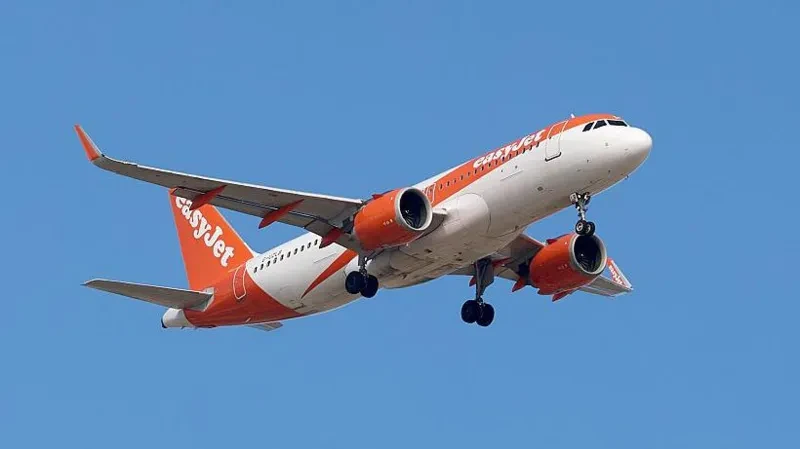
In particular, Hamad International Airport in Doha, one of the busiest airports in the world, has suspended its flights. This could negatively impact a significant volume of cargo air traffic passing through this hub.
It remains unclear how long this situation will last and how long countries will be able to cope with the economic losses.
Currently, there is a decline in airline stocks in the Asia-Pacific region at the market opening, confirming the impact of this conflict.
Shares of companies such as Qantas Airways (Australia), Singapore Airlines, and Japan Airlines fell by more than 5% on Monday.
Additionally, Iran is attacking seaports and shipping routes, disrupting operations in the Strait of Hormuz—a key artery for global oil trade.
After the attack on three vessels near the Strait of Hormuz, global oil prices began to rise as Iran continues its actions in response to attacks from the U.S. and Israel.
According to the UK Maritime Trade Operations (UKMTO), two vessels were damaged, and an "unknown projectile" exploded near a third.
Iran has warned vessels against passing through the strait, through which about 20% of the world's oil and gas supplies flow.
At the beginning of Asian trading on Monday, oil prices rose by more than 10%, although this increase later slowed.
As of 02:00 GMT, the price of Brent oil increased by more than 4%, reaching $76.16 per barrel, while U.S. oil quotes rose by about 4% to $69.67.
Sol Kavonik, head of energy research at MST Research, noted: "The market is not panicking" and added that "the infrastructure for oil transportation and production is not currently a primary target for the parties in the conflict."
The current hostilities between the U.S., Israel, and Iran have been ongoing for the third day, with all sides actively conducting airstrikes.
A series of explosions in Beirut woke residents around 03:00 local time when Israeli forces began striking Hezbollah targets in response to rocket attacks on northern Israel by Iran-backed groups.
Hezbollah announced that it was beginning retaliatory actions following the assassination of Iran's Supreme Leader Ayatollah Ali Khamenei, calling it a "legitimate act of self-defense."
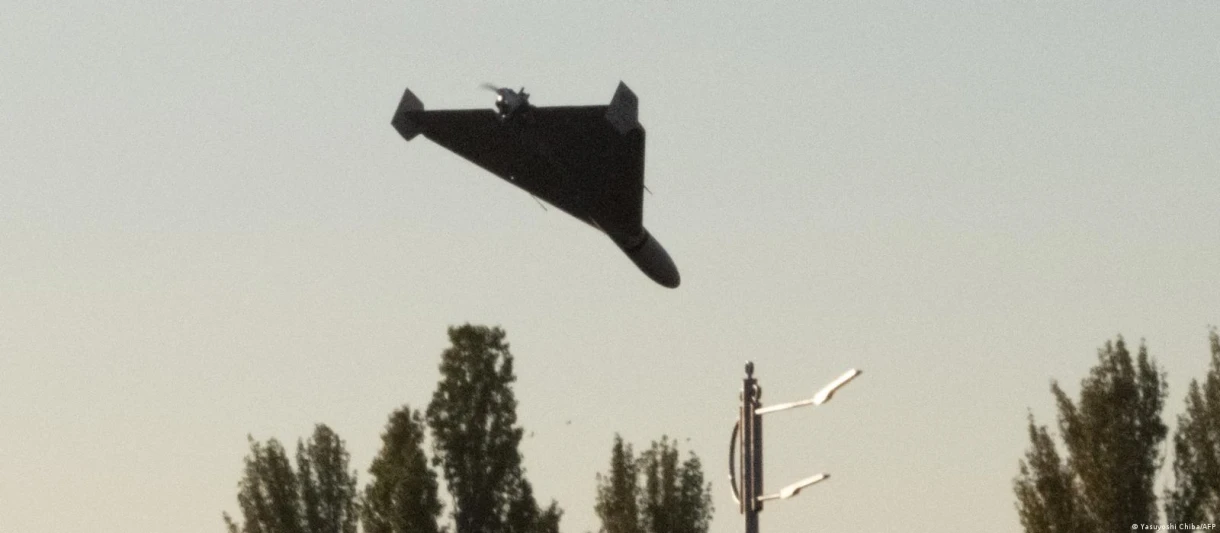
In their statement, they reported that they launched "a barrage of precision missiles and deployed a swarm of drones" against missile defense facilities in northern Israel. The Israeli army confirmed its retaliatory actions, stating that it would not allow Hezbollah to threaten Israel's security and disrupt the lives of civilians.
Hundreds of thousands of people are leaving their homes in Lebanon.
The Israeli army issued evacuation orders, and this morning hundreds of thousands of people began leaving their residences.
This situation affects not only southern Lebanon but also the capital—Beirut.
In the suburb of Dahia, where evacuation orders have been directed, many people live. They are gathering their belongings and seeking safer areas.
Dahia is known as a stronghold of Hezbollah. During previous conflicts in 2024, it was attacked, and despite a unilateral ceasefire, Israel continues operations, accusing Hezbollah of rearming.
The city is in chaos, and moreover, Ramadan is currently ongoing, during which Muslims fast during the day. People should be gathering for the last meal before the fast begins, but instead, they are seeking shelter.
U.S. lawmakers plan to limit Trump's powers regarding Iran.
American Senator Adam Schiff announced his intention to join other lawmakers in voting on a resolution regarding military powers that would limit Trump's ability to strike Iran.
"Declaring war is the prerogative of Congress, not the president," Schiff noted in his post on X.
"I will join Senators Tim Kaine, Rand Paul, and Schumer to push for a vote on our military powers resolution and show that Congress has not sanctioned such use of armed forces."
If the resolution is approved by both chambers of Congress, the president will need their permission for future attacks.
However, Trump could veto such a resolution if it does not garner two-thirds of the votes, which could prove to be a challenging hurdle.
According to the U.S. Constitution, only Congress has the authority to declare war.
Seven countries issued a joint statement.
The U.S., Bahrain, Jordan, Kuwait, Qatar, Saudi Arabia, and the UAE condemned Iran's "indiscriminate and reckless missile and drone attacks" in the Middle East.
They emphasized that these "unjustified strikes" threaten sovereignty and civilian populations and damage civilian infrastructure.
The countries noted that Tehran's actions lead to a dangerous escalation of the conflict, threatening stability in the region, and expressed unity in protecting their citizens.
They also affirmed their right to self-defense.
"I see the light flash and then there is an explosion," says a resident of Erbil about the attacks on the city. published at 06:08
06:08
Gabriela Pomero,
Live program reporter
I spoke with a British woman of Kurdish descent living in Erbil, working for a local NGO. She wished to remain anonymous as she does not want to attract the attention of Iranian authorities.
"This morning I saw seven or eight attacks, and I am in shock," she shares.
Although most missiles were intercepted, one hit its target on Sunday evening, causing "10-15 minutes of continuous explosions."
The U.S. Central Command confirmed that Erbil International Airport was one of Iran's targets.
"I have never seen anything like this—it is very scary," she says.
"From my balconies, I have a view of the city and the airport. I see the lights flash, and then there is an explosion."
"When I was at the market, people continued shopping, but then we saw a missile being intercepted. It looked like something out of a movie."
She notes that she lives in an area that is usually full of cafes, but today the streets are deserted.
"On Saturday, when my children were playing in the playground, we heard explosions, but on Sunday it was much more intense."
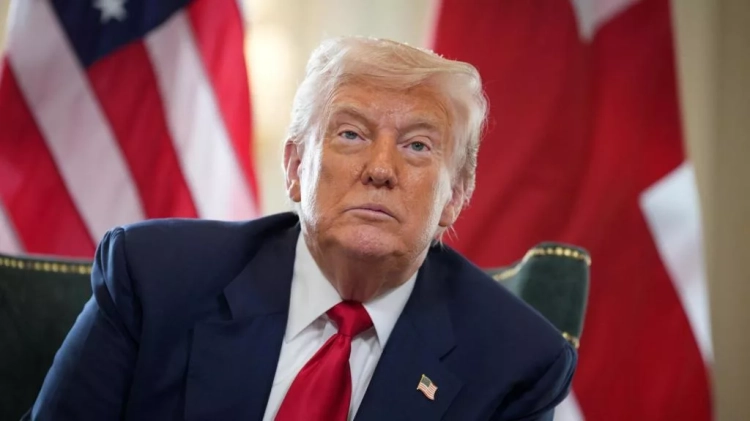
Trump hinted at the possibility of lifting sanctions against Iran.
He stated that this could become a reality if the new leadership of the country shows a willingness to cooperate.
Hostilities are ongoing and will continue until all our objectives are achieved, Trump noted.
We have serious tasks ahead, he added.
Trump also reported that Iranian officials "want to negotiate" with the U.S., but did not specify what exactly was being discussed, according to NBC News.
According to the press service of the Islamic Revolutionary Guard Corps, the American aircraft carrier USS Abraham Lincoln was forced to leave its usual area due to Iran's strike with four ballistic missiles.
Seven people were injured in Iran's attack near Jerusalem, the press reports.
One of the injured is in serious condition. A siren went off in Jerusalem earlier.
According to reports, a missile landed on a roadway in the Giva Tsarfatit area, damaging a vehicle.
The article "Iran struck its neighbors where it hurts the most: at the airports. What is happening in the hottest spot?" was first published on K-News.