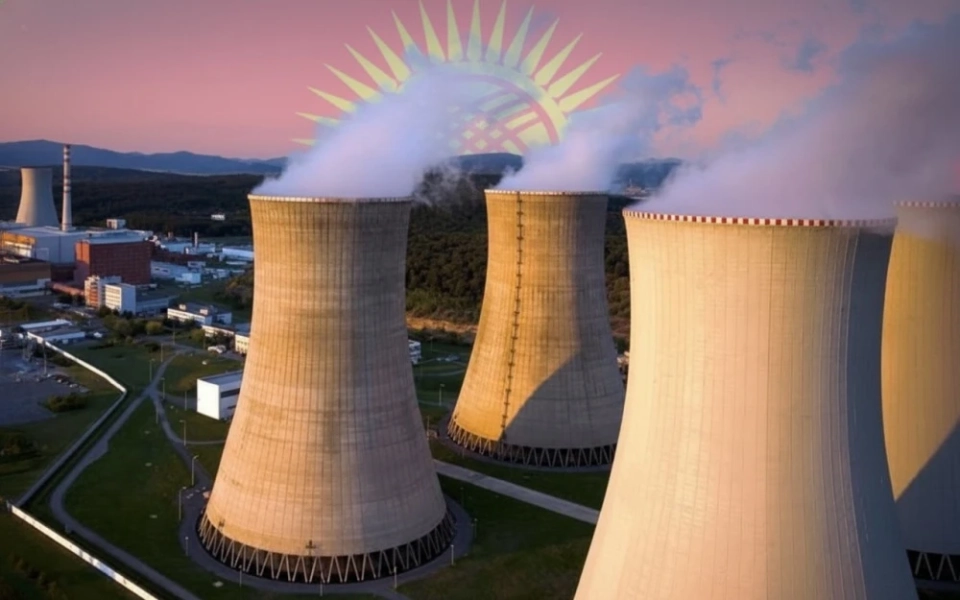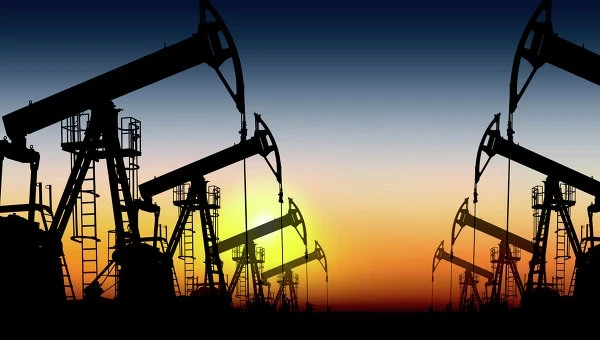
The 20th century was the era of oil, but modern realities, such as rare earth elements, electrification, and the development of artificial intelligence, are creating new conditions for the control of strategic resources, making them an important factor in shaping global power.
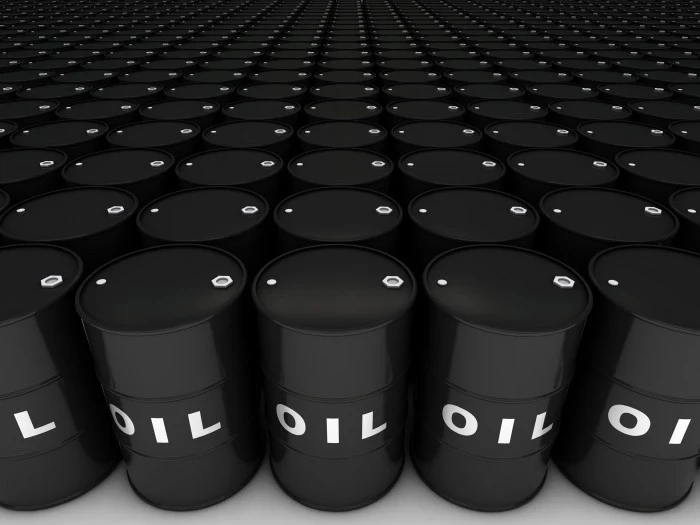
According to Euronews, for most of the last century, oil served as the foundation of the global economy.
This energy supported the operation of factories, transportation systems, and international trade, determining the wealth of nations and their dependence on external sources. Control over oil flows often became a tool for influencing inflation, production volumes, and even the outcomes of wars.
Despite changes, the influence of oil persists. Prices for black gold can trigger economic upheavals. Sharp price fluctuations spur inflation, complicate the work of central banks, and put pressure on government budgets. For many governments, energy security remains a relevant topic, especially in the context of rising geopolitical tensions.
However, in the context of changing global power, new resources such as rare earth elements are coming to the forefront, increasingly influencing the economy amid electrification and digitalization.
“In the Middle East — oil. In China — rare earth metals,” these words of Deng Xiaoping, spoken in the 1980s, seem particularly relevant today as rare earth elements become key in shaping the future.
The Shift from Oil to Rare Earth Elements
Oil still plays an important role in the global economy. Consumption exceeds 100 million barrels per day, and most experts predict that demand will remain high at least until the 2030s, despite an uneven transition to alternative energy sources.
Oil markets are characterized by flexibility and scale, allowing for the efficient transportation, storage, and trading of raw materials according to liquid standards. In the event of supply disruptions, the system is usually able to adapt, albeit with difficulties.
Rare earth elements, on the other hand, are not used to create energy and are not traded in the same volumes as oil.
These materials are the foundation of the technologies necessary for electrification, automation, and digital infrastructure.
Permanent magnets made from rare earth elements are key components in electric vehicles, wind turbines, robotics, aerospace systems, and modern military equipment.
Their significance is growing in data centers and infrastructure related to artificial intelligence.
The Development of the Magnetic Economy
At the Rare Earth Mines, Magnets & Motors (REMM&M) conference held in October 2025 in Toronto, Bank of America analyst Lawson Winder described what is at stake.
According to Bank of America, global demand for neodymium magnets — one of the key rare earth materials — could increase by an average of 9% per year until 2035.
The segment of passenger electric vehicles will contribute to growth of about 11% per year, while demand in robotics could rise by nearly 29%.
In the U.S., demand for magnets is expected to increase fivefold by 2035, which translates to about 18% per year. In Europe, demand may increase by approximately 2.5 times over the same period.
In comparison, global demand for oil during the same period is expected to grow at a significantly lower rate of less than 1% per year.
Supply Shortage of Rare Earth Elements
As demand for rare earth elements increases, Europe has almost no domestic capacity for their extraction and processing. Bank of America forecasts that the region will continue to experience a shortage, which will grow against the backdrop of increasing demand from an already high base.
China produces about 90% of rare earth oxides, such as neodymium and praseodymium, as well as nearly all of the output of heavy rare earth oxides, including dysprosium and terbium. Additionally, about 89% of the world's production of rare earth magnets also comes from China.
In terms of processing, Bank of America estimates that China accounts for about 87% of global capacity for converting mined rare earth materials into finished products for manufacturers.
In terms of unprocessed raw materials, China holds approximately 49% of the world's reserves of rare earth oxides and produces about 69% of all unseparated raw materials.
Thus, rare earth elements create a structural vulnerability. This is not just a raw materials market, but rather a manufacturing system where scale, expertise, and integration play a more significant role than just geology.
The main issue lies in processing, refining, and producing magnets, which is a complex, environmentally unfriendly process that requires significant investments.
China's export restrictions, introduced in April 2025, only highlight this vulnerability. Now, licenses and information about end-use are required for the export of a number of medium and heavy rare earth elements.
“Physical AI” puts materials in the spotlight
Jordi Visser, head of macro research at 22V Research, views rare earth elements as part of a broader picture: the implementation of “physical AI.”
“The implementation of physical AI creates a critical dependence on resources, where China occupies a dominant position,” he noted in his recent report.
Artificial intelligence includes not only software and server capacities but also hardware: robots, sensors, motors, batteries, and energy systems.
“Rare earth elements are necessary for permanent magnets, lithium, and advanced battery materials for portable AI systems and energy storage, as well as recycled materials such as purified graphite and cobalt, for which there are almost no capacities in the West,” explains Visser.
He also emphasizes that this is not just a matter of strategy, but also of timing.
“Even in the rush to build AI infrastructure, the U.S. and Europe remain dependent on Chinese processing capacities,” warns Visser. “This strategic vulnerability cannot be eliminated within the timeframes required by technology.”
Control Over Critical Bottlenecks
Despite the push for decarbonization of the global economy, oil remains irreplaceable. Its price affects inflation expectations and still shapes international trade balances.
However, in this new industrial era, where automation, electrification, and AI come to the forefront, it is rare earth elements that are becoming increasingly significant in determining what can be created and who has the right to do so.
“This opens up huge opportunities for manufacturers and creates serious challenges for governments and end users seeking to protect their supply chains,” says Winder.
In this new world, dominance is increasingly linked not to control over fuel, but to control over critical bottlenecks. Oil still defines the present, but it is rare earth elements that are increasingly determining who will be able to build the future.