The region is concerned about the consequences of possible military intervention
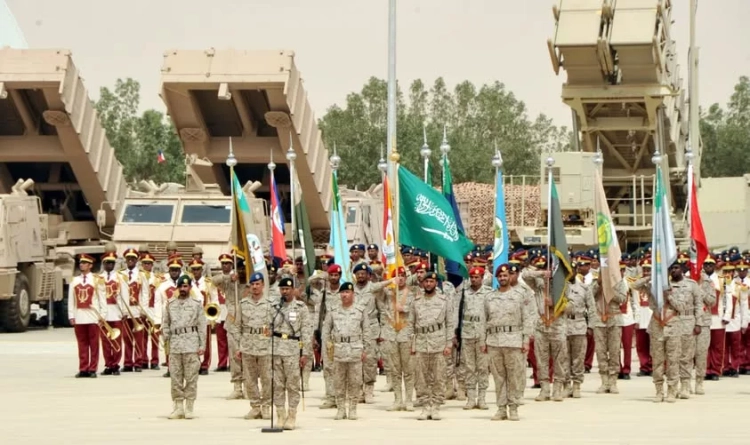
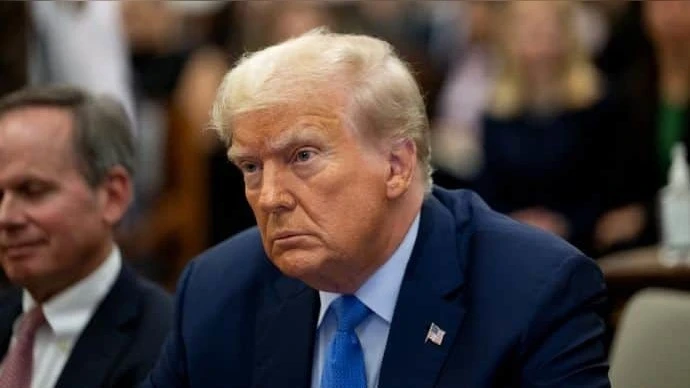
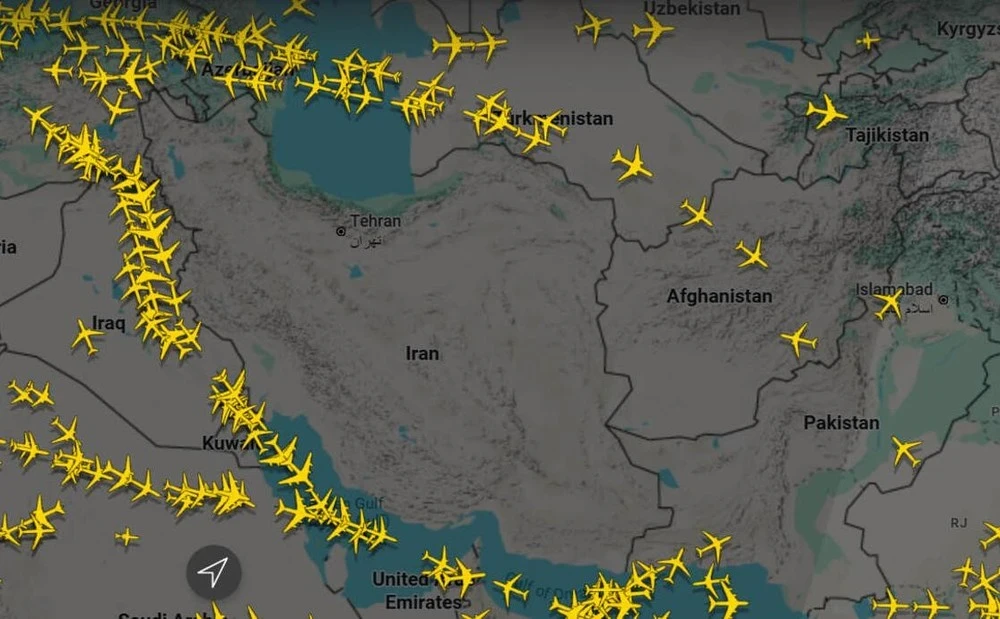
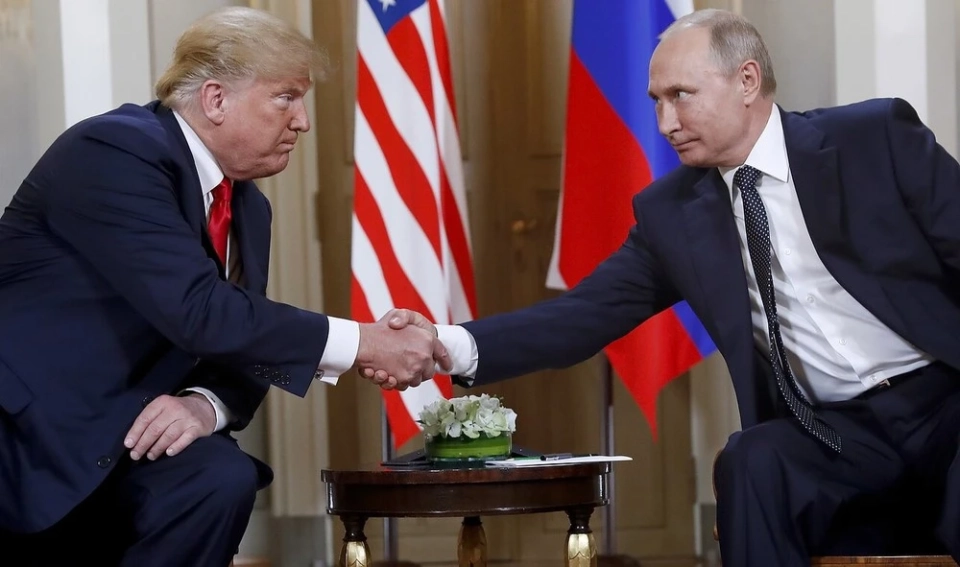
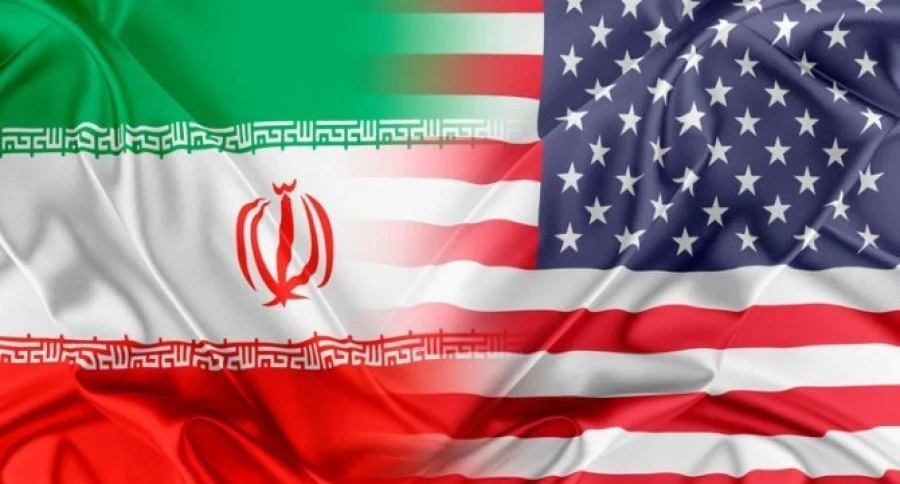
Saudi Arabia, Oman, and Qatar are actively trying to convince U.S. President Donald Trump not to take military action against Iran, fearing "serious consequences for the region." This was reported by "Zerkalo," citing AFP and its sources.
According to a senior Saudi official, "the three Gulf countries made urgent diplomatic efforts at the last moment to persuade Trump to allow Iran to demonstrate its good intentions. Negotiations are currently ongoing to build trust and maintain a positive atmosphere," AFP reports.
As reported by the Financial Times, other Middle Eastern states are also influencing Trump. Intense diplomatic efforts, including negotiations between Iran and the U.S. administration, have contributed to a reduction in tensions in the Persian Gulf, sources close to Arab governments claim. Countries such as Egypt, Turkey, Saudi Arabia, Qatar, and Oman are urging Washington to exercise restraint, warning of potential harm to neighbors in the event of a strike, which could lead to rising global oil and gas prices.
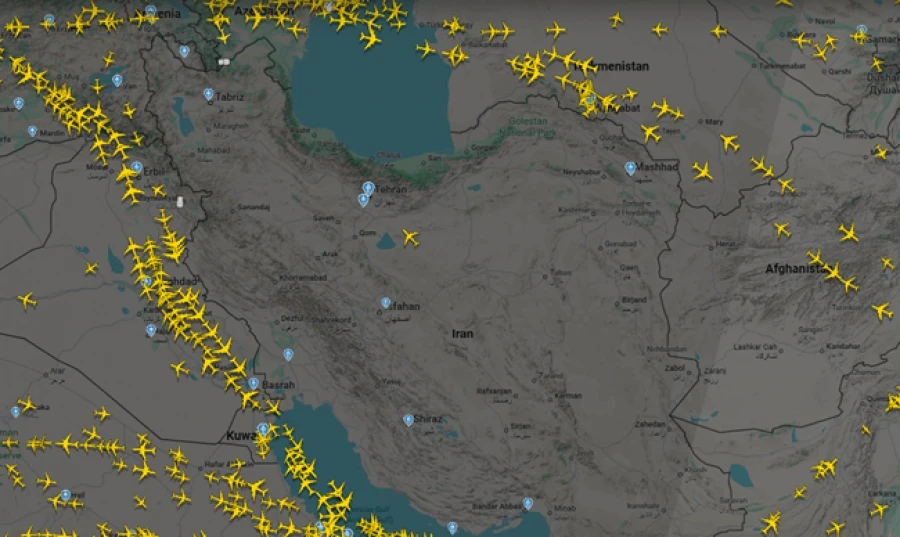
The Wall Street Journal previously reported that Saudi Arabia, Oman, and Qatar are strongly advising the White House against military action, claiming that an attempt to overthrow the Iranian regime would destabilize oil markets and ultimately harm the U.S. economy. Saudi officials assured Tehran that they would not participate in any potential conflict and would not allow the U.S. to use their airspace for strikes.
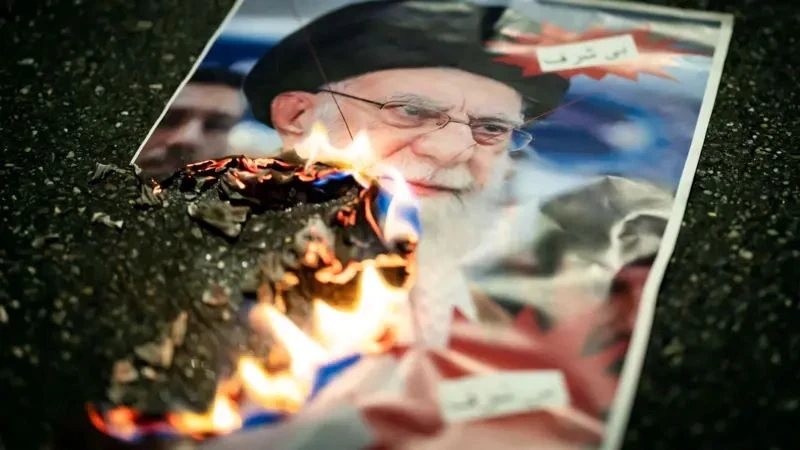
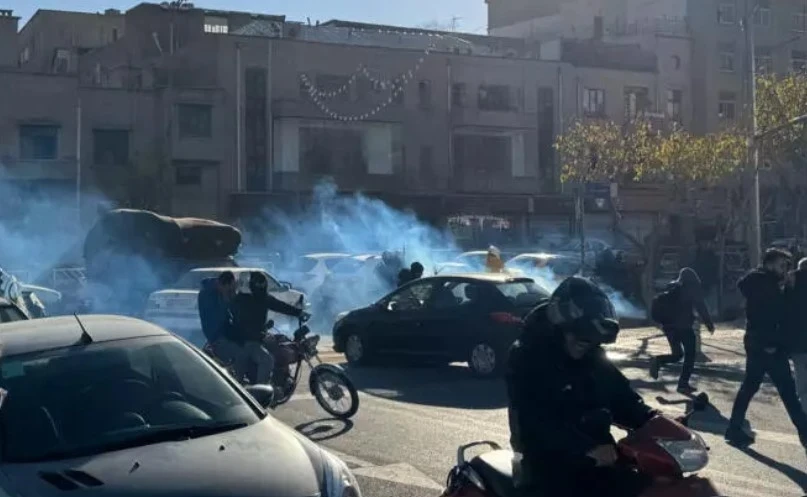
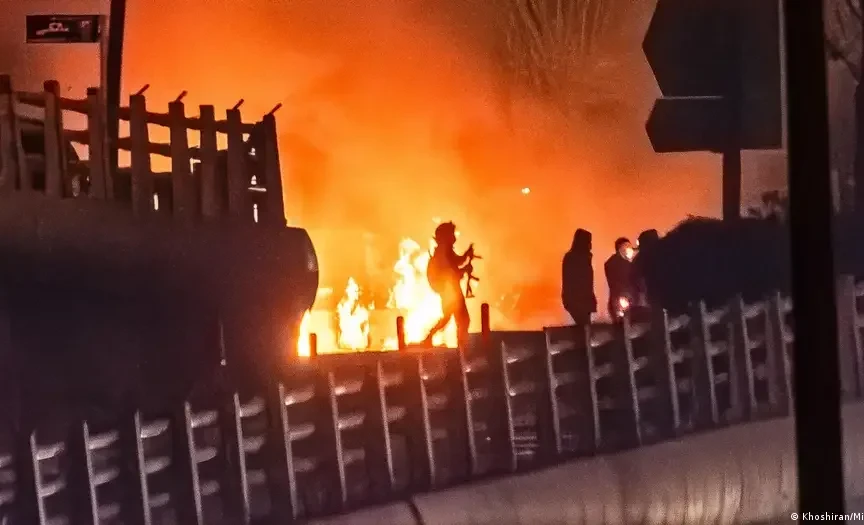
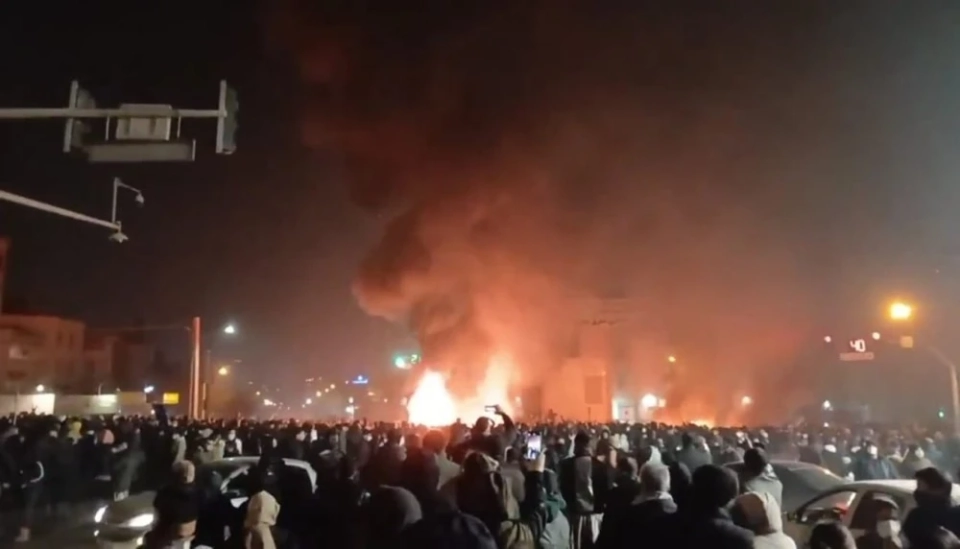
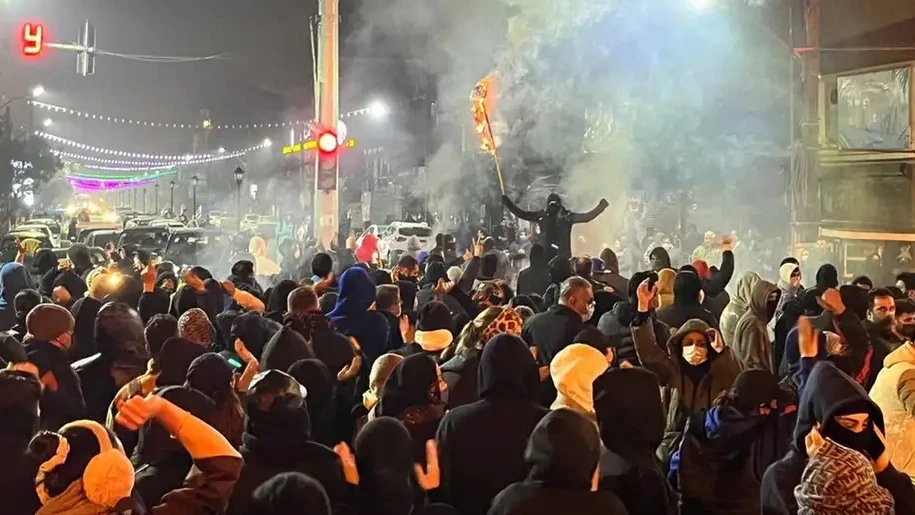
Iran, for its part, confirmed to Trump that there would be no executions of protesters and that the number of deaths resulting from the suppression of protests is significantly lower than reported, according to FT.
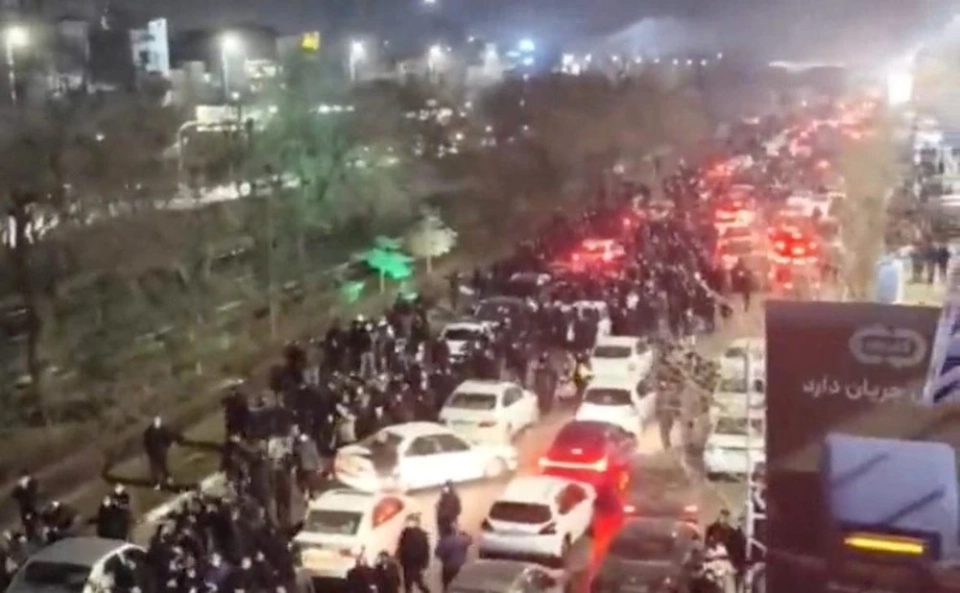
An Iranian official who spoke to Reuters stated that the death toll is around 2,000 people, including both protesters and security personnel. According to observers, the number of casualties may exceed 2,500. One video shows numerous bodies in bags near a morgue in Tehran.
Trump and his administration have repeatedly hinted at the possibility of a military operation, promising protesters that "help is on the way." On Wednesday, personnel and aircraft were withdrawn from an airbase in Qatar, where about 10,000 American troops are stationed. The U.S. also decided to move an aircraft carrier strike group from the South China Sea to the Middle East, raising speculation about an imminent strike on Iran.
However, by Wednesday evening, Trump announced in the Oval Office that he had received assurances that Iran had stopped shooting protesters and does not plan any executions.
There are hopes that dialogue between Tehran and Washington, possibly with the mediation of third parties such as Russia or Oman, could lead to further negotiations in the coming days, noted the FT source.
Photo www