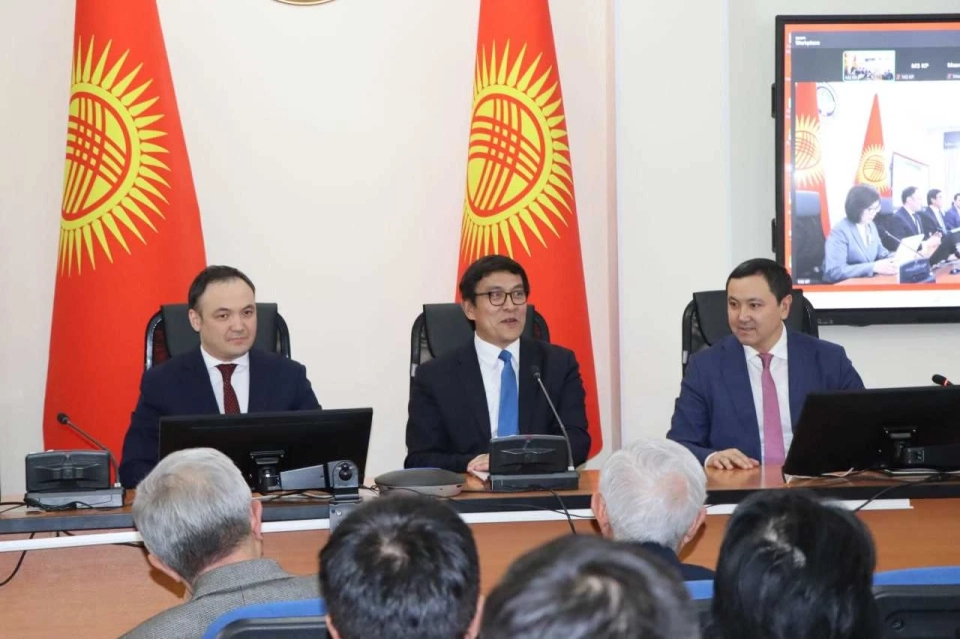
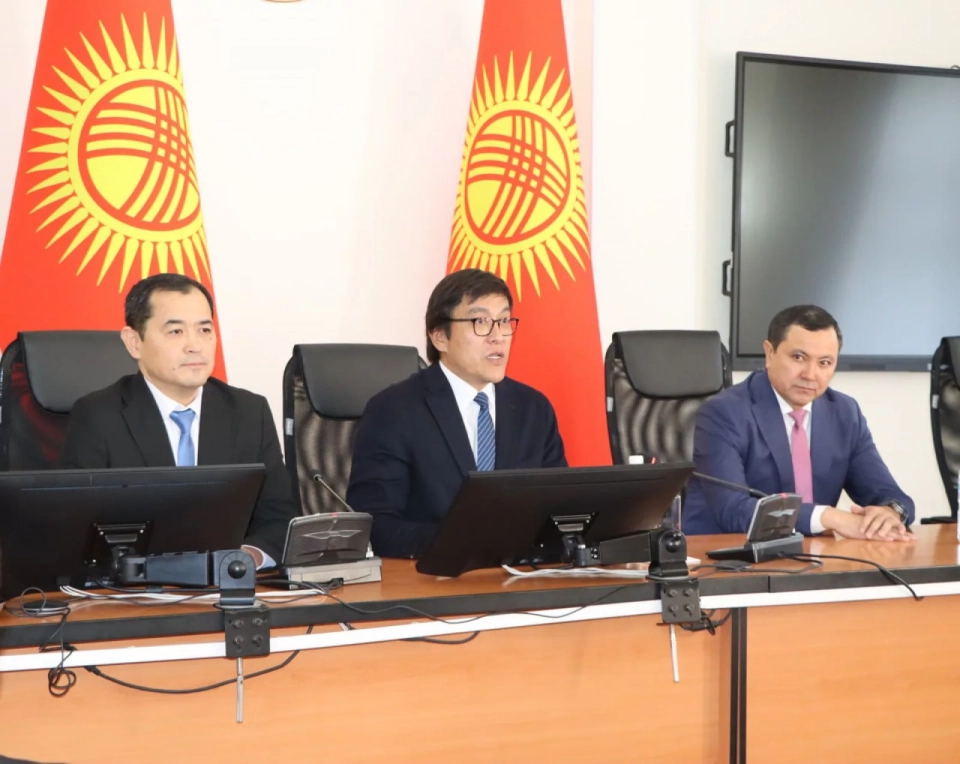
Edil Baisalov, who serves as the Deputy Chairman of the Government of Kyrgyzstan, has become one of the key experts whose opinion was considered in this publication. His analysis is based on thirty years of experience in Kyrgyzstan and Central Asia.
Since the 1970s, Saudi Arabia has actively used its oil revenues to spread ultra-conservative Sunni Islam, which has also affected post-Soviet Central Asia, where an ideological vacuum was created in the 1990s and early 2000s after the collapse of the USSR.
According to Baisalov, funds from Saudi Arabia and other Gulf countries "literally flooded Kyrgyzstan with mosques and madrasas," contributing to the formation of a whole generation of radicals.
He emphasized that many of these individuals eventually joined groups such as the Islamic State and Al-Qaeda.
Baisalov also noted that this is not about the traditional Islam of the region, but rather about an imported ideology that poorly aligns with local culture and secular lifestyles.
The publication points out that changes began to occur after 2017, when Saudi Arabia's Crown Prince Mohammed bin Salman (often referred to as MBS) started to limit the powers of the religious establishment, disbanded the religious police, and ceased funding ultra-conservative missionary activities abroad.
"With the arrival of Mohammed bin Salman, everything changed for us. We have passed the peak. Our era of modernization in the Middle East opens a new chapter," Baisalov noted.
He added that changes are already visible: citizens of Kyrgyzstan working or traveling in the Gulf encounter a more modern and open society where women actively participate in educational and social processes. A similar experience is also being had by millions of Muslims visiting Saudi Arabia during the Hajj.
The publication emphasizes that now the official religious structures of the kingdom focus on interfaith dialogue and peaceful coexistence rather than confrontation. At the same time, isolated acts of violence committed by self-radicalized individuals do not reflect the overall historical trend and represent the inertia of a fading era.
The experience of Kyrgyzstan, as noted by The Wall Street Journal, confirms that the wave of radicalization has reached its peak and has begun to decline.
"We are indeed entering a new era," Edil Baisalov summarized.