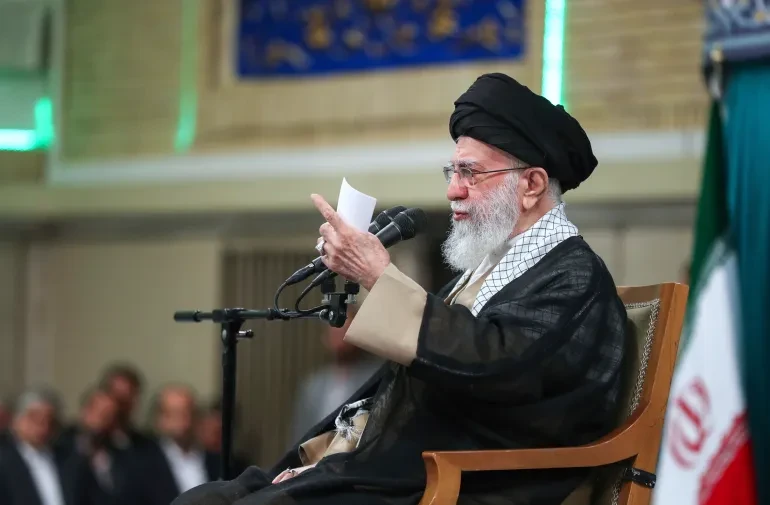
Some aspects of the recent operation remain unknown, and they may never be disclosed to protect the methods and sources that continue to be used to track other targets, reports The Financial Times.
The decision to eliminate Khamenei was made at a political level, rather than solely as a result of technological advancements. Plans to strike Iran had been developed over several months. However, the details were altered after U.S. and Israeli intelligence confirmed that Khamenei, along with his senior aides, would be at his Tehran complex on Saturday morning.
With the onset of full-scale war, the "hunt" for them will become significantly more difficult: Iranian authorities will quickly implement pre-prepared concealment measures, including moving to underground bunkers that are resistant to Israeli attacks.
Unlike his ally Hassan Nasrallah, the leader of Hezbollah, Khamenei did not remain constantly in hiding. Nevertheless, in wartime, he did take certain precautions. "It was unusual for him to be outside a bunker — he has two of them. If he had been there, Israel would not have been able to reach him with its bombs," the source indicated.
The U.S. President publicly expressed dissatisfaction with the slow progress in negotiations; however, according to the source, in private conversations, Trump was "disappointed with Iran's responses," which led to an escalation of the conflict.
Israeli intelligence used data from electronic intelligence, including hacked surveillance cameras and mobile networks. However, U.S. agencies had an even more precise source of information — a person.
This enabled Israeli aircraft, which had been airborne for several hours, to carry out up to 30 precision strikes. Israeli military officials noted that the choice of timing for the daytime strike provided a tactical advantage. "The decision to attack in the morning rather than at night allowed Israel to achieve a second strike with surprise, despite Iran's high readiness," they added.
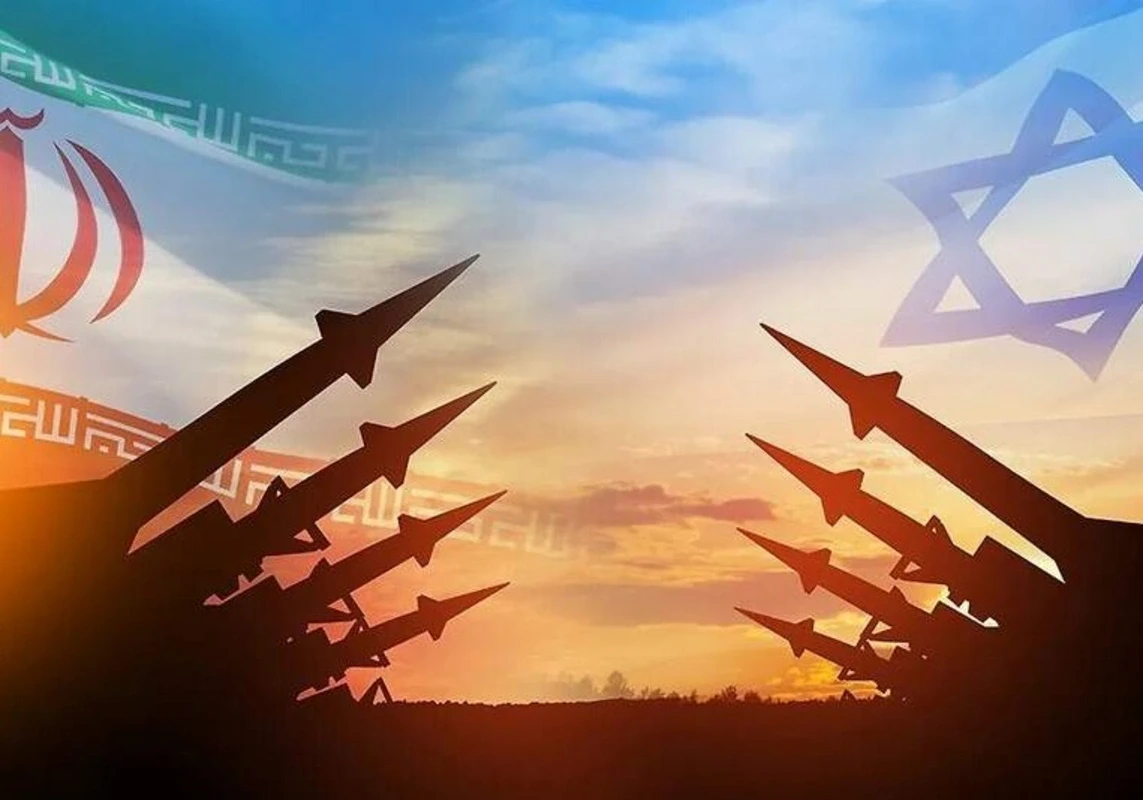
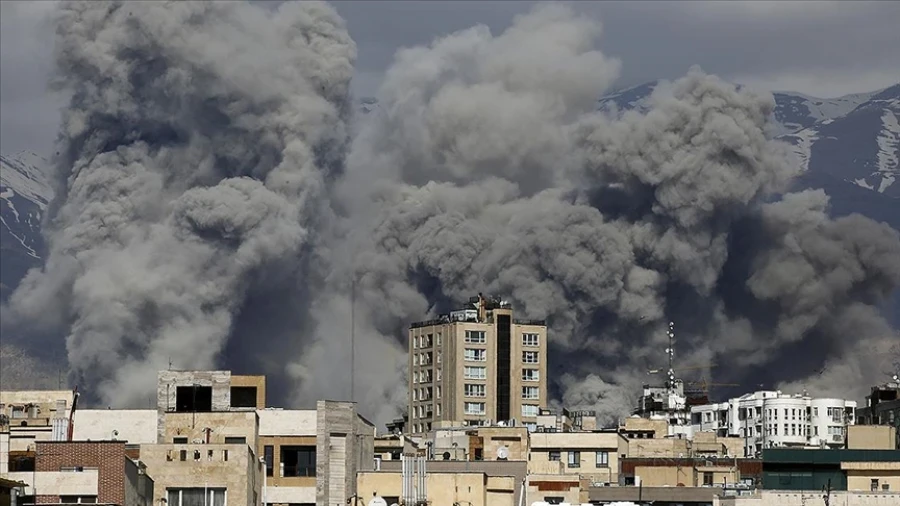
According to media reports, hostilities, primarily airstrikes and missile attacks, continue.
The Saudi Ministry of Defense confirmed information about the attack on the U.S. embassy in Riyadh.
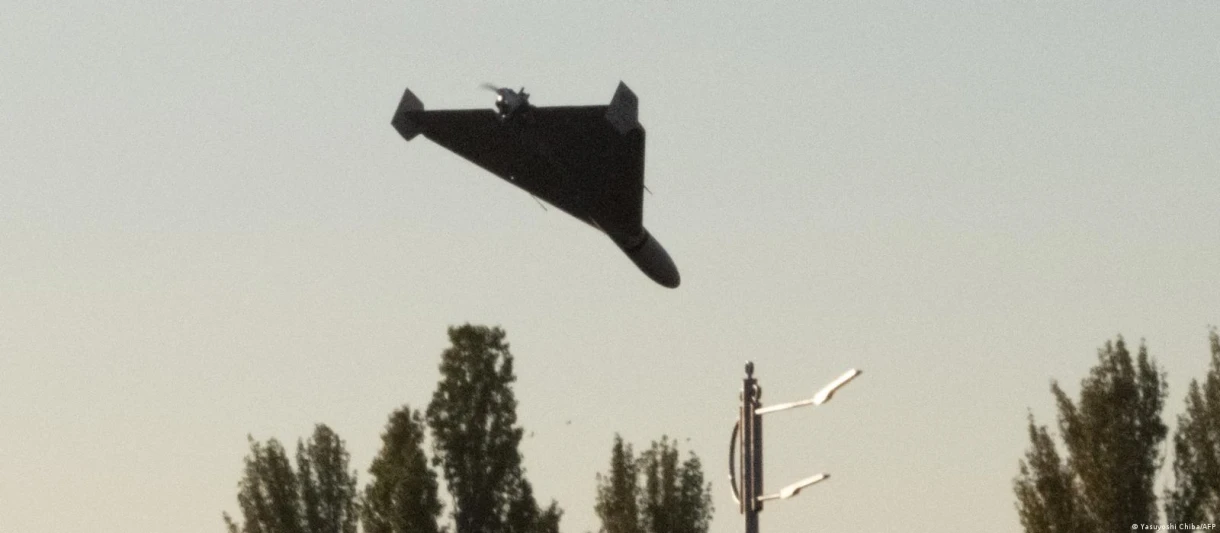
The diplomatic mission was attacked by two drones, leading to a fire on the embassy grounds, the ministry reported.
Iran attacked Israel with missiles equipped with cluster munitions, according to Mehr news agency.
Fighters from the Iraqi pro-Iranian group Saraya Awliya al-Dam carried out an attack on a hotel in Erbil using a kamikaze drone, claiming that American soldiers were present there.
Information about the attack and the presence of American troops in the hotel was confirmed by Reuters.
Iranian Major General Ibrahim Jabari stated on Iranian television that the IRGC had closed the Strait of Hormuz to shipping and would attack vessels attempting to pass through it.
"The Strait of Hormuz is closed. We will attack and burn every ship that tries to pass. (Ships attempting to pass) will be burned by our heroes from the Naval and Ground Forces of the Revolutionary Guard," Jabari declared.
"Do not come to this region. The price of oil has reached $82, and the world expects it to rise to at least $200. We will also attack pipelines and will not allow a drop of oil to be exported from the region," he added.
The first response from the U.S. soon followed.
"CENTCOM asserts that the Strait of Hormuz is not closed, despite statements from the Islamic Revolutionary Guard Corps (IRGC). Iran is not patrolling the strait, and there are currently no signs of its mining. 80% of their oil goes to China. Mining the strait could harm Iran and its key ally," Fox News journalist Jennifer Griffin wrote on social media X.
Vice President J.D. Vance stated that the U.S. has multiple options for conducting a military operation against Iran, which could extend for a long time.
"The President has made it clear that the United States has many options for action. We can continue for some time or significantly longer," Vance noted on Fox News.
U.S. Secretary of State Marco Rubio warned that Iran faces more serious strikes from American forces.
"I am not going to disclose the details of our tactical efforts, but the heaviest strikes from the U.S. military are still ahead. The next phase will be even harsher for Iran," Rubio noted.
He added that the operation in Iran will take as long as necessary.
"We have clear objectives. We will act as long as it takes to achieve them," the Secretary of State emphasized.
"The goal of this operation is to destroy their ballistic missile capability and ensure that they cannot restore it," Rubio added.
According to WP, half of Americans oppose attacks on Iran.
The Washington Post conducted a quick survey among a thousand Americans to gauge their opinions on U.S. military strikes against Iran. The majority expressed opposition to this. Specifically, 13% of respondents chose the option "somewhat oppose," while 39% voted for "strongly oppose." Only 22% of survey participants fully support Trump's actions.
Most respondents believe that Trump has not clearly articulated the goals of Operation Epic Fury. At the same time, about half of those surveyed believe that the actions of the U.S. military will contribute to the long-term security of the U.S. and wish to halt the development of Iran's nuclear program.
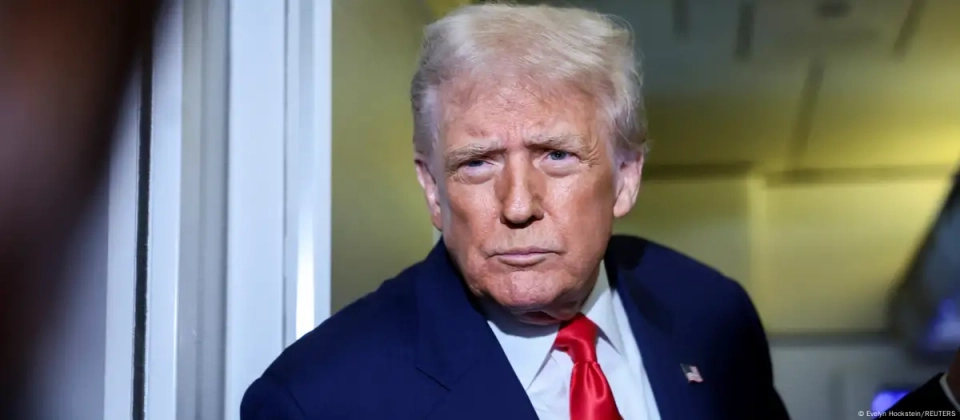
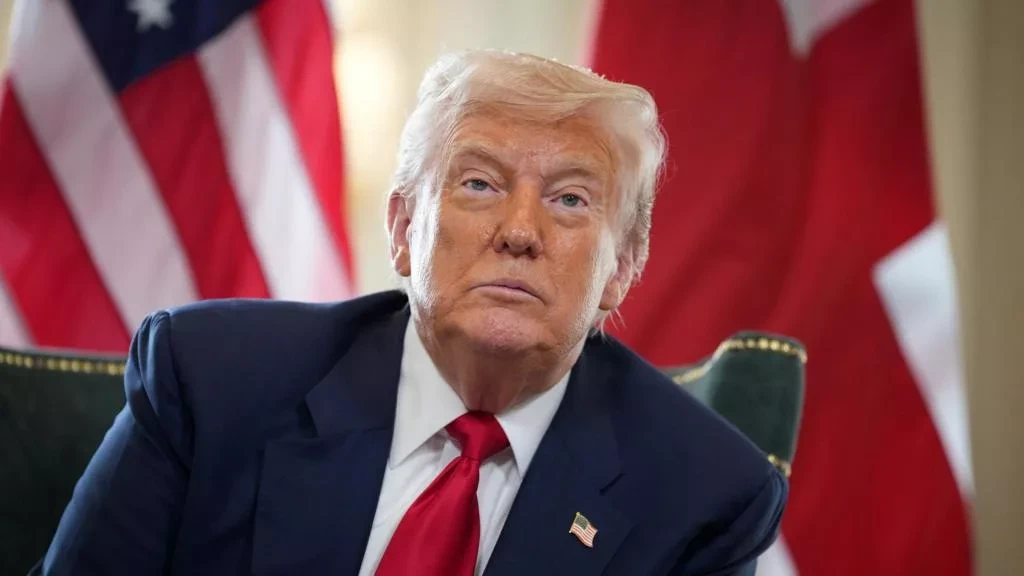
Donald Trump: I won't get bored. If I were to get bored, I wouldn't be standing here.
According to the U.S. President, the goal of the operation in Iran is to destroy missile production and the fleet, as well as to prevent the acquisition of nuclear weapons and funding for terrorists in other countries:
"We have the most powerful army in the world. And we will win easily. We are already ahead of schedule. No matter how long it takes, we will achieve our goal. We planned for 4-5 weeks, but we are ready to fight for as long as it takes. The media says I will lose interest in a week or two. I won't get bored. If I were to get bored, I wouldn't be standing here."
The U.S. President also stated in a phone interview with CNN that American forces are "smashing Iran to pieces," but "a big wave" is still ahead:
"We are smashing them to pieces. I think everything is going very well. This is very powerful. We have the best army in the world, and we are using it."
When asked whether the U.S. is taking any actions beyond military strikes to help the Iranian people, Trump replied: "Yes":
"Yes, we are doing that. But right now we want everyone to stay home. It is not safe outside. We haven't even started hitting them hard yet. The big wave has not yet come. It will come soon."
The post Americans had an intelligence source in Khamenei's circle. The war in Iran continues appeared first on K-News.