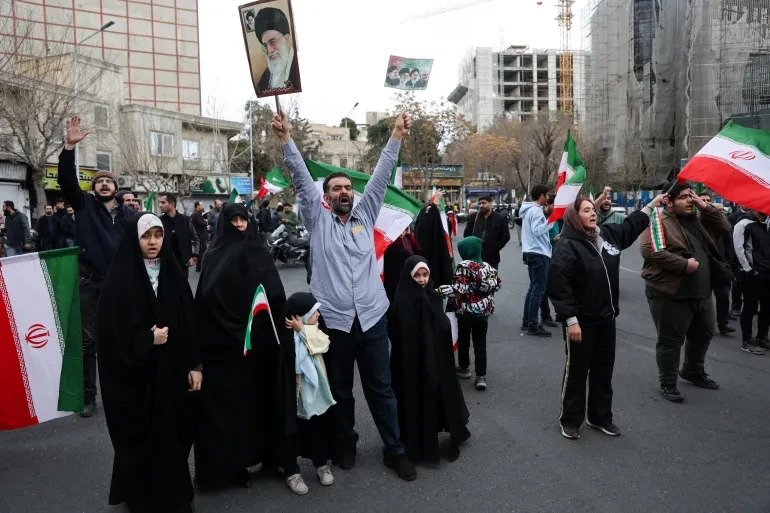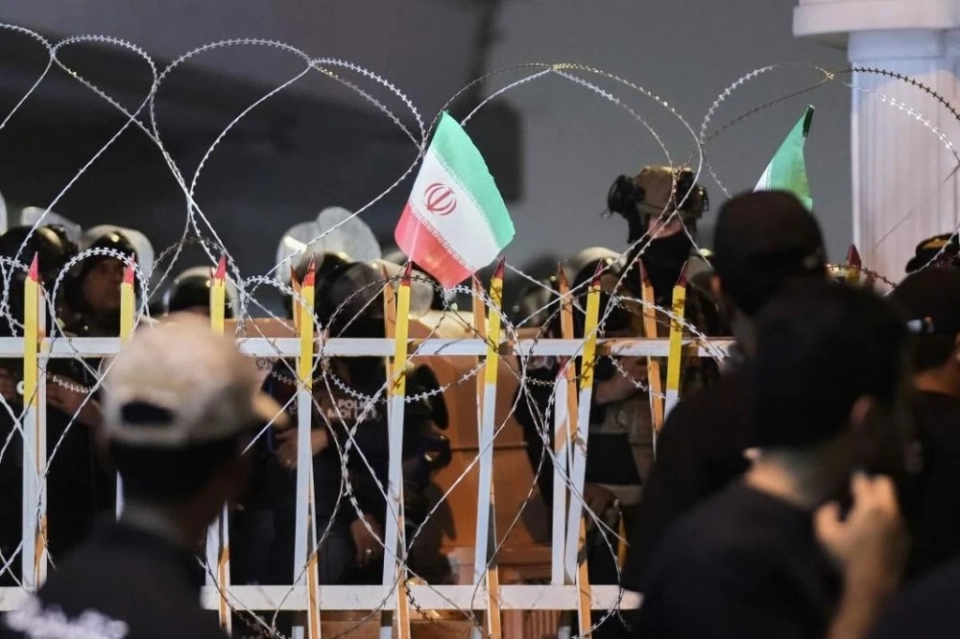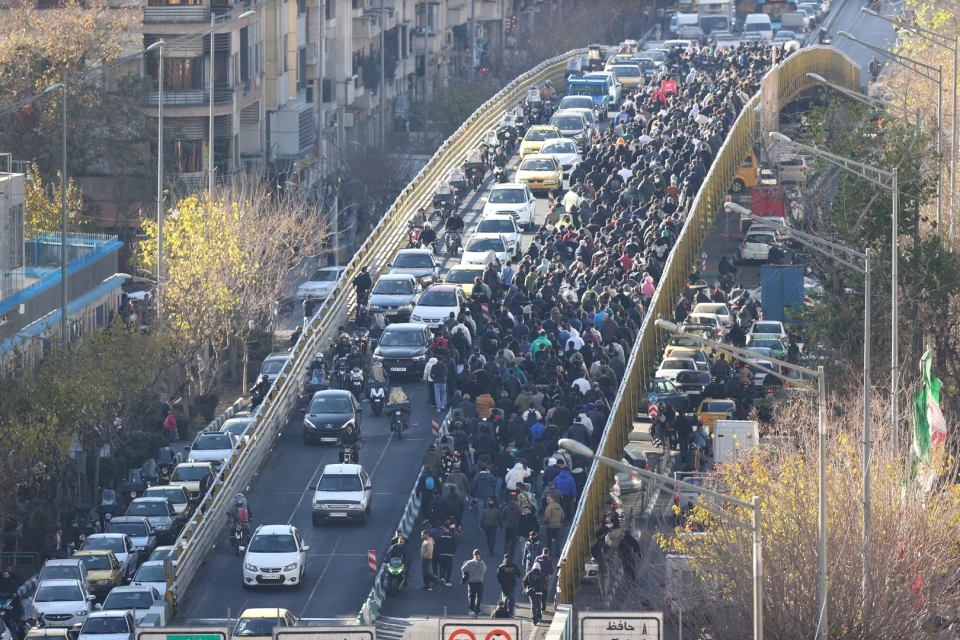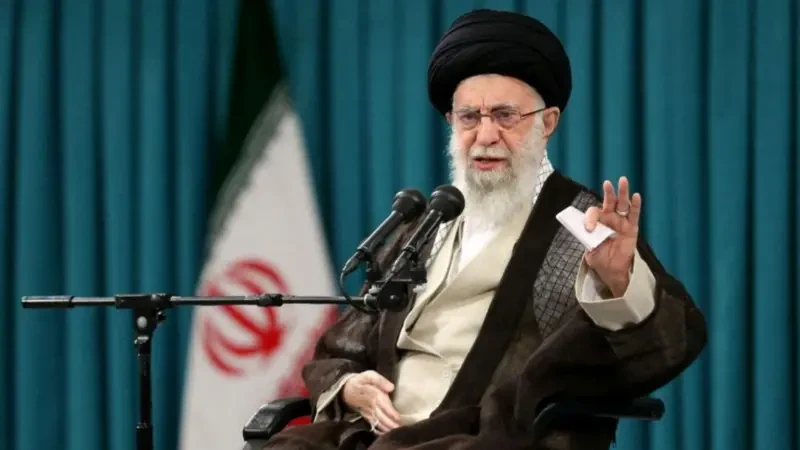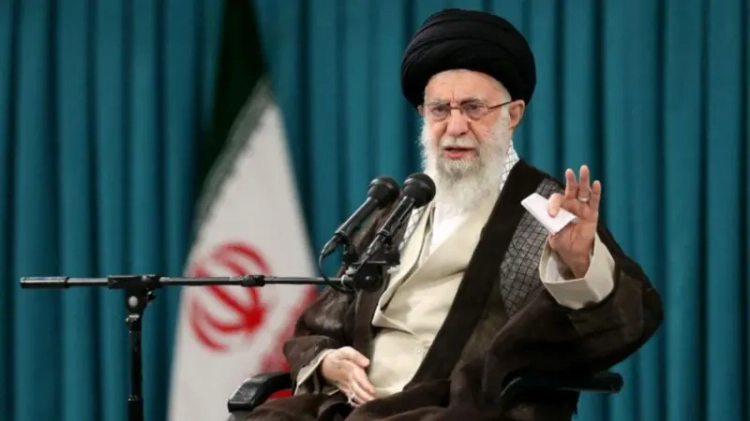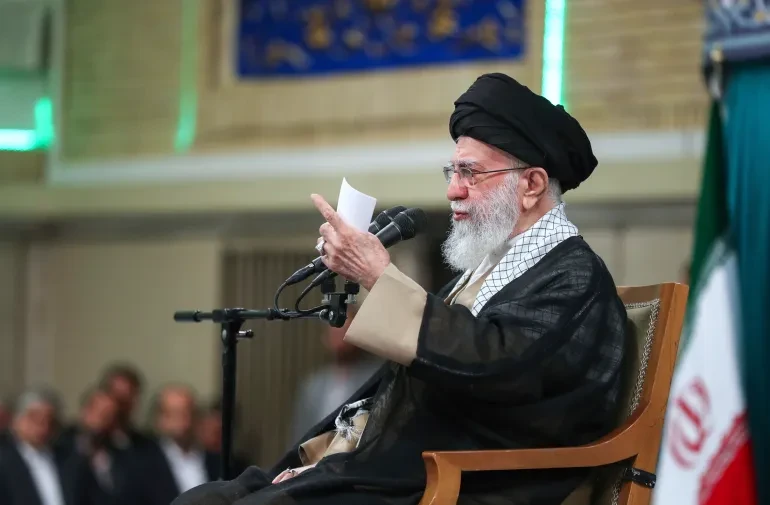
The death of Ayatollah Ali Khamenei has been confirmed by Iranian state television.
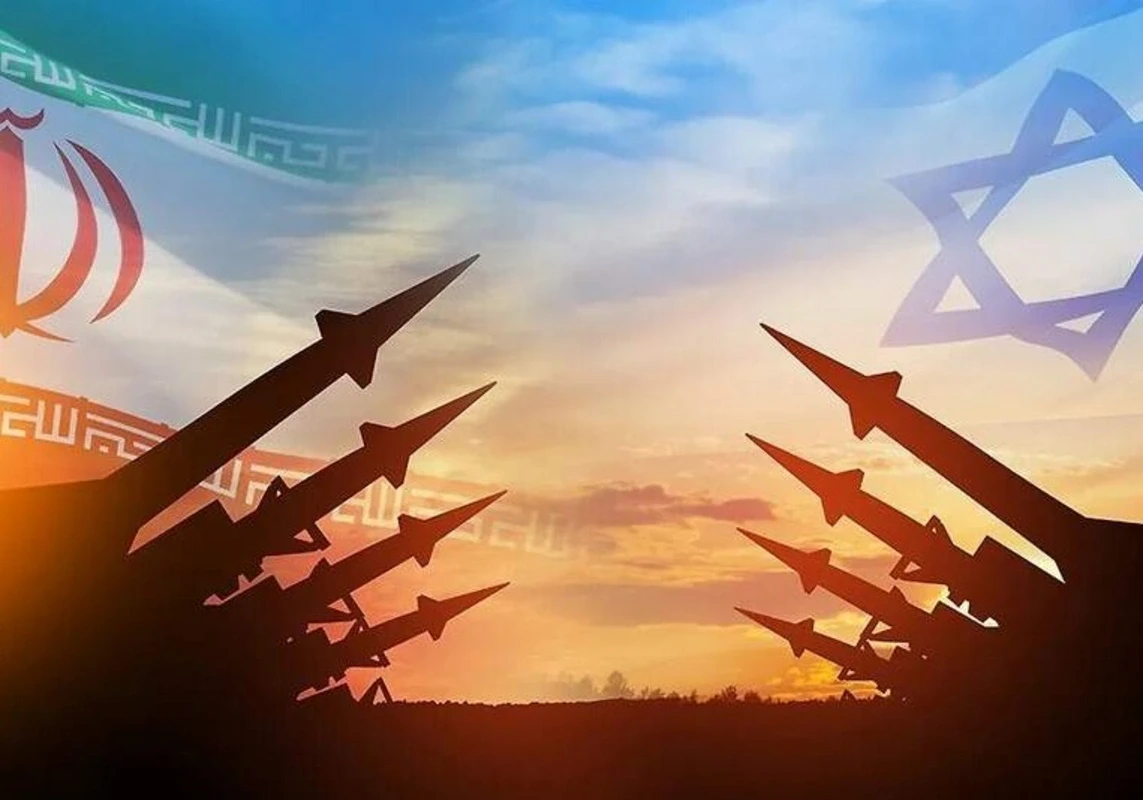
The tragic incident occurred on the morning of February 28, at the moment when the United States and Israel carried out airstrikes on Iran.
The state agency IRNA emphasized that "he fell a martyr's death."
In connection with this loss, a 40-day mourning period has been declared in the country, and the upcoming week will be a non-working week in memory of the deceased ayatollah.
Earlier, U.S. President Donald Trump stated that Ayatollah Ali Khamenei was killed as a result of an airstrike; however, Iranian authorities denied this information. The Iranian side denied the reports of the Supreme Leader's death.
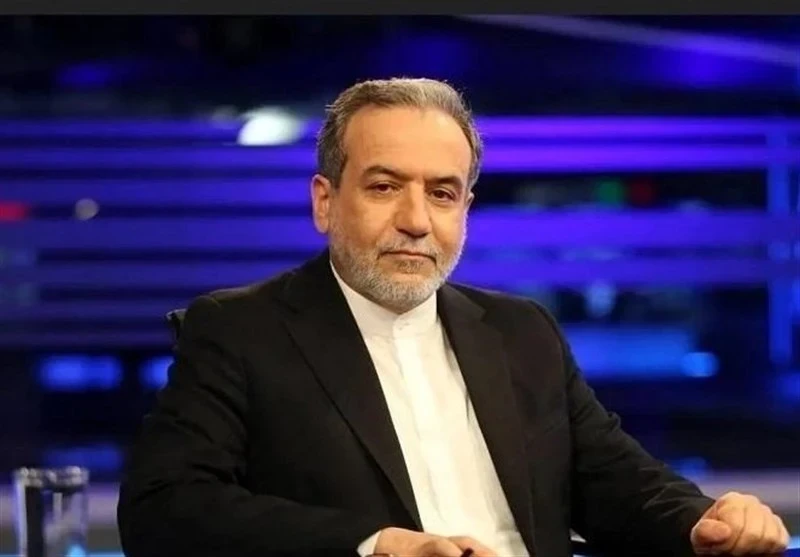
Iran's First Vice President Mohammad Mokhber stated that the responsibilities of the departed leader will be assumed by the president, the head of the judiciary, and one of the members of the Guardian Council.
“The president, the head of the judiciary, and one of the members of the Guardian Council of Iran will temporarily perform the duties of the Supreme Leader,” Mokhber's words were quoted by the IRNA agency.
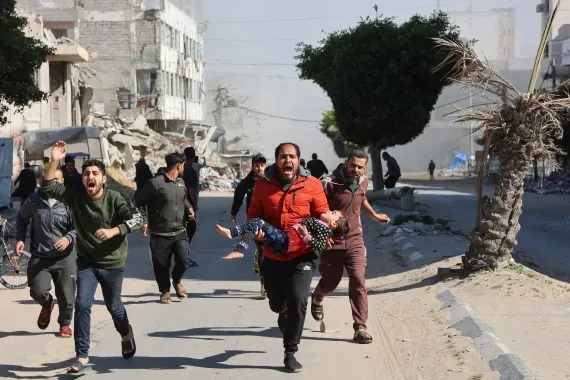
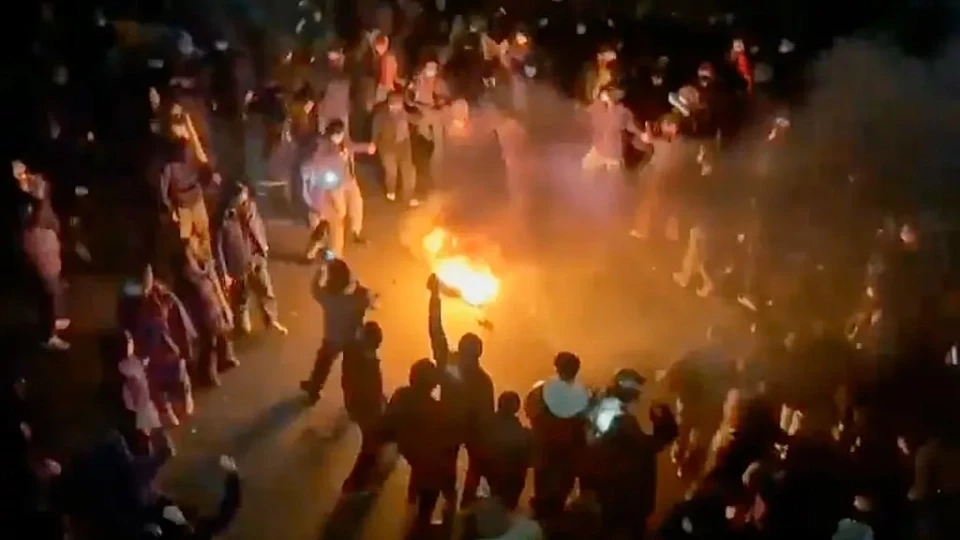
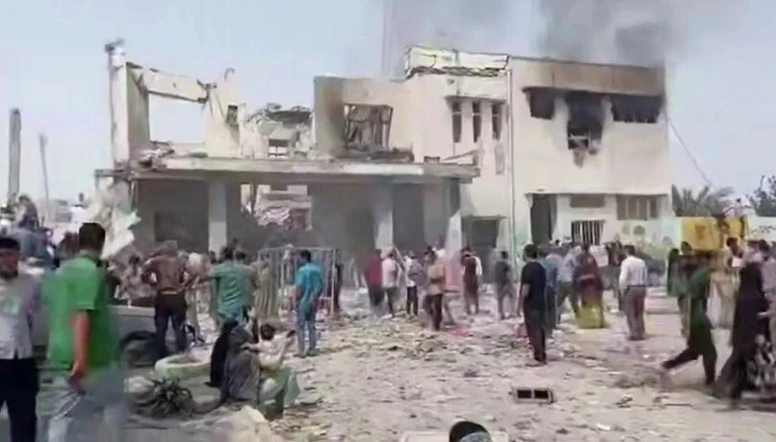
The Saturday strikes by the U.S. and Israel on targets in Iran, including the capital, resulted in destruction and casualties among the civilian population. In response, Iran carried out missile strikes on Israeli territory and U.S. military facilities in the region.
According to the Fars News Agency, linked to the Islamic Revolutionary Guard Corps, the terrorist attacks resulted in the deaths of the daughter, son-in-law, and grandson of Ayatollah Khamenei. There are also reports of the death of one of Khamenei's daughters-in-law.
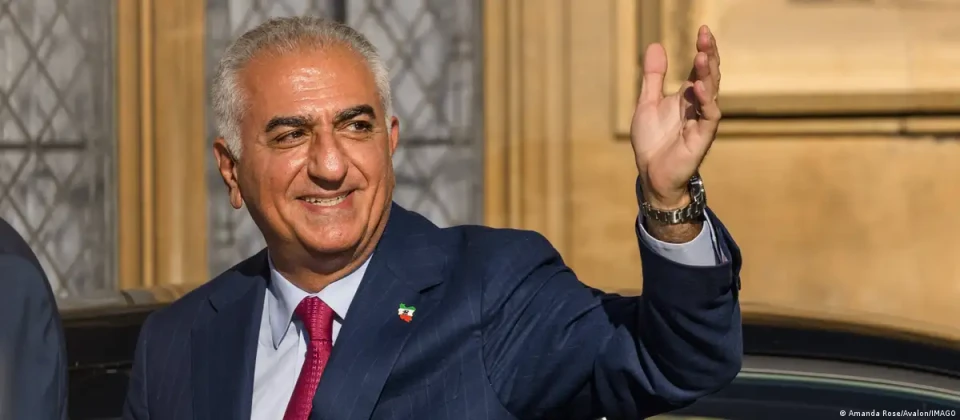
Ali Khamenei was born in 1939 in Mashhad into a family of a religious figure and joined the opposition movement of Ayatollah Khomeini against Shah Mohammad Reza Pahlavi in 1962.
After the Islamic Revolution of 1979, Khamenei took the position of Deputy Minister of Defense and contributed to the establishment of the Islamic Revolutionary Guard Corps (IRGC).
After Khomeini's death in 1989, the Assembly of Experts elected Khamenei as the new Supreme Leader, despite the fact that he had not reached the necessary status among the Shia clergy — marja' taqlid or grand ayatollah. Amendments were made to the constitution allowing him to become an ayatollah and assume the position of Supreme Leader.
Khamenei maintained strict control over the country's domestic policy and armed forces, suppressing any challenges to his authority, even using force.
The ayatollah also held a hardline stance on foreign policy, including the conflict with the United States.
He expressed distrust of the West, especially the U.S., and repeatedly spoke about the necessity of eliminating Israel, as well as questioning the fact of the Holocaust.
During his rule, Khamenei, who raised six children, saw seven presidents change in Iran.