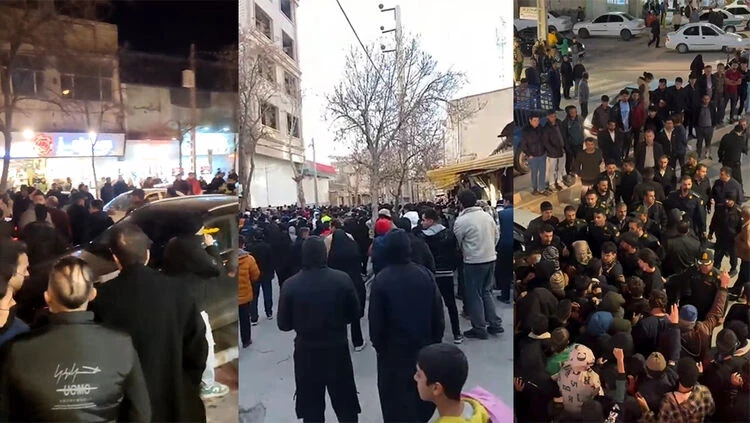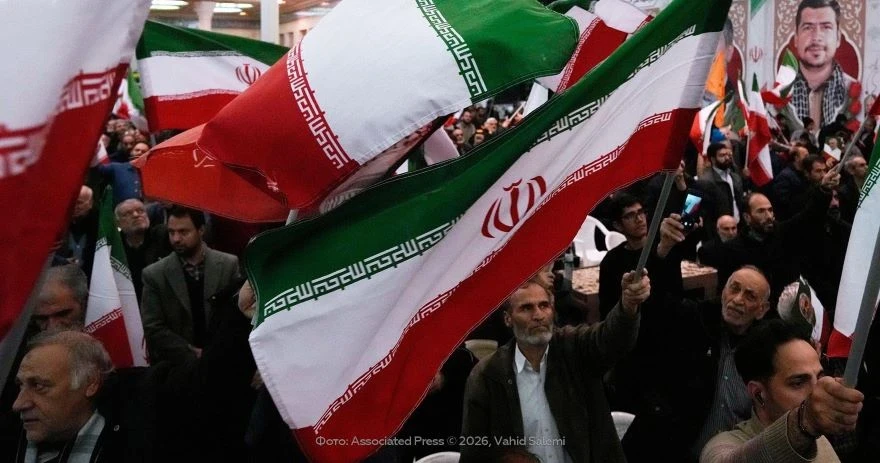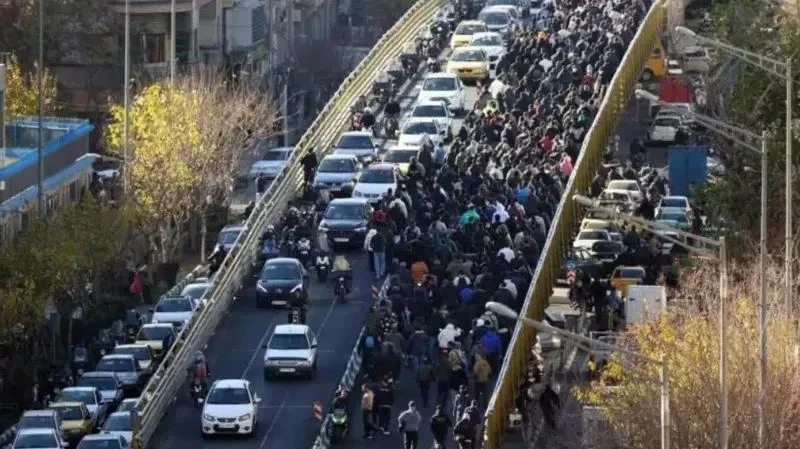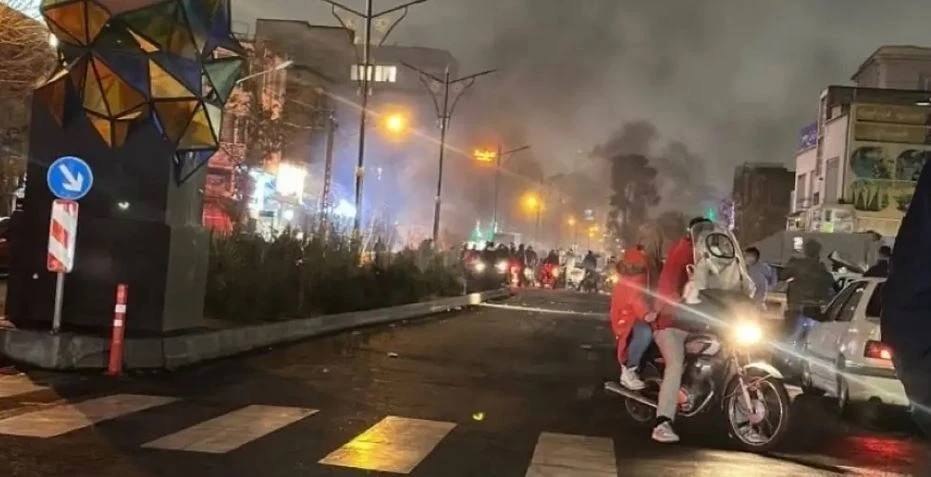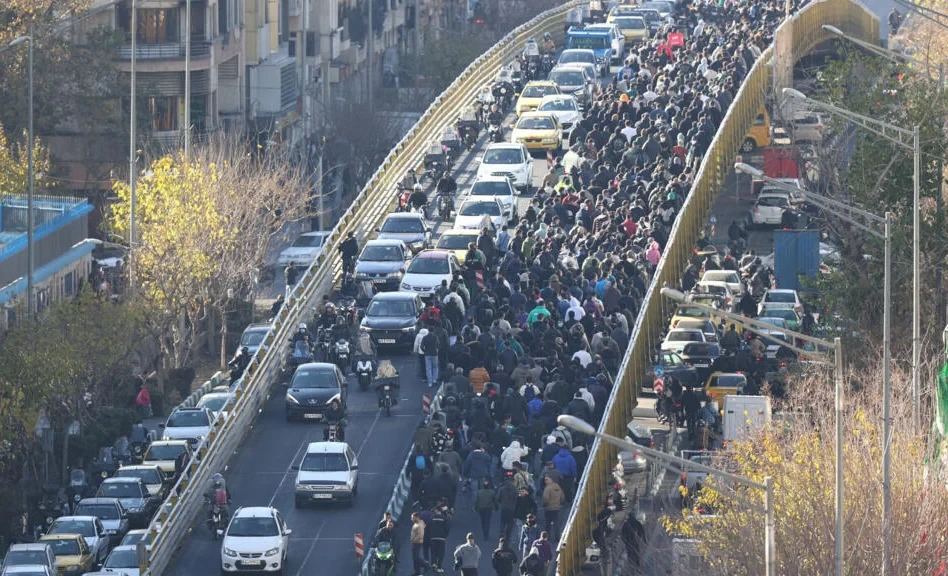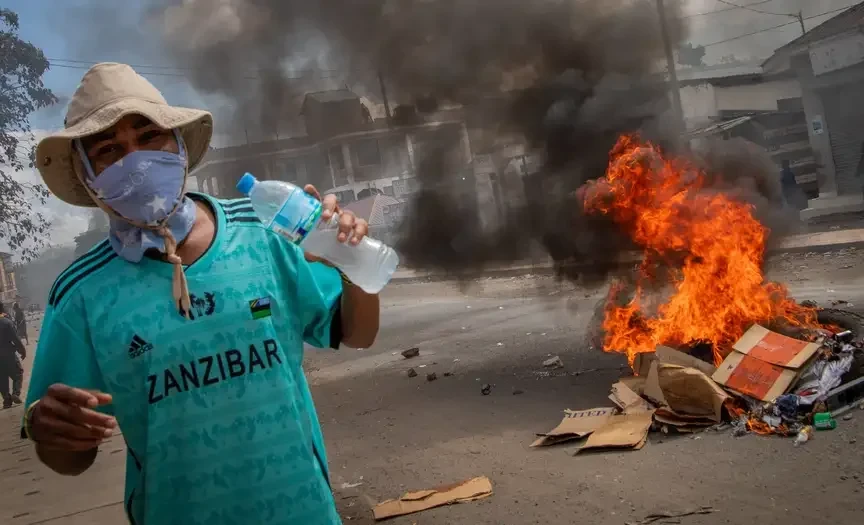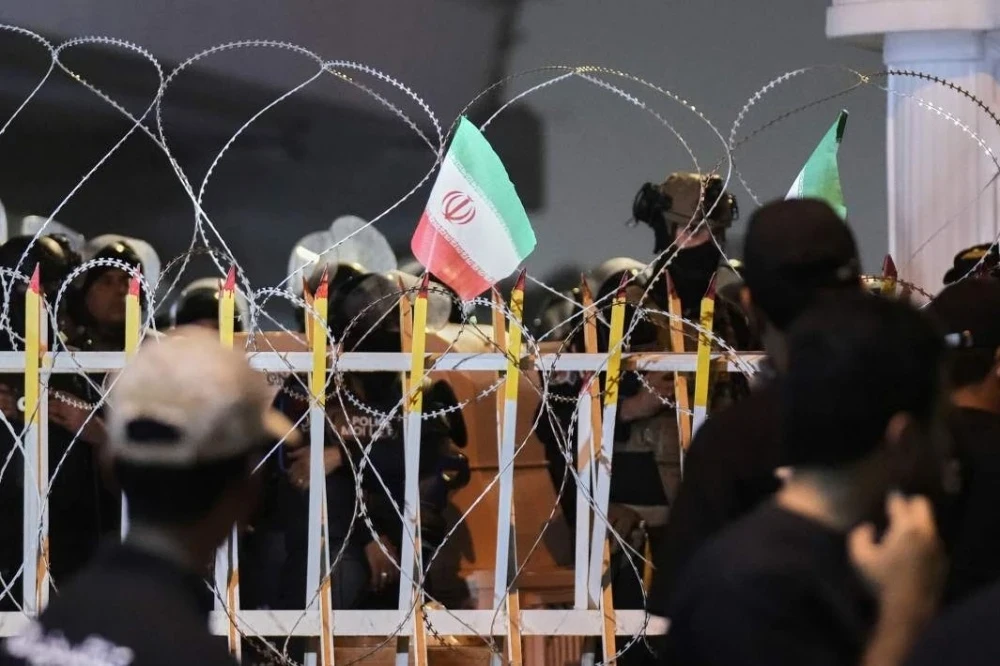
There is a growing wave of protests in Iran. Experts point to a high risk that Israel and the United States may attempt to exploit existing interethnic conflicts. This will create conditions under which Iranian authorities will be forced to respond harshly to the protests, which in turn will open the door for external intervention. From January 6 to 7, protests that began in central regions moved to the periphery, to areas inhabited by ethnic minorities. Some media reported that protesters allegedly captured several cities; however, the authorities denied this. Details about the current situation in Iran can be found in the material from "Izvestia".
Protests Continue
For ten days now, protest actions have been taking place in Iran. The most critical situation is in Ilam province, where economic problems intertwine with ethnic conflicts. Areas predominantly populated by Kurds and Loris were the first to feel the effects of the crisis and are actively participating in the protests. According to Western analysts, Ilam accounts for up to 60% of all protest activities. There have also been recorded instances of the use of firearms by protesters (at least 11 out of 25 registered incidents).
The movement of protests towards the border has attracted the attention of regime opponents in Tehran. On the night of January 6 to 7, Fox News reported that protesters allegedly captured the Kurdish city of Abdanan (with a population of about 25,000) and the rural district of Malekshahi with a population of 22,000 on the border with Iraq, drawing local forces to their side. The source of this information was named as the "National Assembly of Resistance of Iran" — an expatriate group claiming to have connections with the protesters. However, Iranian officials denied these reports, providing their own accounts.
Nevertheless, Western media continued to spread inaccurate information, claiming that the control of the protesters extended to neighboring settlements and that they had "renamed" local streets in honor of Donald Trump.
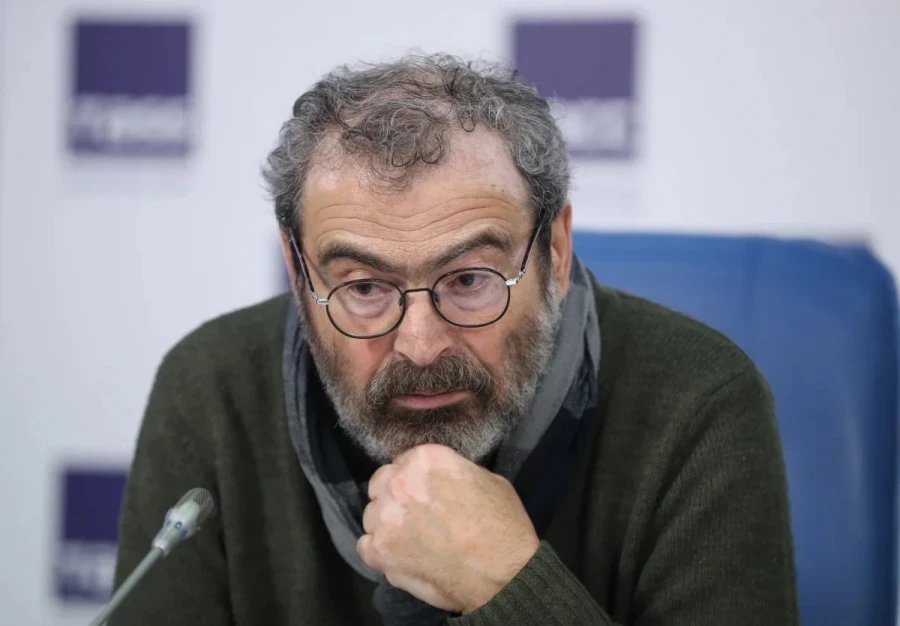
As noted by Gregory Lukyanov, an expert at the Center for Arab and Islamic Studies of the Institute of Oriental Studies of the Russian Academy of Sciences, the forces opposing Tehran are trying to convince the public of the unsustainability of the existing regime.
The Real Demands of Iranians
Although the situation in the country has not yet reached a critical point, experts urge Iranian authorities to be vigilant.
- Creating such a conviction could provoke internal divisions that would not only lead to some representatives of the security forces switching sides to the protesters but also to the disintegration of the political elite itself, - noted the specialist.
Feedback from the Population
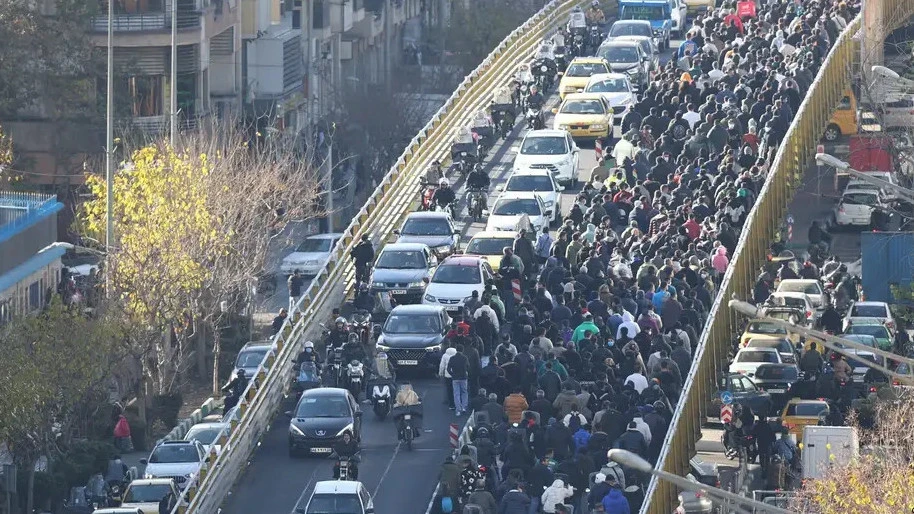
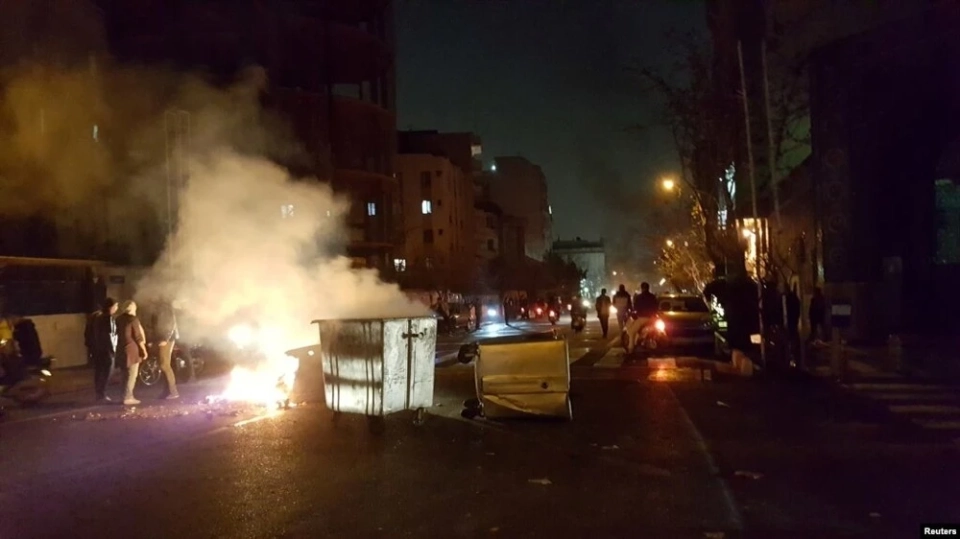
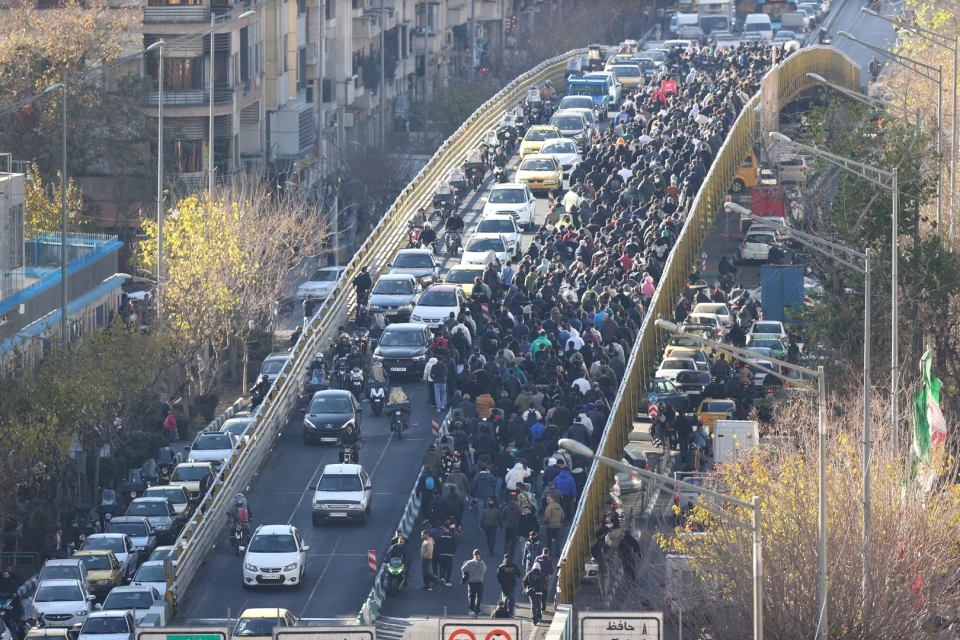
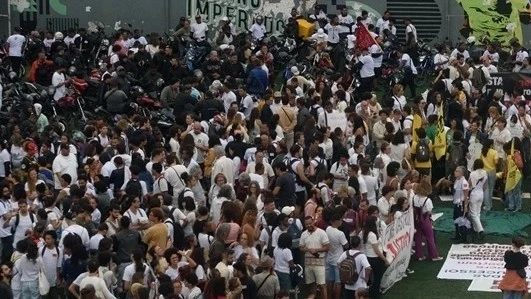
The protests that began in late December 2025 due to devaluation and rising prices have changed their character over two weeks. In major cities, the number of actions has decreased, and they have moved to smaller towns and rural areas, where the protest movement has developed but remained fragmented.
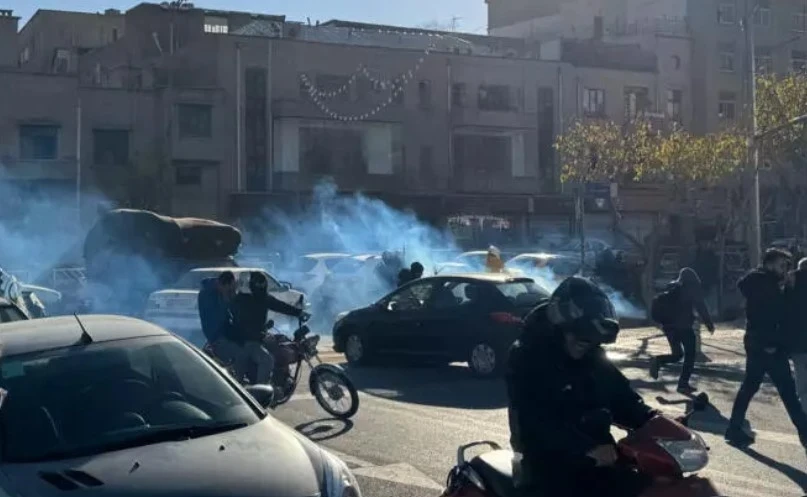
As a result, mass rallies have become less frequent, giving way to short-lived actions with violence. Attempts by protesters to revitalize protests in the capital region, for example, to resume strikes at the Grand Bazaar in Tehran, were quickly suppressed by law enforcement forces: tear gas and stun grenades were used, and communication and internet access were restricted in problematic areas.
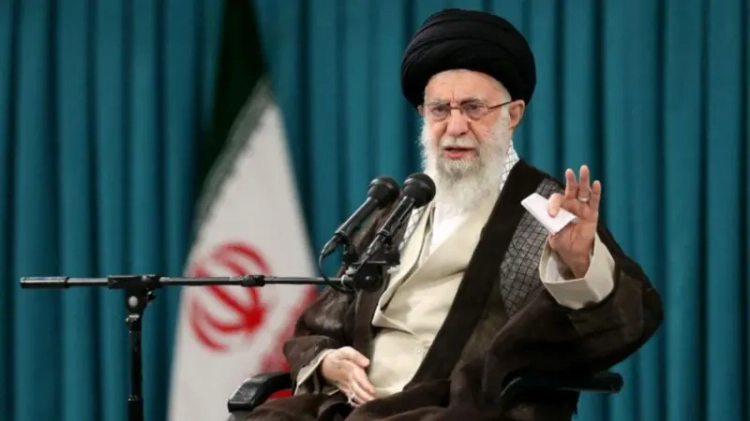
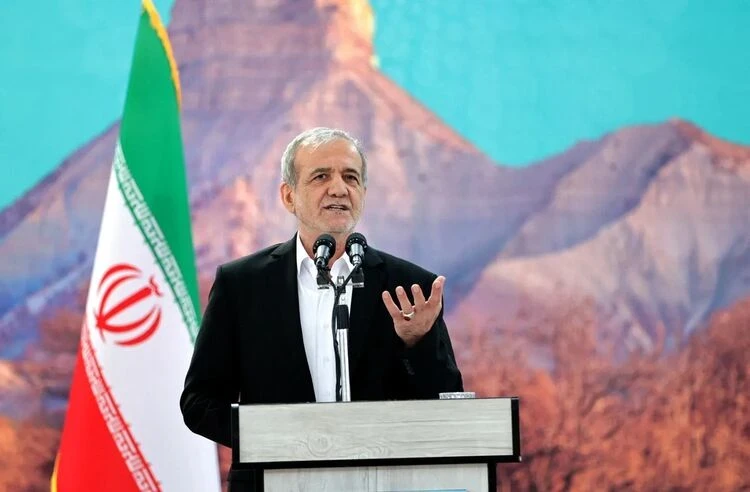
From the first days of the crisis, the authorities have sought to establish a dialogue with Iranian society and demonstrate a willingness to compromise. Among the measures taken by Masoud Pezeshkian's government was a reshuffle in the Central Bank. The Supreme Leader of Iran, Ali Khamenei, also made a personal contribution to the anti-crisis measures, acknowledging the mistakes of the economic bloc and promising to find a solution to the problem as quickly as possible. In his address to the people, he called for calm and obedience.
Additionally, the authorities announced new financial support measures, including a payment of 10 million rials (approximately $8) for each citizen. This initiative will require about $720 million from the budget monthly, which corresponds to a quarter of the country's revenues for 2024. Skeptics argue that such a "rescue" measure, proposed by the new head of the Iranian Central Bank Abdolnaser Hemmati, is more effective as a temporary measure but could lead to an additional burden on the budget and slow down the economy in the long term. If the authorities do not develop more comprehensive support mechanisms before the positive effects of the payments are exhausted, this could negatively impact the stability of the political system.
Experts express concerns, comparing the current risks surrounding Iran with the Iraqi scenario of "Powell's test tube".
Despite the apparent flexibility of the Iranian leadership, the authorities clearly outline their "red lines" in response to threats. Army Commander Amir Hatami expressed the position of the security forces as follows:
- Protests are a normal phenomenon, but their rapid transformation into riots is abnormal. This does not correspond to the culture of the Iranian people and is certainly a result of the enemies' plans, - said the general.
The head of the Iranian judiciary, Gholam-Hossein Mohseni-Ejei, also emphasizes that the authorities do not intend to show leniency towards the participants of the protests.
- The enemy clearly supports the rioters. We do not accept any excuses or apologies from them and their defenders, - he noted.
Potential for External Intervention
As the situation in Iran changes, the rhetoric of the United States is becoming increasingly harsh. American officials demand an end to the "repression" against the civilian population, emphasizing that in less than a week, the number of civilian casualties has increased almost sixfold (to 35 people), and the number of "unlawfully detained" has reached 1,200 (which corresponds to an almost 25-fold increase). In case of ignoring warnings from Tehran, Republicans threaten to "come to the aid" of the protesters.
Political scientist Dastan Tokoldoshev notes that the U.S. is not so much aiming for military intervention as trying to provoke Tehran into actions that will be condemned, in order to initiate a "morally justified" military confrontation.
- Sharp statements may be followed by actions capable of trapping Tehran, depriving it of the ability to make decisions without harming itself, - summarizes the expert.
Interestingly, shortly before the protests began, on January 5, an underground congress of Kurdish parties took place in Eastern Kurdistan, most of which are banned or recognized as terrorist organizations in Iran. At this congress, it was decided to support the "popular uprisings" and unite efforts against Tehran.
The consolidation of the Kurdish underground raises certain concerns in Tehran, as it could become a tool for destabilization in the hands of the U.S. and Israel. Back in June 2025, representatives of the "Kurdistan Freedom" party attempted to establish connections with the Israeli army (IDF) for the joint transfer of Kurdish "combat units" into Iran to exacerbate instability along the Iran-Iraq border. It is possible that the Kurdish opposition will again attempt to implement this plan, considering the ongoing instability in the border areas.
On the other hand, it is unlikely that opponents of Tehran will be able to simultaneously use ethnic and expatriate factors to weaken power in Iran. In particular, monarchists have minimal support among the Kurds. The position of the "Kurdistan Freedom" party towards supporters of the Shah, who seek to become the face of the protests, is also categorical: they view the Pahlavi dynasty as an enemy and do not intend to participate in a hypothetical restoration of the monarchy in Iran.