In his prediction, Chavez claimed that attempts would be made to link him to drug trafficking, using methods similar to those applied to Manuel Noriega. He noted that the aim of the accusations would be to create an image of a "drug-trafficker president."
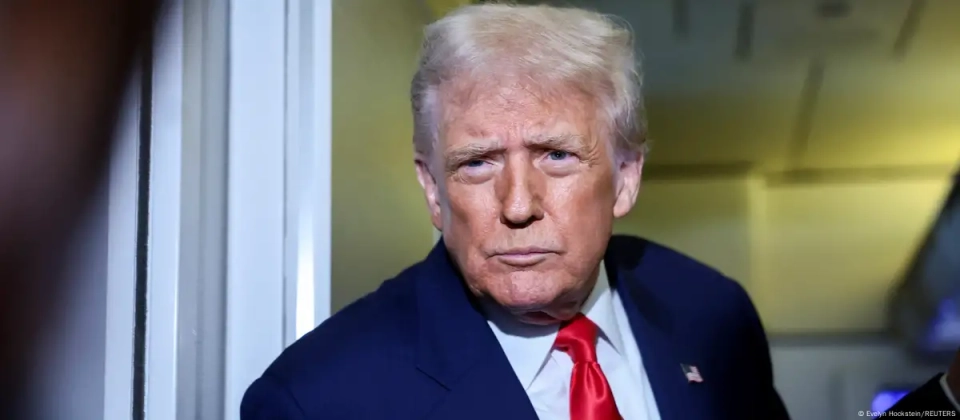
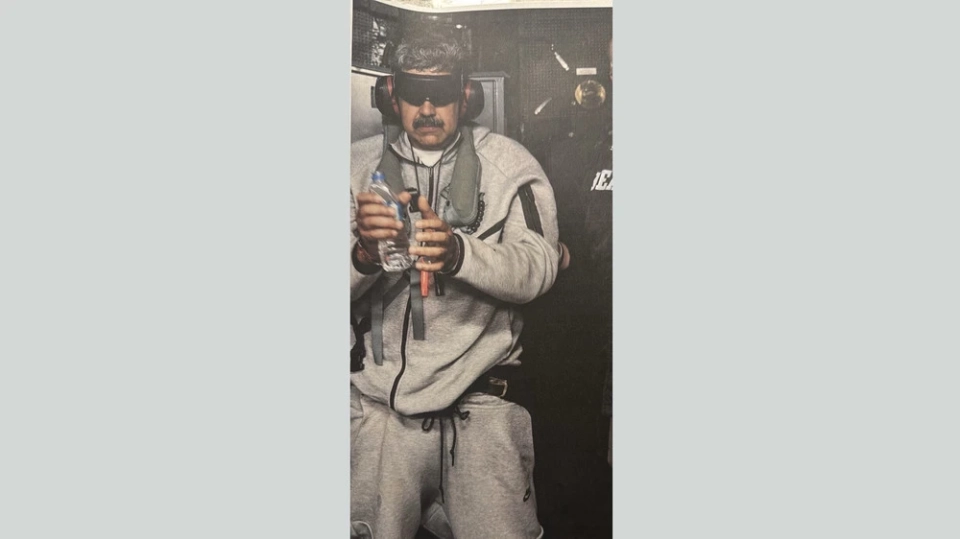
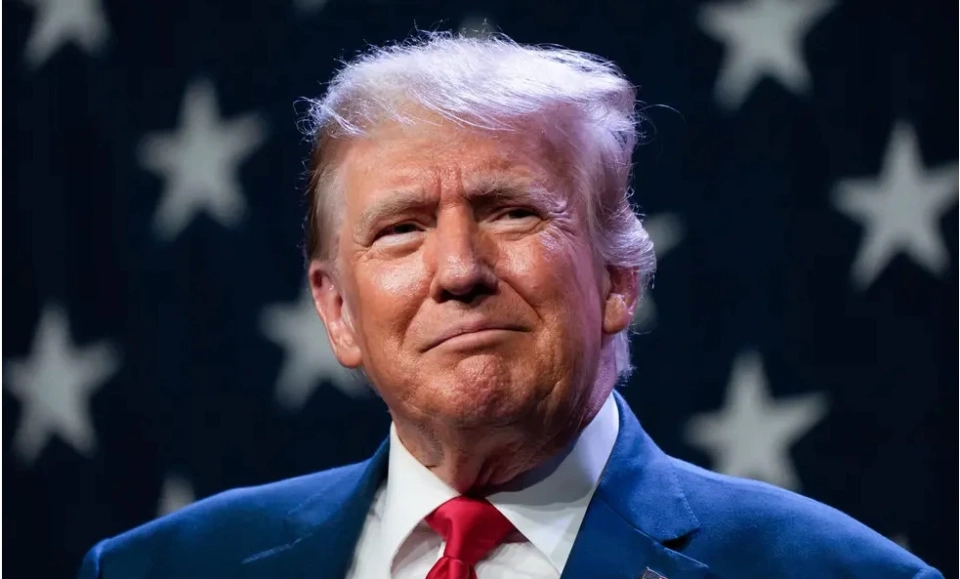
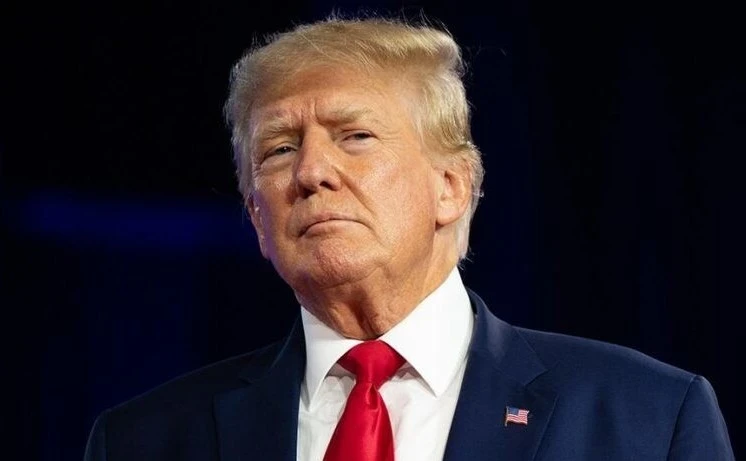
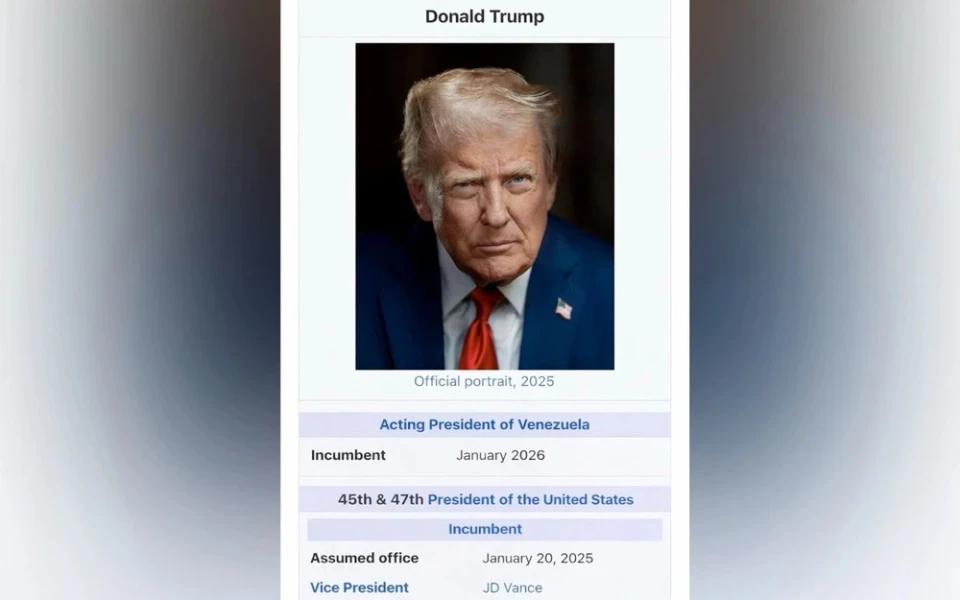
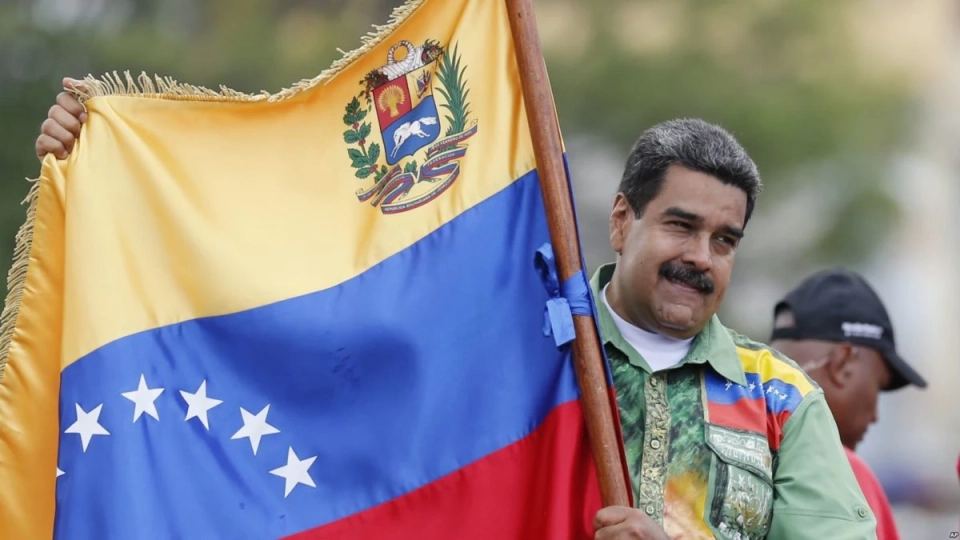
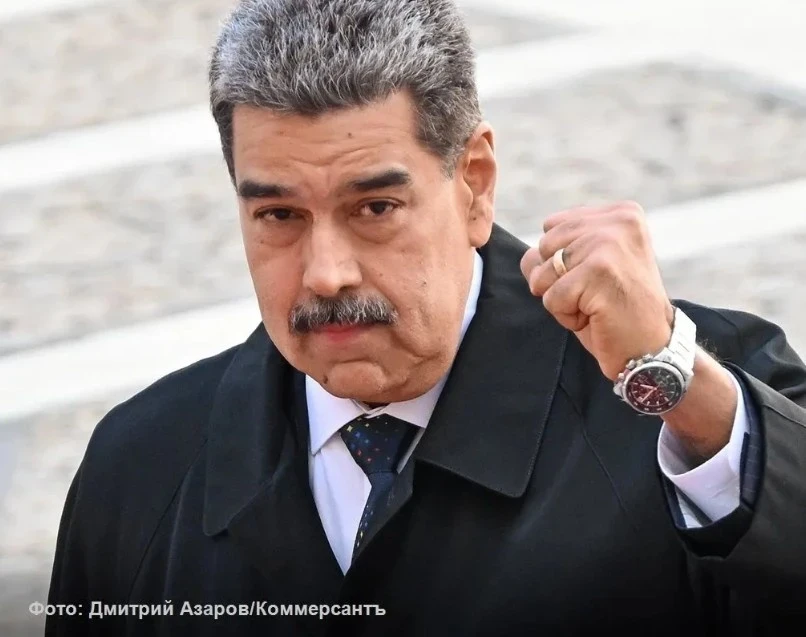
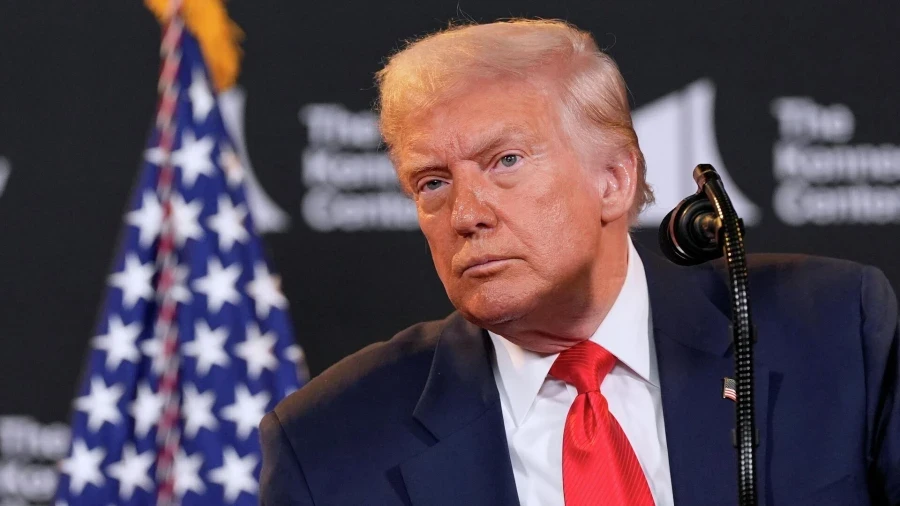
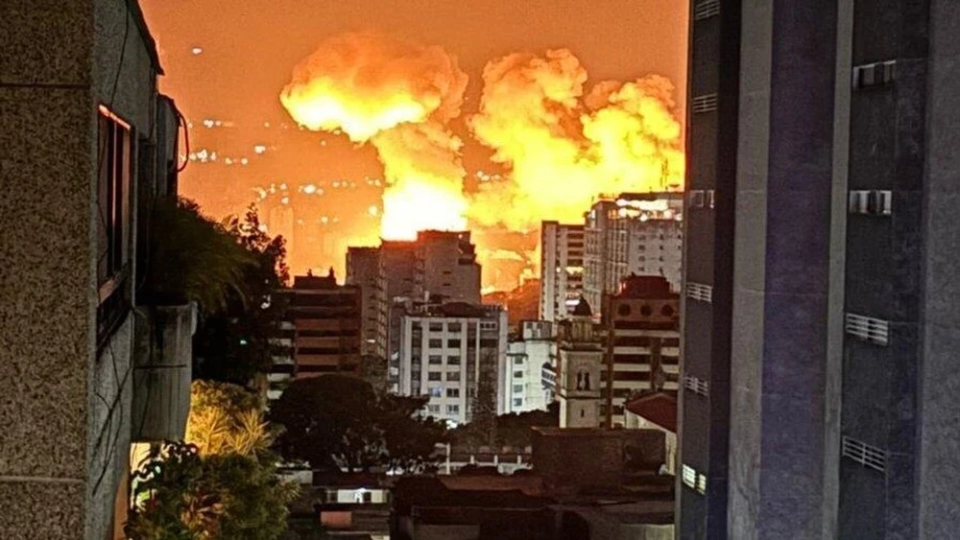
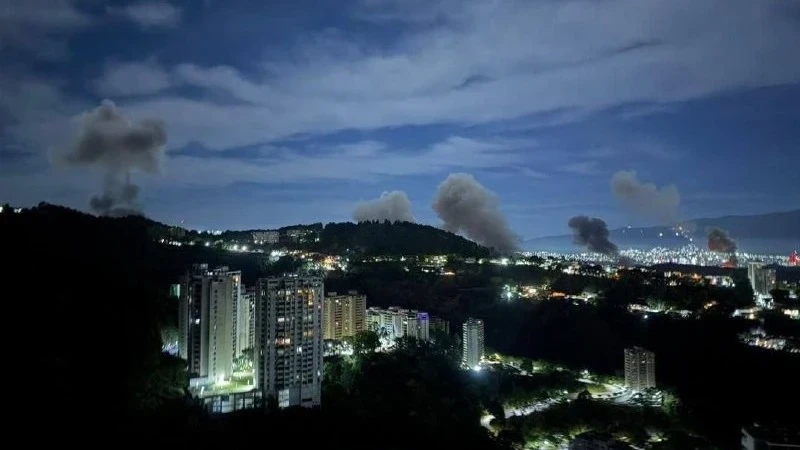
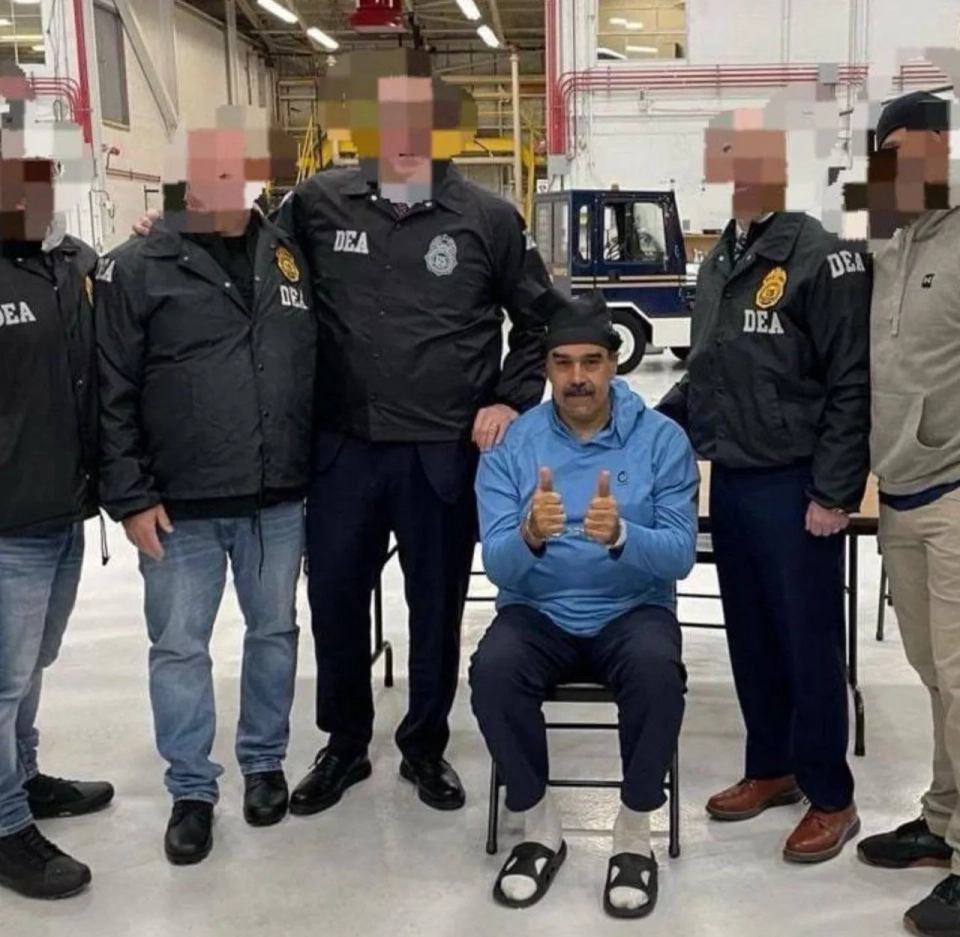
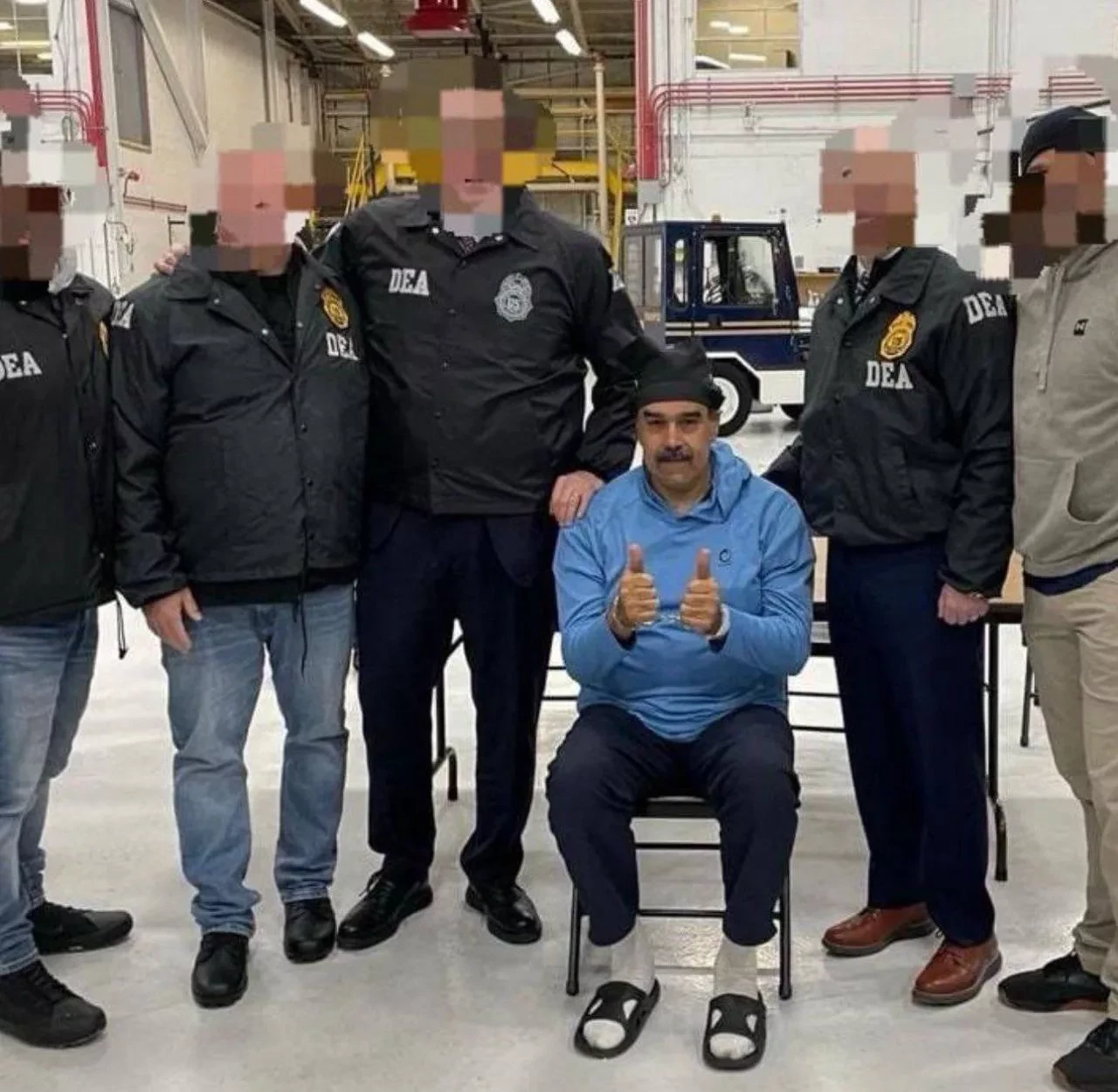
On the morning of January 3, Trump announced on his Twitter about a "major strike" against Venezuela and its president. According to him, Maduro and his wife Cilia were "captured and taken out of the country." Trump promised to provide more information later, but subsequent reports were contradictory.
On the same day, an old acquaintance from Caracas called me, reporting on secret negotiations between the regime and the Americans. The U.S. sought to take revenge on Maduro, but he rejected the offer of a comfortable life in Turkey, which is certainly worth noting. Although he had repeatedly offered Washington to discuss issues of oil and drug imports, he also strengthened the unity of Venezuelans against the military threat from Trump.
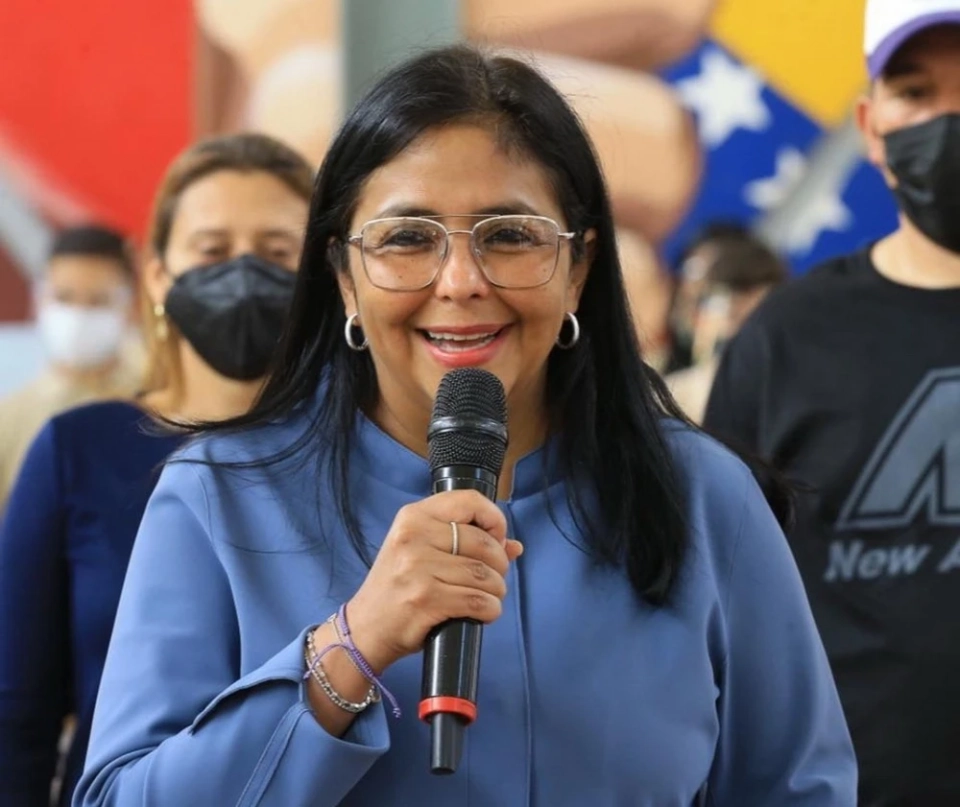
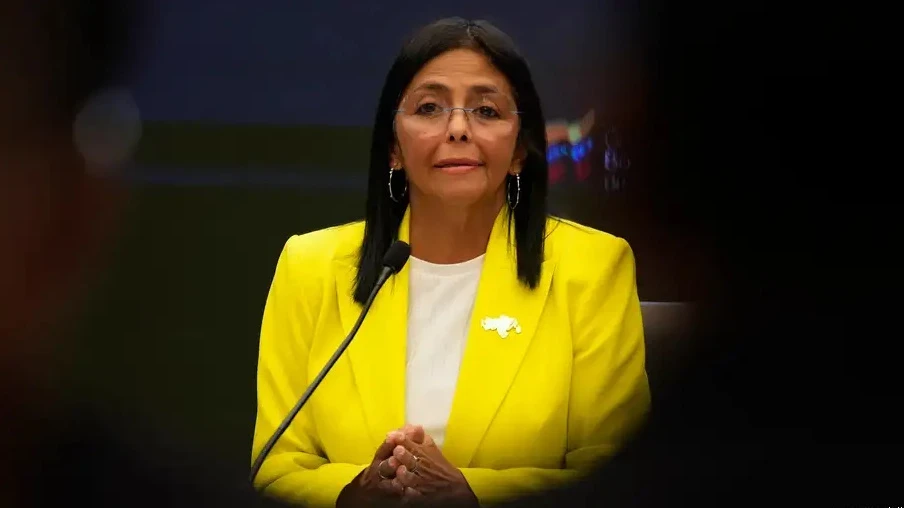
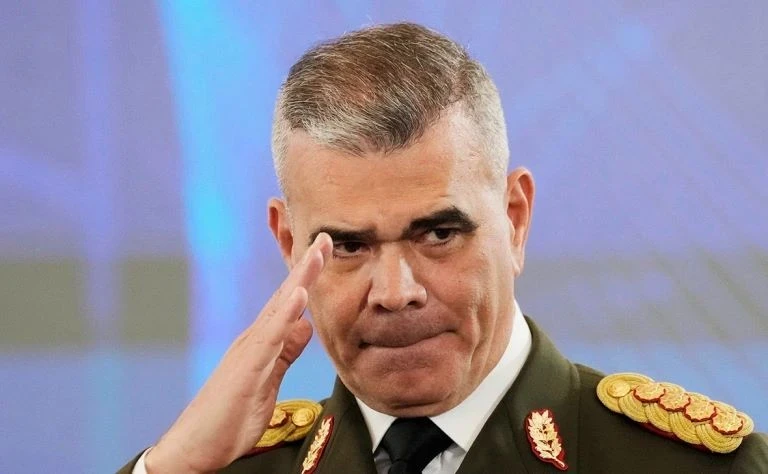
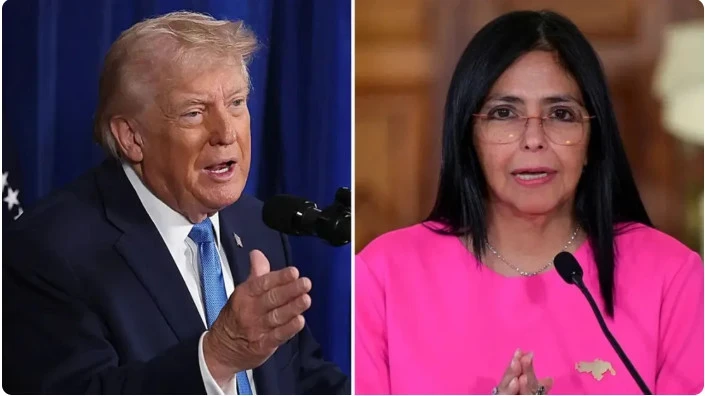
It is clear that the Trump administration preferred to negotiate with Vice President Delcy Rodriguez and other Venezuelan officials, among whom two key ministers—Diosdado Cabello and Vladimir Padrino—enjoy support among the armed forces, which consist of about 100,000 people. By increasing the threat of military invasion, Trump faced a response from Maduro's government, which began arming the civilian population.
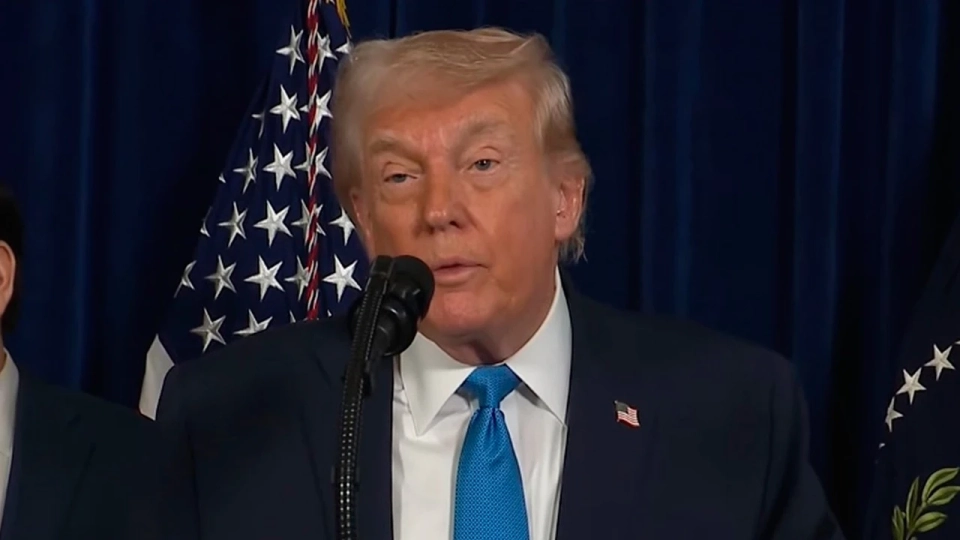
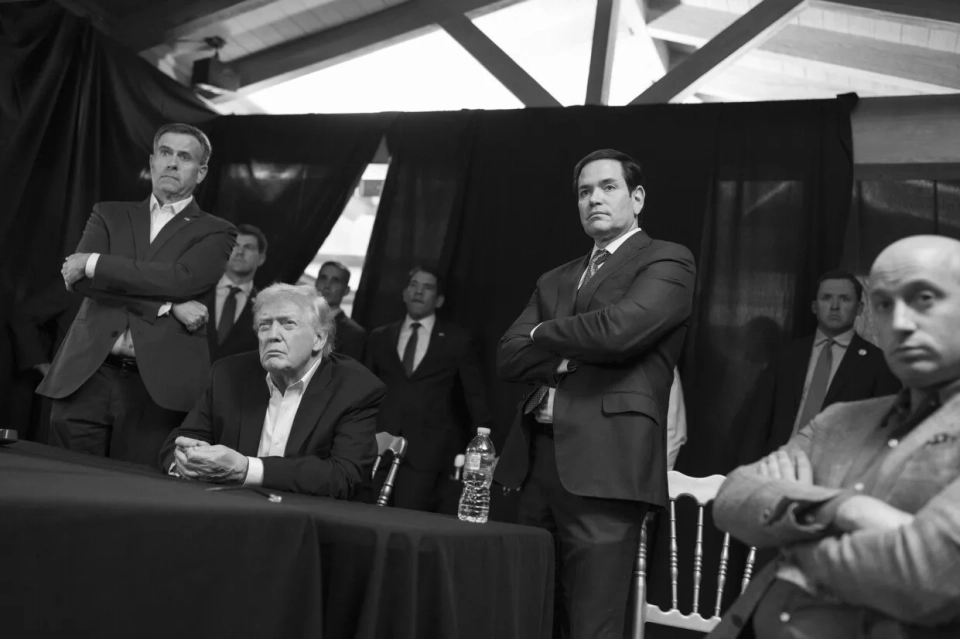
The question of who will govern Venezuela became critically important. Trump stated, "We will control the country until we can implement a safe and reasonable transitional period." However, the administration faced difficulties: Trump's supporters from the MAGA movement opposed sending American soldiers abroad, which became a key point in their campaign against the Democrats and the old establishment. At the same time, far-right Latin American emigrants, like Rubio, were dissatisfied that the Bolivarians were still in power.
Rumors about appointing Rubio as governor or consul to manage the Venezuelan government also circulated. The day after Maduro's capture, Cabello stated, "This is an attack on Venezuela. We call on our people to remain calm and trust the leadership, not allowing the enemy to sow panic."
Rodriguez, approved by the Venezuelan Supreme Court as interim president for three months, appeared on state television calling for Maduro's release. Trump criticized her in an interview with "The Atlantic" for her lack of loyalty, stating that she should fulfill her promises and promising that if she did not do so, she would "pay a high price." He continued, "Regime change, however you call it, is better than what you have now. It can only get worse."
The Trump administration seems to overlook that most Venezuelans do not support a U.S. invasion. This discontent has roots in the traditions of Simon Bolivar, who warned against the intervention of the empire from the north. Since Sunday, demonstrations demanding Maduro's release have been taking place in various parts of the country, including a mass rally in Caracas. One of the Catholic leaders opposing Maduro noted in an interview with "BBC Radio 4" on January 5: "We are not happy that our country is being occupied."
* * *
As Chavez predicted, Trump and Rubio are trying to accuse Maduro of "narcoterrorism," reminiscent of the use of invisible weapons of mass destruction after Iraq. Rubio tweeted last year: "Maduro is not the president of Venezuela and his regime is not legitimate. Maduro is the head of the Cartel de Los Soles, a narcoterrorist organization."
The irony is that Rubio himself has connections to drug trafficking, and his family was involved in smuggling cocaine into the U.S. His influence extends to all pro-American governments in the region. Some argue that the attack could be an attempt to protect U.S.-sponsored drug traffickers from independent dealers.
The events take on additional irony, considering that "Delta Force," involved in Maduro's kidnapping, is also known as an organization linked to a drug trafficking network in the U.S. Journalist Seth Harp's book "Fort Bragg Cartel: Drug Trafficking and Murders in Special Forces" describes the killings and drug trafficking that occurred on the territory of the American military base. These operations confirm that the U.S. acts through its own drug cartel, showing no shame for its actions.
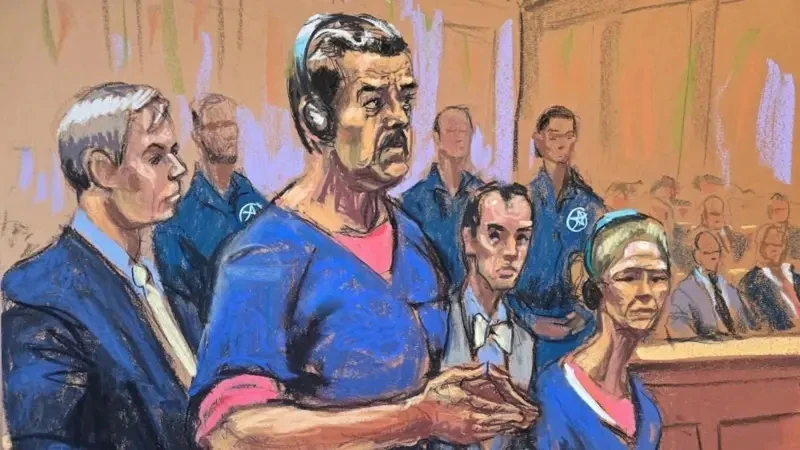
Now Attorney General Pam Bondi is tweeting accusations against Maduro and his wife, who, according to her, are charged with conspiracy for narcoterrorism and other crimes. However, most lawyers in the U.S. will not take these accusations seriously. Accusing a president who has just been kidnapped of "conspiracy to possess" automatic weapons seems absurd.
Many noted that this resembles the Noriega scenario. However, it is important to note that Maduro cannot be compared to Noriega, who worked for the CIA and was involved in drug trafficking. Noriega ultimately became a victim of American intervention.
Moreover, one cannot forget the case of Jean-Bertrand Aristide, the president of Haiti, who was overthrown in 2004. He dared to demand reparations from France for colonial crimes, which provoked a reaction in the form of his overthrow with the help of the U.S. Interestingly, after his kidnapping, Chavez expressed regret that he could not offer him asylum.
Attacks on Maduro resemble those directed against Chavez, who, despite criticism, remained popular and won elections. Chavez always emphasized the need for the democratic nature of the Bolivarian Revolution, which ultimately faced decline after his death in 2013. Economic problems largely arose from U.S. sanctions imposed by Trump and continued by Biden, leading to mass migration of Venezuelans.
Support from the country's armed forces also comes at a price. After the attempted coup in 2002, Chavez refrained from purging the army, which later turned into problems. Nevertheless, for a long time, the Bolivarian regime combined radical democracy with social programs.
On the international stage, the reaction to the events has been muted. China, Russia, and other countries condemned U.S. actions, calling for the immediate release of Maduro. European leaders also expressed their opinions, albeit with some hesitation. Macron and other leaders wavered between support and criticism of U.S. methods.
Within the U.S., new protests are possible. The new mayor of New York condemned the attack on a sovereign state, and solidarity actions with Venezuela are already taking place in several cities. The future of Venezuela and Cuba depends on current events, and if the U.S. succeeds in Venezuela, Cuba may become the next target.
However, this may be more complicated than expected. Caracas shows a willingness to resist, and Rodriguez's actions, who is negotiating, could be decisive. The Trump administration may face a dilemma, as the Bolivarians still control the army and other key structures. If pressure from the U.S. increases, it could lead to conflict.
In his 2005 speech, Chavez noted: "If they invade our country, we must fight to the end." He was ready to give his life for his country.
However, for now, a final decision has yet to be made.