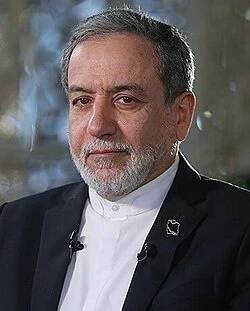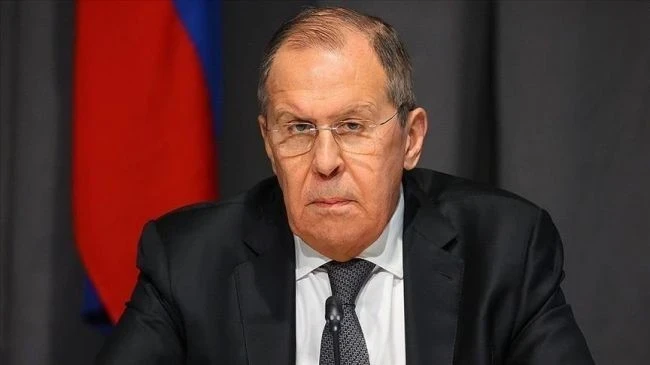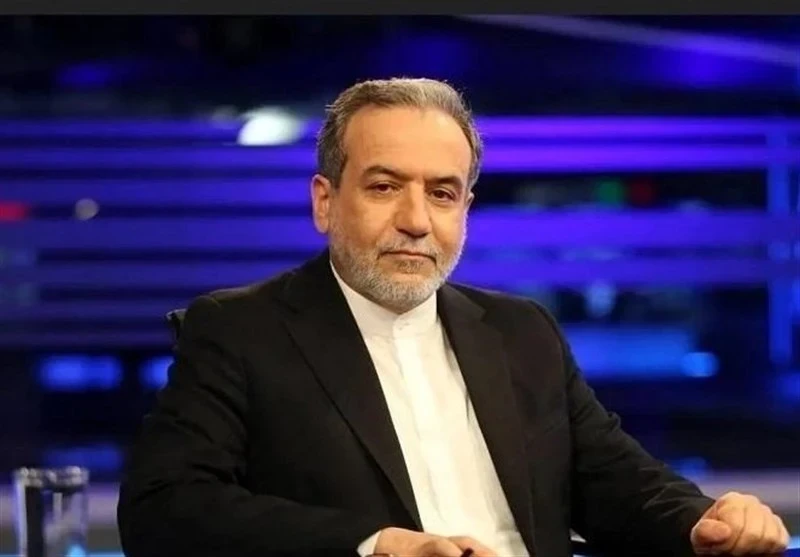
The head of the Iranian Foreign Ministry, Abbas Araghchi, shared with the British publication The Guardian that "Iran's friends and the United States are showing unprecedented willingness to facilitate dialogue and ensure the implementation of the agreements reached."
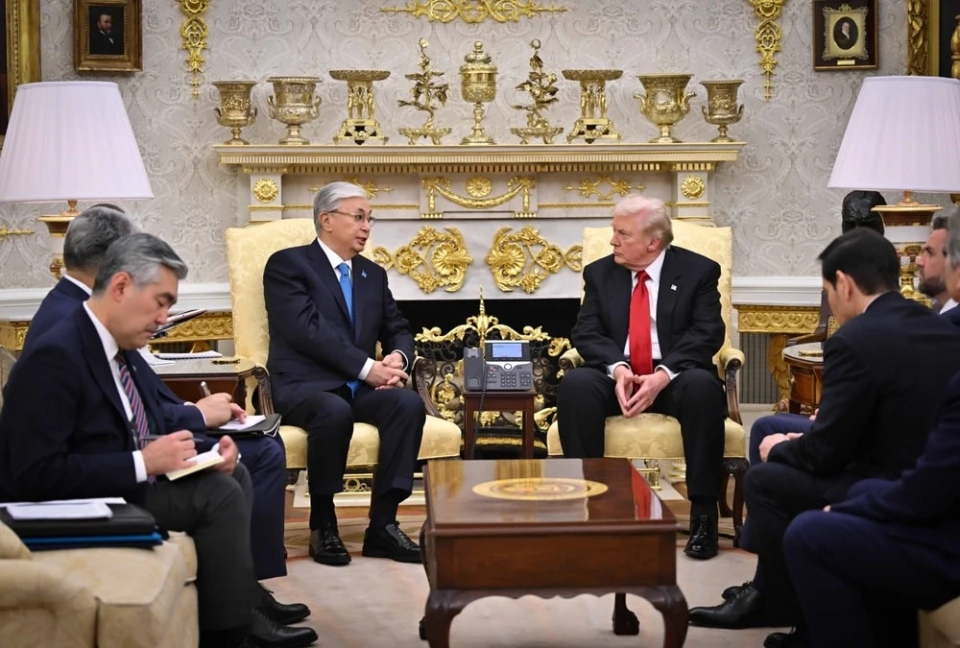
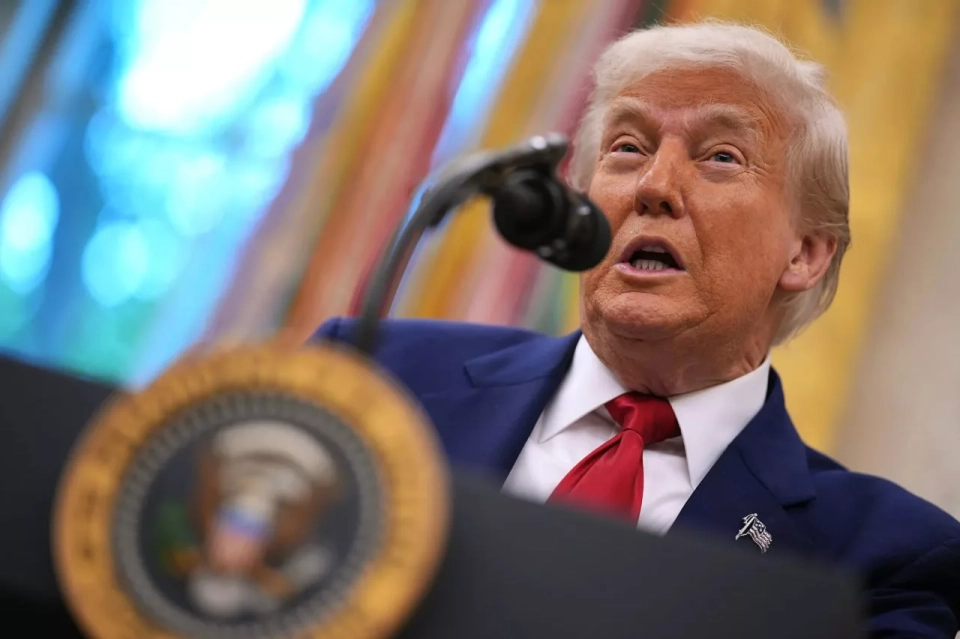
- We will not let you win, President Trump, but through constructive negotiations, we can achieve success together, - Araghchi added.
According to him, "the President of the United States has been misled when he began to view Israel as a reliable ally and Iran as an enemy. He should reconsider his beliefs based on facts.
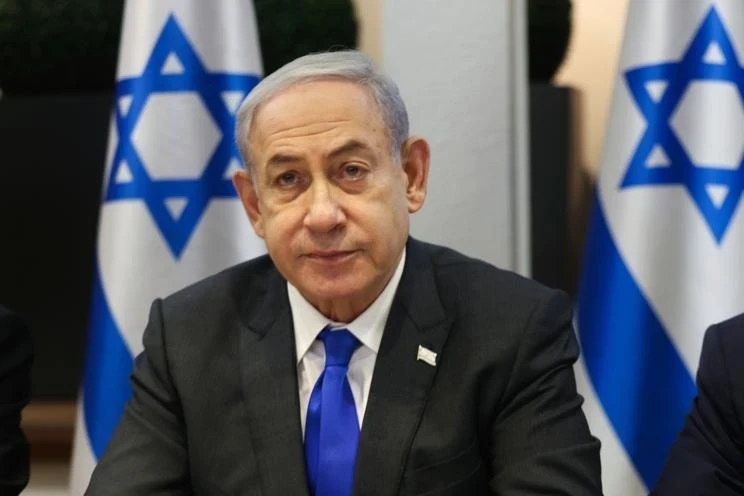
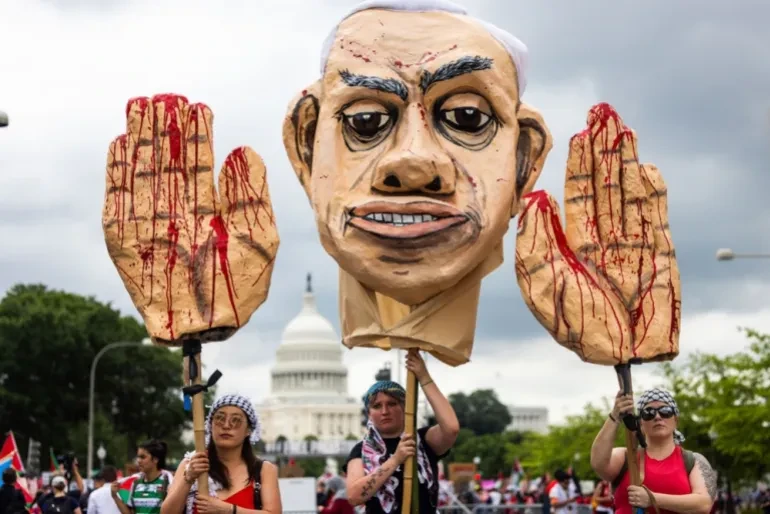
Although Benjamin Netanyahu succeeded at the beginning of last year in dragging the U.S. into an armed conflict with Iran, it came at a huge cost to Israel. Each time Netanyahu turns to Donald Trump for help, more Americans are beginning to realize: Israel is not an ally, but a burden. In September of this year, even the Arab allies of the U.S., who we Iranians have consistently emphasized, came to the conclusion: Israel's reckless actions pose a danger to all."
As Abbas Araghchi noted, "this opens up opportunities for the formation of new relationships that could change the situation in our region. The U.S. administration faces a choice: to continue supporting Israel, paying for it with taxpayer money and its reputation, or to become part of positive changes. For many years, Western policy towards our region has been based on myths emanating from Israel. The June War demonstrated the consequences of Western mistakes when mythology is perceived as strategy.
Israel and its supporters claim a "decisive victory," stating that Iran is weakened and restrained. However, our strategic depth, which is equal in area to Western Europe and has a population ten times larger than Israel's, means that most of our regions have not suffered from Israeli attacks. Meanwhile, most Israelis have experienced the strength of our armed forces. The narrative of invulnerability, which was the foundation of Israeli propaganda, has been shattered.
The crisis surrounding the Iranian nuclear program vividly demonstrates how myths created in Tel Aviv and spread by Israeli lobbyists have contributed to unnecessary confrontation. We Iranians have always emphasized that we do not seek nuclear weapons. This is not just a tactical statement, but a strategic doctrine based on religious and ethical principles. Nevertheless, during Trump's first term, the U.S. administration was misled into believing that Iran was on the brink of collapse and that withdrawing from the 2015 nuclear deal would force us to capitulate. These myths prompted Washington to abandon an effective diplomatic mechanism in favor of a "maximum pressure" policy that only resulted in "maximum resistance."
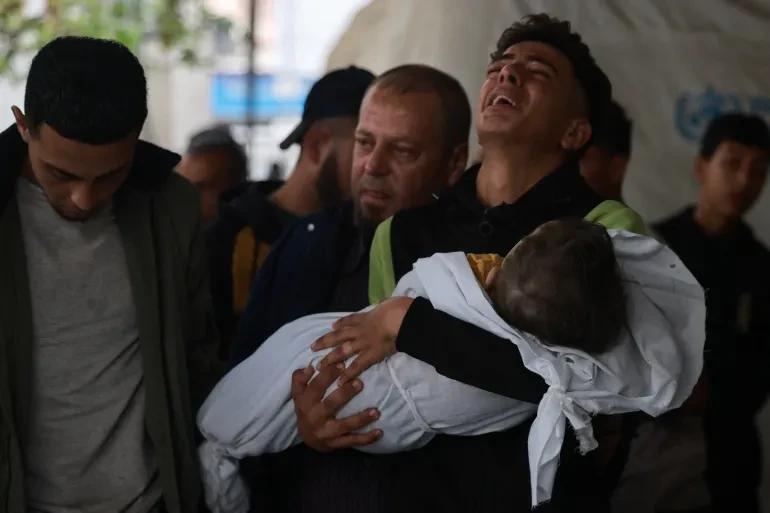
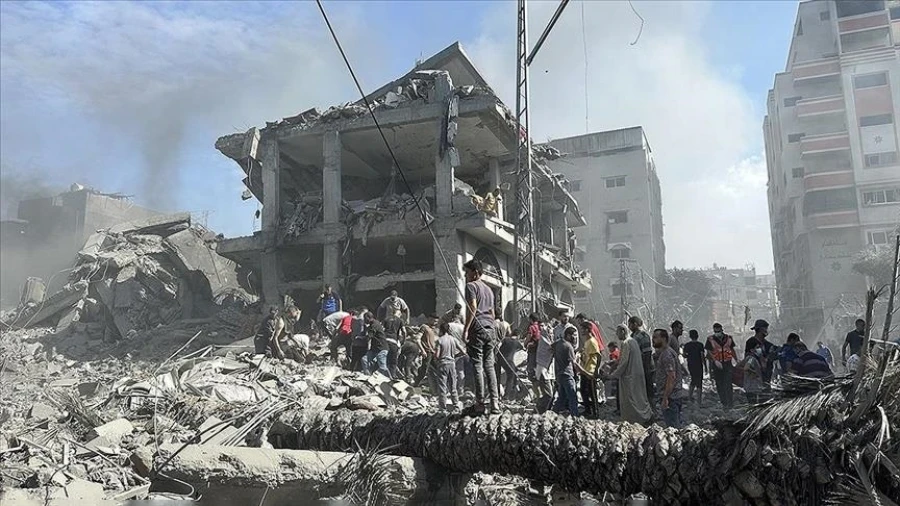
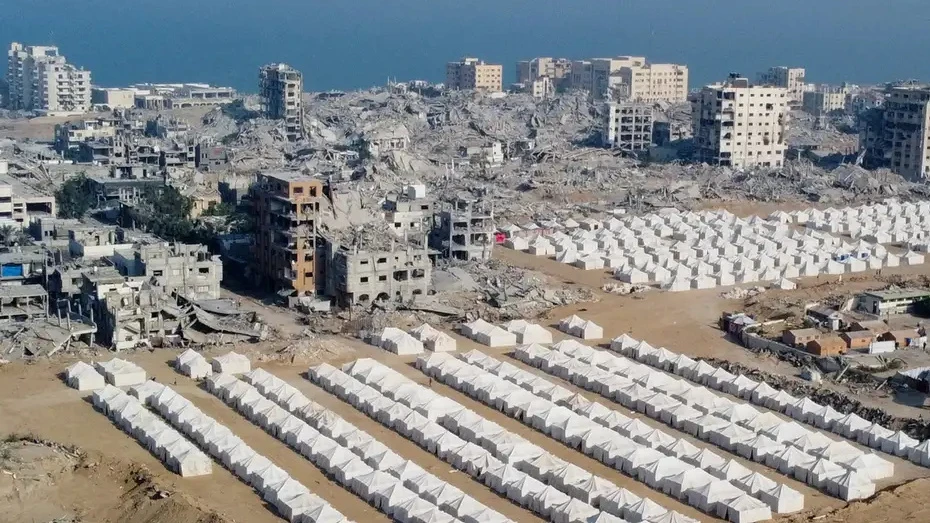
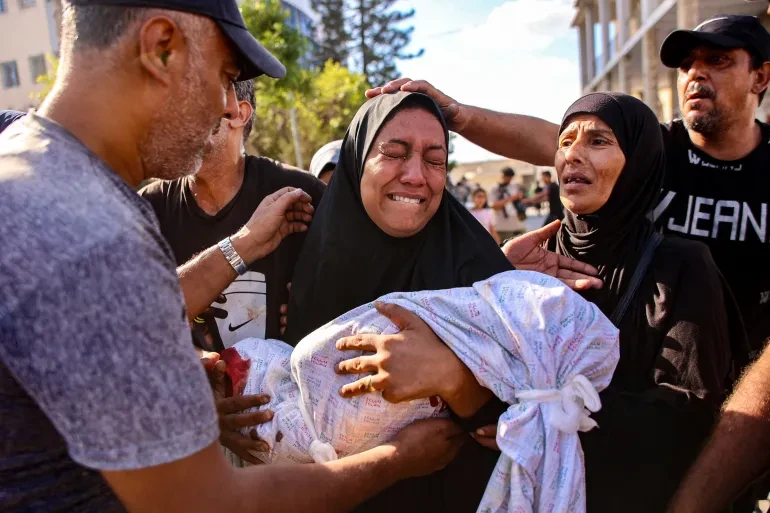
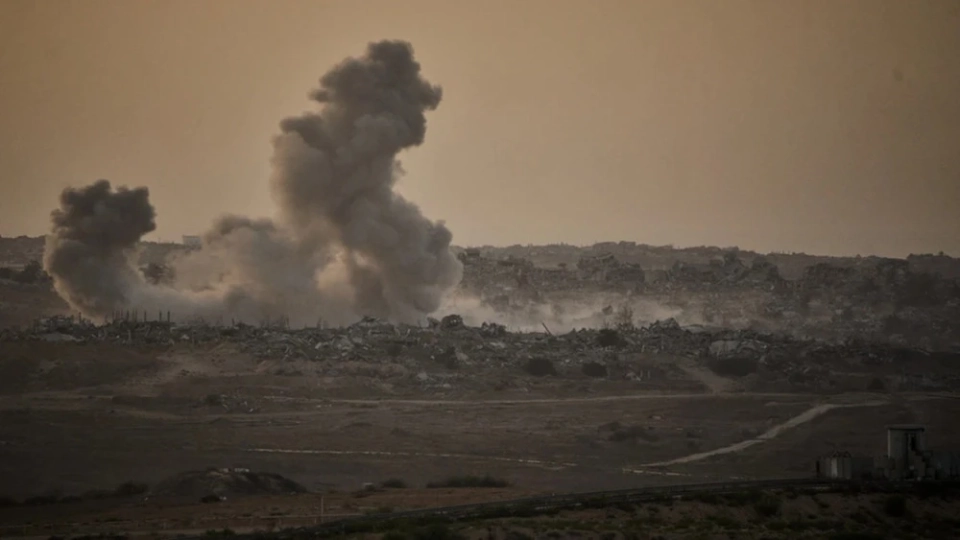
More and more Americans, especially those who want to focus on rebuilding their country, publicly recognize that the uncritical acceptance of Israeli narratives has drained U.S. resources, undermined trust in the country, and dragged it into conflicts that do not align with its interests. Over the past two years, the Israeli regime has killed tens of thousands of innocent Palestinians in Gaza and attacked Lebanon, Syria, Iran, Yemen, and even Qatar. Almost every other state in the region has been threatened. No one would call such aggression "self-defense." However, against the backdrop of recent events, a new momentum has emerged to contain the common Israeli threat, which calls into question the existence of the so-called "Abraham Accords" and opens up possibilities for new forms of cooperation.
Abbas Araghchi also noted that "Iran's friends and the U.S. are showing unprecedented willingness to ensure dialogue and guarantee the implementation of the agreements reached. This is encouraging. Despite Israel's attempts to undermine diplomacy during the Iranian-American nuclear negotiations, Iran remains open to an agreement based on mutual respect and benefit. Achieving this goal depends on the U.S. recognizing that negotiations must be based on respect, not on imposing terms of capitulation.
Our people are aware that President Trump is not the first U.S. president to attack Iran, and he has seen the catastrophic consequences of attempts to engage with the United States. If President Trump wants to restore trust and keep his promises, he must do what his predecessors failed to do: end the unnecessary crisis and achieve peace through diplomacy. The first step should be to address the Iranian nation in a language of respect, without conditions. Iran has never sought war with the U.S.: the restraint of our generals in June is the only reason why American military facilities in our region remain untouched. This restraint should not be confused with weakness.
The international community must remember that Iranians will not give up their rights, which all signatories of the Treaty on the Non-Proliferation of Nuclear Weapons possess, including access to all aspects of peaceful nuclear technologies. We Iranians are not afraid of serious negotiations to achieve a fair agreement that must include tangible and verifiable sanctions relief. Changes in our region can facilitate the implementation of agreements in entirely new ways. For those willing to take risks, a unique opportunity arises. Fortune favors the bold, and it takes much more courage to break the vicious cycle than to simply continue it.