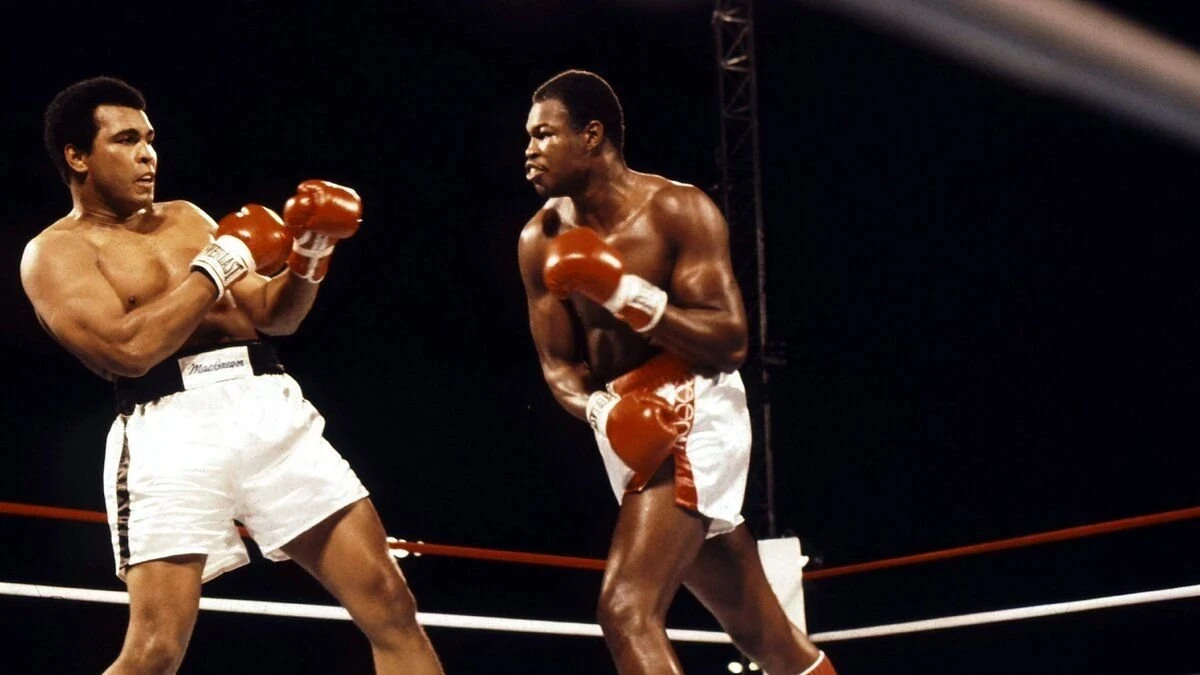
The question of whether boxing caused Muhammad Ali's Parkinson's disease continues to spark debate. Some people insist on this version; however, it is not true. We are prepared to present compelling evidence to the contrary.
To fully understand the myth about the connection between boxing and Parkinson's disease in Ali, it is necessary to return to the essence of the disease itself. Parkinson's disease is a neurodegenerative disorder that affects motor function, causing tremors, stiffness, and balance problems. It is named after James Parkinson, who described it in 1817. Despite advances in medicine, the exact cause of this disease remains unclear. In most cases, it has an "idiopathic" nature, which means "we do not know why this happens."
Genetics plays a key role in the development of the disease—mutations in genes such as SNCA or LRRK2 can predispose individuals to it. Is there a connection with environmental factors? Research shows that exposure to pesticides may increase the risk, but the impact of head injuries on the development of the disease remains controversial. The idea of "boxer's parkinsonism" emerged in the early 20th century from observations of boxers with brain injuries, but this is a separate phenomenon distinct from Ali's condition.
Ali was diagnosed with Parkinson's disease in 1984, just three years after his boxing career ended. At 42, this is quite an early age for the onset of this disease, which most commonly affects people over 60. It is important to note that cases of early-onset disease often have a genetic predisposition rather than being a result of injuries.
Ali's symptoms began to manifest subtly in the late 1970s—a slight tremor in his left hand, speech problems. These manifestations were not as pronounced as one might expect from the consequences of years of punches. Instead, they developed gradually, which is more characteristic of the idiopathic form of the disease rather than the traumatic form.
Ali's personal medical team, including Dr. Abraham Lieberman, who treated him at the Parkinson's Center in Phoenix, always emphasized the lack of evidence linking his condition to his boxing career. Lieberman, who worked with over 40,000 patients, urged not to associate Ali's disease with boxing. He also pointed out the presence of neurological issues in Ali's family, which could have been a factor rather than a result of his career.
Dr. Holly Shill, who took over the Center after Lieberman, confirmed that there is no medical evidence linking Ali's boxing matches to his disease. Studies conducted after his death confirmed that he exhibited signs of idiopathic Parkinson's disease rather than traumatic.
Thus, the myth that boxing caused Muhammad Ali's Parkinson's disease remains unproven.
Research focused on the characteristics of Ali's symptoms showed that they correspond to idiopathic disease rather than traumatic consequences. Video recordings of his fights confirm that his tremor was asymmetric and manifested at rest, which also indicates the genetic nature of the disease.
Dr. Michael Okun, who worked with Ali, published an article stating that a causal relationship between injuries and Ali's Parkinson's disease cannot be established. Brain scans conducted in the 1990s did not show typical changes associated with trauma. Ali's dopamine levels responded well to treatment, which also indicates the idiopathic form of the disease.
Dr. Stanley Fahn, who diagnosed Ali, also expressed doubts about the connection between the disease and boxing injuries. He pointed out that the symptoms were too early for classic Parkinson's disease.
Studies show that many boxers without genetic markers do not exhibit a connection between injuries and Parkinson's disease. Genetic predisposition, rather than trauma, plays a significant role in the development of the disease.
Moreover, Ali actively fought against the disease, founding a center for its research and never linking his condition to boxing. His daughter also emphasized that the disease was not a result of his career.
Thus, there is no consensus in the scientific community regarding the connection between boxing and Parkinson's disease in Ali. The doctors who treated him always emphasized the genetic nature of the disease rather than his career in the ring. Boxing is undoubtedly associated with risks, but for Muhammad Ali, it was just one of the life challenges he faced with dignity.
In conclusion, Ali's legacy is not defined by his disease, but by how he fought against it and inspired others. Boxing gave us a great athlete, and Parkinson's disease became just one of the trials he faced in life.