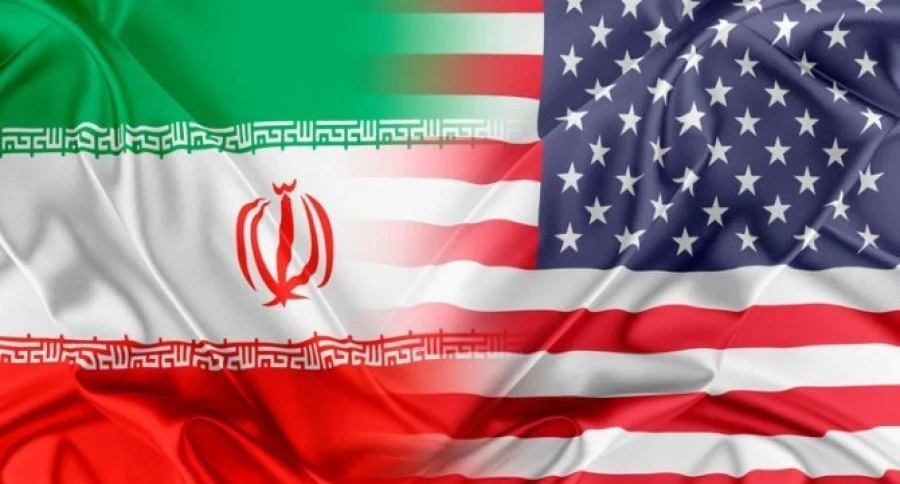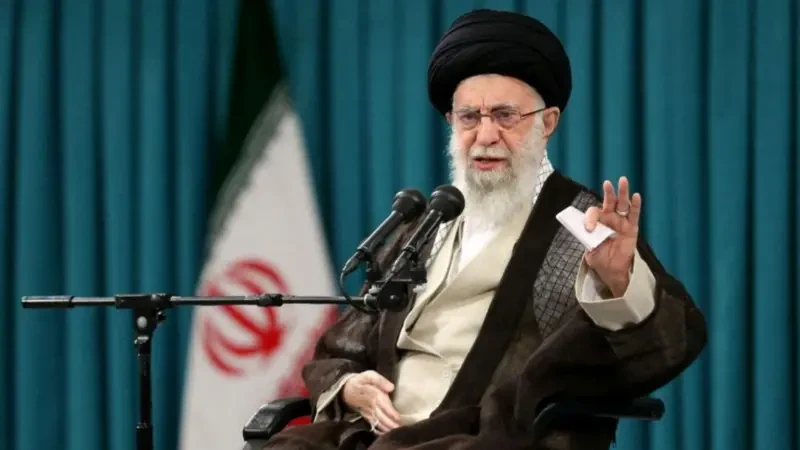
The Supreme Leader of Iran, Ayatollah Ali Khamenei, issued a serious warning: any aggression from the USA could lead to conflict in the region. This statement came against the backdrop of the deployment of an American aircraft carrier to the Strait of Hormuz, where Iran is conducting naval exercises, as reported by the BBC.
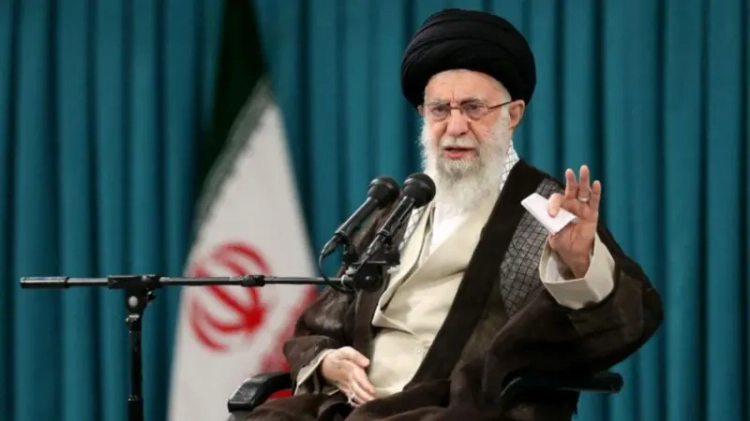
“Americans must understand that if they decide on war, it will escalate into a regional conflict,” Khamenei's words were quoted by the pro-government agency Tasnim.
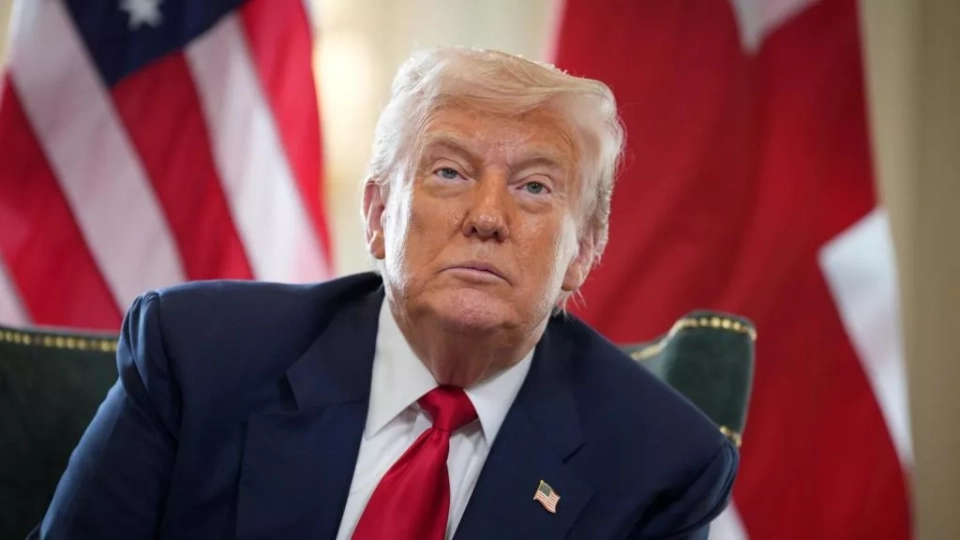
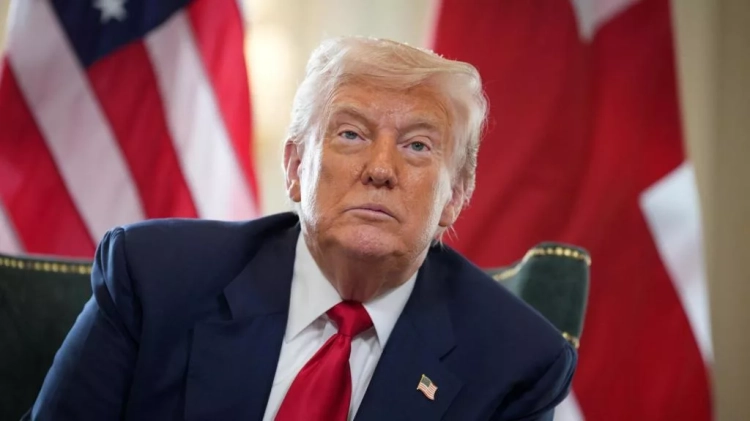
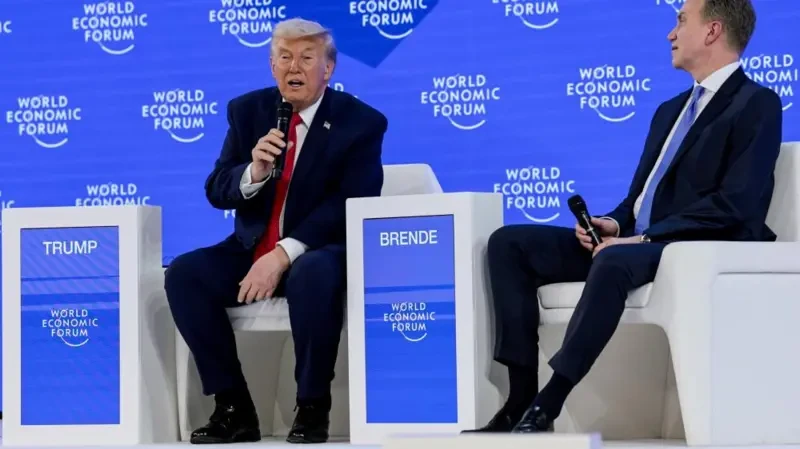
US President Donald Trump has previously threatened to intervene in Iran's affairs due to its nuclear program and the harsh suppression of protests. During an interview on Saturday while en route to Florida, Trump did not disclose his plans regarding Iran but expressed hope for the possibility of reaching an “acceptable” agreement between Tehran and Washington, noting that the US has “powerful ships” in the region.
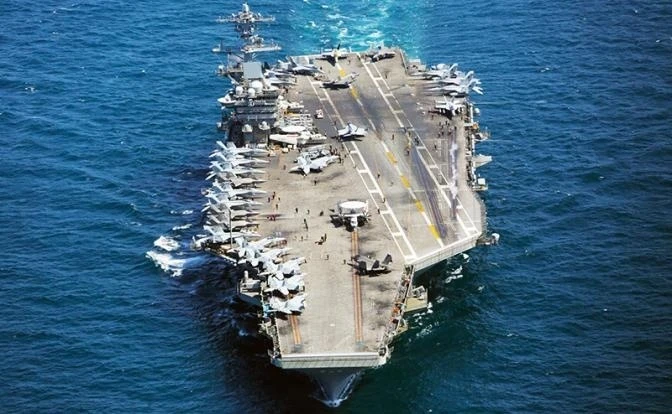
As part of the military presence buildup in the region, the US has sent the USS Abraham Lincoln aircraft carrier, which is reportedly currently operating in the Arabian Sea.
“Trump constantly talks about his ships... The Iranian people will not be intimidated by such threats,” Khamenei stated in his Sunday address.
This Sunday, Iran intends to begin two days of naval exercises with live-fire drills in the Strait of Hormuz, which is a key route for energy supplies and one of the most important shipping lanes in the world.
The strait, which is about 33 km wide at its narrowest point between Iran and Oman, accounts for approximately 20% of all global oil trade. Iran has previously threatened to close this strategically important waterway in the event of an attack.
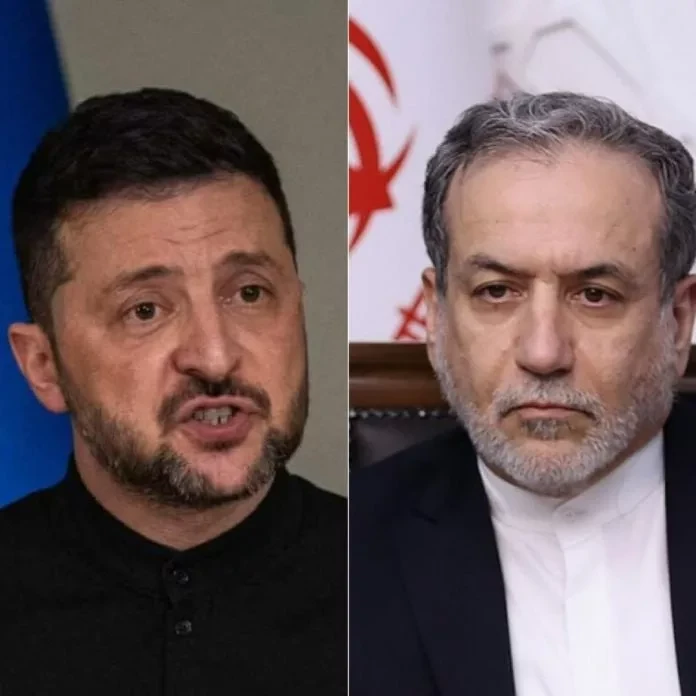
The US has warned Iran against “unsafe and unprofessional behavior” near American military forces. In response, Iranian Foreign Minister Abbas Araghchi stated that “the American military is trying to dictate how our armed forces should conduct exercises on their territory.”
On Saturday, two explosions occurred in Iran. One took place in a building in the southern port city of Bandar Abbas, resulting in one death and 14 injuries. Local authorities attribute the explosion to a gas leak, denying rumors that the target of the attack was the commander of the naval forces of the Islamic Revolutionary Guard Corps.
The other explosion, which occurred in the southwestern city of Ahvaz, claimed the lives of at least four people; here too, a gas leak is cited as the cause, according to the Iranian newspaper Tehran Times.
Recently, Trump outlined two conditions that must be met to avoid US military intervention: “First — no nuclear developments. Second — an end to violence against protesters.”
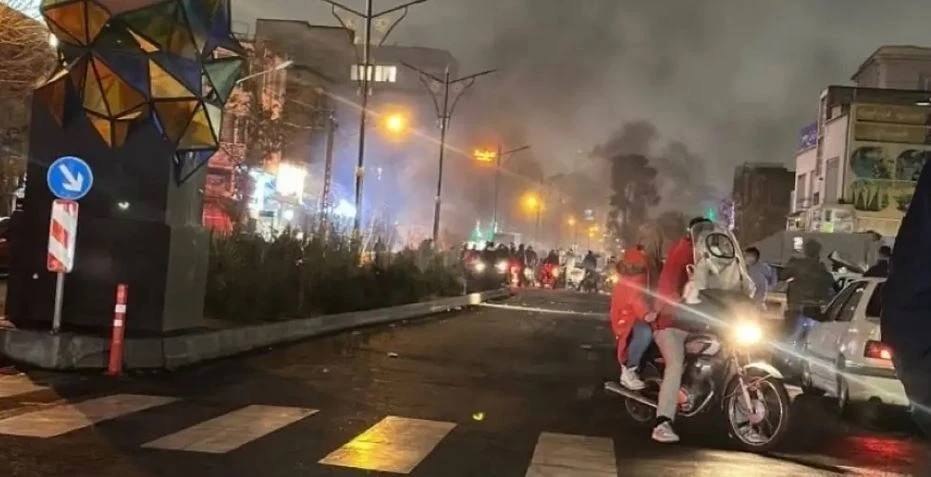
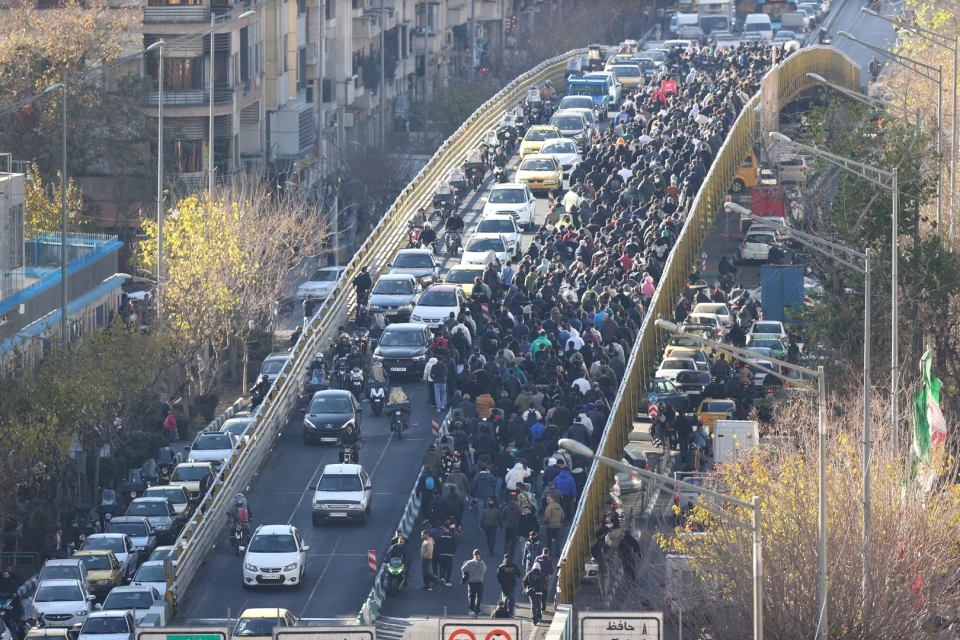
On Sunday, the administration of Iranian President Masoud Pezeshkian published the names of 2,986 people who died during the protests. According to official data, a total of 3,117 people have died, but the identities of 131 of them have not yet been established or differ from local databases. After resolving these discrepancies, the authorities promise to provide an updated list.
Human rights organizations report a significantly higher number of casualties. The American agency Human Rights Activists News Agency has confirmed the identities of more than 6,300 deceased and is verifying 17,000 reports of deaths.
The organization Iran Human Rights, based in Norway, estimates that the final figures could show up to 25,000 dead. The media platform Iran International reported the highest figure — 36,500 dead.
In light of these figures, Pezeshkian's administration noted that “unlike historical adversaries who treat human lives as mere numbers, the Iranian government values each deceased.” The statement emphasizes that “every Iranian for us is like an entire Iran, and the president, recognizing his moral obligations, sees himself as a defender of the people's rights.”
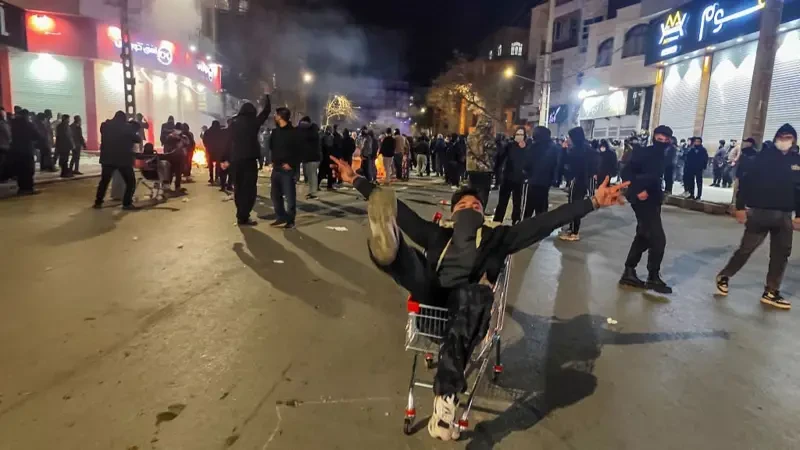
Khamenei, in his speech, also accused the protesters of attacking police, the Islamic Revolutionary Guard Corps, and other targets, including banks and mosques. “The coup has been suppressed,” the agency Tasnim quoted him as saying.
Protest participants told the BBC about the unprecedented brutality of the security forces' actions.