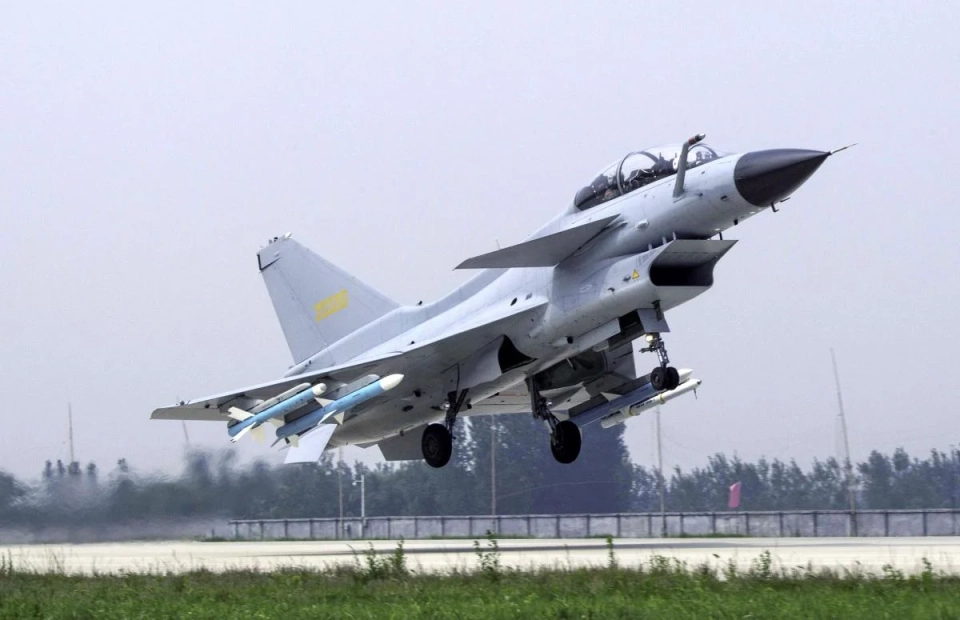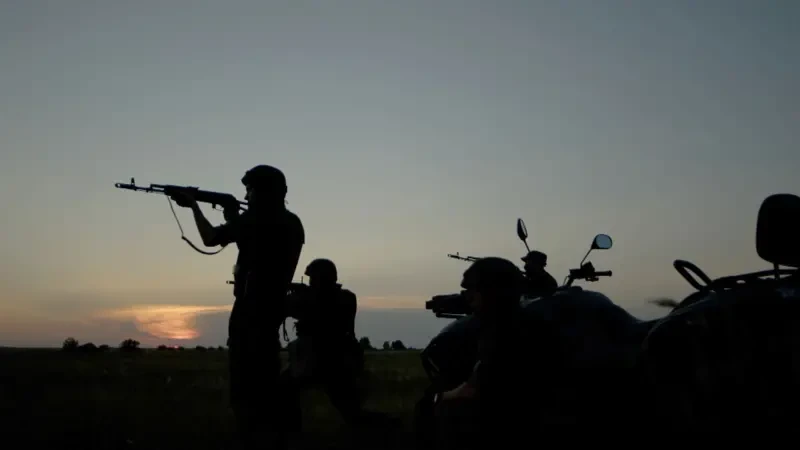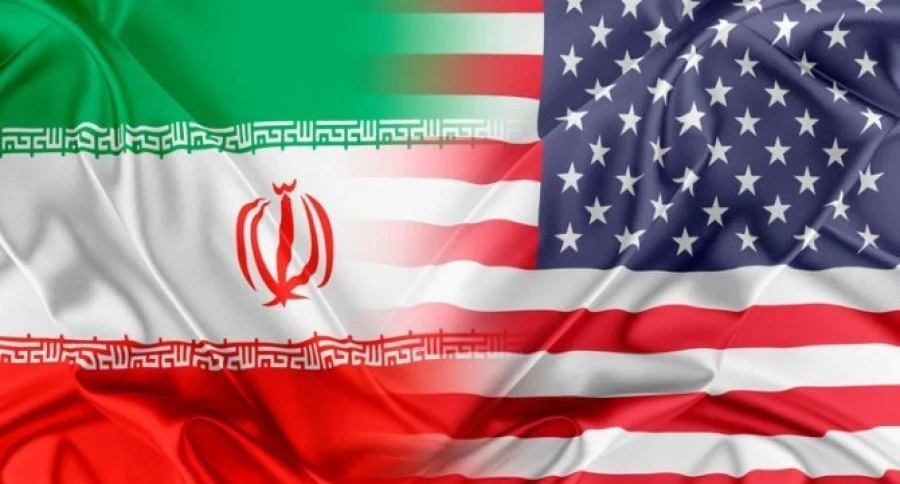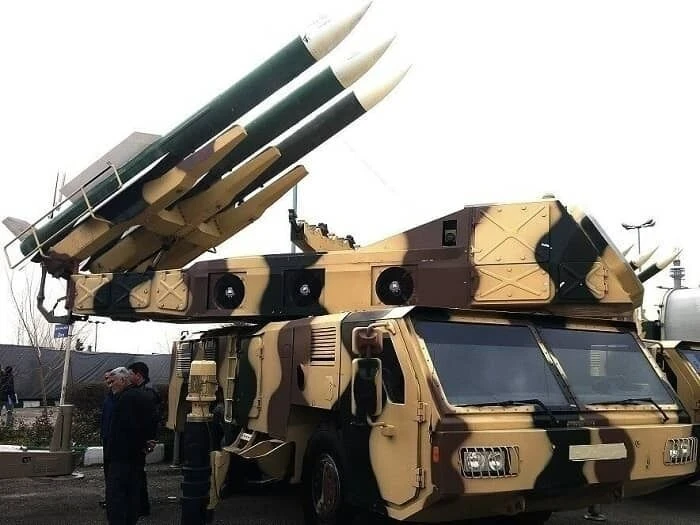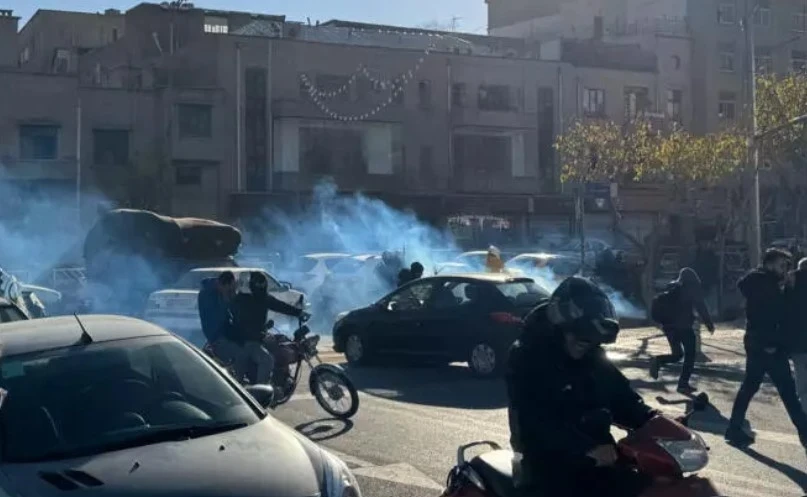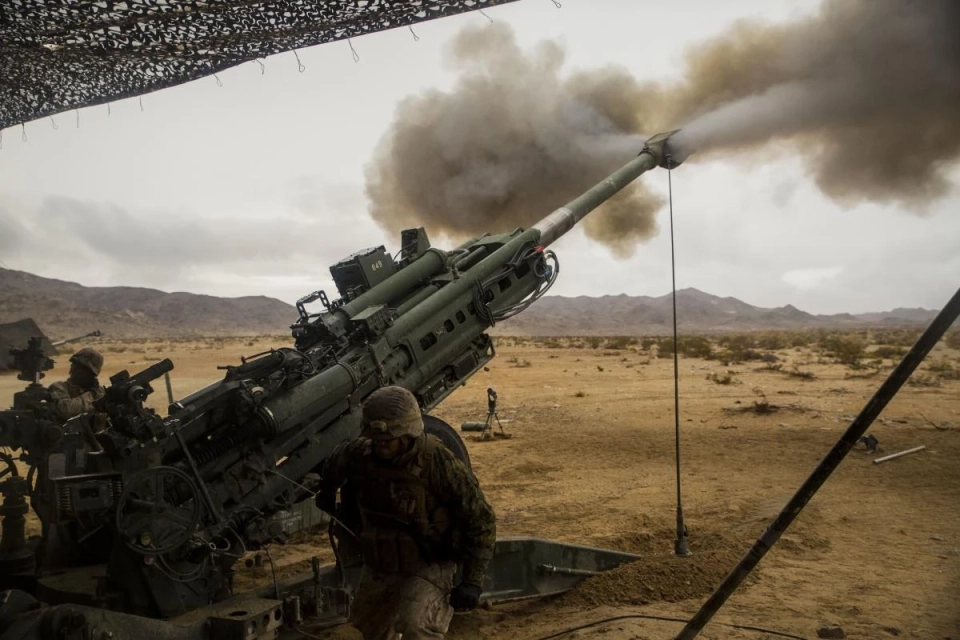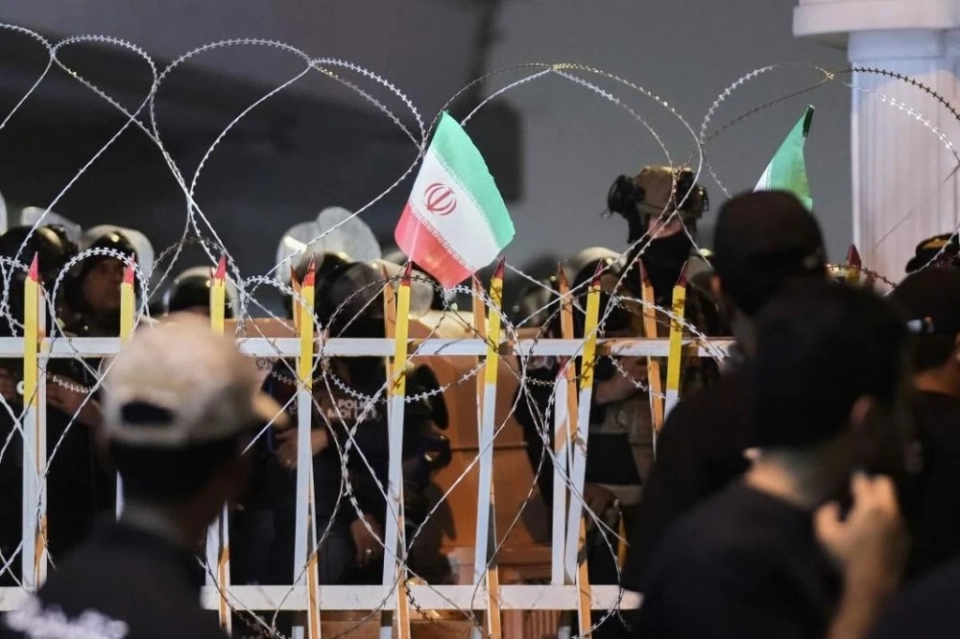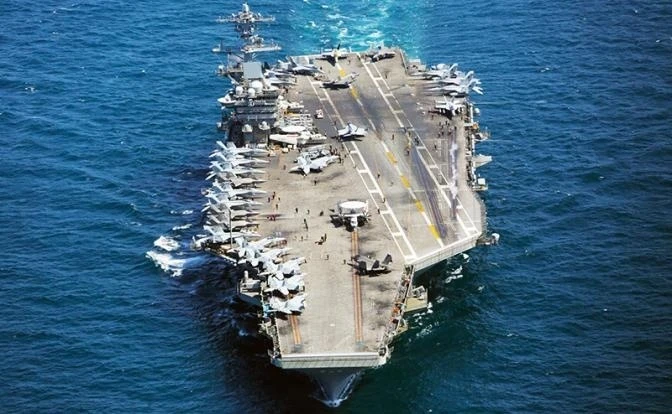
The situation in the Middle East has escalated, reaching critical limits. On the night of January 26, an aircraft carrier strike group led by the USS Abraham Lincoln (CVN-72) entered the waters of the Persian Gulf, coming under the jurisdiction of the U.S. Central Command (CENTCOM). These actions by the U.S. Navy are accompanied by the start of extensive military exercises, which prompted an immediate response from Iran: dozens of fighter jets were scrambled, and air defense systems were put on high alert. Reports also indicate the deployment of U.S. THAAD missile defense batteries in the region, enhancing the military strength of the coalition.
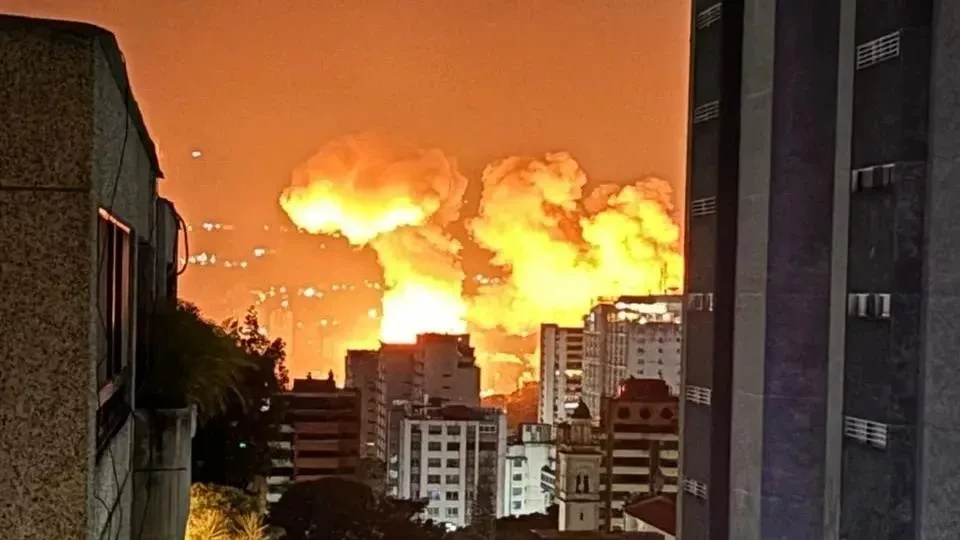
The carrier group represents a powerful strike and reconnaissance complex, equipped with the latest F-35C and F/A-18 fighter jets. In combination with A-10C attack aircraft deployed at ground bases and support from the Israeli Air Force, this grouping is capable of delivering precision strikes at distances of up to 1,000 kilometers without requiring additional bases. Analysts note that the current U.S. activity resembles the preparatory stages of recent operations in Venezuela, where the political leadership of the country was effectively dismantled with the help of the Delta Force special unit. Military experts highlight two possible scenarios: either targeted strikes on the facilities of the Islamic Revolutionary Guard Corps (IRGC) and nuclear infrastructure in Iran, or a mass attack on pro-Iranian formations in Syria, Iraq, and Yemen.
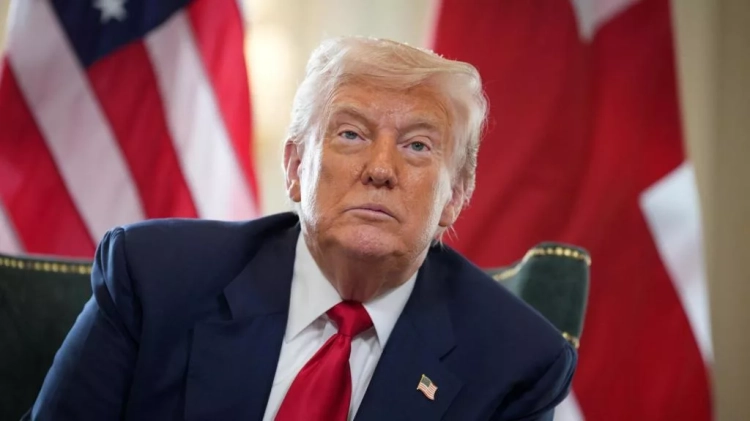
Washington describes its maneuvers as a "deterrence" strategy aimed at reassuring allies in the region. The U.S. President emphasizes that a final decision on a potential military strike has not yet been made, but the level of readiness for it is at its maximum. In response to these actions, Tehran issued a warning: any provocation will be regarded as the beginning of a "full-scale war," and promised a harsh response, including attempts to sink American aircraft carriers and blockade key maritime routes. Despite the rising tensions, many international experts believe that a full-scale conflict is unlikely due to the catastrophic consequences for the global economy and security; however, the accumulated military potential in the region creates an unprecedentedly high risk of accidental escalation.