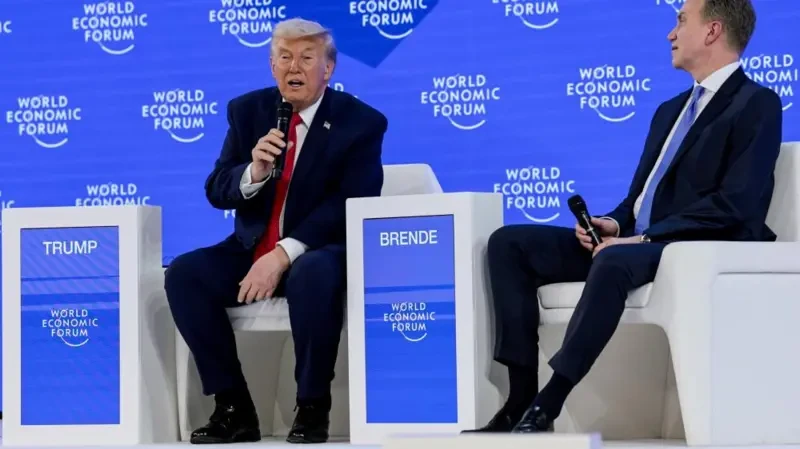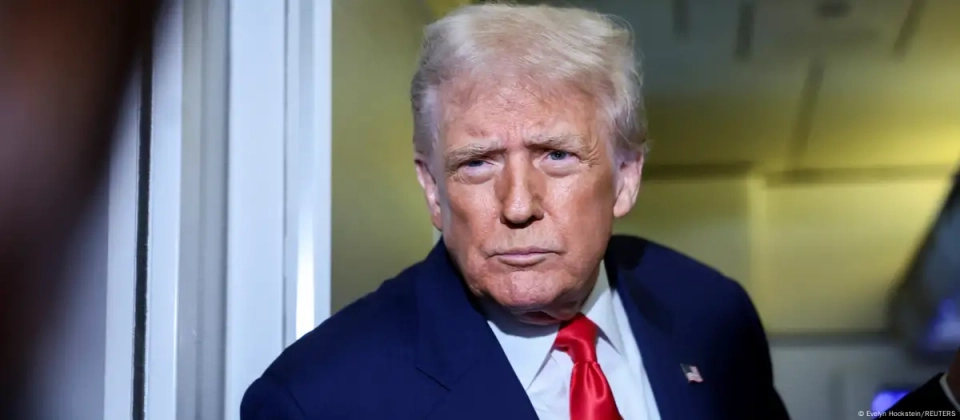
The report emphasizes that the absence of the American "umbrella" has become evident, raising serious concerns about the future of relations between America and Europe. Following recent events, such as Trump's speech in Davos and the crisis surrounding Greenland, expectations for the Munich Conference, which will begin on February 13, are becoming increasingly relevant.
Europe at risk without US protection
The Munich Security Conference (MSC) has existed for over six decades, but reports have only recently become part of its tradition, thanks to the efforts of the current chair Wolfgang Ischinger. The new report is one of the most pessimistic in recent times. It notes that previously, US allies could rely on "American power" and a general consensus on the foundations of the world order, but this now seems less reliable. Ischinger's opening remarks emphasize that the "era" of Europe's prosperity under US protection has come to an end.
What lies ahead for Europe? The report does not provide a clear answer, indicating that American security policy has become "unstable," shifting between support and pressure. The forecasts look grim: one scenario involves the dominance of "regional hegemons" setting the rules in their spheres of influence.
Russia's war with Ukraine: a new reality
In the ongoing conflict with Ukraine, which has lasted nearly four years, Russia is labeled as "one of the first victims" of the new world order. The report points out that instead of focusing on issues of sovereignty and international law, the war is becoming a subject of negotiation among influential leaders, where territorial and resource issues become bargaining chips. European countries are forced to adapt not so much to Russia's actions as to Washington's stance, which requires concrete steps, as "hope is not a strategy." Furthermore, recent events surrounding Greenland have shown the limits of adaptation.
Unlike previous years, this report pays less attention to Russia's war with Ukraine. The authors note that Moscow shows no desire to end the conflict, and while Europe continues to support Ukraine, this is done at varying speeds. There are significant financial disparities between the strong northeastern countries and the southwest of the continent, where many states cannot increase defense spending. The attempt to use frozen Russian assets to assist Kyiv has revealed the limitations of Europe's collective response to Russian pressure.
Changes in security perception: Russia loses threat status
Despite ongoing pressure from Moscow, residents of major Western countries have become less fearful of the threat from Russia. This is confirmed by the Munich Security Index, which is now part of the report. Surveys conducted in November 2025 across 11 countries revealed interesting results: the perception of threats from the US has increased, possibly related to recent events in Venezuela and around Greenland.
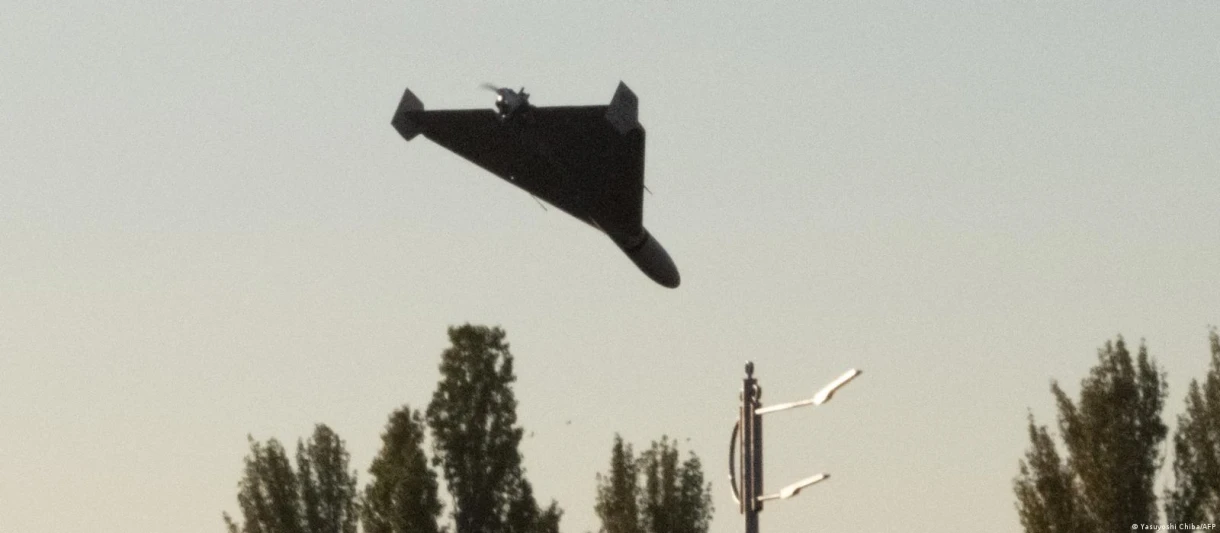
The authors of the report emphasize that the threat from Russia, in the eyes of respondents, has significantly decreased. In G7 countries, Russia has dropped from second to eighth place among 32 most serious risks. This result may seem strange, considering recent incidents involving Russian drones in Poland and Estonia. However, the risk of drone attacks was not included in the index as a separate factor.
Overall, despite the fact that in most surveyed countries Russia is seen as a greater threat compared to the US, Germany stands out with its perception: here, Russia ranks fourth in risks, although this figure has decreased by seven points over the year. The top three threats include cyberattacks, rising inequality, and radical Islamic terrorism.
The authors urge European countries to act more decisively, citing groups like the "vanguard," consisting of France, Germany, Poland, and the UK. Indecision, according to experts, could lead to Europe remaining in a "gray zone" between competing spheres of influence, highlighting the relevance of the findings of the Munich Security Report.