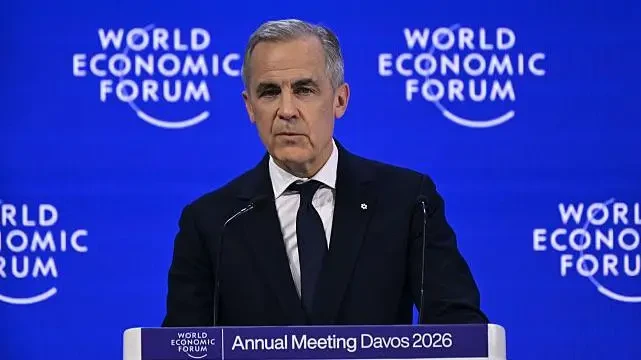
The specter indicates that the current global system, based on rigid transactions, creates difficulties for all participants, and he spoke about this in his comments. Carney, in his recent speech, emphasized that Western powers, operating within the system, have avoided mentioning the discrepancy between their words and actions for decades. According to him, "we participated in rituals and generally avoided pointing out the gap between rhetoric and reality." However, he adds that this "deal no longer works."
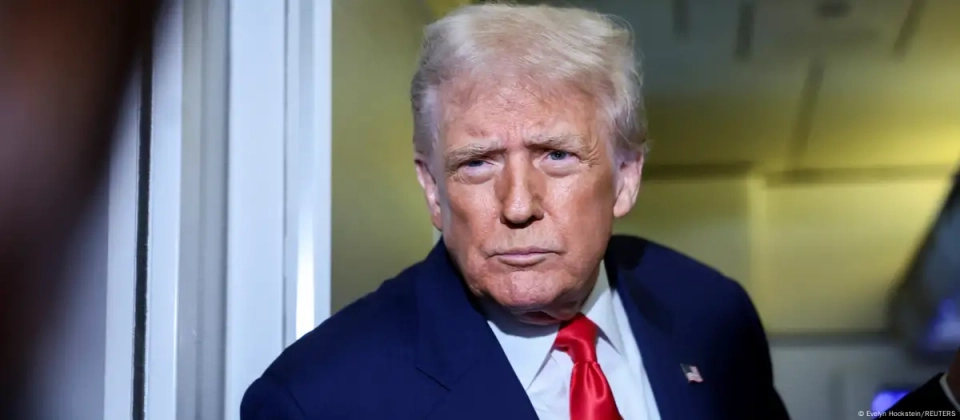
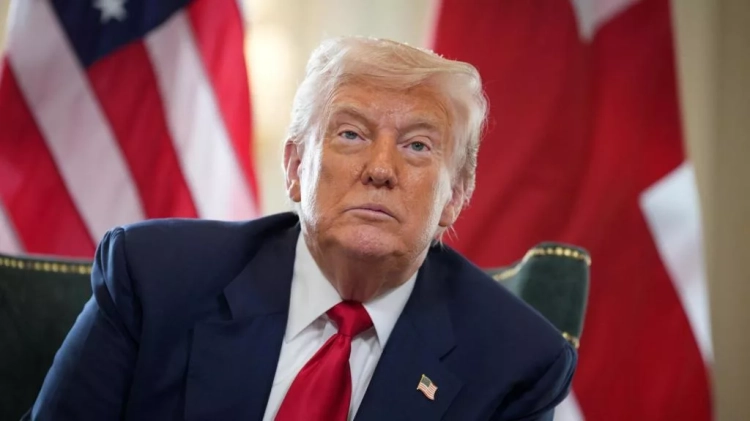
Carney also noted that the "gap" in the international system has resulted from the collapse of previous agreements. First and foremost, the United States, under Donald Trump's leadership, began to abandon the rules that upheld the international order, as well as the need to justify their actions by principles. He pointed out that with the disappearance of this semblance, serious problems may arise, as a world where great powers do not feel the obligation to morally justify their actions becomes not only less fair but also more dangerous.
The Dual Role of Hypocrisy
Historically, hypocrisy has played a contradictory role in international politics. On one hand, it has generated distrust among great powers; on the other hand, it has limited their power, forcing them to be accountable to the moral standards they themselves proclaimed. For example, during the Cold War, the United States used the language of democracy and human rights, even when their actions did not align with these ideals. This hypocrisy, in turn, provoked backlash from allies and non-aligned countries.
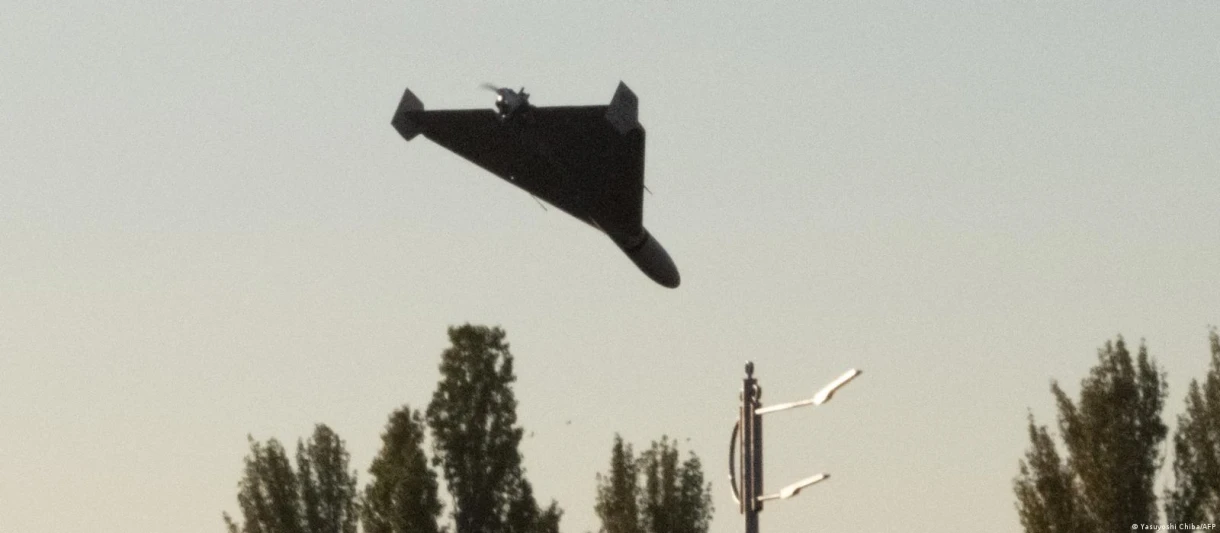
In the post-Cold War period, such pressure persisted. In 2003, when the U.S. invaded Iraq, they justified their actions by referencing international law, but these arguments did not hold up to scrutiny. Similar situations arose with drones, when international lawyers and organizations demanded accountability for U.S. actions. Every time Washington imposed sanctions, it had to justify its actions by referring to existing international norms.
A New Reality of American Politics
However, in recent years, this dynamic has changed. Today, the United States increasingly refuses to justify its actions with moral arguments. For instance, Trump, in withdrawing the U.S. from the Iran nuclear deal, did not claim that Tehran violated international norms; he simply called it a "bad deal." In response to the murder of journalist Khashoggi, he cited economic interests rather than strategic necessity. This approach has radically changed the conditions for weaker states, which can no longer use moral arguments against Washington's actions.
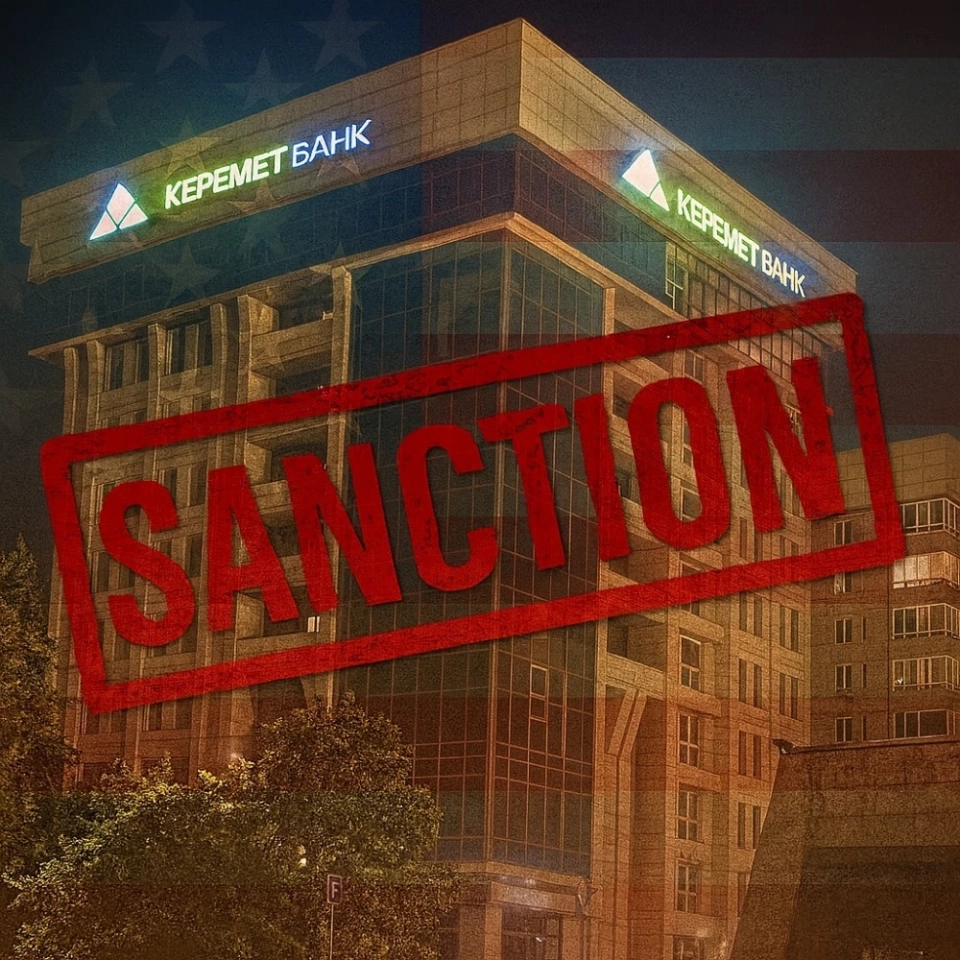
The refusal to provide moral justifications may seem like a solution to the problem of hypocrisy; however, it also creates new risks. Without the need to justify themselves, international disputes become increasingly direct tests of power, leading to the destabilization of the global order. For example, sanctions can now be imposed without explanations, complicating international relations and making conflicts more likely.
Countries of the Global South and New Challenges
The shift to a more transactional politics affects not only U.S. competitors but also its allies. For example, Brazil, which previously used international trade rules to protect its interests, now faces new challenges. Trump imposed tariffs on Brazilian exports, not justifying them by violations but in response to internal political events in the country. This led Brazil to become less dependent on the U.S. and deepen its ties with China.
Similarly, Germany, which has long been a key ally of the U.S., has begun to shift its policy focus. Trump has adopted overtly transactional approaches, forcing Berlin to reassess its dependence on Washington and strengthen its internal and external positions.
Canada is also affected by these changes, facing threats of tariffs and demands to adapt its policies. In response, the country has begun diversifying its trade relations and strengthening ties with other powers.
Conclusions
The refusal to provide moral justifications may seem like a significant step forward, but it also threatens fragile international relations and could lead to more conflicts. Hypocrisy, despite its flaws, has played an important role in limiting the power of states and allowing weaker countries to challenge dominance. Without this mechanism, the international system becomes more vulnerable to the whims of great powers, necessitating a reassessment of approaches to international politics.