The economic situation in the country is deteriorating, and the decline in the incomes of Kazakhs has become alarming. Economic journalist John Sindry notes that last year there was an increase in investor interest in the securities of emerging markets, including Kazakhstan, for short-term gains.
Sindry emphasizes that the influx of "hot money" through carry trade could have a destabilizing effect on the country's economy.
Kazakhstan's bonds, denominated in tenge, offer a potential annual yield of 16% against an expected inflation rate of 11%, making them more attractive compared to dollar bonds. However, such an investment strategy makes investors vulnerable to fluctuations in the national currency's exchange rate and changes in monetary policy.
Among the countries whose bonds became attractive to carry traders in 2025 are those that recently declared default (such as Zambia and Ghana) or received large loans from the IMF (like Egypt and Pakistan). Despite this, the volume of the debt market of frontier economies in national currencies has doubled over the past decade, reaching one trillion dollars. In 2025, this segment turned out to be one of the less volatile, as emerging market economies cannot afford sharp fluctuations in exchange rates and are conducting more active currency interventions.
Experts believe that Ghana and Kazakhstan, which traditionally issued bonds in dollars and euros, have begun to attract "hot money" to their narrower local markets.
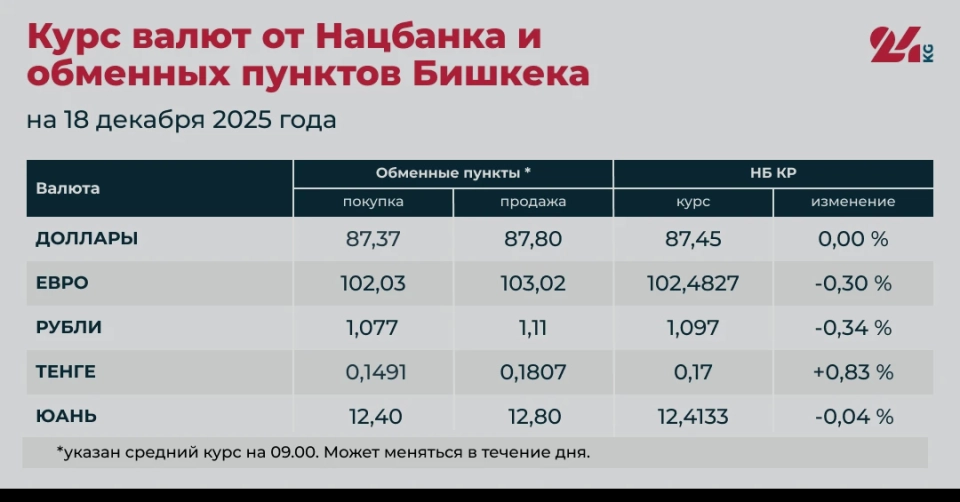
The influx of foreign investment may temporarily strengthen the tenge (as happened at the end of 2025 after the increase in the base rate), but this is no reason for optimism. "Hot money" can leave the market as quickly as it arrived. The analyst notes that the increase in Kazakhstan's gold reserves is a precautionary measure; the country is rightly seeking to bolster its reserves in times of instability.
Short-term investments in local currency bonds may create an illusion of stability; however, they could significantly exacerbate the crisis if investors begin to withdraw their funds en masse through narrow "doors" of the market, concludes John Sindry.
Previously, analysts warned that the sharp strengthening of the tenge at the end of 2025 might only be temporary. If foreign investors decide to sell their Kazakh securities en masse, it could lead to a collapse of the national currency's exchange rate.