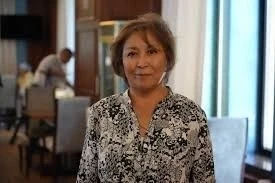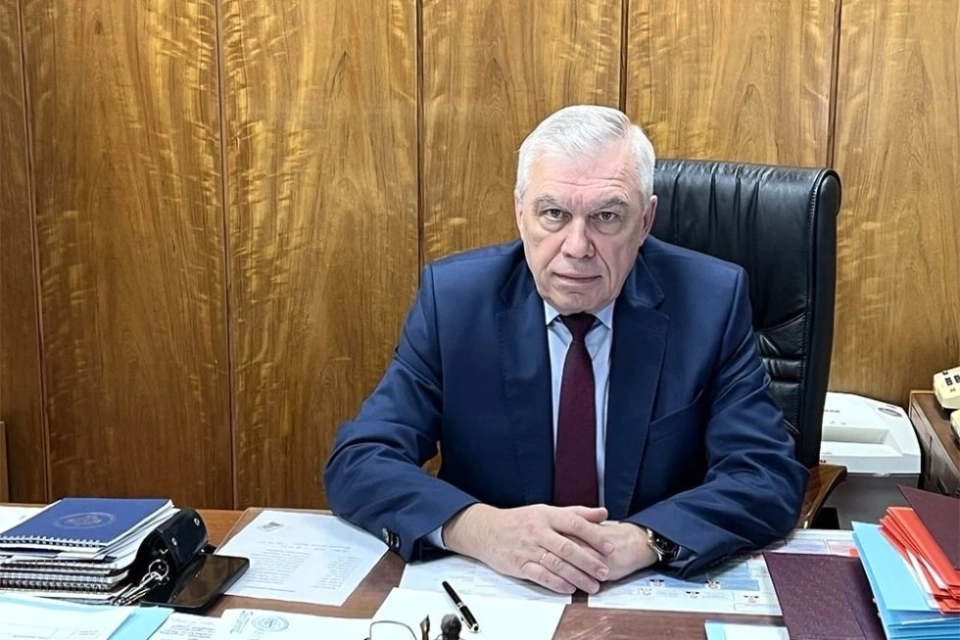
The Creative Industries Park (CIP) in Kyrgyzstan actively promotes the development of the creative economy by offering a unique tax regime. Kanyshai Mamytova, the director of CIP, spoke about the park's progress, the benefits for residents, and new legislative initiatives.
Mamytova noted that the park encompasses a wide range of creative industry sectors. The CIP was founded by the Association of Creative Industries, which initiated the creation of a special tax regime.
During the Create 4 festival in 2022, which was attended by the country's president, the potential of the creative sector was showcased. In the same year, a presidential decree on the development of the creative economy was signed, a law on the Creative Industries Park was adopted, and a development concept was approved.
In 2023, amendments were made to the Tax Code and the law on social contributions tariffs, and a new regulation on the Supervisory Board was approved. A key moment was the formation of a list of activities that can be undertaken by park residents. In December 2023, the government approved this list.
In February 2024, the composition of the Supervisory Board was finalized, which includes seven members, including the deputy ministers of economy and finance. The registration of the CIP directorate as a public fund took place in April 2024.
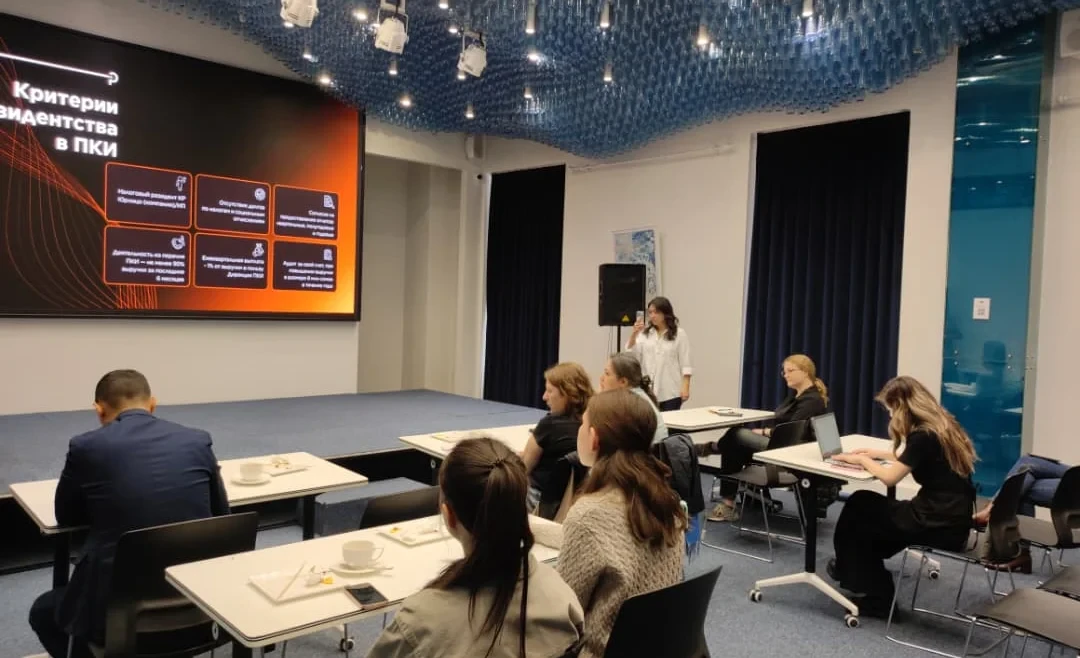
“To become a resident of the park, it is necessary to meet certain criteria and follow established rules to receive tax benefits,” Mamytova explained.
She listed the main requirements for joining:
- having the status of a tax resident of the Kyrgyz Republic; foreign citizens and companies must register in Kyrgyzstan;
- no outstanding tax or social contribution debts;
- agreement to provide reports quarterly, semi-annually, and annually;
- engaging in activities from the approved list of CIP;
- quarterly payment of 1% of revenue to the CIP directorate;
- conducting an audit at one's own expense if revenue increases to 8 million soms within a year.
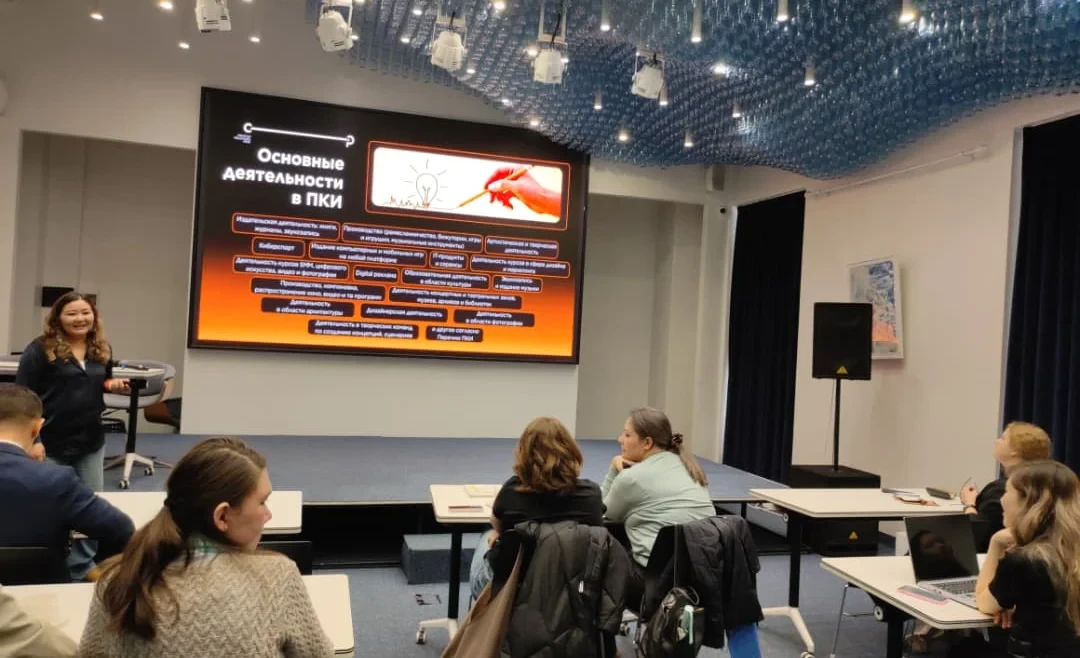
As of today, the list of activities for the CIP includes 72 sectors. The Supervisory Board can annually approach the Cabinet of Ministers with proposals to add new types of activities.
Adelya Klycheva, Akmaral Abdalieva