This document is intended to strengthen measures against money laundering and the financing of criminal activities. The changes also affect a number of other regulatory acts of the National Bank.
According to information from the National Bank, this decision is driven by the need to adapt existing rules to the updated legislation of Kyrgyzstan, including Law No. 26 of January 23, 2025, and Government Resolution No. 739 of November 14, 2025, as well as to international FATF standards.
The new rules will come into effect on January 14, 2026.
The document outlines mandatory requirements for internal control in exchange offices, including risk management, customer identification, and monitoring of financial transactions.
Among the main requirements that exchange offices must comply with are:
- the development and approval of internal rules regarding AML/CFT, taking into account the specifics and scope of their activities;
- the appointment of a responsible person for compliance with AML/CFT regulations;
- the identification and verification of customers in cases provided for by current legislation;
- the analysis and assessment of risks associated with customers, transactions, and service channels;
- the provision of documentation and information storage regarding customer transactions;
- the timely provision of data and reports to competent state authorities.
An important aspect of the new requirements is staff training: employees of exchange offices are required to regularly undergo training courses on AML/CFT issues and be aware of the signs of suspicious transactions.
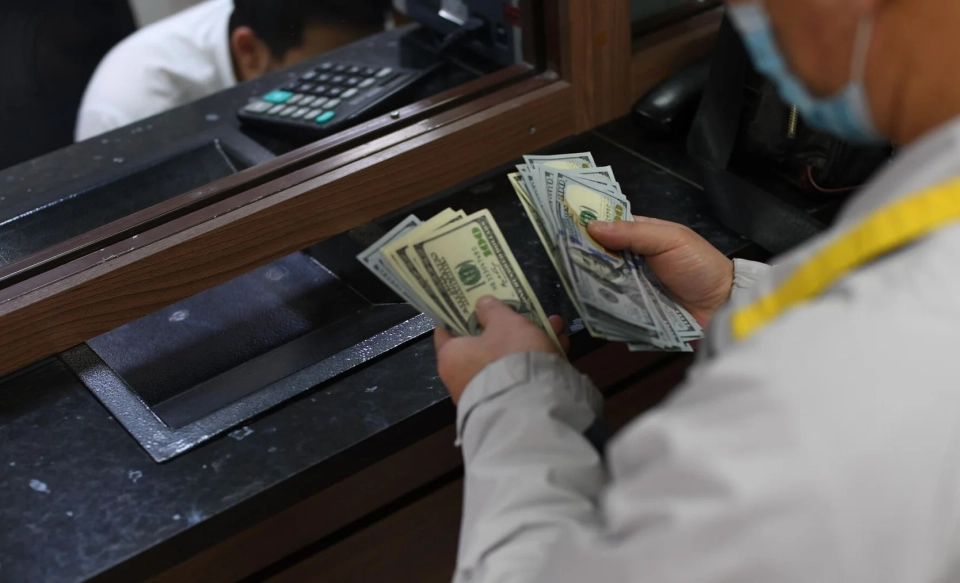
In accordance with the new rules of the NBKR, when conducting a one-time transaction or interconnected transactions for the exchange of cash currency in the amount of from 100,000 to 1 million soms (or the equivalent in foreign currency at the official exchange rate at the time of the transaction), the exchange office must establish the identity of the customer based on an original identification document.
For citizens of the Kyrgyz Republic, such documents may include:
ID card,
general civil passport,
birth certificate (for persons under 16 years of age),
military ID or national driver's license with TIN, including digital documents from state information systems.
Foreign citizens must provide their country's passport or residence permit, and refugees must provide documents confirming their status.
In addition to identification, employees of the exchange office are required to check customers against sanction lists in accordance with legislative requirements.
The document also establishes the obligation for exchange offices to immediately respond to identified transactions subject to mandatory control or that raise suspicions, in accordance with the law.
The National Bank emphasizes that compliance with these norms is mandatory for the functioning of exchange offices and is aimed at reducing the risks of using currency transactions for illegal purposes.
The full text of the document can be accessed by following the link.