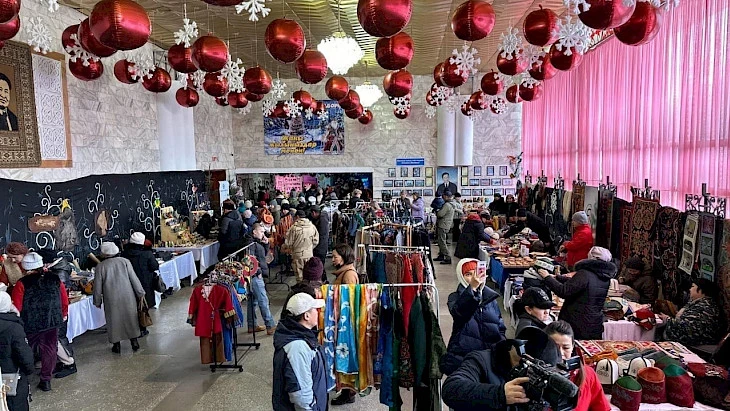
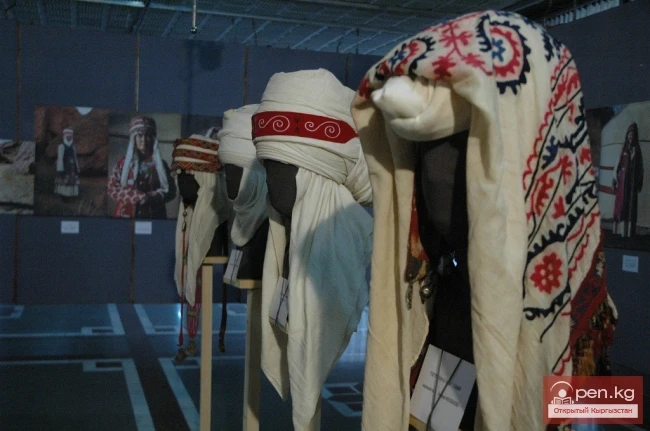
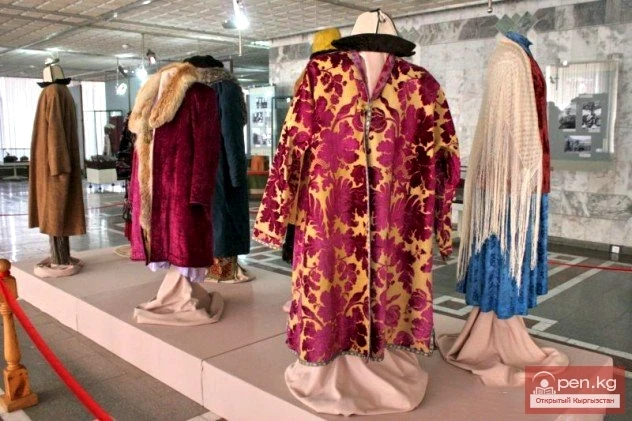
This part of the event, dedicated to the national headwear, became one of the most vibrant.
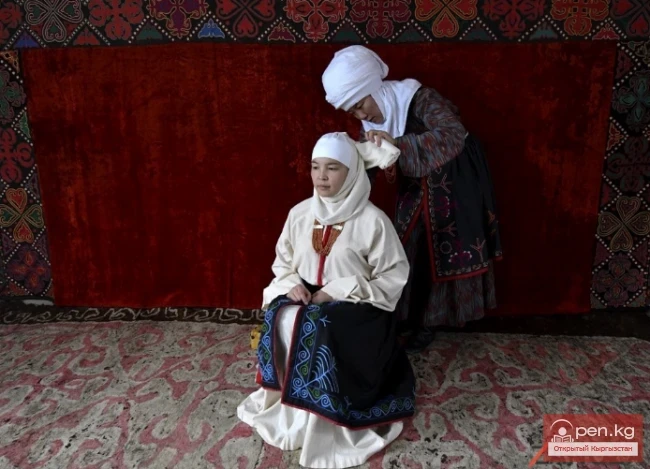
During the demonstration, the artisans dressed willing participants in the elechek and shared its historical context, significance, and rules of wearing it. This was particularly interesting for the audience, who could see the elechek in action and learn how to wear it correctly.
According to Gülbary Shadakova, a mother from Jeti-Oguz, she and her colleagues have been promoting the Kyrgyz national headwear for three years.
“Previously, 40–45 meters of fabric were used to wrap the elechek, but now only 18 meters are needed. With each turn, women express good wishes, and each wrap must be neat and even. We encourage women to wear the elechek at cultural events, preserving traditions,” she noted.
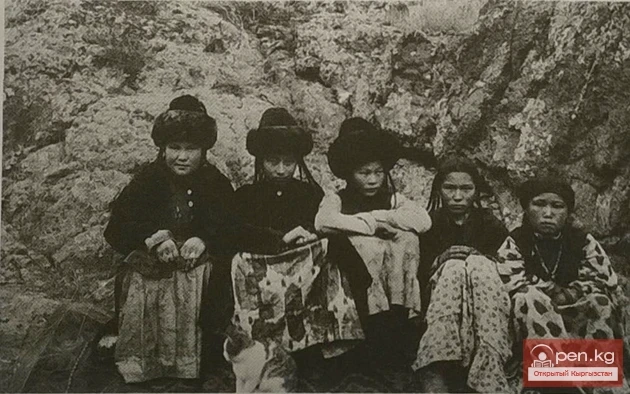
- For the Kyrgyz people, the elechek is not just a headwear, but a symbol of wisdom, purity, and dignity of women. In ancient times, women who wore the elechek blessed the youth, offered guidance, and were held in special respect in society.
“In the upper part of the elechek, women kept various small items. Moreover, the elechek was very useful in nomadic life. For example, when a child was born, it was used for swaddling. In urgent situations, it could serve as a tablecloth, and in a nomadic lifestyle, it was used for bandaging wounds of those injured on the road, and in case of misfortune, it was also used as a shroud,” the artisans from Jeti-Oguz shared.
They also shared customs and beliefs associated with the elechek. One of them states that if there is a grievance among family members, it should dissipate by the time the fabric of the elechek dries after washing.
“When washing the elechek, its fabric and lining dry quickly in the sun,” the women noted.
Their main goal is to glorify the history, culture, and spiritual values of the Kyrgyz people through the elechek.