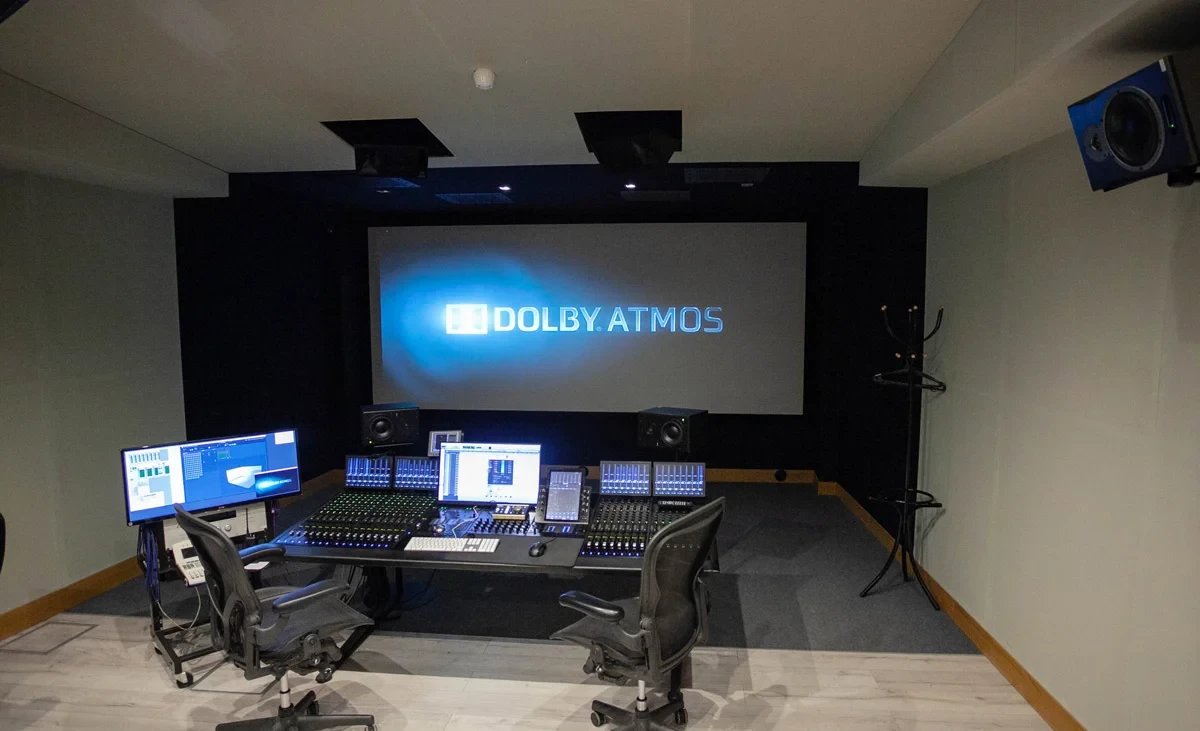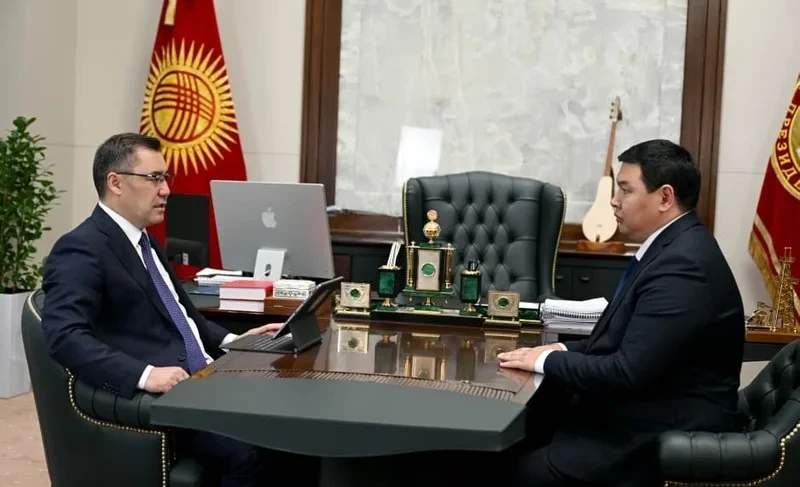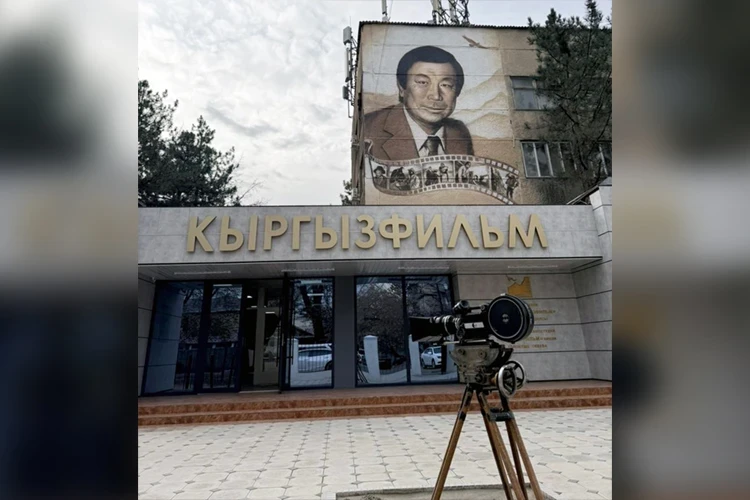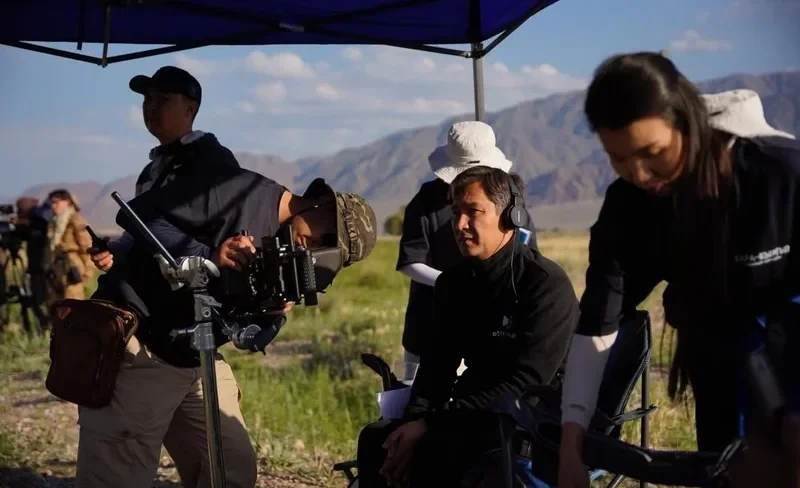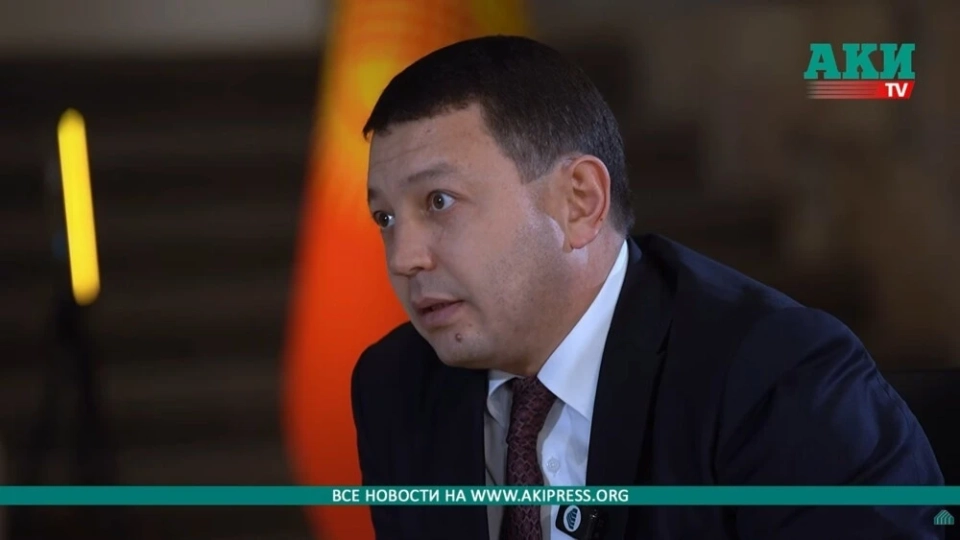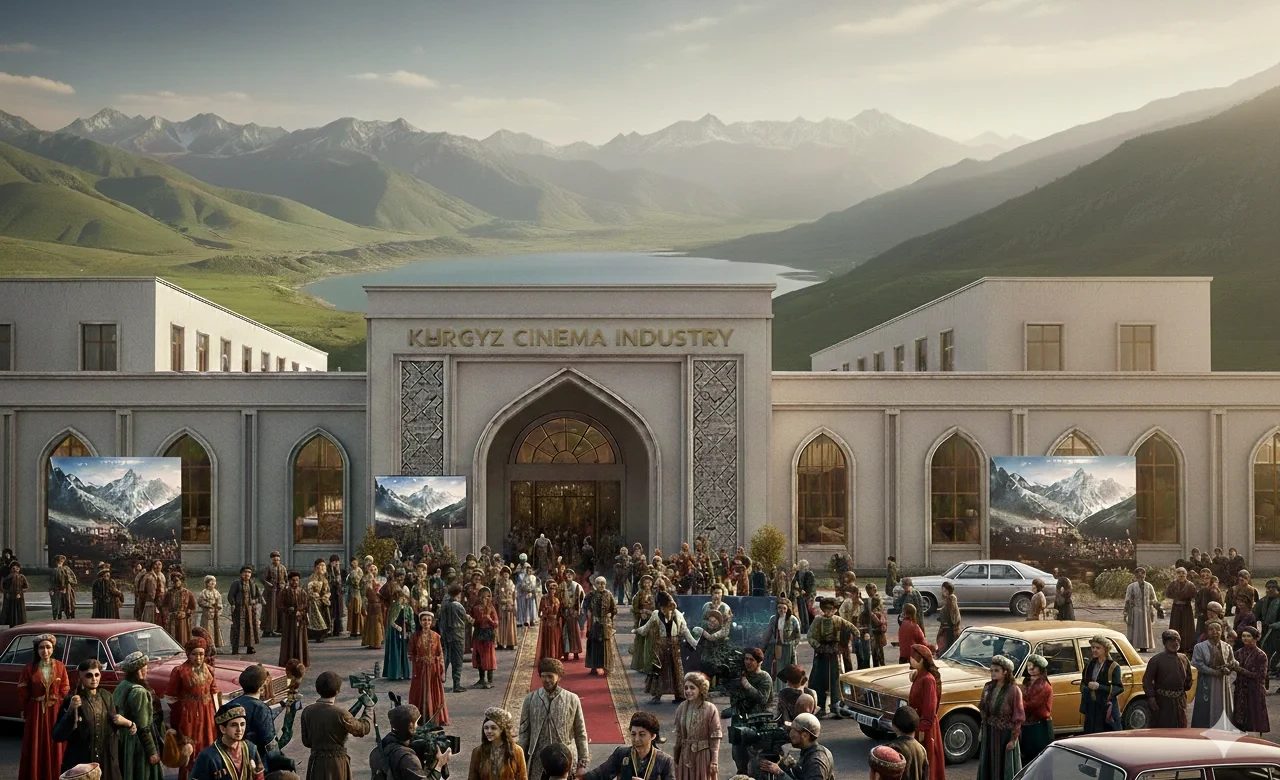
The Deputy Minister of Culture, Information and Youth Policy Marat Tagaev reported at a meeting of the Jogorku Kenesh that Kyrgyz filmmakers are forced to seek voiceover services outside the country, which costs them between 15,000 to 20,000 dollars per project. The opening of a new recording studio that will meet Dolby Atmos standards will not only reduce costs but also close the production cycle within Kyrgyzstan. The construction of the first film studio in the country’s history is expected in 2026.
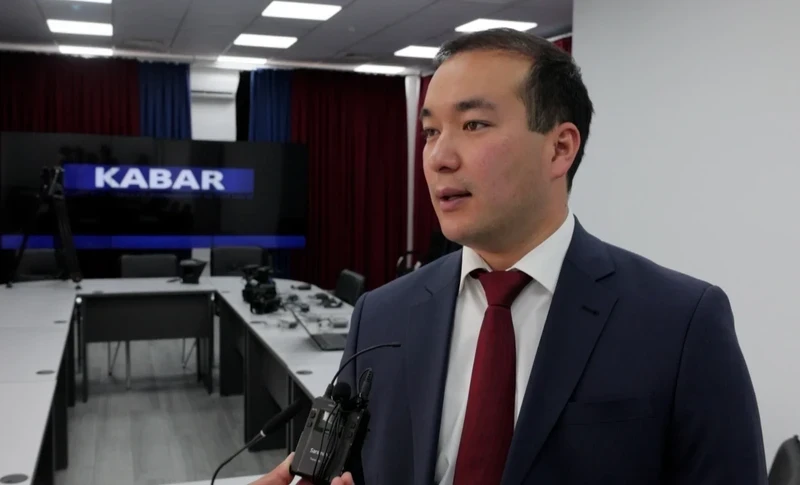
Over the past five years, there has been a significant increase in state funding for the film industry, which has grown tenfold. Until 2020, less than 100 million soms were allocated for these purposes, but:
- in 2023 — 354 million soms
- in 2024 — 377 million soms
- in 2025 — 1 billion 20 million soms
- in 2026 — 988 million soms
New Strategy: From Festival Cinema to Commercial
For many years, Kyrgyz cinema has had an educational and festival character. Starting in 2026, it is planned to change this strategy by creating a new direction within "Kyrgyzfilm" that will focus on the production of commercial and audience-oriented films.
The government intends to finance 2-3 commercial films annually that will be aimed at wide release and return on investment. This step is aimed at borrowing the successful experience of the private sector, which has already proven that Kyrgyz films can generate significant revenue.

Kyrgyzstan demonstrates impressive results in film production: annually, between 80 to 100 films are shot here. In global rankings, the republic ranks among the top five countries with the highest number of national films per capita.
In recent years, numerous feature-length films, documentaries, short films, animations, and series have been created. The institution "Kyrgyzserial" actively produces projects for national television and digital platforms.
Cinemas and Regional Development
Currently, there are 37 cinemas operating in Kyrgyzstan. In 2024, 20 of them will be leased to private investors for management optimization. Additionally, there are plans to transfer another 10 regional cinemas into private hands through open auctions.
Modernizing the cinema network is a key factor for the development of commercial cinema, as the process will be hindered without modern halls.
The government is also focusing on the creation of large historical films. In 2026, work will begin on the adaptation of the novel "Syngan Kylch" by Tologon Kasymbekov, which is considered one of the significant works of Kyrgyz literature.
Moreover, directors whose works receive awards at "A" class festivals will be granted creative "carte blanche". For example, Aktan Arym Kubat is preparing an adaptation of the story "Ajar" by Kasymaly Bayalinov.
Animation and Support for Children's Content
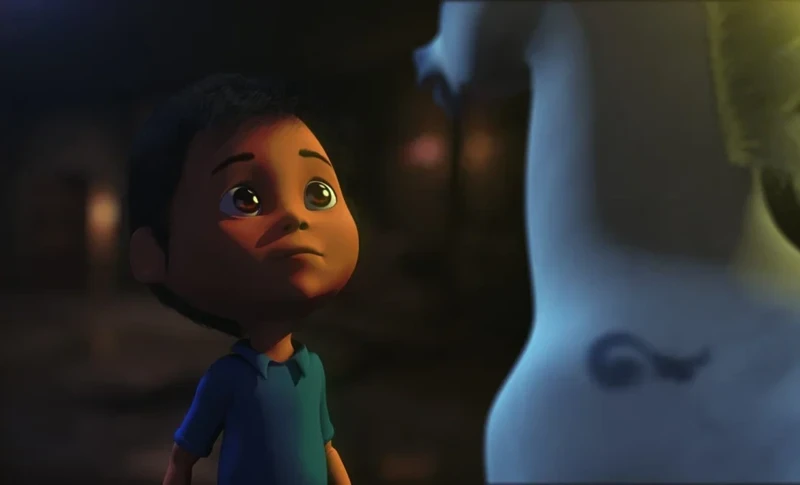
Special attention is being paid to animation in the Kyrgyz language. In 2026, 50 million soms will be invested in this area, of which 30 million will go towards creating new cartoons, and the remaining 20 million will be used for professional dubbing of well-known animated films.
The global film industry has long proven its ability to generate economic benefits.
For comparison:
- The annual revenue of the global film industry before the crisis exceeded 40 billion dollars;
- Hollywood films generate income not only from box office but also from streaming, licensing, merchandising, and tourism;
- In South Korea, films and TV series have become part of "soft power," bringing billions of dollars in export revenue to the country every year.

Thus, Kyrgyz cinema is in the process of transforming from narrowly focused auteur cinema to a full-fledged industry. With transparent rules, healthy competition, and consideration of audience needs, cinema can become not only an important element of the country's cultural identity but also a significant sector of the economy.