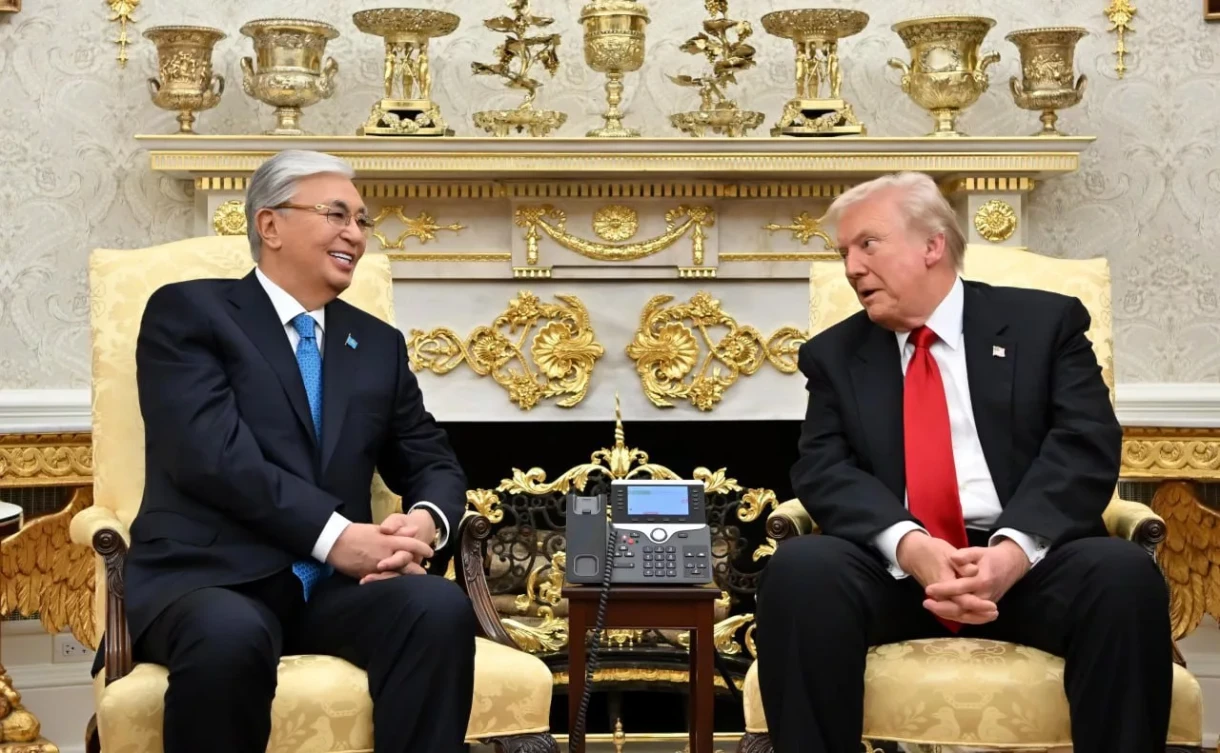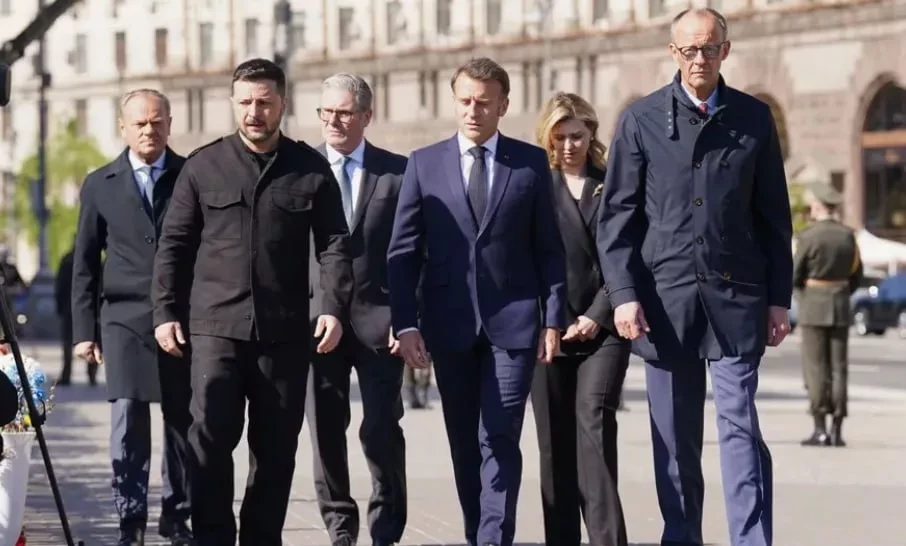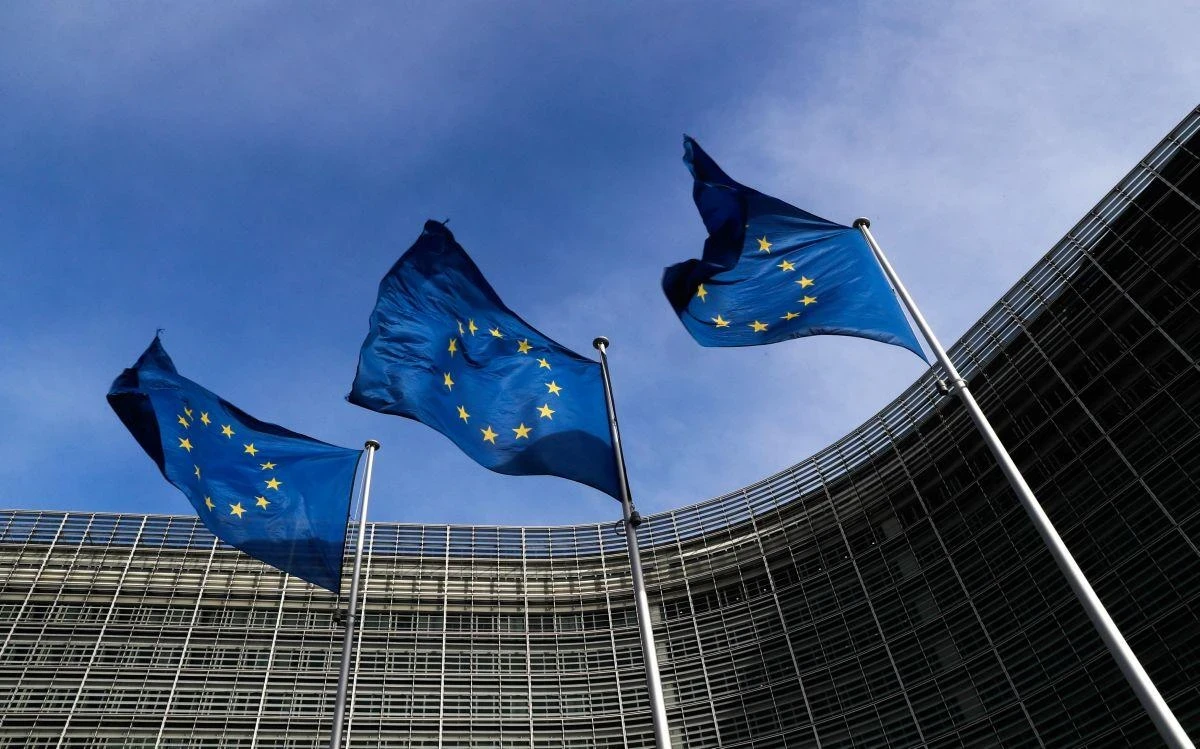
US President Donald Trump, puzzled by the reluctance of key European countries to "acquire" or take control of Greenland, announced the introduction of additional 10% tariffs on goods from Denmark, Norway, Sweden, France, Germany, the Netherlands, Finland, and the United Kingdom starting February 1. From June, these tariffs will be increased to 25%. These new measures will complement the existing 15% EU tariff, agreed upon by Ursula von der Leyen last year in response to US threats to raise rates to 50%.
The finance ministers of Germany and France have already expressed their determination not to allow economic blackmail from the US. Unlike Trump's previous tariff threats, which were related to trade deficits, the current measures clearly have a political undertone. The Instrument against Coercion views such actions as economic pressure with the intent to achieve specific outcomes. Thus, any country entering into conflict with one of the EU member states faces resistance from the entire single market.
This mechanism has certain parallels with Article 5 of the NATO charter, which states that an attack on one member of the alliance is considered an attack on all.
However, unlike NATO, the EU does not depend on the presence of the US within its structure, allowing it to act against Washington under the Instrument against Coercion without jeopardizing the interests of other American partners.
The law regulating the application of the Instrument against Coercion outlines the procedure for filing a complaint and subsequent actions. The process can be initiated either at the request of a member state or on the initiative of the European Commission.
If coercion is established, the first stage involves seeking solutions through dialogue. The application of economic countermeasures is not a priority step and is considered only in extreme cases, taking into account necessity and proportionality. Possible measures may include the introduction of tariffs, restrictions on imports and exports, trade services, as well as reducing access to financial and banking markets.
Thus, this mechanism provides the EU with the opportunity to limit the "offender's" access to a significant portion of the single market, while ignoring existing international agreements.