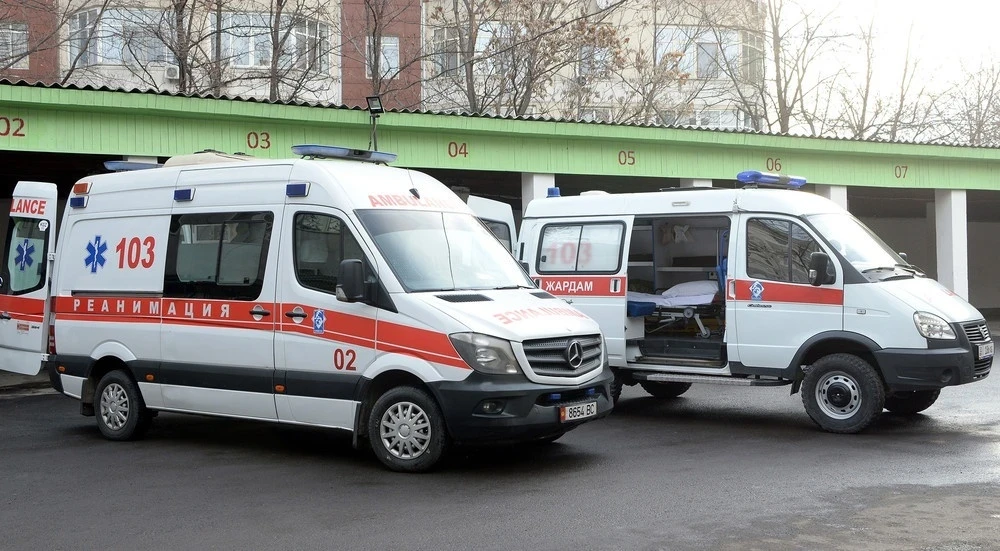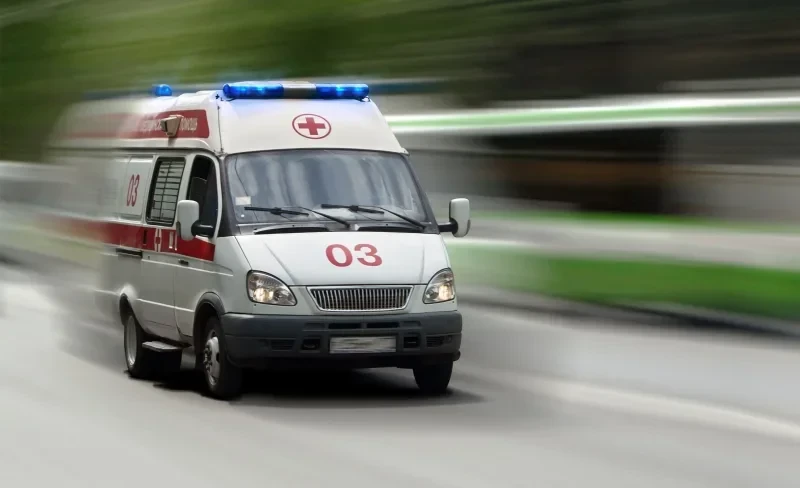

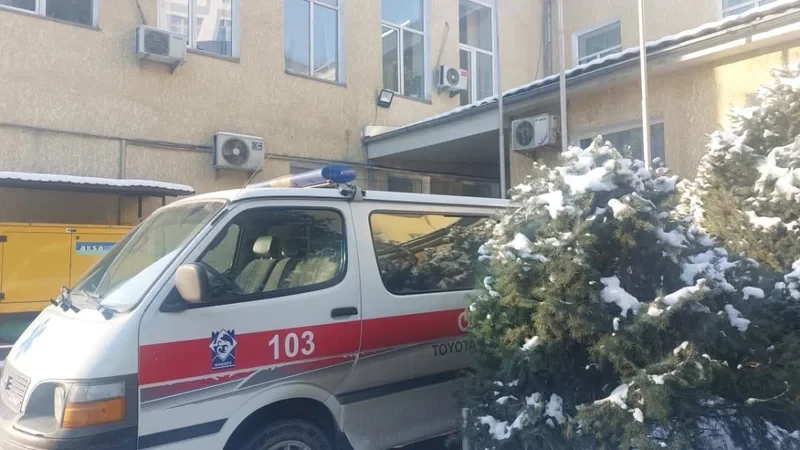
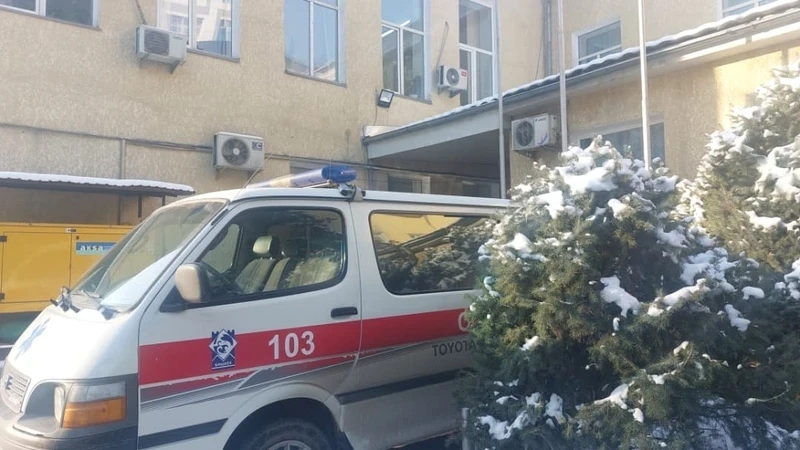
In Bishkek, calls to the emergency medical service at number 103 are accepted around the clock. According to the latest data, the capital's population has exceeded 1.2 million people. This creates a need for a sufficient number of ambulances to respond promptly to calls. Residents report frequent delays in ambulance arrivals and long wait times for responses to calls. To address these issues, plans are in place to increase the number of ambulance stations and vehicles in the city in the near future.
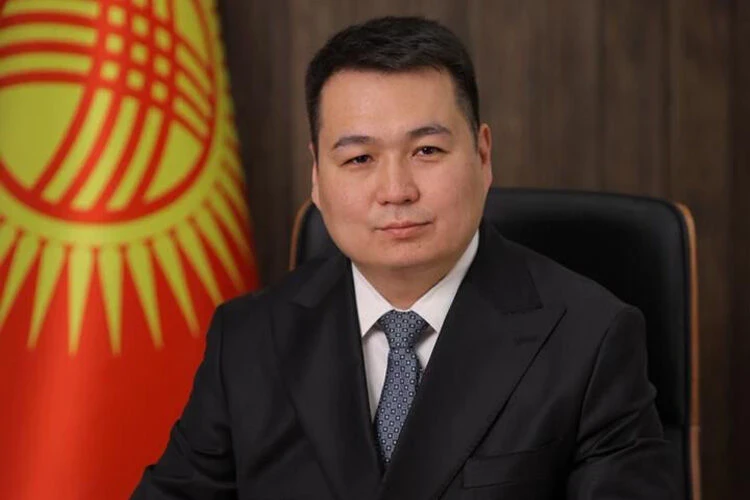
The "Kabar" agency spoke with Iskender Shayahemtov, the director of the Emergency Medical Center, about the current capabilities and plans of the service.

— Currently, our Center employs 210 doctors and 365 nurses. Previously, the shortage of medical personnel was significant: last year, 98 vacancies remained unfilled. However, after a salary increase of 20,000 soms initiated by the president, the situation improved: now there are 32 vacant positions left. The number of vacancies has decreased threefold. The city has five stations, where 22 teams operate, and there are 42 ambulances on duty around the clock.
The first station is located in the "Ak-Bosogo" area in northern Bishkek, the second near the "Manas" cinema, the third in the village of Lebedinovka, the fourth on Young Guard Boulevard and Ryskulov Street. The fifth station, opened two years ago, is located in the "Ak-Orgo" residential area. These 42 teams respond to calls from surrounding areas, but this number is still insufficient. In Soviet times, 59 teams served 540,000 residents of Frunze. Now, with a population of about 1.3 million, 42 teams cannot ensure the necessary response speed.
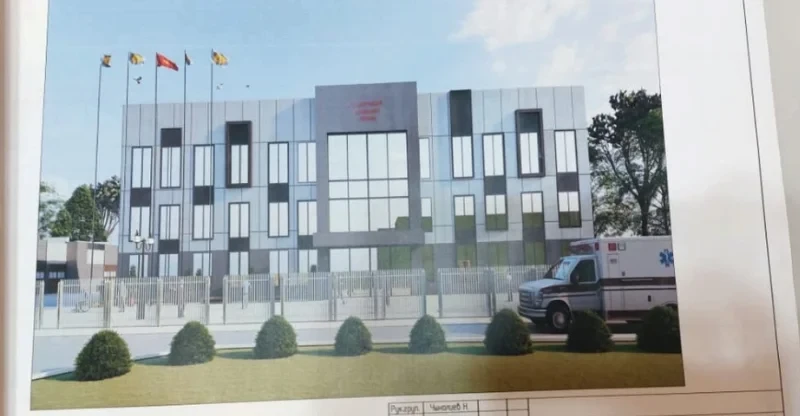
— Yes, you are right. In this area, high-rise buildings are popping up like mushrooms, and it is served by only one station. We plan to open a new unit, and the project documentation is already ready. The Minister of Health has supported this initiative. In the coming days, we will inspect the site for construction and discuss the details. After the opening of the new station on Suerkulova Street, which will house 15 teams, the response time for doctors to calls will be significantly reduced to no more than 10-15 minutes.
Additionally, Zhukeev-Pudovkin Street has been extended and paved, and a road is currently being built from the village of Orto-Sai to April 7 Street. The opening of the new station will improve access to neighborhoods, as traffic jams on the roads will no longer pose a problem. Previously, when responding to areas, ambulances often faced congestion. With the opening of the station in "Ak-Orgo," the travel time to Archa-Beshik, Ala-Too, and Ak-Ordo has been reduced to 10-15 minutes thanks to road repairs.
— The responsibility for the doctors lies with our Center, while the vehicle fleet is managed by the ministry. Currently, we have 83 vehicles at our disposal, of which 30% are not operational. As mentioned earlier, 42 teams operate daily. This year, the ministry plans to provide us with 40 new ambulances in two phases, which will significantly improve our work. The city administration has allocated buildings in the villages of Maevka and Jal, but they need to be renovated, so these units are not yet operational. A Family Medicine Center and an ambulance station are being built in "Kok-Jar," where five teams will work. After the arrival of 18 new vehicles, they will be dispatched to these stations, and we will immediately put them into operation, increasing the number of stations to ten.
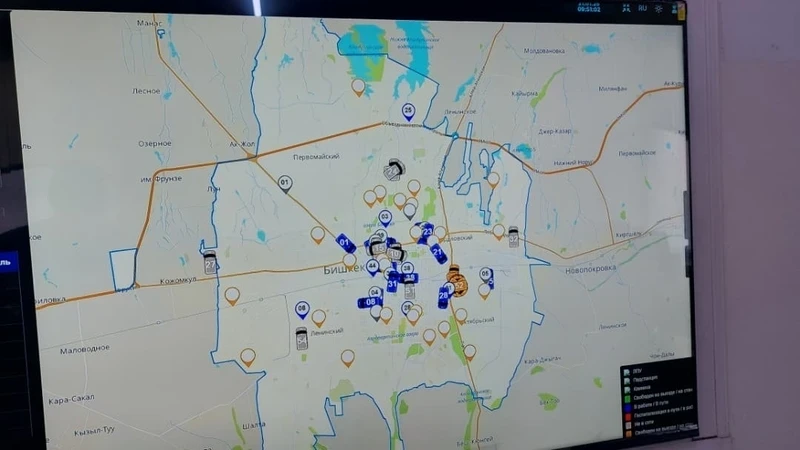
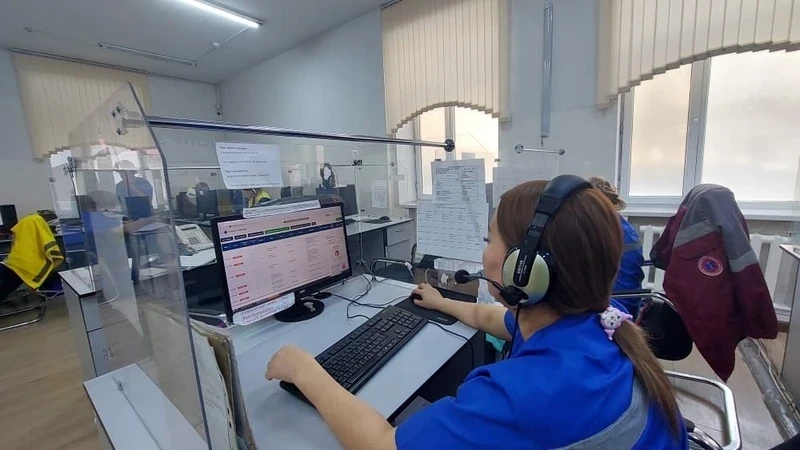
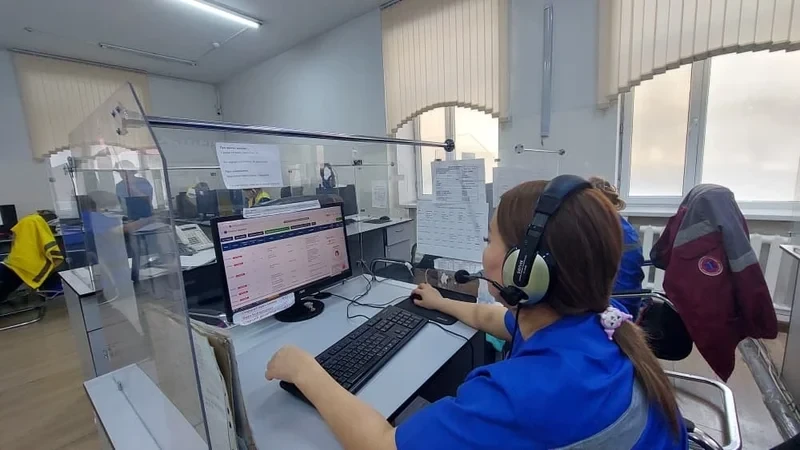
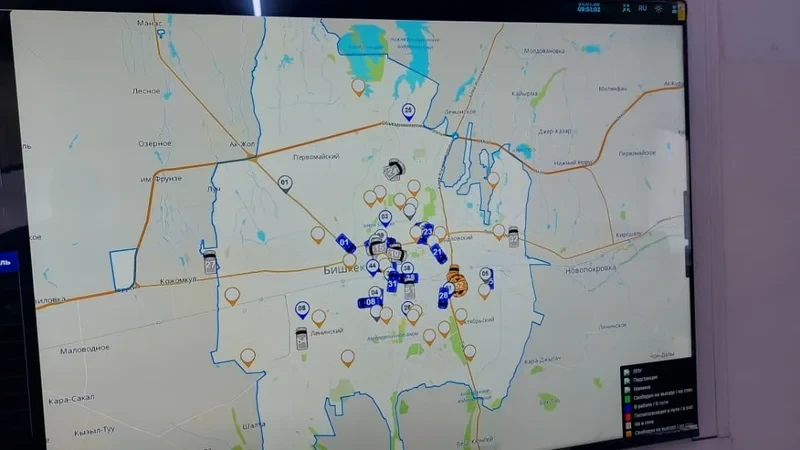
— Our center has successfully implemented an automated system that significantly improves operations. We can track the movement of teams in real-time. Previously, if a call came from the upper part of the city, a vehicle would be sent from the lower part. Now, the system automatically selects the nearest available team. Despite the population increase, we only have 8 dispatchers, which is also a serious problem.
Therefore, during peak hours, there is a queue to connect. After the opening of the new station on Suerkulova Street, we plan to increase the number of dispatchers to 24. Currently, we cannot expand the staff due to a lack of space. The minister has instructed to increase the staff by 8 people, which will bring the number of dispatchers to 16. These issues will be addressed, but it will take time. If we manage to implement the planned measures, the availability and quality of ambulance services will significantly improve for the population.
Every day, the center receives about 1500 calls, of which 160-180 require consultations.