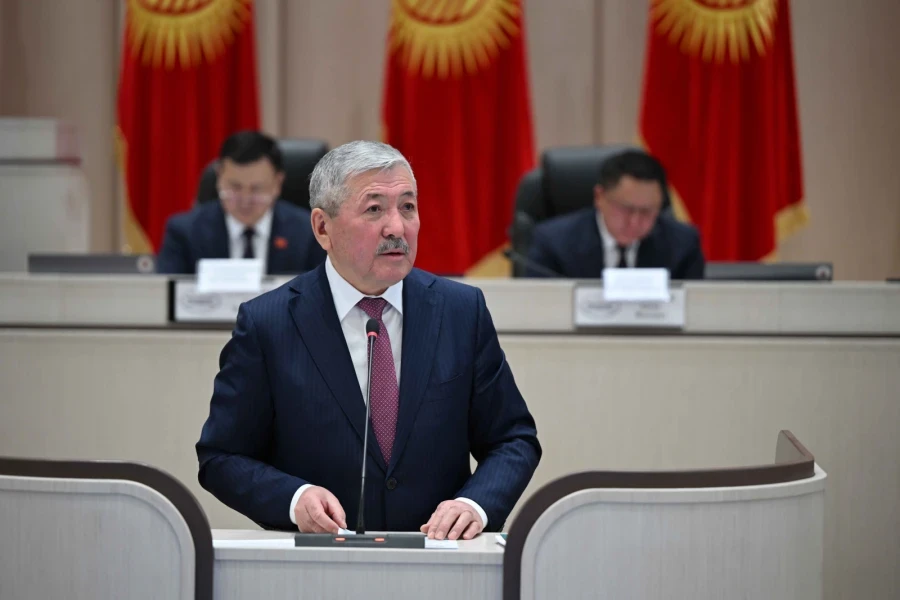
The shortage of specialized transport for ambulances in Bishkek has turned from a long-standing problem into a real threat to national security. On January 14, 2026, at a meeting of the Jogorku Kenesh, deputy Zhanibek Abirov shared alarming statistics: after the administrative-territorial reform, the population of the capital reached 1.3 million, while only 35-40 teams remain on duty. With such a load, medical workers cannot respond to calls in a timely manner, putting the lives of many people at risk. Despite statements about digitalization, there are even no basic "wheels" to save lives.
The shortage of ambulances is most acutely felt in the new border villages, such as Maevka, Prigorodnoe, and Nizhny Ala-Archa. On April 23 of last year, deputy Parkhat Tulendybaev expressed dissatisfaction that 50,000 residents of these areas are effectively deprived of access to emergency medical care. "They are often told that there are no available vehicles and are advised to contact a team in Nizhny Ala-Archa or call a private service. However, calling a paid ambulance costs 2,000 soms, not including medical services," he noted, adding that the available vehicles often remain idle due to breakdowns or lack of fuel.
Waiting for doctors, which stretches for hours, has become a sad norm for Kyrgyzstanis. On May 14 of last year, deputy Bekmurza Ergeshov reported delays of 2-3 hours, emphasizing that doctors sometimes recommend that patients make their own way to hospitals. "There are cases where medical workers advise people to go to medical institutions in their own vehicles. Unfortunately, there are situations where people die on the way to the hospital," he stated, suggesting that mobile teams be assigned to specific districts.
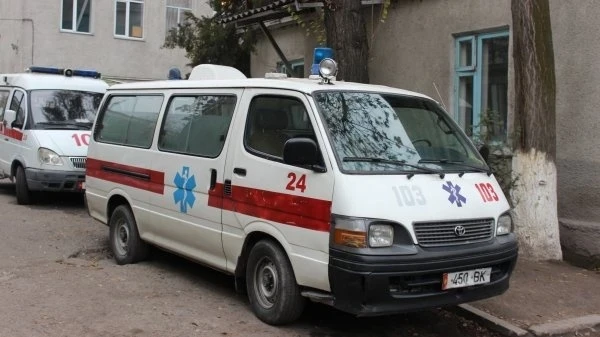
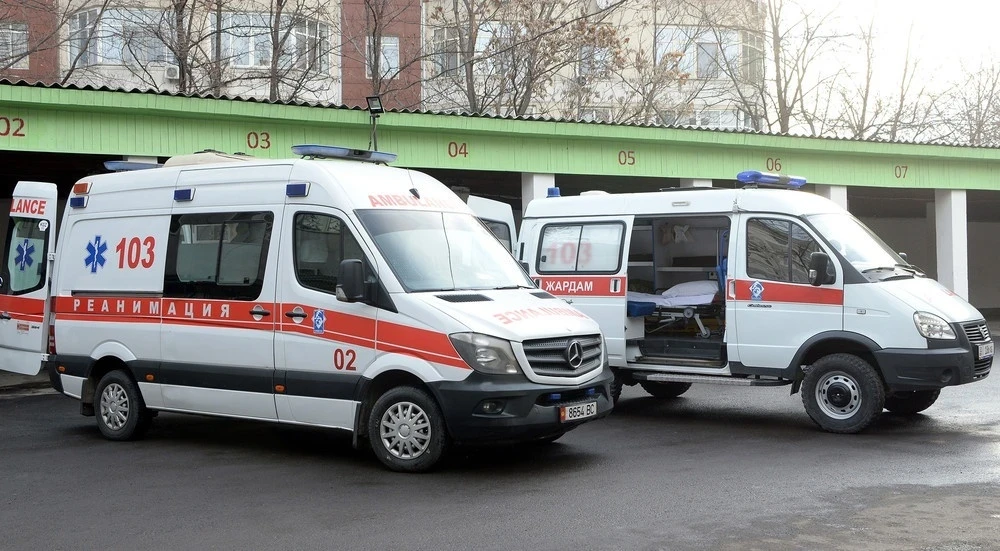
Despite constant media coverage of this problem and expert reviews, the vehicle fleet of the "103" service remains outdated. The promised new vehicles, which were supposed to arrive a year ago, have yet to appear on the lines. A logical question arises: is such negligence on the part of the public sector related to the interests of private clinics?
In conditions where ground transport cannot cope with the traffic jams of the expanding city, Bishkek needs decisive measures. If the authorities cannot provide the city with ambulances, perhaps it is worth considering the implementation of specialized medical drones. Unmanned devices could quickly deliver doctors and defibrillators to patients in critical condition, bypassing multi-kilometer traffic jams. In matters of saving lives, every minute counts, and the city ambulance service today is losing precious time waiting for spare parts and fuel.