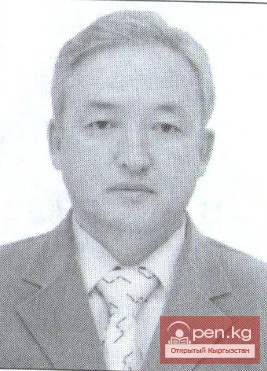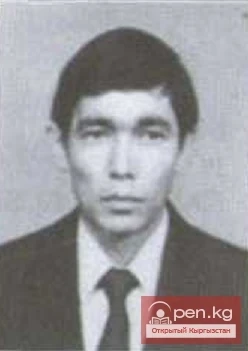
Photo by the press service of the Jogorku Kenesh. Temirlan Aitieff
According to the parliamentarian, the channel's bed defines the border between Kyrgyzstan and Kazakhstan. However, because Kazakhstan has reinforced its banks, increased pressure from the water flow is now being exerted on the Kyrgyz side.
“Every year, our bank loses 2-3 meters of its area. According to official data, only one ayil okmotu has lost 200 hectares of land over the past three years due to water action. This is a real national tragedy,” emphasized Temirlan Aitieff.
Additional complications arise from the chaotic development of sand and gravel deposits in the protective zones of the canal. The deputy noted that licenses for resource extraction are often issued at the expense of pastures, which negatively affects livestock farming and threatens the country's food security.
“When we contact government agencies, we are told that quarries contribute to the economy. However, the taxes they pay cannot cover the damage they cause. For example, in the Kara-Jyghach ayil okmotu, 15 quarries are operating, but the district's budget still remains subsidized,” he added.
Temirlan Aitieff also drew attention to the deteriorating state of infrastructure and ecology. The machinery involved in transporting resources from the quarries destroys roads that were built with funds from the republican budget, while real restoration of the land after extraction does not occur.
“We only read in documents about reclamation, but in reality, we do not see this. The extraction sites remain abandoned, resembling deep pits. We are losing irreplaceable lands due to our inaction and negligence. For every meter of our homeland, blood was once shed, and today we are losing territories due to indifference,” the deputy concluded.
He called on the government to take this issue under its control.