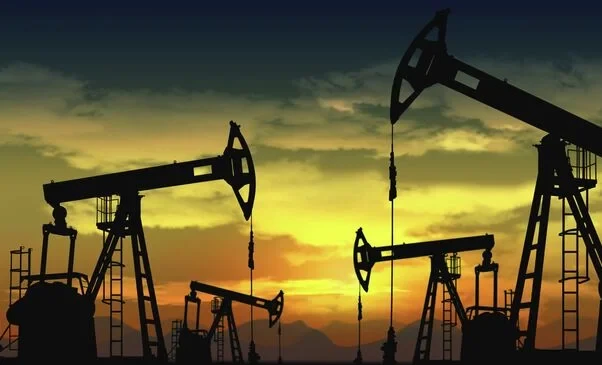
The beginning of 2026 was marked by an escalation of the situation in the Middle East, which became an important factor in increasing geopolitical tension and a significant rise in energy resource prices. Investors are beginning to realize the potential consequences this may have for the market.
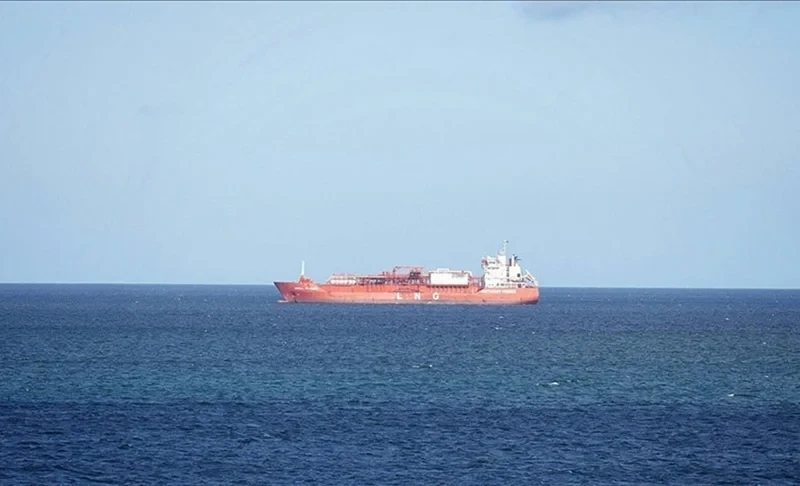
The situation worsened in late February 2026 after airstrikes carried out by the U.S. and Israel on targets in Iran. These actions triggered a sharp increase in regional tensions. A key moment for the oil market was Iran's decision to close the Strait of Hormuz—a strategically important route through which about 20% of global oil trade passes. The threat to shipping security and attacks on energy infrastructure forced investors to factor in the risk of declining global supplies into prices. In times of uncertainty, quotes traditionally rise, as market participants are willing to pay more per barrel, fearing a shortage of oil.
On the very first day of trading following the escalation of the conflict, March 1, 2026, the price of Brent crude oil rose by about 10%, reaching $78 per barrel. For comparison, at the beginning of January 2026, when the U.S. began redeploying its forces to the region, a barrel was priced at around $60. Thus, if an investor had invested $1,000 in oil during that period, by early March, the potential profit would have exceeded 20% in dollars in just two months.
A similar trend was demonstrated by American oil, WTI. This indicates that the increased demand encompasses not only specific grades of oil but also a wide range of energy assets amid geopolitical instability.
Strategies for Earning in the Energy Market
In the context of high volatility in the oil market, investors can apply various trading strategies. One of the most common approaches is to open long positions in anticipation of further price increases due to the escalation of the conflict and risks of supply disruptions. The oil market is particularly sensitive to geopolitical events, especially concerning key regions of energy resource extraction and transportation, which often leads to sharp price fluctuations.
In addition to long-term strategies, experienced traders often resort to short-term tactics. Significant news can trigger rapid changes in oil quotes, creating opportunities for profit both on price increases and decreases. Some investors use combined approaches or hedging methods, distributing capital among various instruments in the energy market. This approach helps to mitigate potential risks and maintain the stability of the investment portfolio amid high uncertainty.
Thus, the heightened geopolitical tension in the Middle East has become a significant factor contributing to the rise in oil prices. In such conditions, it is essential for investors to closely monitor the news and manage risks effectively to capitalize on market opportunities.
The post How Does the Conflict in the Middle East Affect Oil Prices? first appeared on K-News.