Every year on March 27, the whole world celebrates International Theatre Day. On this day, creative teams from all corners of the planet emphasize the importance of theatrical art and its impact on society. Theatre is a unique way to express human destinies and societal experiences, turning the stage into a space for deep reflection and emotional experiences.
The Origins of Theatre Art in Kyrgyzstan
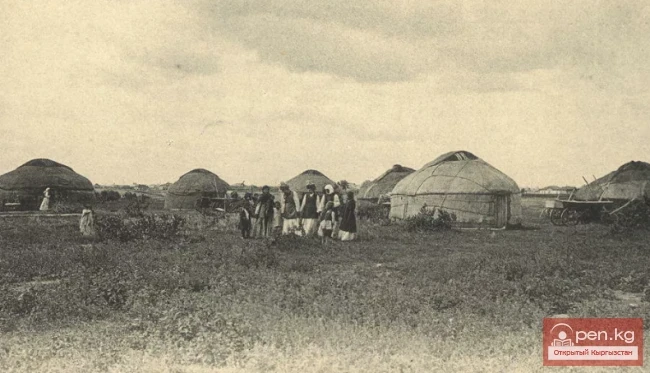
The history of theatre in Kyrgyzstan began in the late 19th century, and its development became particularly noticeable in the early 20th century. The first plays drew inspiration from national folklore and epic tales. In the 1920s and 1930s, theatre groups began to form in cities like Bishkek and Osh, and theatre became an important part of the cultural life of the country. The performances of that time, mostly comedies and dramas, reflected the fates and problems of society.
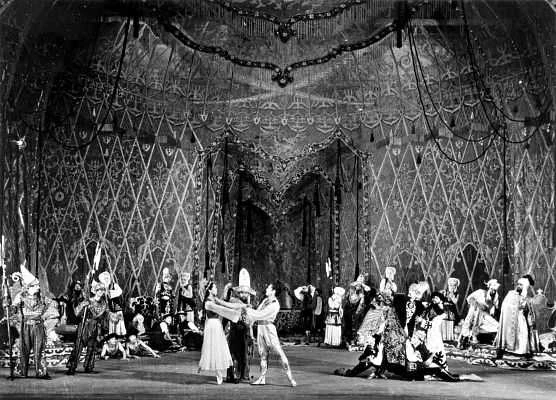
In the 1930s and 1940s, Kyrgyz theatre began to actively develop, opening new directions: the opera and ballet theatre, the Russian drama theatre, and the children's theatre emerged, along with numerous national performances such as "Алтын кыз," "Ажал ордуна," and "Айчурек."
During the Soviet period, theatrical art in Kyrgyzstan continued to evolve, becoming increasingly professional. During this time, dramaturgy, directing, and acting flourished.
This stage in the history of theatre can be called the "golden age" of Kyrgyz theatre, when outstanding artists such as Muratbek Ryskulov, Baken Kydykeeva, Darkul Kuyukova, and others made invaluable contributions to the development of the theatrical scene.
The Current State of Kyrgyz Theatre
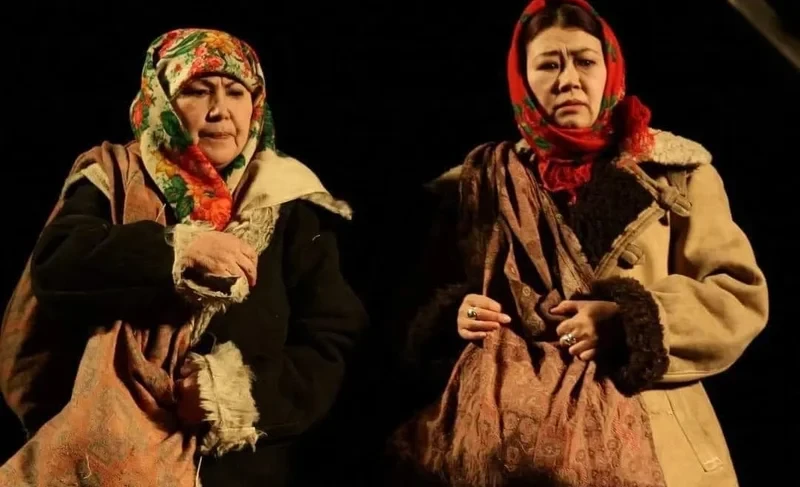
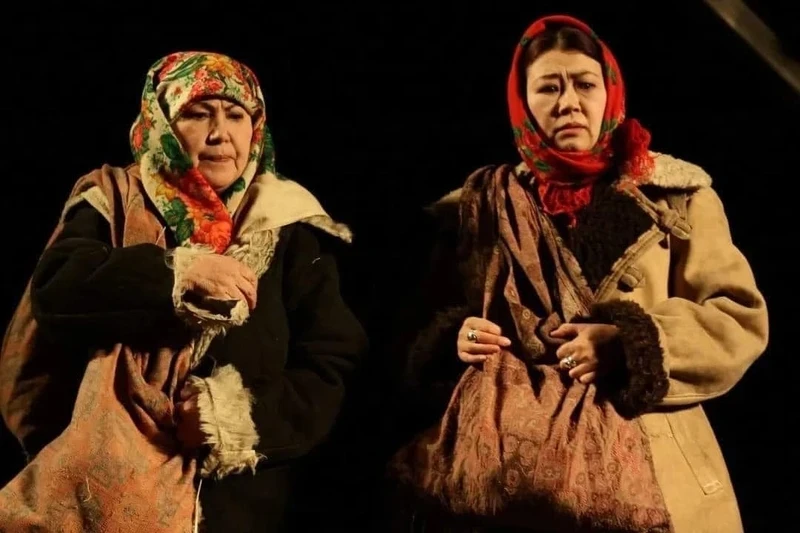
Today, Kyrgyz theatre is an important part of the cultural heritage of the country. It continues to develop, reflecting modern realities, traditions, and historical events, prompting audiences to ponder relevant issues.
The theatrical art of Kyrgyzstan actively experiments and seeks new forms, with contemporary directors introducing fresh ideas. Kyrgyz theatres participate in international festivals and competitions, promoting national art beyond the country's borders.
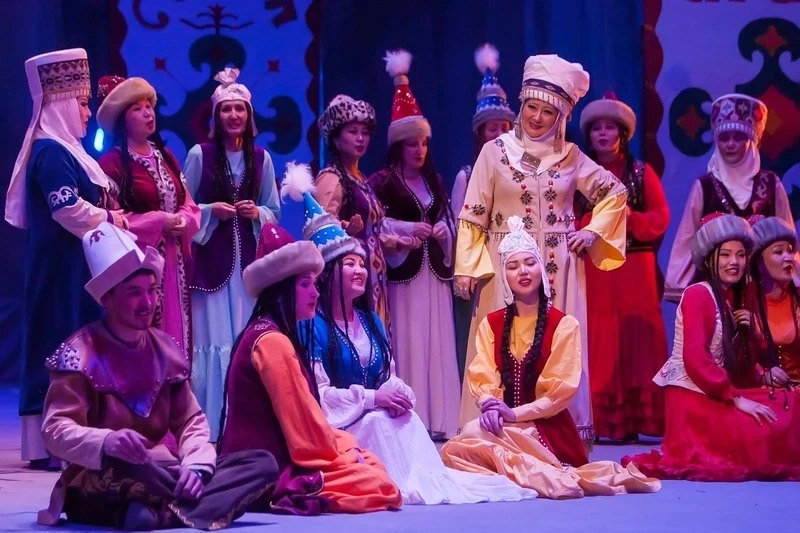
Among the active theatres in Kyrgyzstan, the following can be highlighted:
The Kyrgyz National Academic Theatre of Opera and Ballet named after A. Maldybaev;
The Kyrgyz National Theatre "Manas";
The Kyrgyz National Academic Drama Theatre named after T. Abdumomunov;
The State National Russian Drama Theatre named after Ch. Aitmatov;
The Kyrgyz State Puppet Theatre named after M. Jangaziev;
The Osh Regional Puppet Theatre named after N. Shaamurzaev;
The Kyrgyz National Philharmonic named after T. Satylganov;
The Osh Regional Philharmonic named after R. Abdykadyrov;
The Jalal-Abad Regional Philharmonic named after T. Tynybekov;
The Osh National Drama Theatre named after S. Ibraimov;
The Kyrgyz State Theatre for Young Spectators named after B. Kydykeeva;
The State Youth Theatre "Uchur";
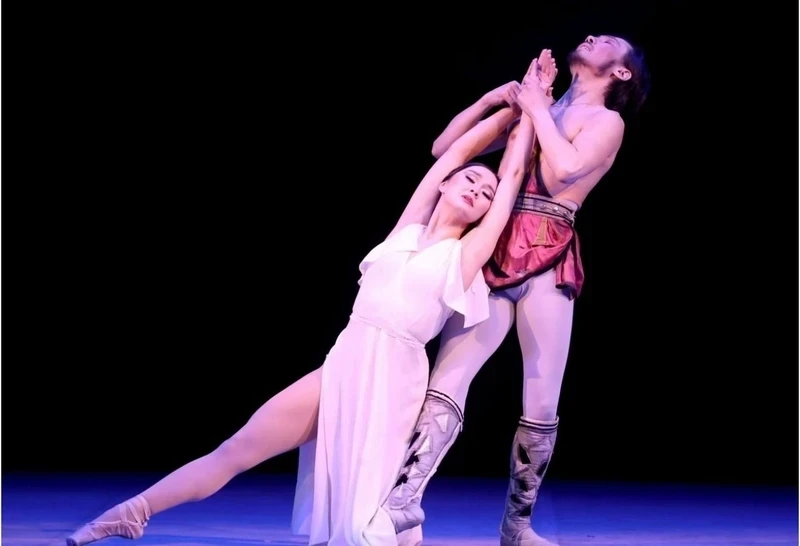
The Osh State Academic Uzbek Musical and Drama Theatre named after Babur;
The Naryn Regional Academic Musical and Drama Theatre named after M. Ryskulov;
The Issyk-Kul Regional Musical and Drama Theatre named after K. Zhantošev;
The Chui Regional Musical and Drama and Satirical Theatre named after Sh. Termechikov;
The Batken Regional Musical and Drama Theatre named after A. Zhainakov;
The Talas Regional Musical and Drama Theatre named after K. Medetbekov;
The Jumgal Musical and Drama Theatre named after K. Akayev;
The Alai Musical and Drama Theatre named after T. Azhibaev;
The Kochkor Musical and Drama Theatre.
This year, Kyrgyz theatre celebrates its 100th anniversary, and this significant anniversary will be marked at the state level.