A stem cell transplant has been performed for the first time in Mongolia on a teenager suffering from cancer. The procedure, known as autologous transplantation, was carried out using the patient's own cells. This was reported by MiddleAsianNews.
The patient was a 15-year-old girl from Mongolia diagnosed with leukemia.
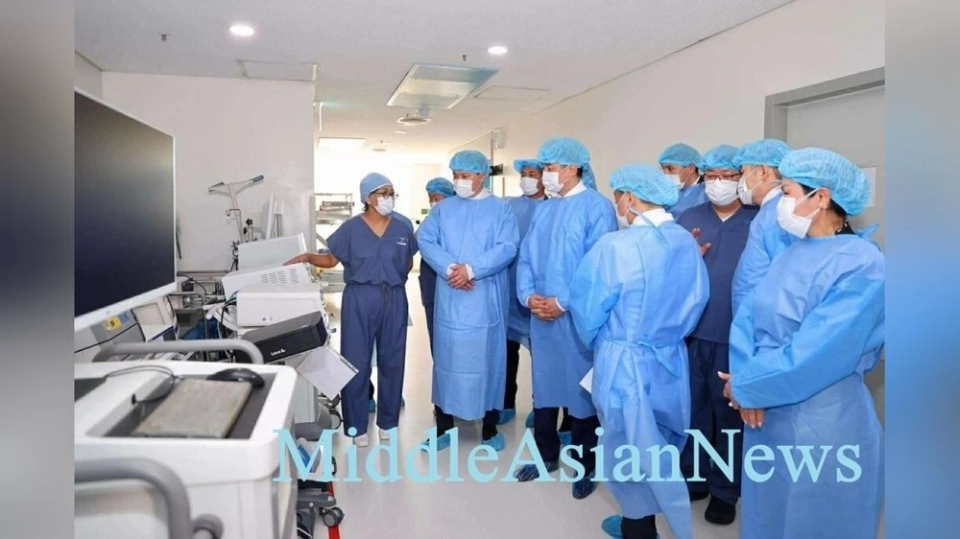
On December 9, 2025, the National Center for Maternal and Child Health, in collaboration with the First Central Hospital of Mongolia, conducted the first successful autologous stem cell transplant for children.
Experts noted that this achievement was made possible through cooperation with the Turkish hospital "Medical Park Hospital" and the international organization TIKA, as well as through the training and internships of medical staff both abroad and within the country.
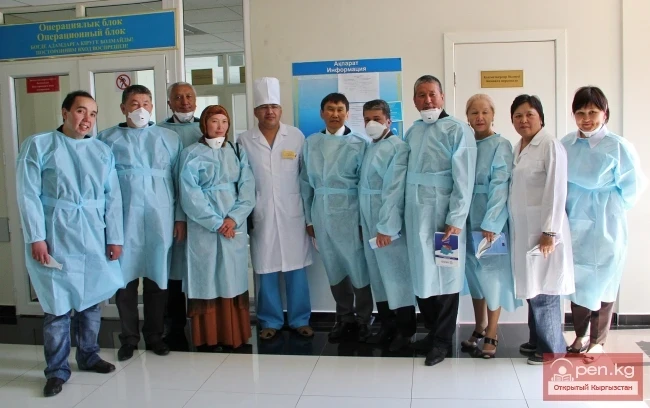
The team performing the transplant consisted of doctors from the Blood Stem Cell Transplantation Center of the First Central Hospital, as well as specialists and nurses from the National Center for Maternal and Child Health, specializing in oncology and blood diseases.
The procedure, based on the transplantation of the patient's own stem cells, fully complied with international standards, allowing for complex and expensive operations that were previously only available abroad, and improving the quality of cancer treatment for children in Mongolia.
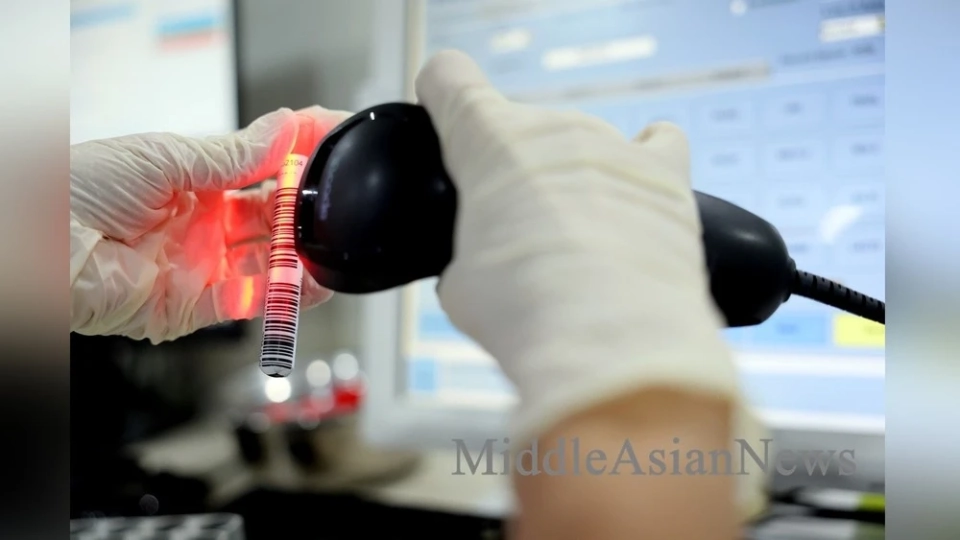
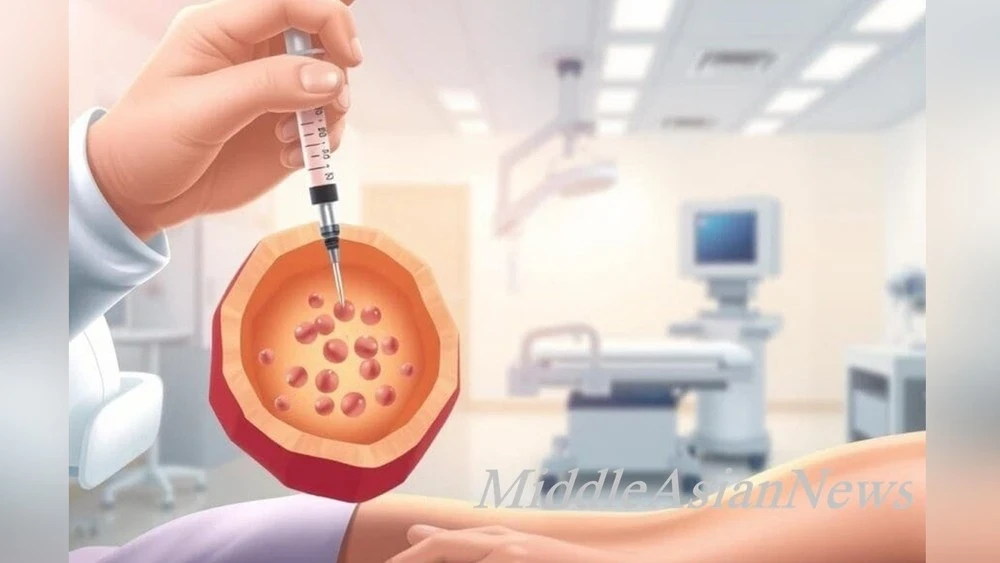
Autologous transplantation is a method in which the patient's own healthy stem cells (usually taken before high-dose chemotherapy) are collected, stored, and then returned to the body after treatment to restore damaged bone marrow. This allows for effective management of blood cancers and autoimmune disorders without the risk of rejection.
In the context of autologous transplantation, also known as autogenic transplantation, stem cells (undifferentiated cells from which other types of cells are formed) are extracted from the patient, stored, and then returned to them.
This procedure is most often performed with hematopoietic stem cells, which are precursors to blood-forming cells. It is also successfully used to restore heart cells after heart attacks.
Autologous transplantation differs from allogeneic transplantation, where the donor and recipient are different individuals.