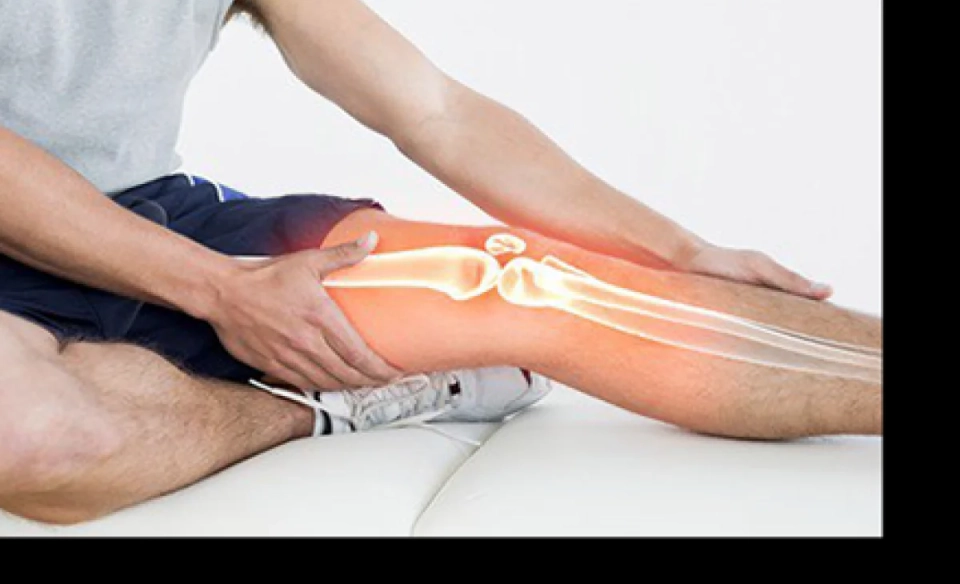
As we age, bone density decreases, making bones more fragile. Mesenchymal stem cells in the bone marrow play a key role in this process, as they can transform into bone or fat tissue. With a lack of physical activity, these cells more often become fat cells, which contributes to the weakening of bone structure and triggers irreversible degradation processes.
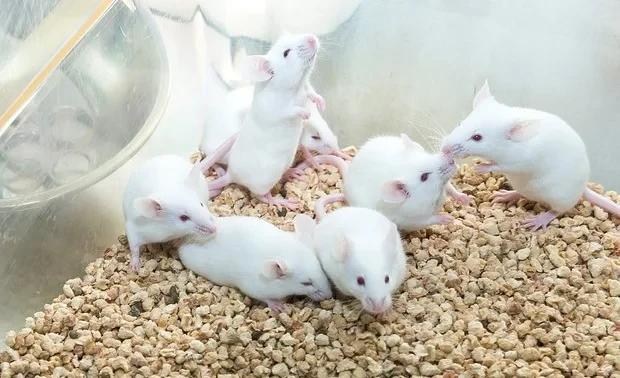
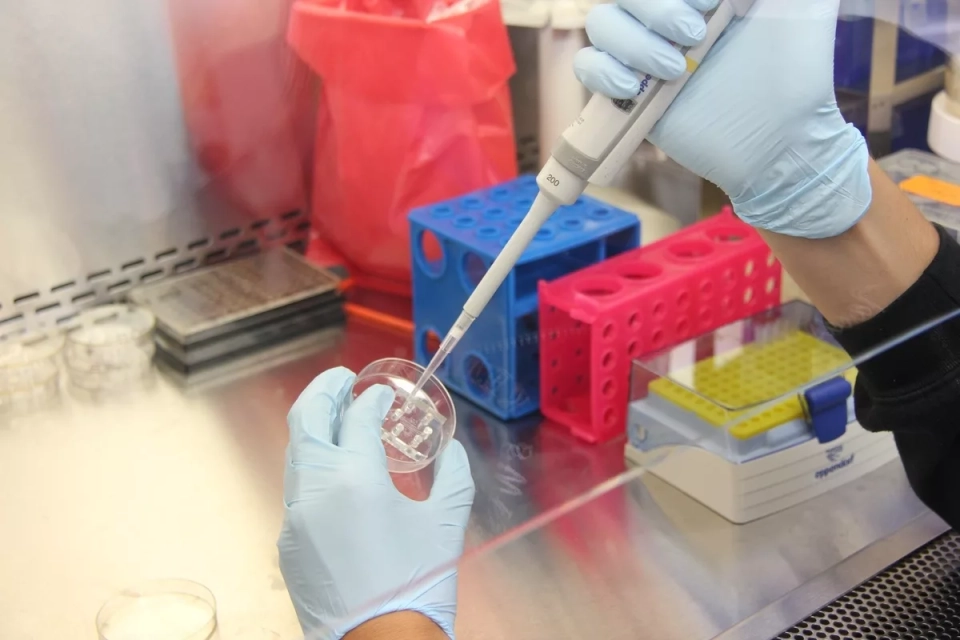
As a result of studies on mice and using human stem cells, scientists discovered that the protein Piezo1 is located on the surface of mesenchymal stem cells and functions as a "sensor of physical activity." It responds to mechanical signals generated during movement. Activation of Piezo1 leads to a reduction in fat accumulation in the bone marrow and stimulates the formation of new bone tissue.
In the absence of Piezo1, the opposite effect is observed: the formation of fat cells increases and bone mass is lost. Additionally, pro-inflammatory molecules (such as Ccl2 and lipocalin-2) are activated, which hinder bone recovery. Blocking these signals may partially restore the cells' ability to form healthy bone tissue.
Professor Xu Aimin, the head of the study, emphasized that the team was able to decipher how movement is transformed into bone strengthening at the molecular level. This discovery could serve as a basis for creating drugs that activate the Piezo1 mechanism and "trick" the body into simulating physical activity without actual exertion.
The issue of bone mass loss particularly affects the elderly and patients with limited mobility, with women being more frequently affected. According to the World Health Organization, one in three women and one in five men over the age of 50 suffer fractures due to weakened bones. In Hong Kong, osteoporosis is observed in 45% of women and 13% of men over 65 years old.
Scientists believe that such "exercise simulators" could represent a significant breakthrough in the treatment of osteoporosis in the elderly, individuals with limited mobility, and those with chronic diseases. Currently, the team is working to implement the results of their research into clinical practice and develop new ways to preserve bone mass and improve the quality of life for vulnerable populations.