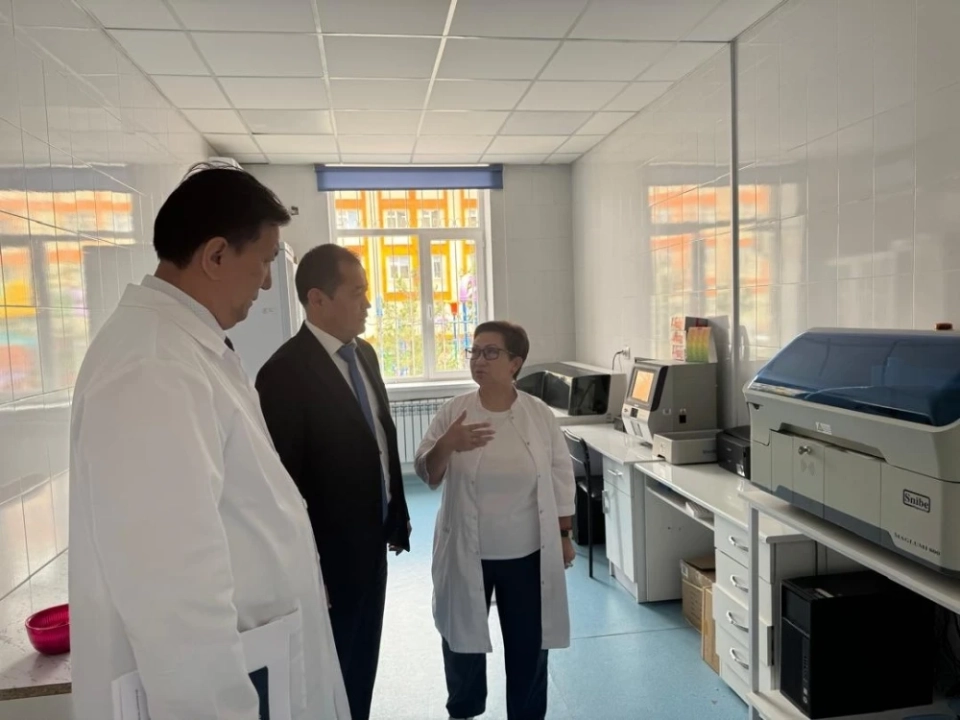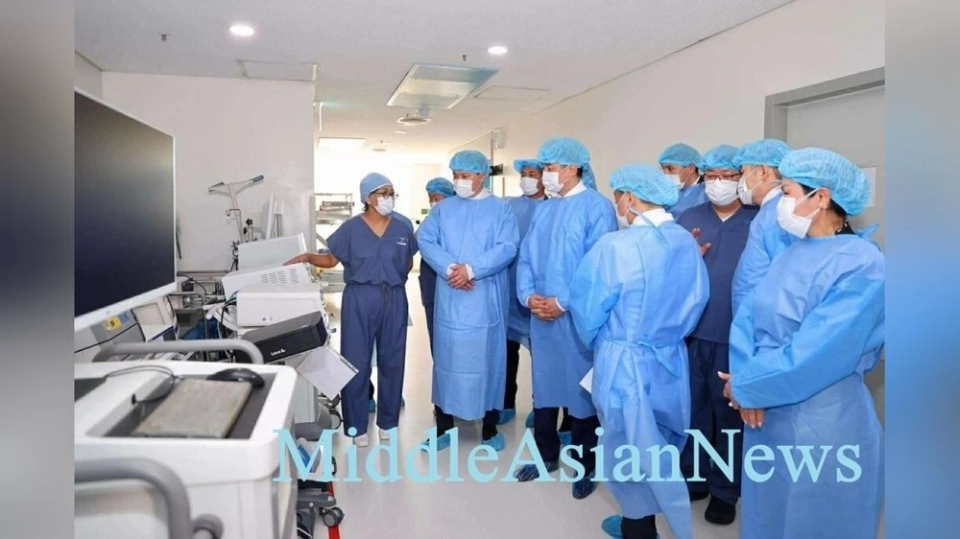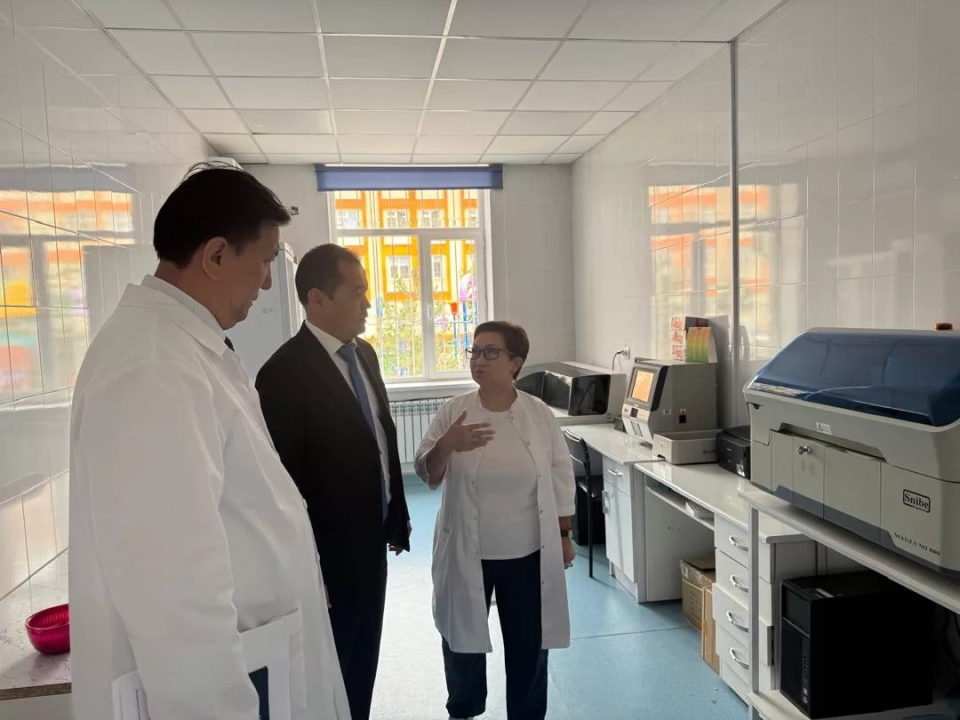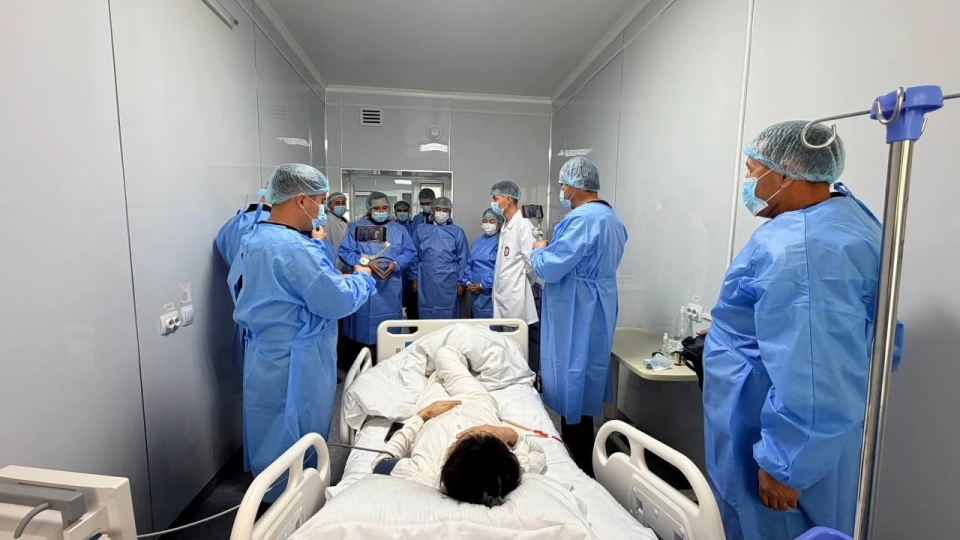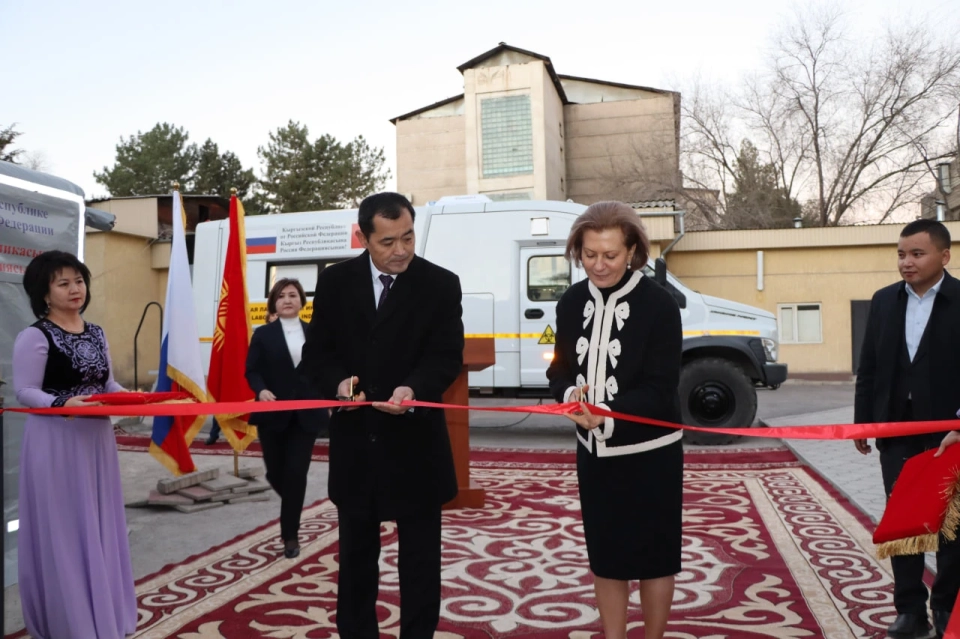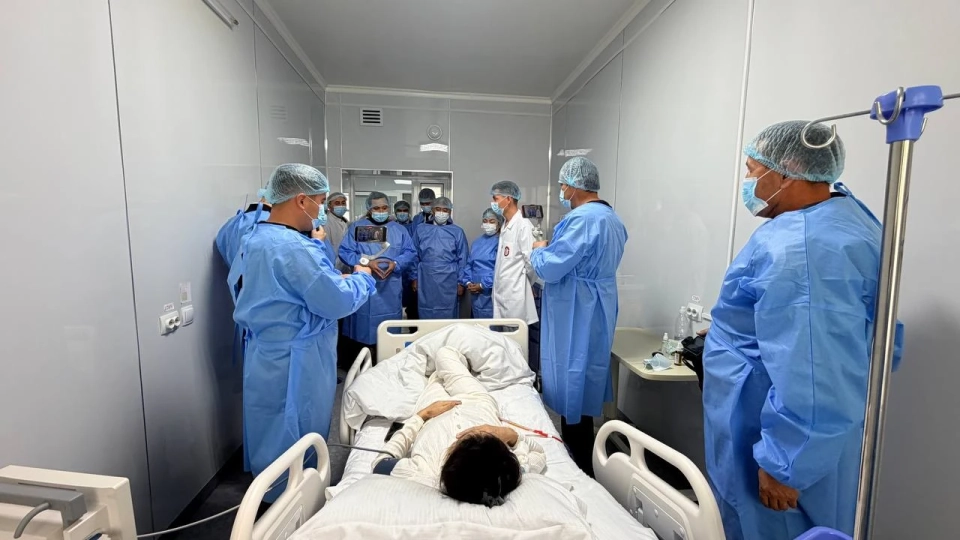
The Prime Minister of Mongolia, L. Zandanshatar, visited the Cell, Tissue, and Organ Transplantation Center on January 2, 2026, where he announced the allocation of ₮2.02 billion (approximately $569,000 at the current exchange rate) for the establishment of a new histocompatibility laboratory. This information was published on the official government website.
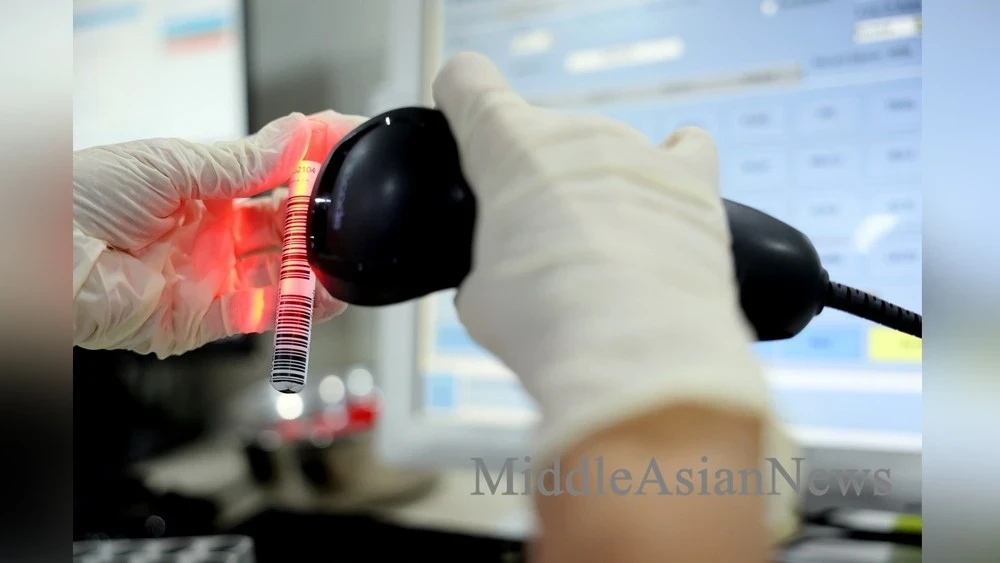
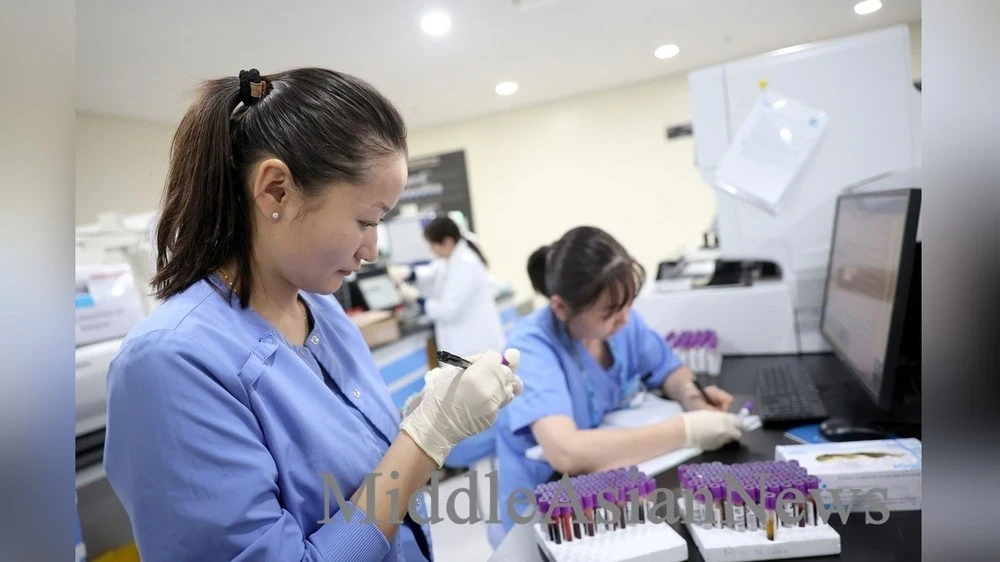
The histocompatibility laboratory is a specialized institution engaged in the study of the Major Histocompatibility Complex (MHC or HLA typing) to determine tissue compatibility, which is particularly important for organ transplantation and reproductive health. The main goal of the laboratory is to identify HLA antigens (HLA-A, -B, -DR, -DQ, -DP) in patients' DNA for donor matching in organ transplants, as well as for diagnosing causes of infertility and pregnancy complications. The analysis results help predict the immune response and the risk of transplant rejection, as well as identify predisposition to autoimmune diseases.
This laboratory is critical in the organ transplantation process, as it checks the compatibility of donor and recipient tissues. This allows doctors to assess the degree of match, predict possible postoperative complications, and determine the overall effectiveness of treatment. Additionally, the laboratory's equipment will be used for the diagnosis and treatment of oncological diseases, facilitating early detection of tumors at the genetic level.
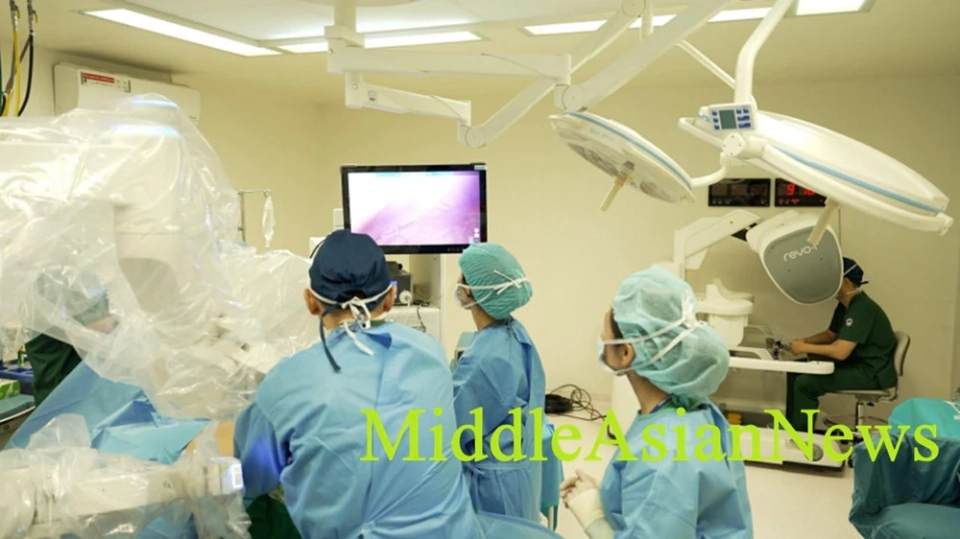
With the opening of this laboratory, the Second State Multidisciplinary Hospital will be able to independently conduct tissue matching for liver and kidney transplants starting this year. This is an important step towards reducing the waiting time for organ transplantation surgeries in the country.
This year, the hospital initially planned to perform 10 liver transplants and 5 kidney transplants. After the laboratory opens, the number of surgeries may significantly increase.
Currently, kidney diseases are the leading condition among patients awaiting organ transplantation in Mongolia. Out of 1,094 people on the waiting list, 683 need kidney transplants, while 182 require liver transplants. According to the Coordination Department for Cell, Tissue, and Organ Transplantation, more than 250 people are diagnosed each year with conditions requiring kidney transplants and are added to the waiting list.
According to a joint report by the Ministry of Health and the World Health Organization (WHO), between 100,000 and 120,000 people in Mongolia may suffer from various forms of chronic kidney disease. Each year, about 1,300 to 1,500 people begin undergoing hemodialysis, and 1,000 to 1,200 are newly diagnosed with chronic kidney failure. Approximately 60% of patients with chronic kidney failure ultimately require hemodialysis or kidney transplantation.
Medical professionals emphasize that the rising number of chronic kidney failure cases and the stable mortality rate highlight the need to improve access to treatment through organ transplantation.
S. Maydar Tatar
source: MiddleAsianNews