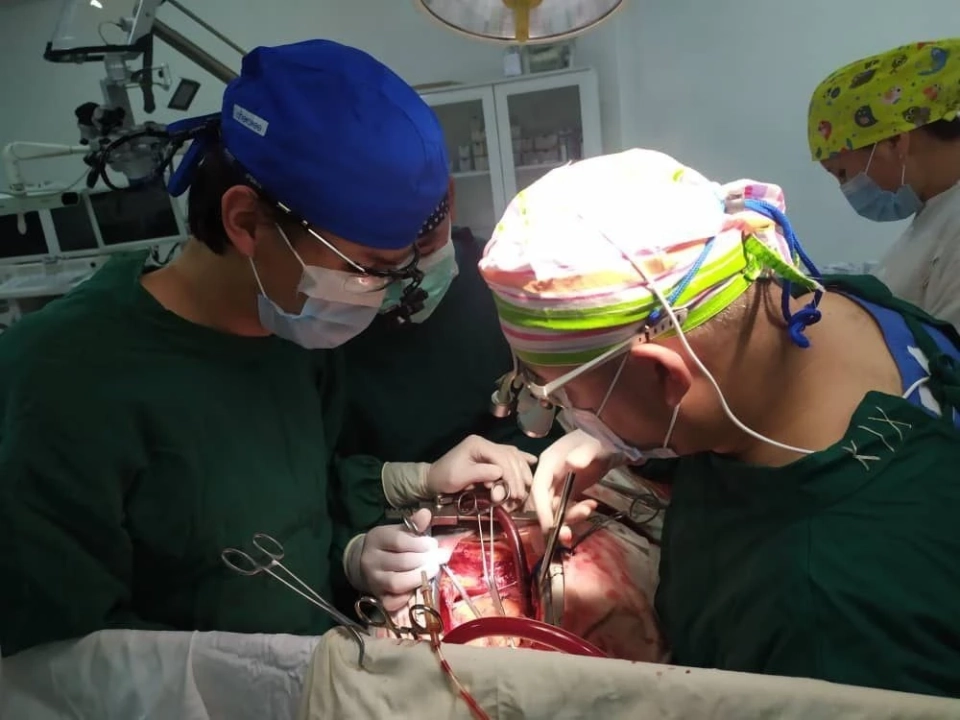
Next year, the Second Central Hospital of Mongolia plans to launch a kidney transplantation program from living donors.
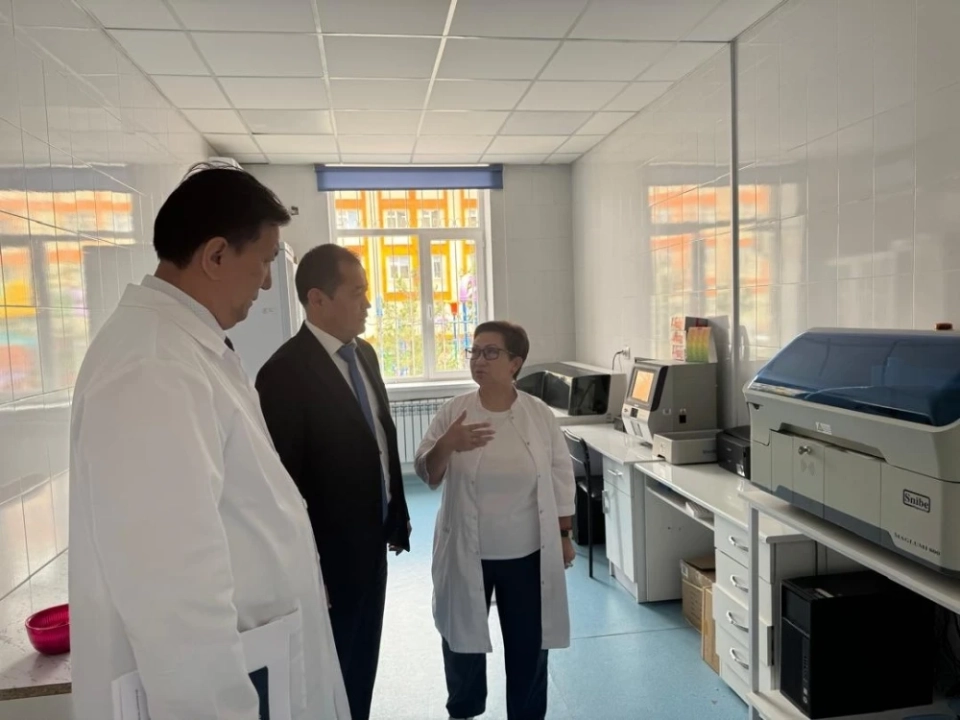
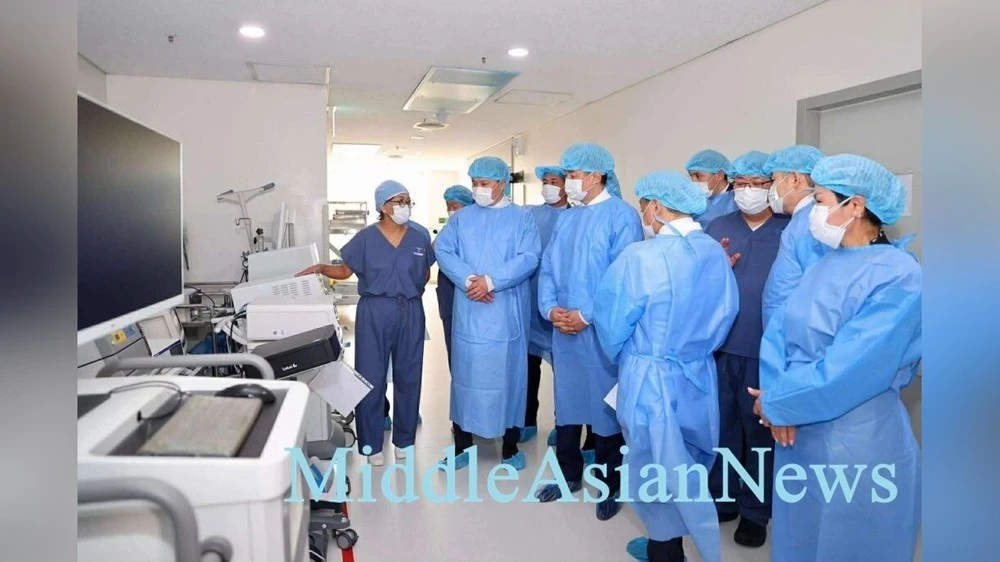
With the support of President Khurelsukh Ukhna, a new Organ Transplantation Center has been established at the institution, equipped with modern equipment for performing laparoscopic and microsurgical operations, as well as for anesthesiology and laboratory research.
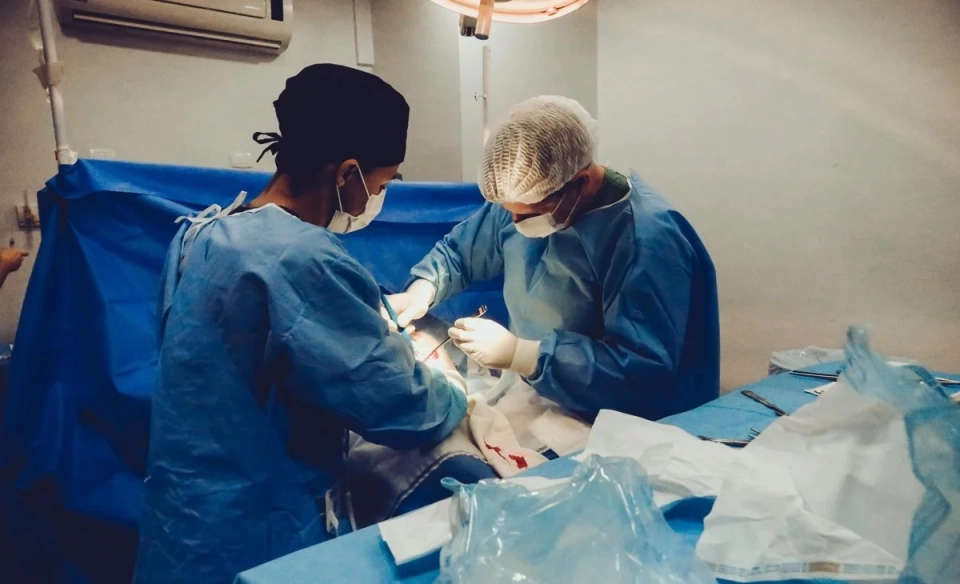
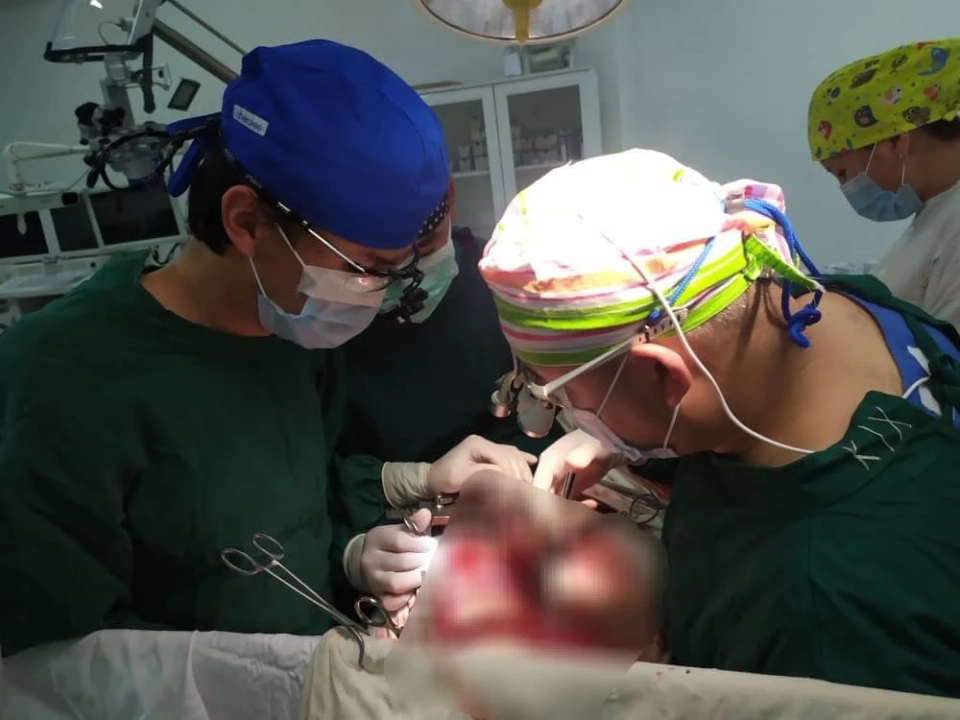
Since March of this year, the team of doctors and surgeons has already performed liver transplants from living donors for five patients aged 43 to 65 years, using laparoscopic techniques. In addition, they conducted intracoronary ultrasound diagnostics and treatment for 11 individuals, as well as cryotherapy for eight patients. Furthermore, over 1,000 laparoscopic resections and tumor transplants in organs such as the liver, stomach, intestines, and lungs have been successfully completed.
Hospital and center specialists emphasized that the opening of the new center has significantly contributed to the development of transplantation surgery, the implementation of advanced technologies and methods, as well as the training of medical personnel and the redistribution of workload among institutions.
Many citizens are forced to undergo liver transplant surgeries abroad—in Japan and Korea, where the cost ranges from 400 to 500 million tugriks, and in India and Turkey—from 150 to 350 million tugriks.
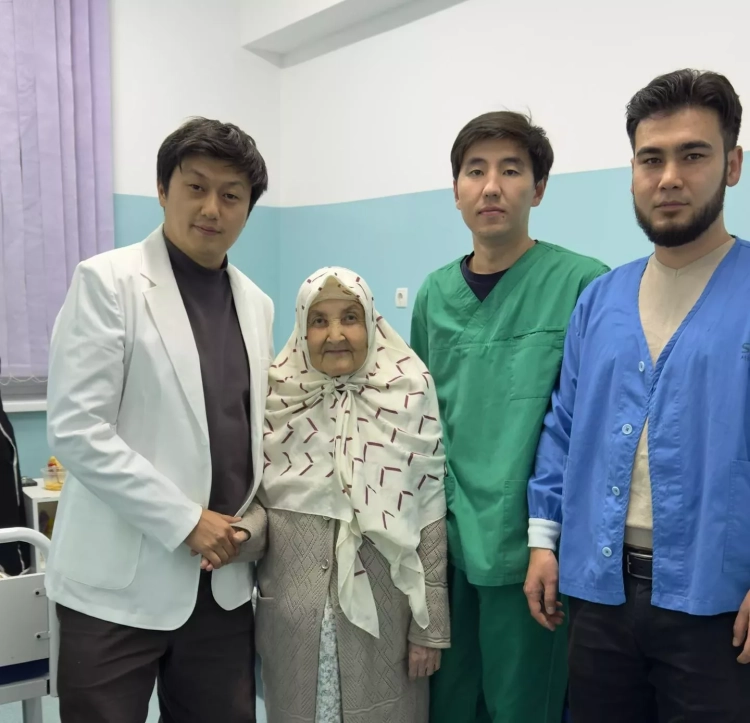
Patients who have undergone liver transplants and their donors expressed gratitude to the President for the swift opening of the new center, which has allowed them to receive quality medical services at home without significant expenses for treatment abroad.

President Khurelsukh Ukhna met with the hospital's medical staff, expressing gratitude for their dedication to preserving the health and lives of citizens, and wished them success in their future work.
He also noted that he fully supports the initiative to expand the organ transplantation program in the future. Next year, the Organ Transplantation Center of the Second State Central Hospital will begin kidney, lung, pancreas, and intestinal transplants, in addition to liver transplants. Plans also include the implementation of robotic surgery and the performance of liver transplants from deceased donors.
Tatar S. Maidar
source: MiddleAsianNews