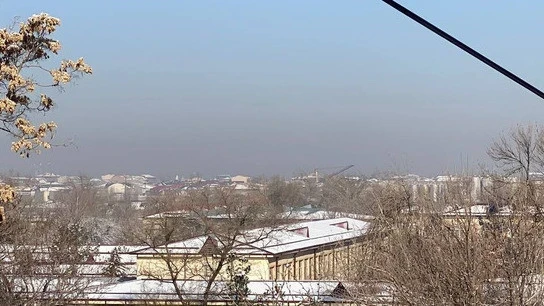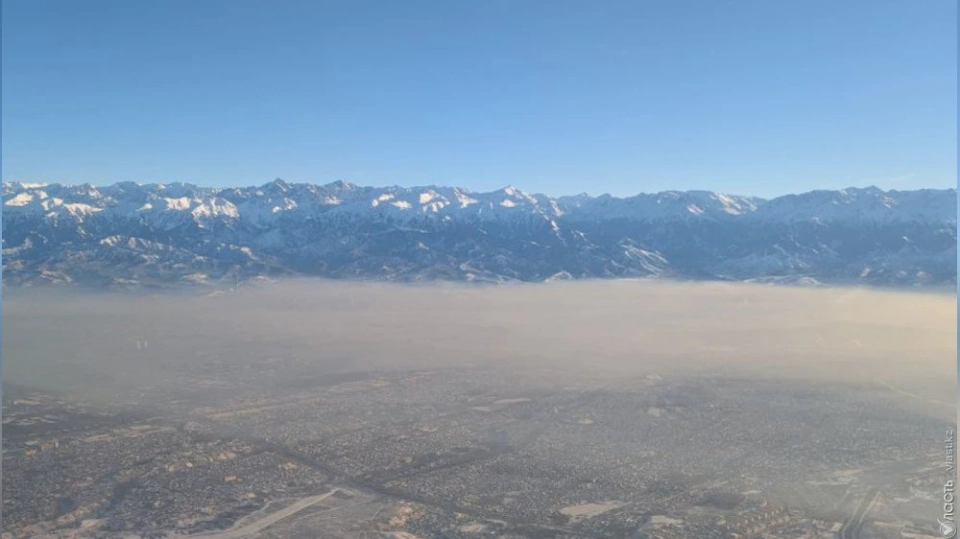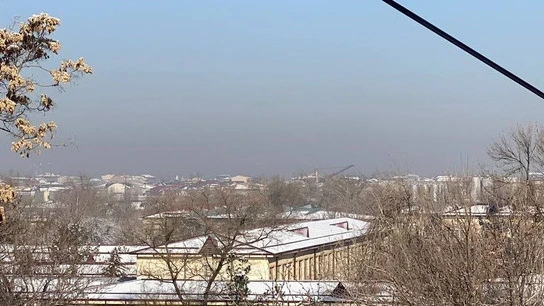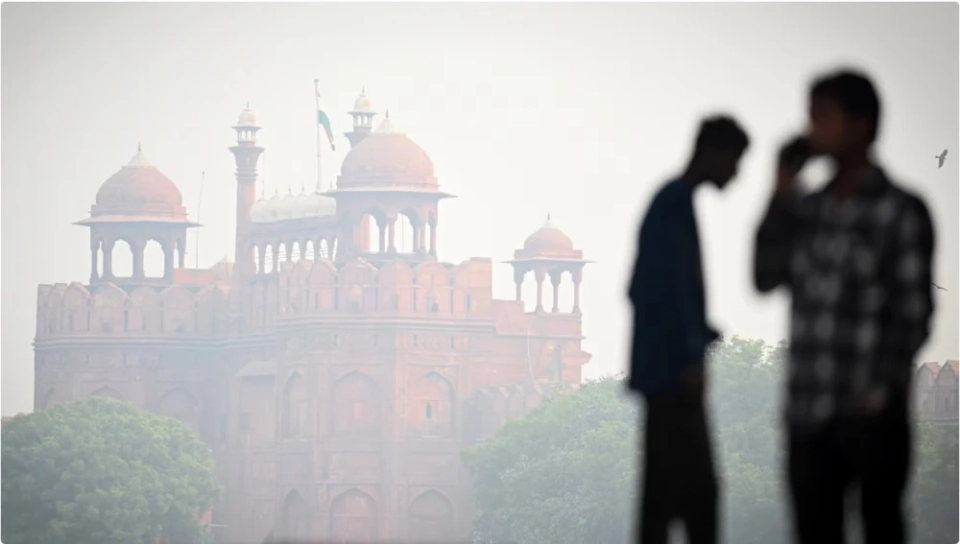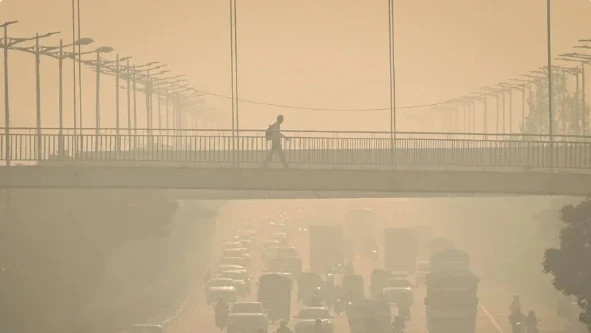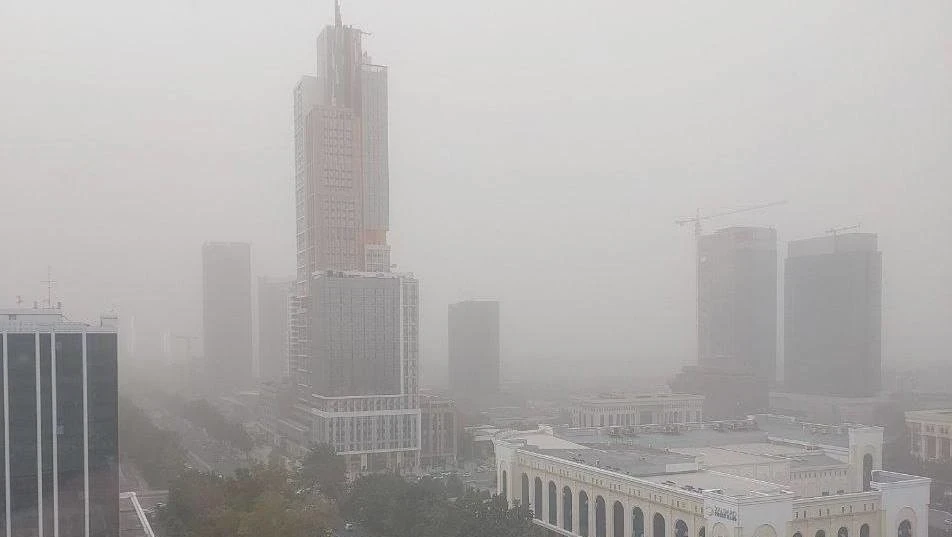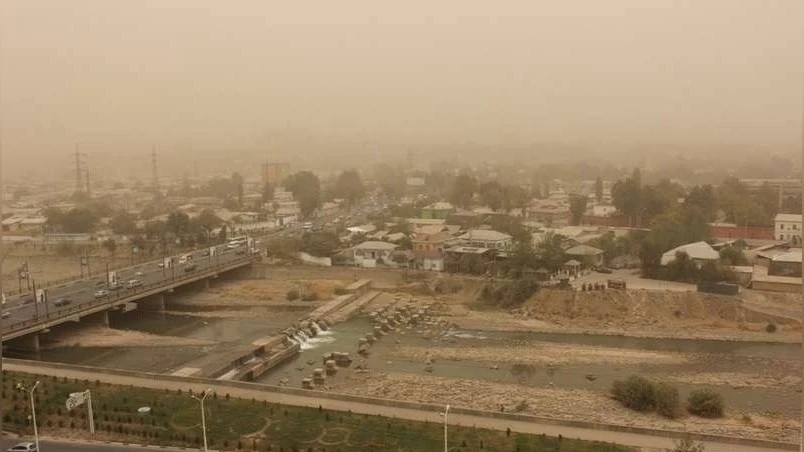
According to Sheralizoda, each dust storm lasts several days, and the main sources of these phenomena are the deserts of North Africa and the Middle East, from where dust and sand reach Tajikistan along with cyclones.
In 2024, at a similar press conference, it was noted that the country experienced 35 dust storms, although information on the number of days was not provided.
According to the study "Situational Analysis: Dust and Sand Storms in Central Asia," Tajikistan has witnessed more than a tenfold increase in the number of dust and sand storms over the past three decades.
If in the early 1990s only 2-3 such events were recorded per year, in recent years their number has exceeded 35 each year.
Dushanbe has been among the most polluted cities in Central Asia for several years, and the situation continues to worsen.
In 2024, the annual average concentration of PM2.5 in the capital was 46.3 µg/m³, which is 7-9 times higher than the permissible limits set by the World Health Organization.
In 2024, Tajikistan ranked 6th in the world for PM2.5 pollution levels, and Dushanbe had previously been among the four most polluted capitals on the planet.