Scientists from Lancaster University have conducted the first count of accumulated pollutants in the world. The study showed that from 2000 to 2022, approximately 335,500 tons of trifluoroacetic acid (TFA) fell to the Earth's surface, linked to the replacement of HFCs and the use of certain anesthetic gases.
The article published in the journal Geophysical Research Letters warns that the situation has not yet peaked. Many HFC substitutes remain in the atmosphere for decades, allowing TFA to continue entering the environment. Researchers predict that the annual production of TFA from these sources may peak between 2025 and 2100.
TFA is formed as a result of the breakdown of hydrochlorofluorocarbons (HCFCs) and hydrofluorocarbons (HFCs), which are widely used in refrigerators, as well as from compounds used as inhalational anesthetics. Although their use is gradually decreasing due to the Montreal Protocol and the later Kigali Agreement, the concentration of these substances in the atmosphere continues to rise.
Trifluoroacetic acid belongs to the class of per- and polyfluoroalkyl substances (PFAS), which are known for their resistance to natural degradation and can persist in the environment for a long time. The European Chemicals Agency considers TFA hazardous to aquatic organisms, and it is also found in human blood and urine samples. Recently, the Federal Institute for Occupational Safety and Health in Germany proposed classifying TFA as potentially toxic to the human reproductive system.
“Our research indicates that the most significant source of TFA in the atmosphere is HFC substitutes,” noted lead author Lucy Hart. “This underscores the need to consider broader risks when replacing hazardous chemicals.”
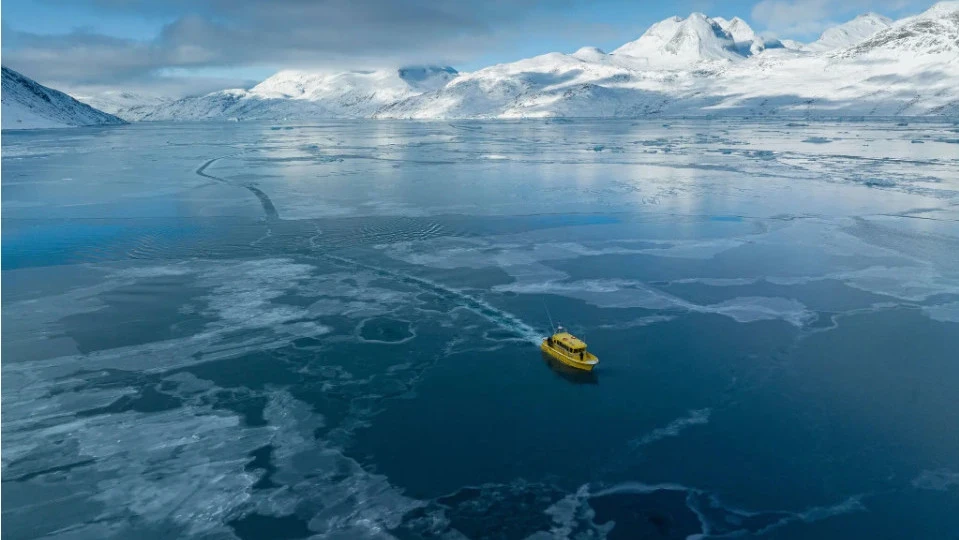
The results show that almost all TFA detected in the Arctic comes from HFC substitutes, despite the region's remoteness from emission sources. “Studies have shown an increase in TFA levels in Arctic ice cores, and our data convincingly confirm for the first time that virtually all of these deposits are explained by these gases,” Hart added.
Outside the polar regions, modeling indicates the growing influence of HFO-1234yf, which is commonly used in car air conditioners, as an important and likely expanding source of TFA in the atmosphere.
“The increase in TFA levels from fluorinated gases is striking. Although the use of HFCs is gradually decreasing, this source of TFA will remain relevant for many decades. There is an urgent need to investigate other sources of TFA and assess their environmental impact,” emphasized Professor Ryan Hosseini.