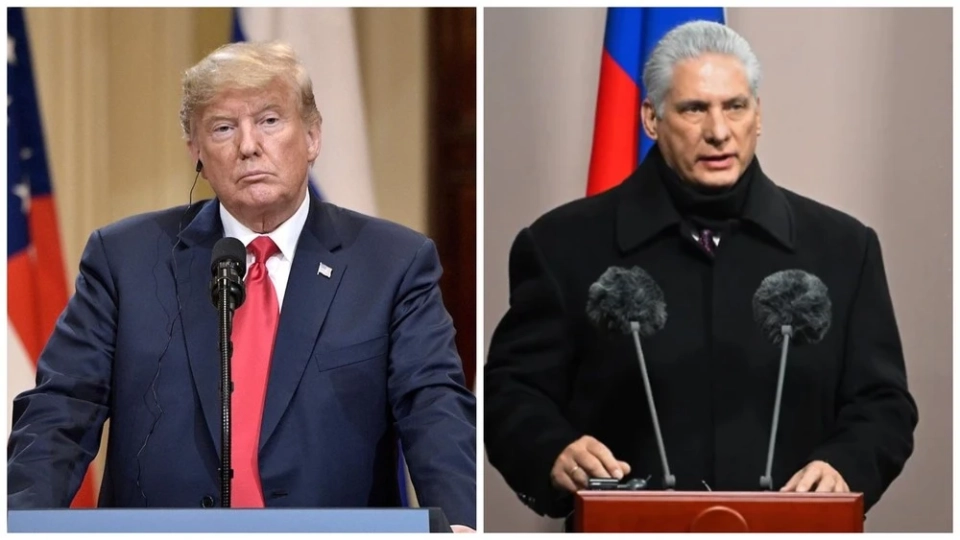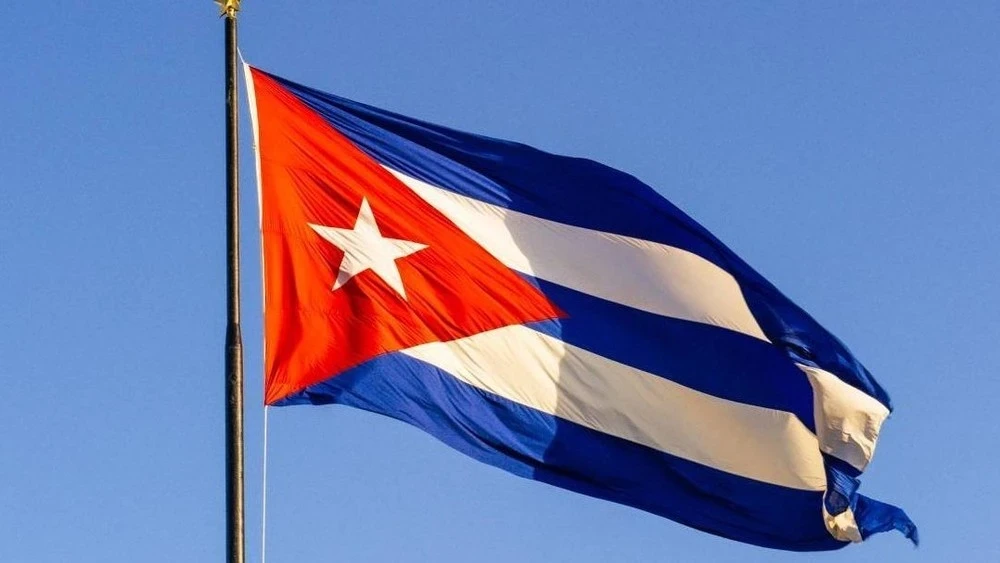
During the negotiations, the American side confirmed to Cuba that Díaz-Canel must leave his position; however, further actions are left to the discretion of the Cuban side. Officials in the Trump administration believe that the removal of Díaz-Canel would create an opportunity for implementing economic reforms in Cuba, which they believe the current president is not interested in.
According to one source, Washington is also insisting on the resignation of several elderly officials who still adhere to the ideals of Fidel Castro. At the same time, the US is not currently demanding actions against members of the Castro family, who continue to hold significant influence in the country.
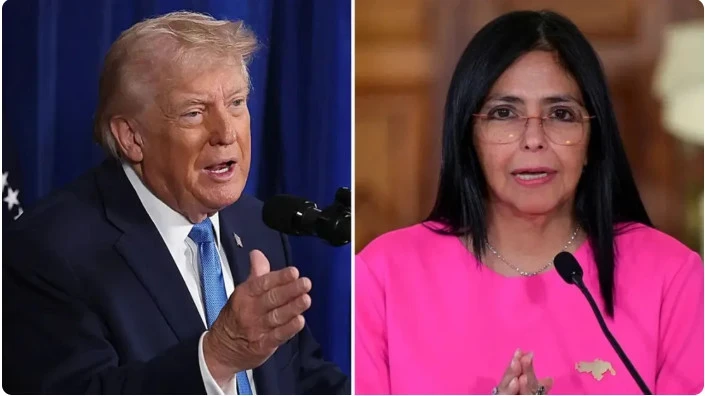
According to the source, a change of power in Cuba would be a "symbolic victory" for Donald Trump, allowing him to demonstrate the overthrow of a leftist government leader opposed to the US, similar to the events that occurred in Venezuela. American officials believe that the negotiations are aimed at gradually opening Cuba's economy to American companies, thereby creating a dependent state and providing Trump with several symbolic political successes.
Miguel Díaz-Canel, who is 65 years old, has been the President of Cuba since 2018. The New York Times describes him as a nominal head of state. Díaz-Canel was elected as the successor to former Cuban President Raúl Castro, who is now 94 years old and continues to exert significant influence on the political situation in the country.
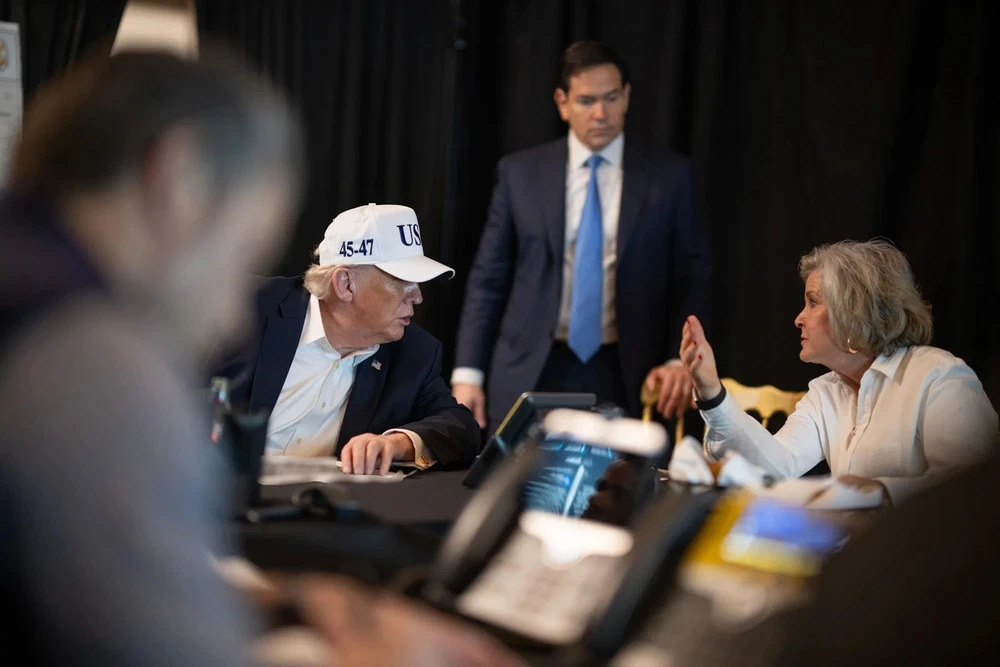
Earlier, Donald Trump spoke about the possibility of a "friendly takeover" of Cuba and suggested that the country's government would "fall soon." According to The Wall Street Journal, the Trump administration was seeking allies in the Cuban government to change the power structure by the end of 2026.
On March 13, Díaz-Canel announced the start of negotiations between Cuban representatives and US authorities. He noted that the Cuban side is striving to find a "possible solution to bilateral disagreements" between the countries.
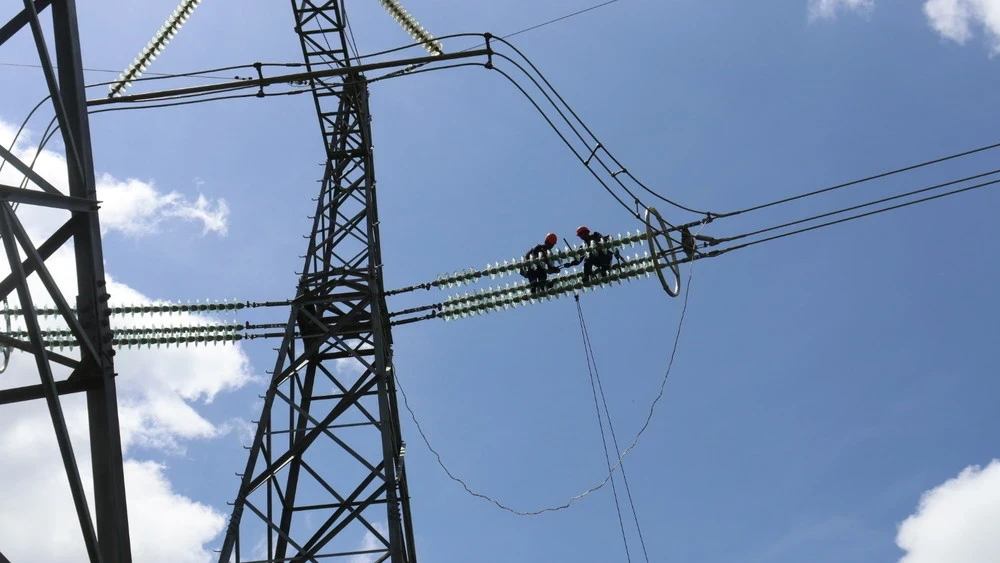
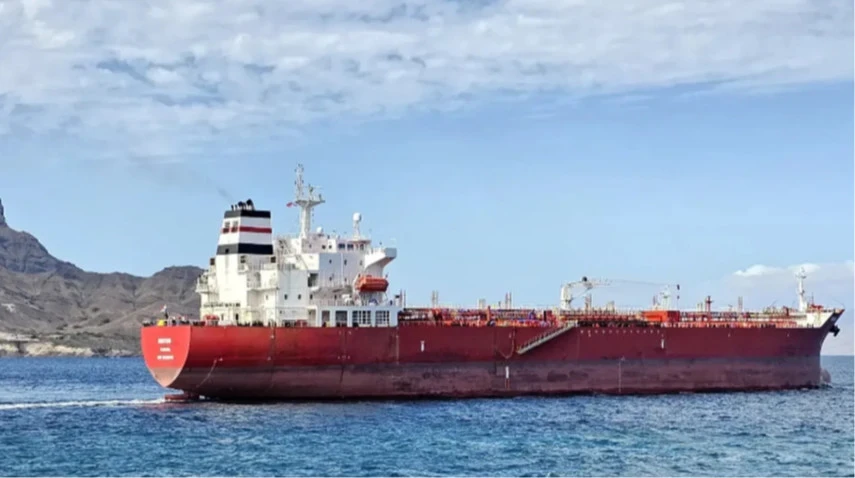
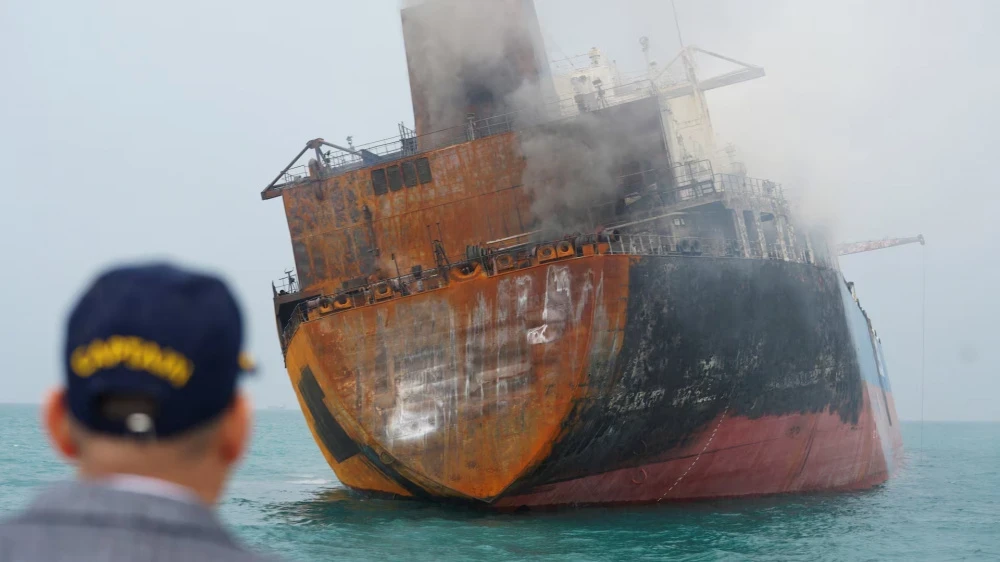
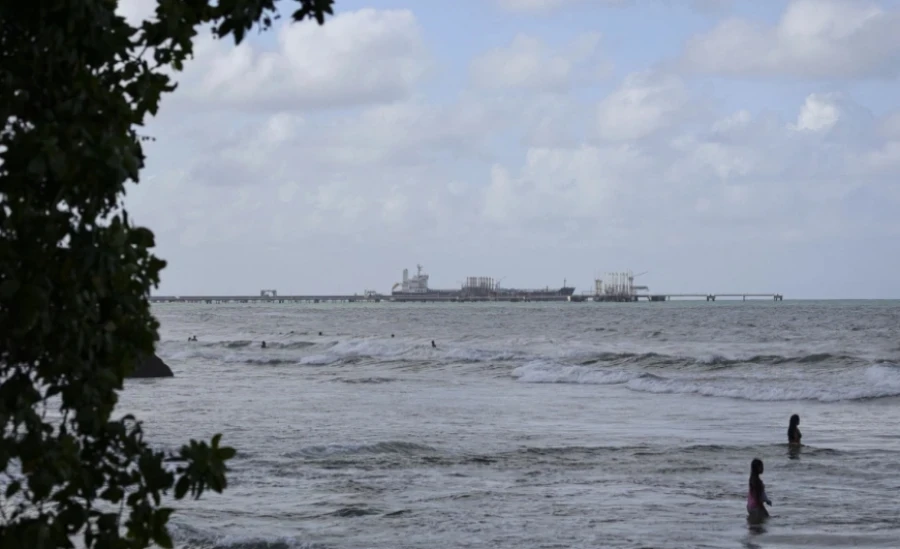
On March 16, Cuba experienced a blackout. Díaz-Canel had previously reported that the country had not received oil for more than three months and was using solar energy, natural gas, and thermal power plants. Previously, Cuba imported oil from Venezuela; however, supplies ceased after the US seized Venezuelan leader Nicolás Maduro.