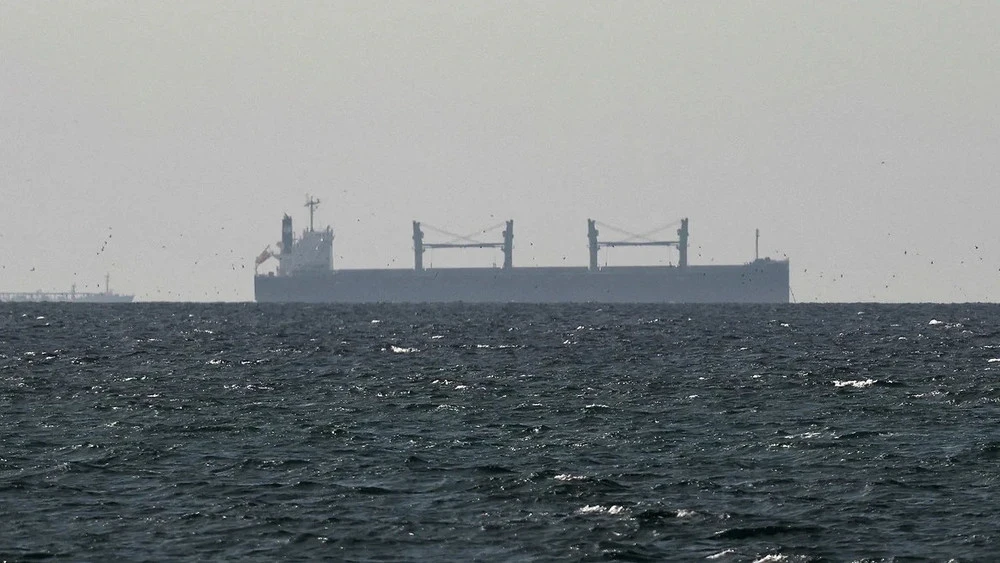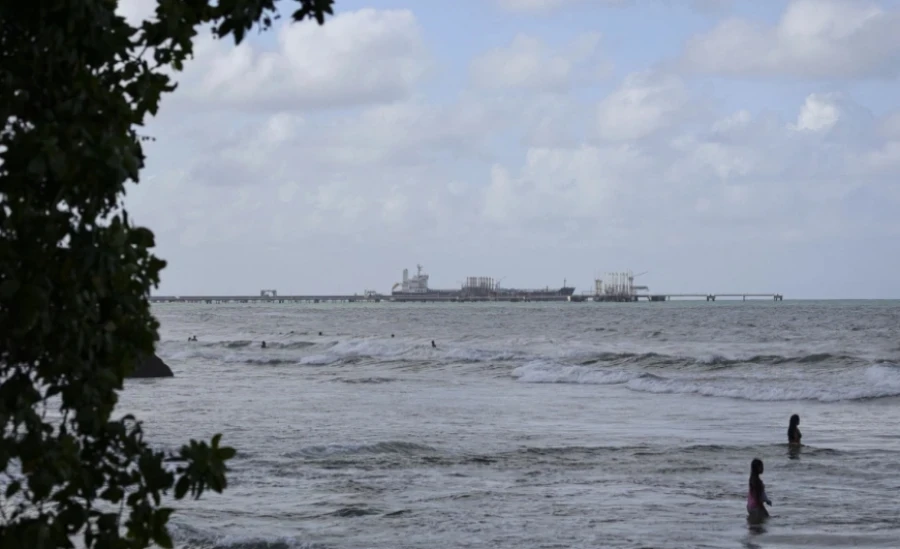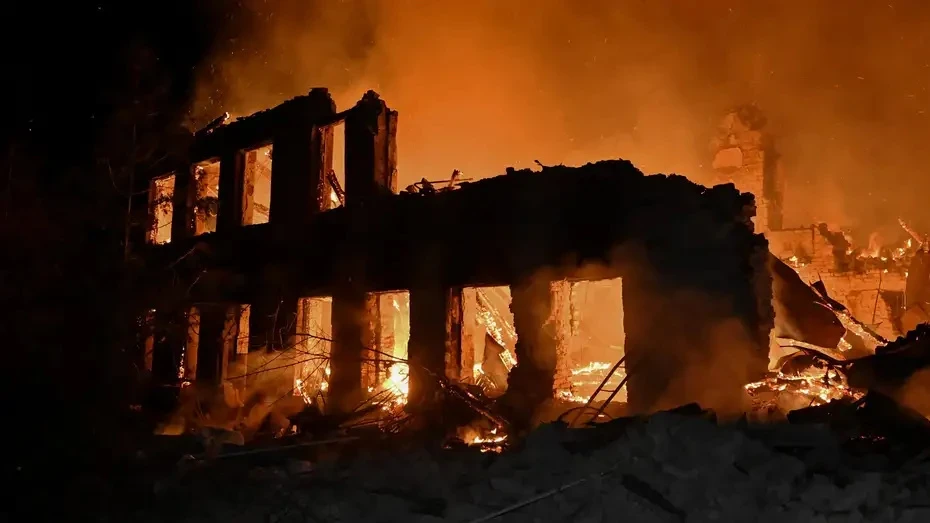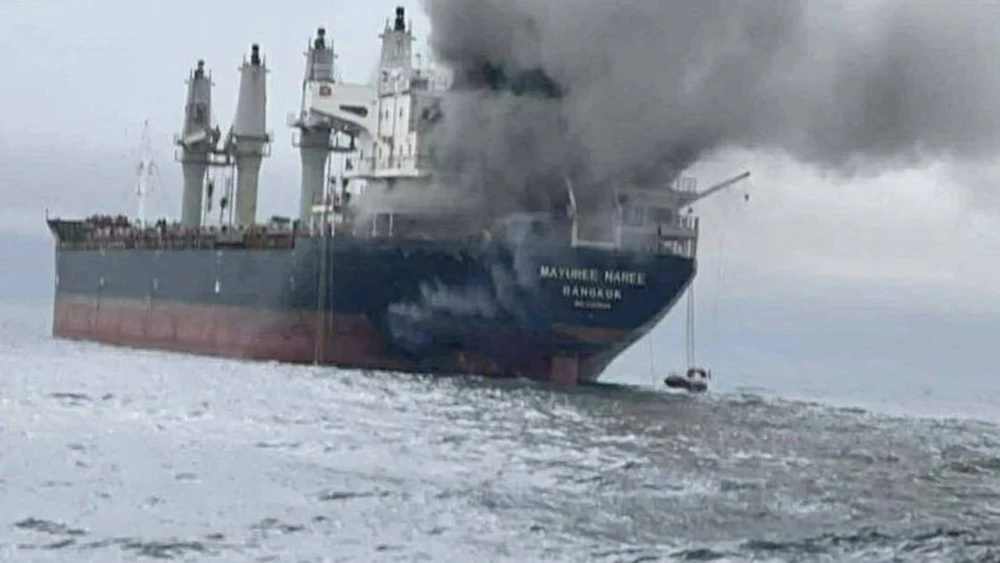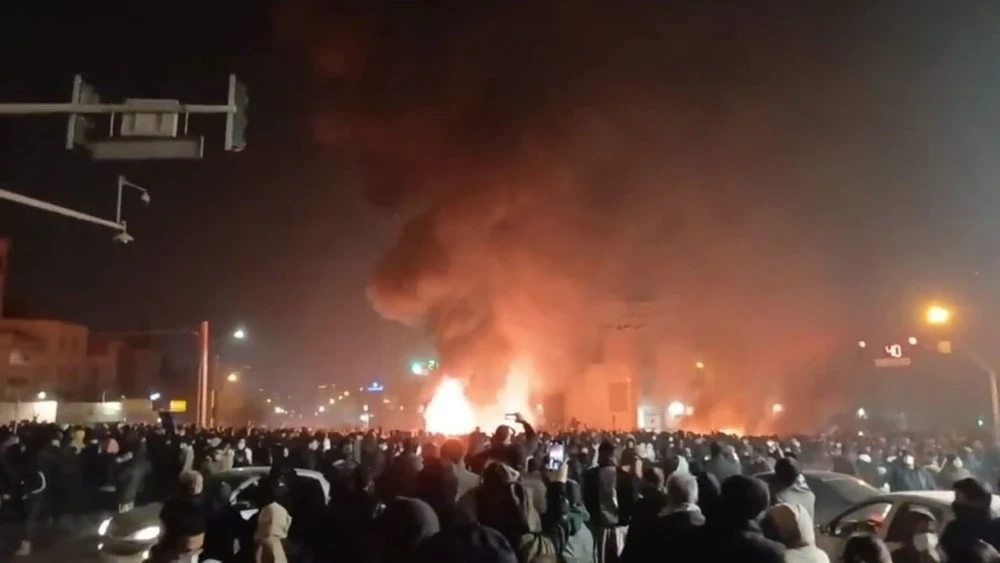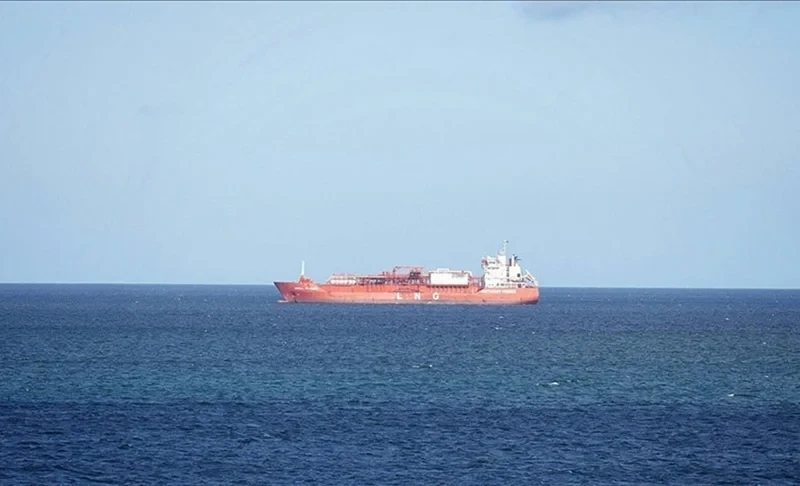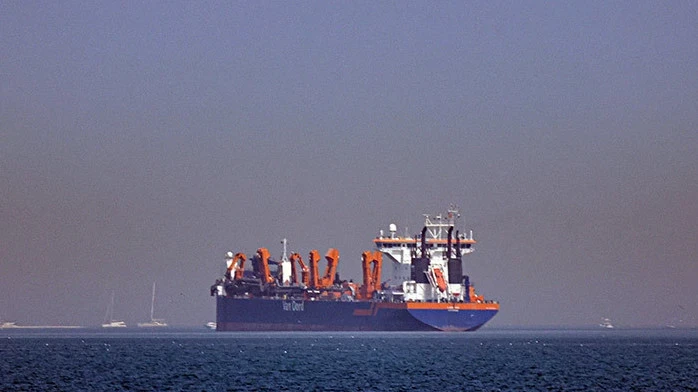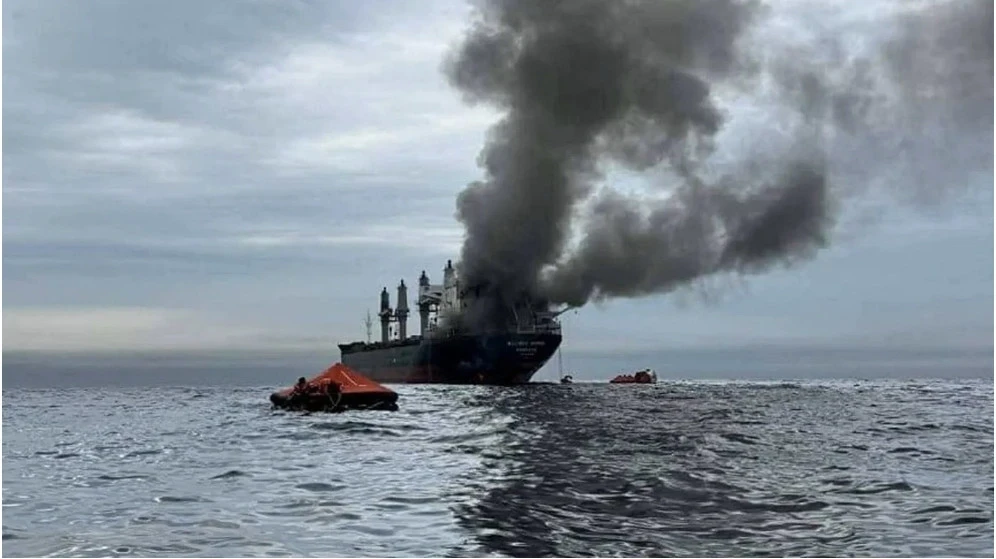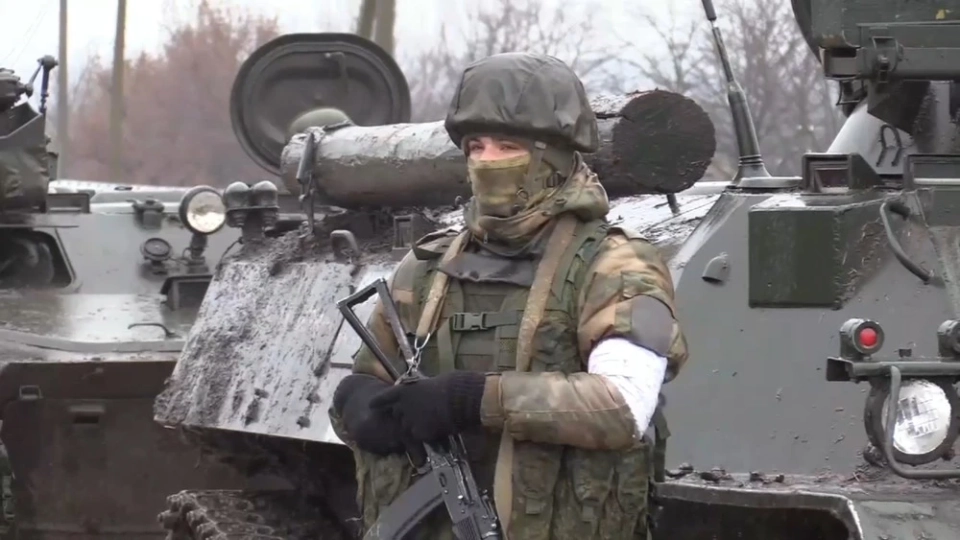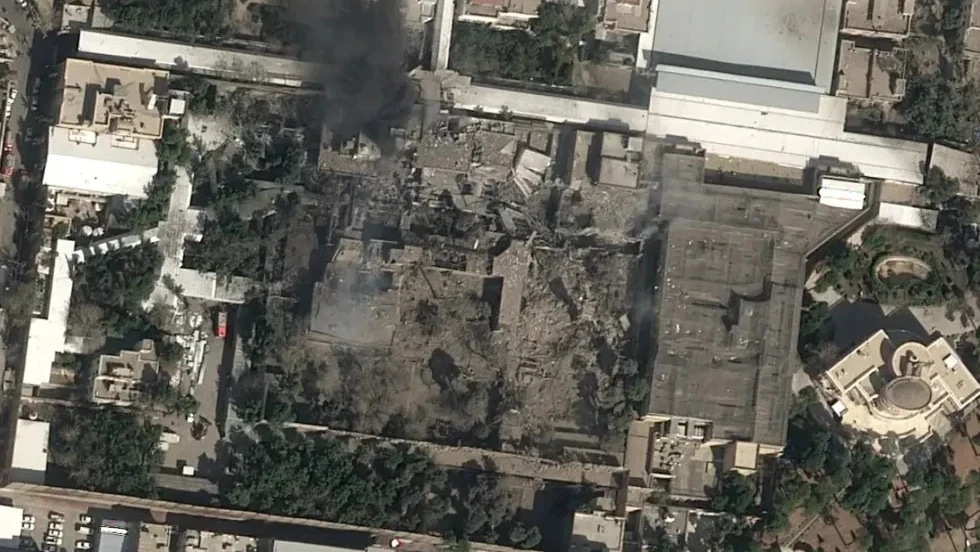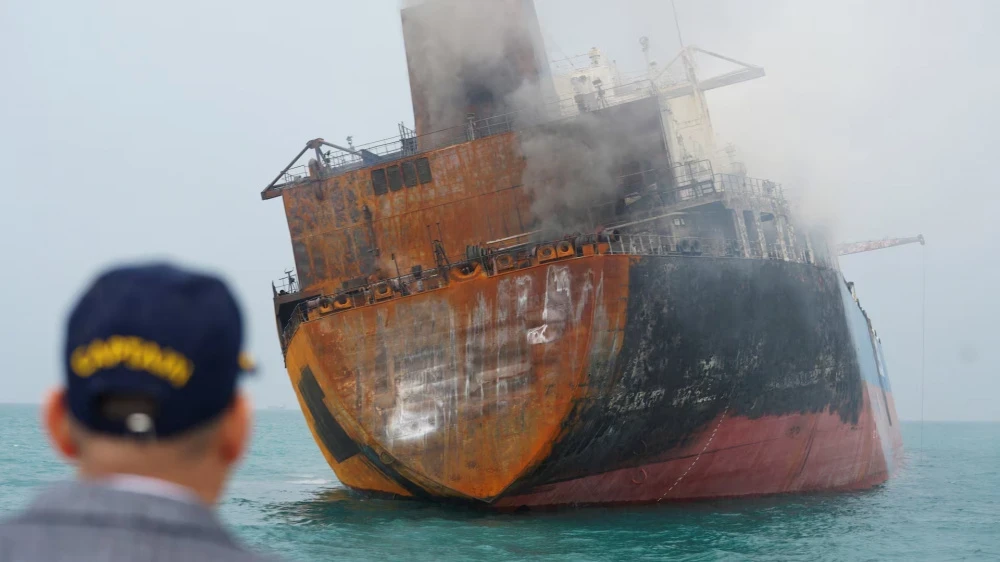
A damaged tanker in Iraqi territorial waters. Photo Reuters / Mohammed Aty.
The latest events in the Middle East confirm that hostilities between the USA, Israel, and Iran are spreading to more countries in the region. Over the past day, new rocket and drone attacks, airstrikes on Iran and Lebanon, as well as active diplomatic steps from the USA and European states have been recorded. Here are the main points from global news.
Military Actions and Strikes
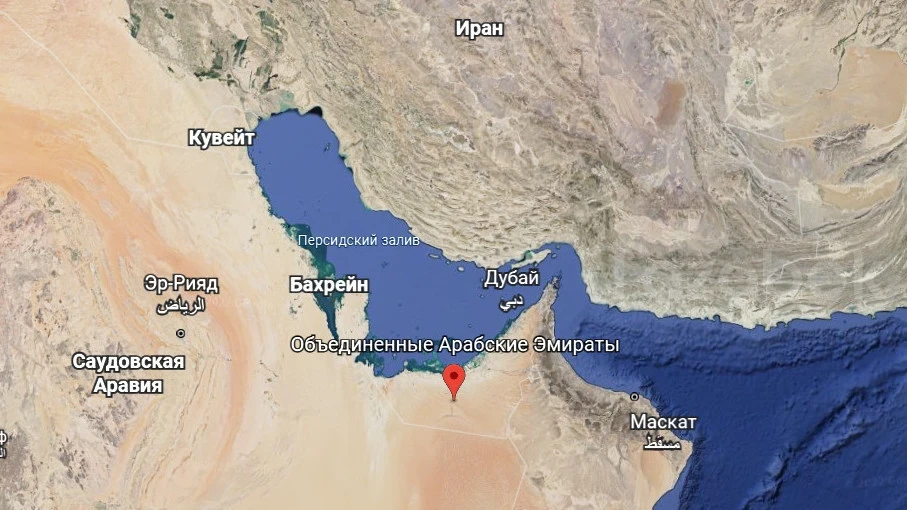
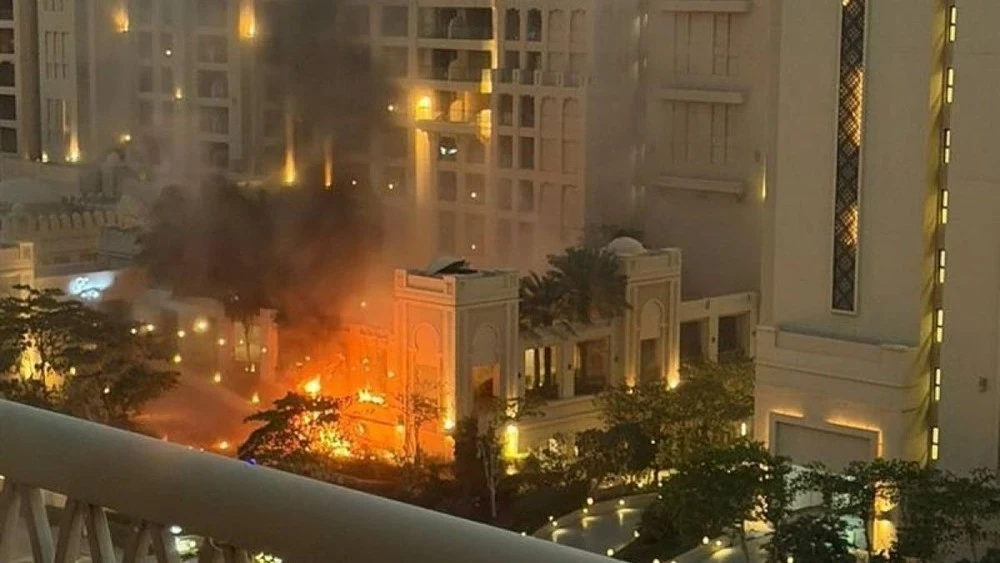
- In the United Arab Emirates, Iranian rockets and drones were intercepted, prompting authorities to temporarily close airspace. As a result of one of the rockets hitting a car in Abu Dhabi, one person was killed.
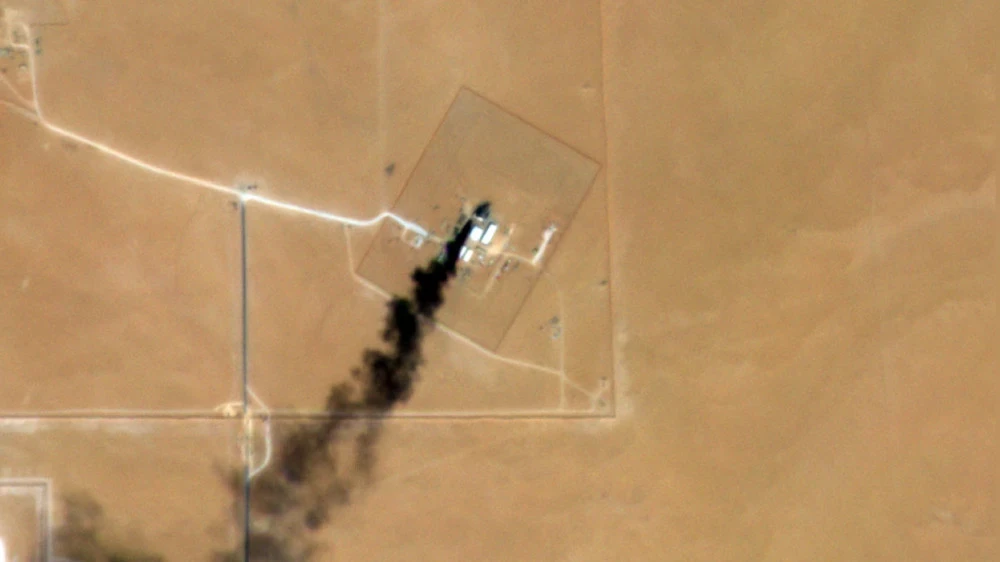
- A fire also broke out in the area of fuel tanks and near Dubai International Airport, leading to damage to energy facilities.
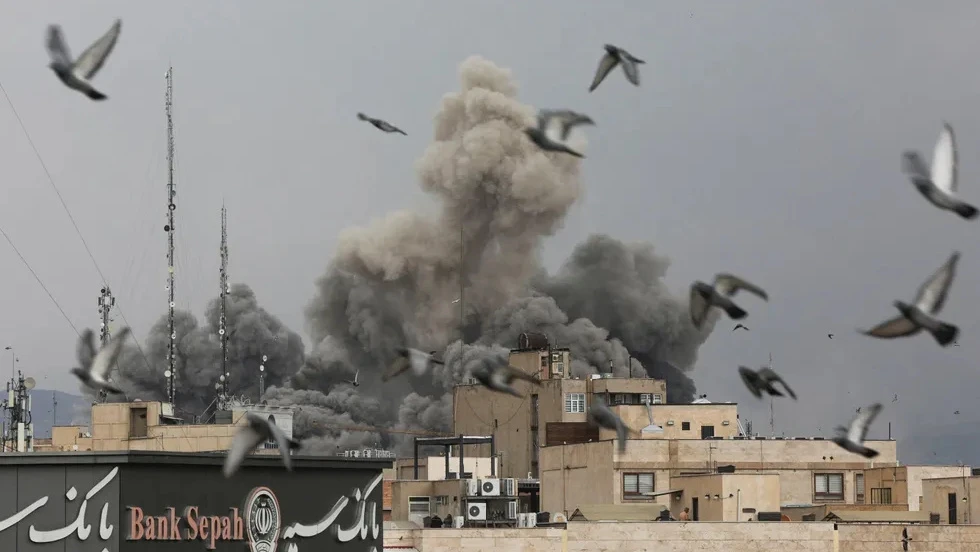
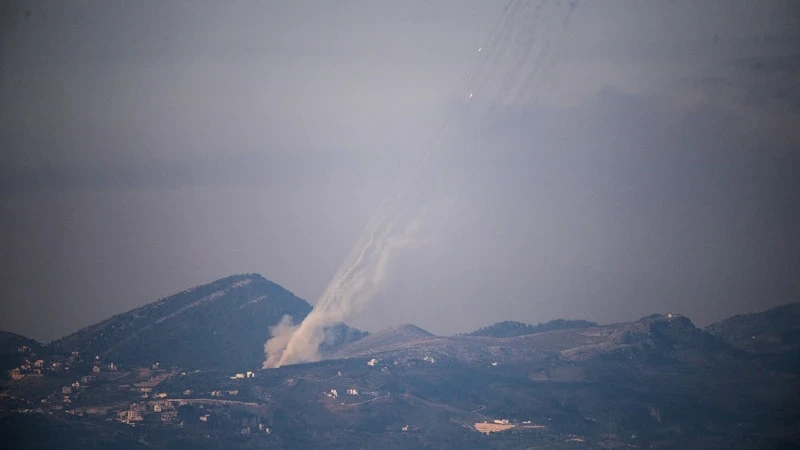
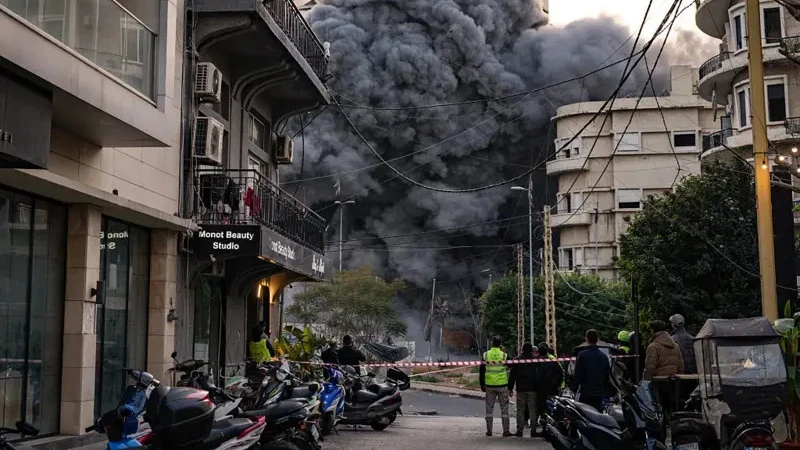
- Israeli military aviation again attacked targets in Tehran while simultaneously intensifying its operations against "Hezbollah" in Lebanon. According to media reports, a significant portion of Iran's air defense system has already been destroyed.
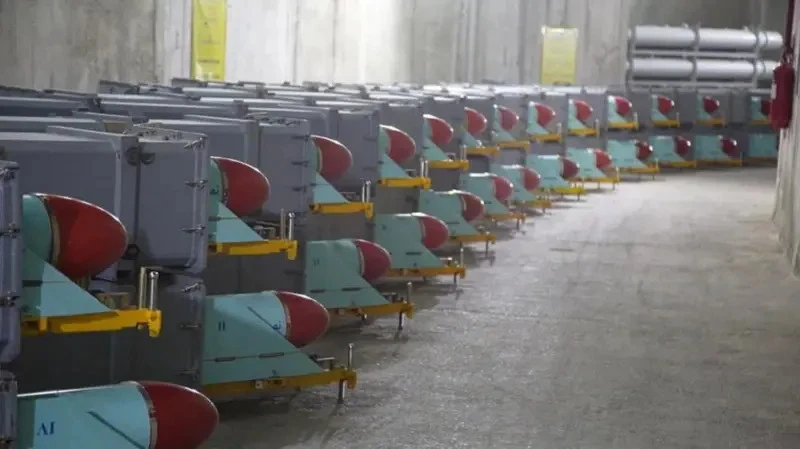
- Iran responded with further rocket strikes on Israeli territory amid ongoing attacks by Israeli forces on Iranian positions and neighboring countries.
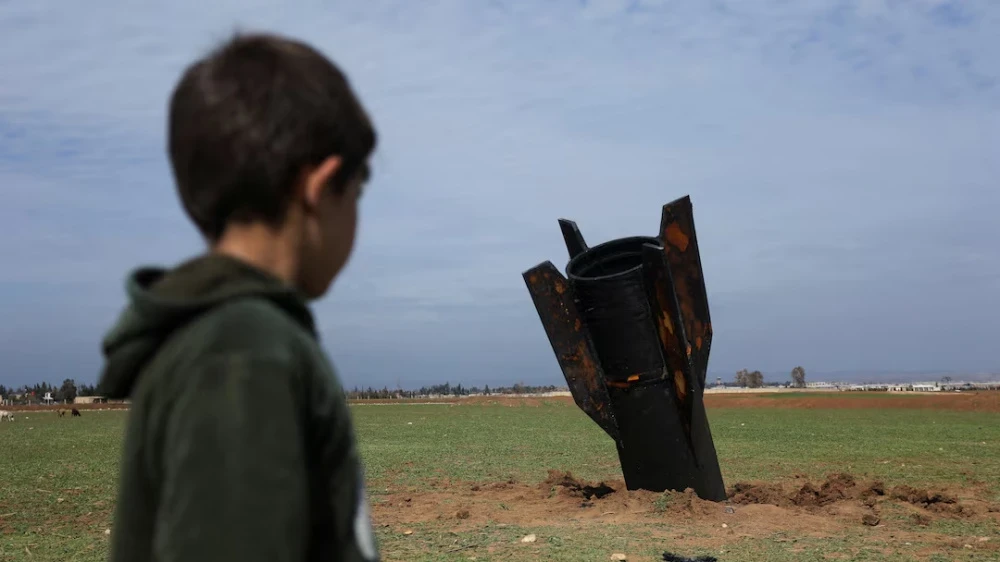
- In Iraq, attacks on American facilities were recorded: drones and rockets targeted the area of the US Embassy in Baghdad. Information about casualties and damage is currently unavailable.
American Reaction
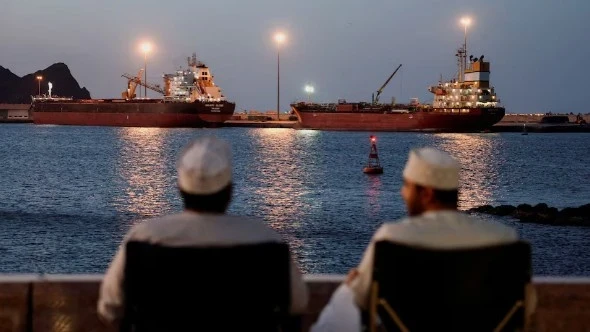
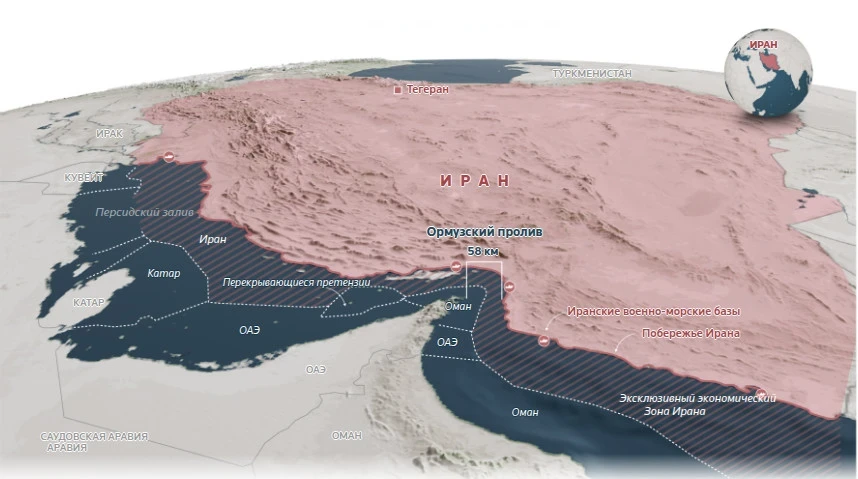
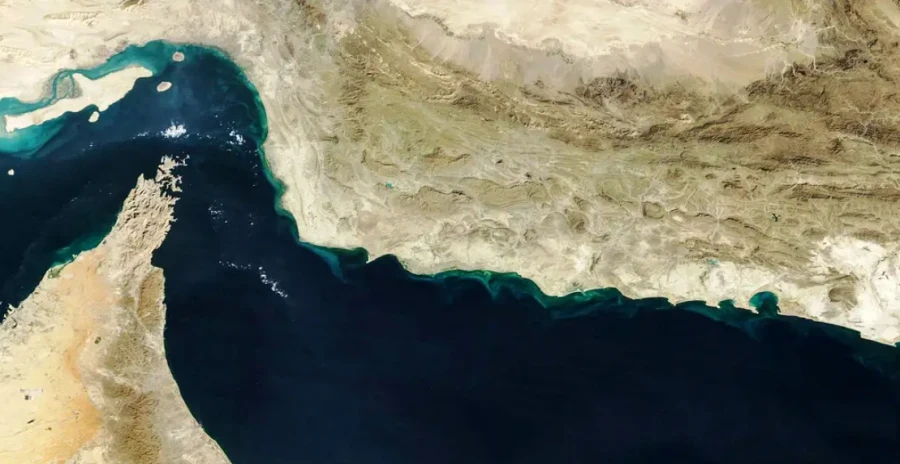
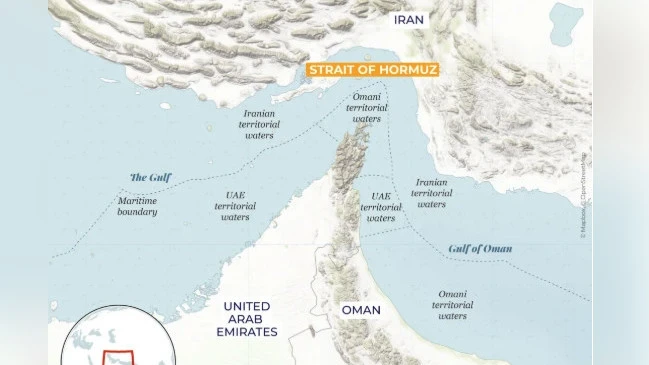
- The US President urged allies to send military ships to protect shipping in the Strait of Hormuz, where Iranian attacks have disrupted cargo transportation.
- Donald Trump stated that the actions of the USA and their allies have significantly weakened Iran's military power, but the operation is not yet complete.
- On Monday, Trump expressed dissatisfaction that some allies refused to support his proposal to send military ships to escort tankers through the Strait of Hormuz, accusing them of ingratitude after years of support.
Position of Regional Countries
- According to Reuters, Gulf states are urging the USA to completely eliminate Iran's military capabilities, believing that limited measures will leave the region vulnerable to future attacks.
- Arab countries, however, fear direct involvement in the conflict and are trying to avoid engagement, fearing a massive Iranian retaliation.
Global Reaction
- European governments have urged Israel not to conduct a large-scale ground offensive in Lebanon to avoid escalating the conflict.
- Despite Trump's calls, the European Union does not intend to expand its naval mission to ensure security in the Strait of Hormuz, as stated by EU High Representative Kaia Kallas.
- A representative of the German government and Defense Minister Boris Pistorius ruled out the participation of the Bundeswehr in a military mission in Hormuz, noting that the USA did not consult Germany before the conflict began, and this is not a task for NATO.
Economic Consequences
- Military actions and threats of attacks in the Strait of Hormuz have significantly reduced tanker traffic, leading to a rise in global oil prices above $100 per barrel.