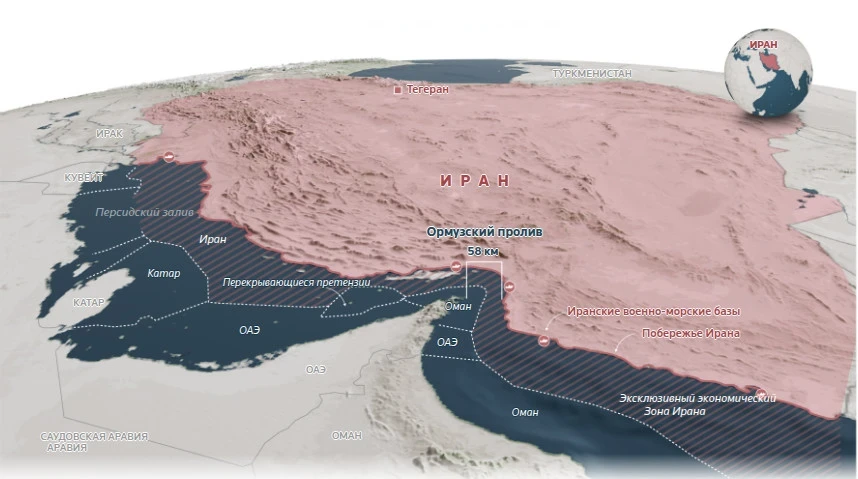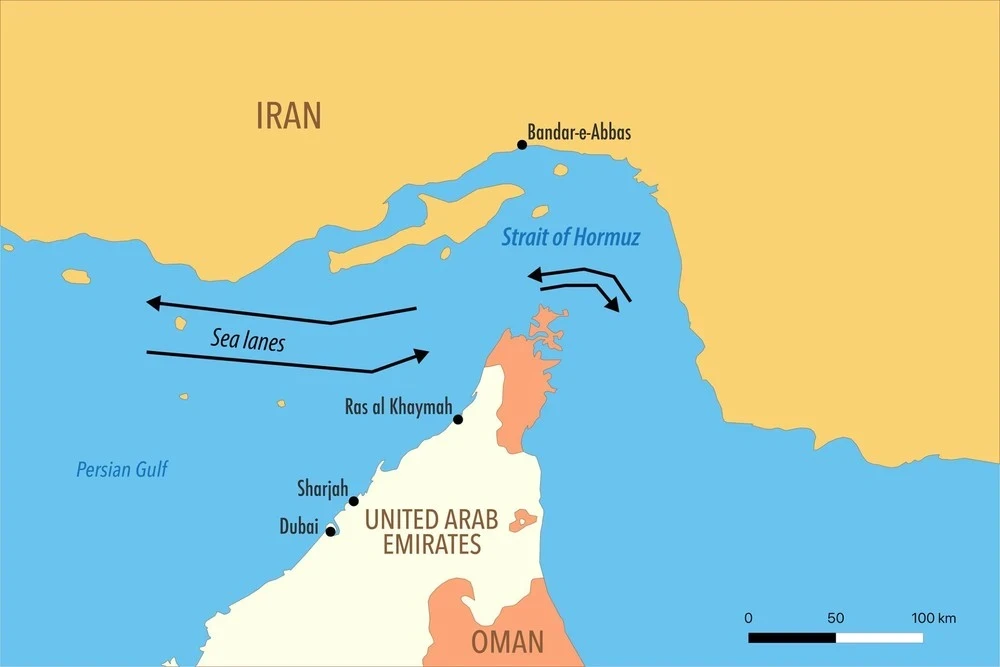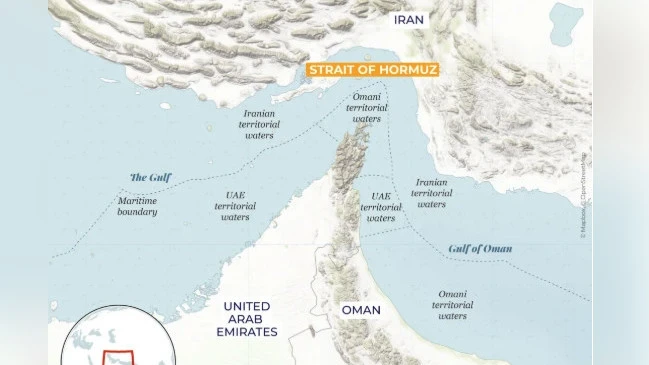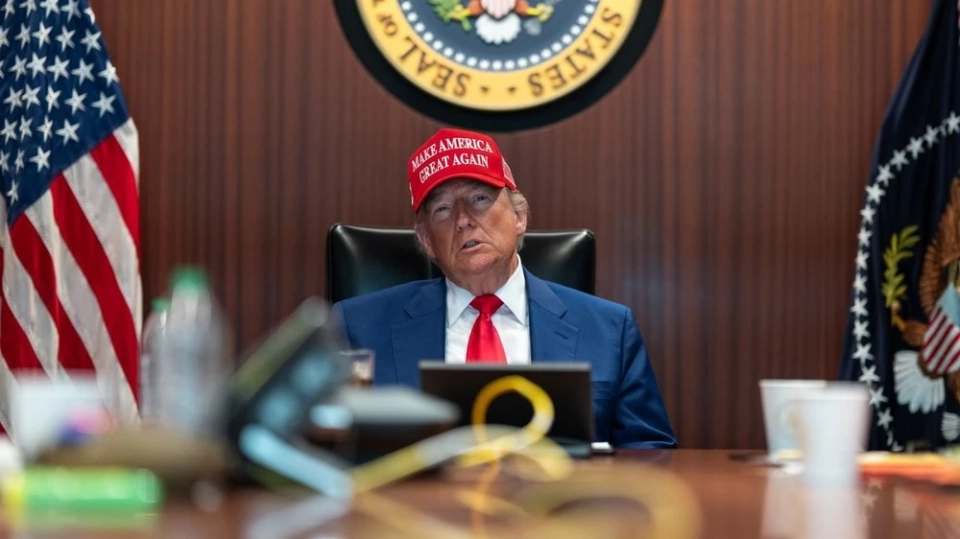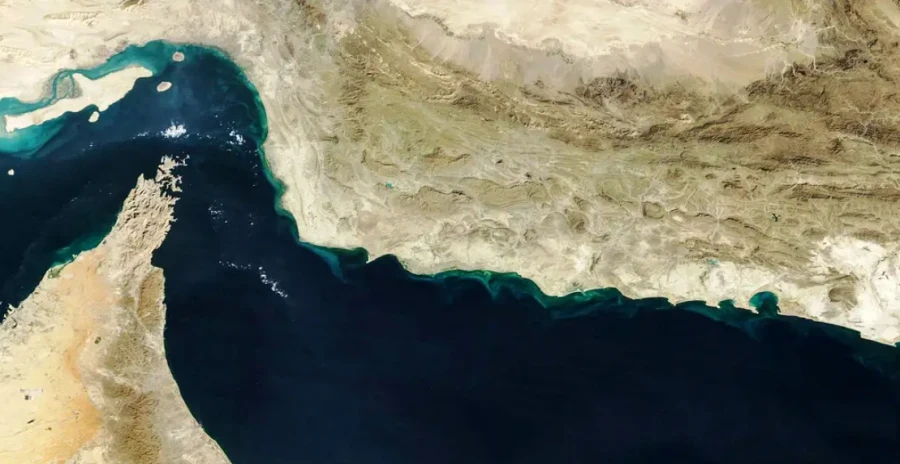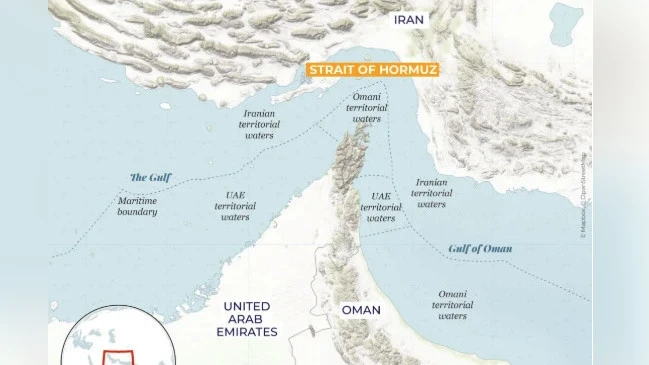
Trump emphasized that countries like China, France, Japan, South Korea, and the United Kingdom, which depend on oil passing through this strategic route, could join forces with the U.S. Navy to ensure safe shipping.
However, there have been no official commitments from these states so far.
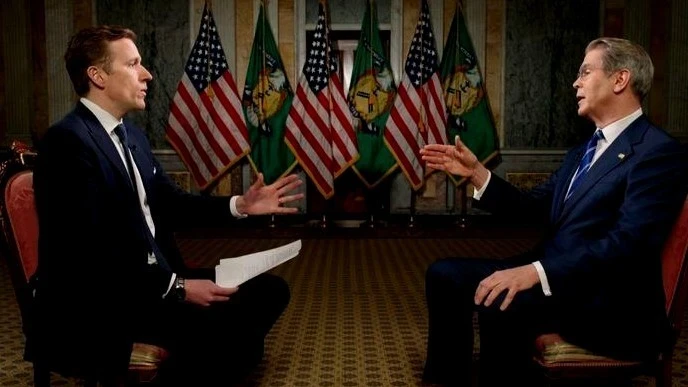
According to Al Jazeera, U.S. Energy Secretary Chris Wright stated that he is "in dialogue" with some of the mentioned countries and expressed hope that China would become a "constructive partner" in ensuring the security of the strait.
Barbara Slavin, a senior fellow at the Stimson Center, expressed doubt that China would send its naval forces to support the U.S. "China is not interested in sending military ships to protect the Strait of Hormuz, as Iranian oil is currently successfully reaching China," she noted in an interview with Al Jazeera.
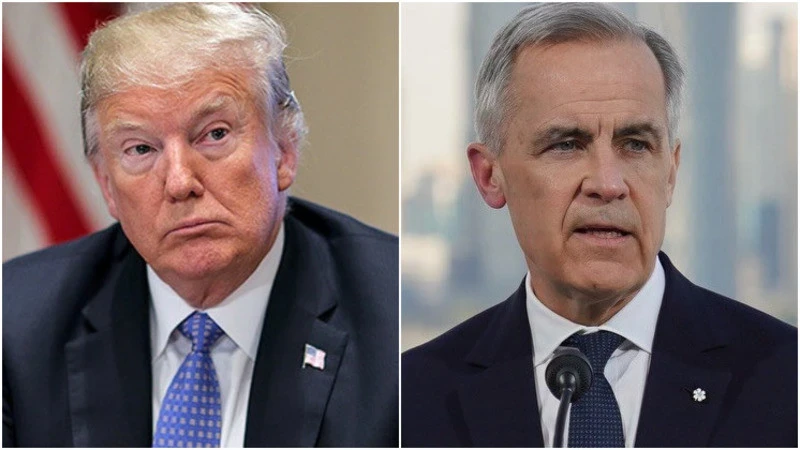
UK Prime Minister Keir Starmer discussed with Trump the importance of opening the strait to prevent disruptions in international shipping and separately raised the issue with Canadian Prime Minister Mark Carney.
According to the BBC, Japan, which considers the U.S. its closest ally, has not yet given an official response to Trump's call, but government sources say the issue may be considered during the upcoming visit of Prime Minister Sanae Takichi to the U.S.
As for France, its government has also not provided a formal response, but shortly after Trump's appeal, the French Foreign Ministry denied reports that Paris plans to send military ships to the Strait of Hormuz.
South Korea has not yet commented on Trump's request.
Indian Foreign Minister Subrahmanyam Jaishankar told the Financial Times that negotiations between New Delhi and Tehran allowed two Indian gas tankers to pass through the strait last Saturday.
Iranian Foreign Minister Abbas Araghchi told CBS that several countries have already approached Tehran with requests to ensure safe passage for their vessels, but decisions on this matter are made by the military.
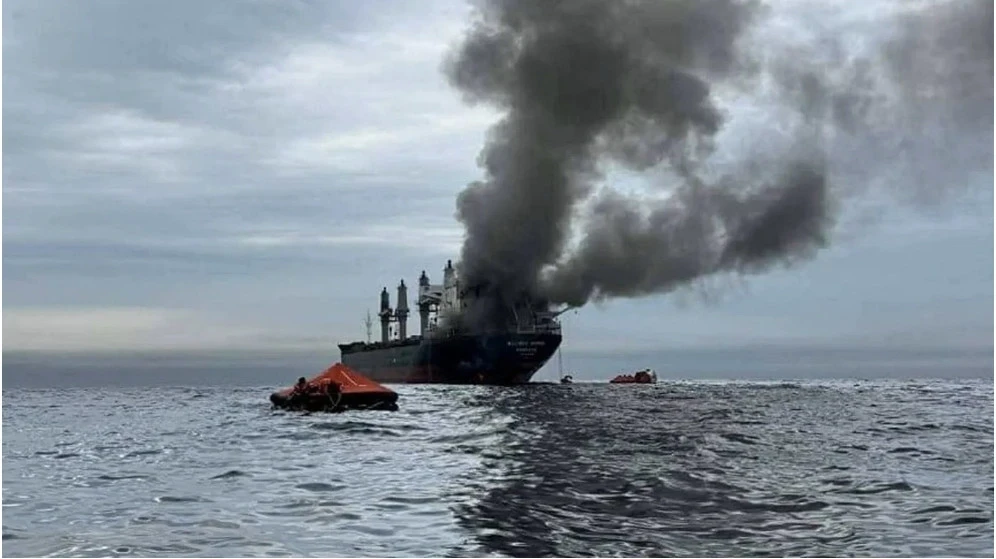
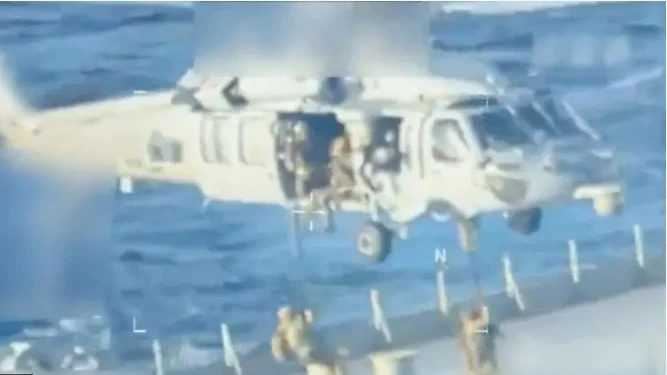
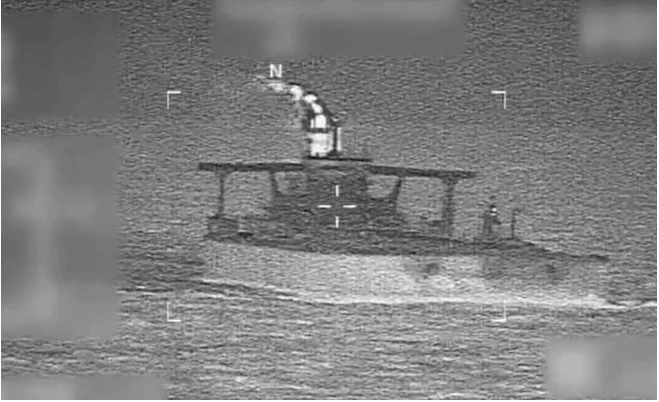
The Atlantic reports that the Trump administration was surprised that Iran, which has been hit by the U.S. and Israel, responded by targeting shipping in the Persian Gulf. While the deployment of American ships could improve the protection of oil supplies, it would also make them vulnerable to attacks. The Trump administration views this option with concern, as Iran has raised strategic issues that the administration was not prepared for.
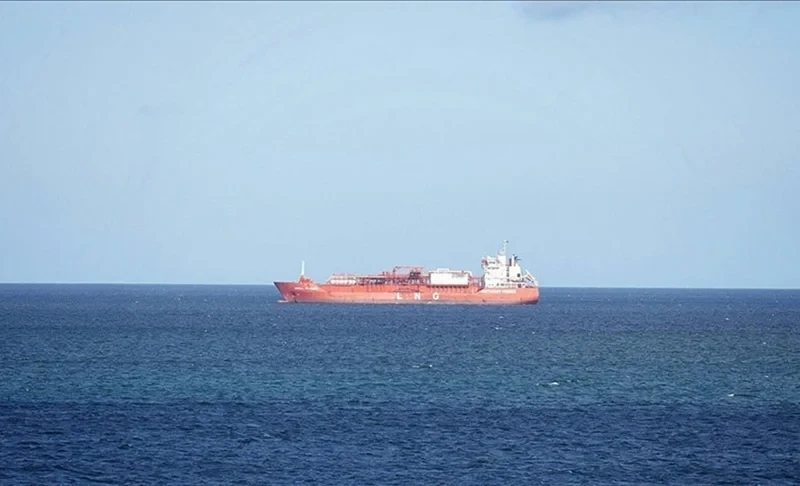
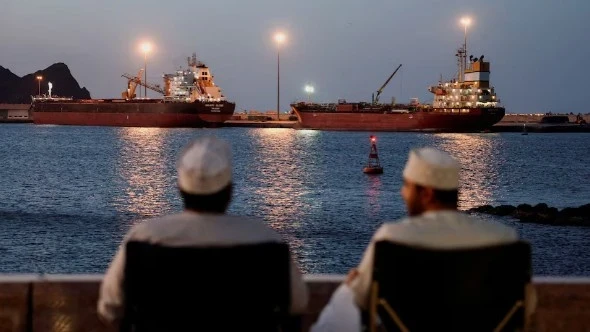
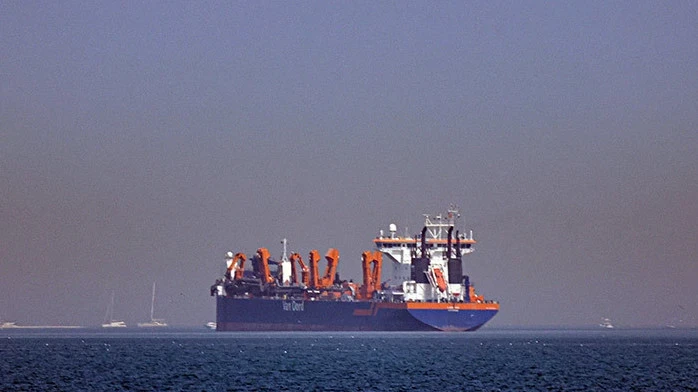
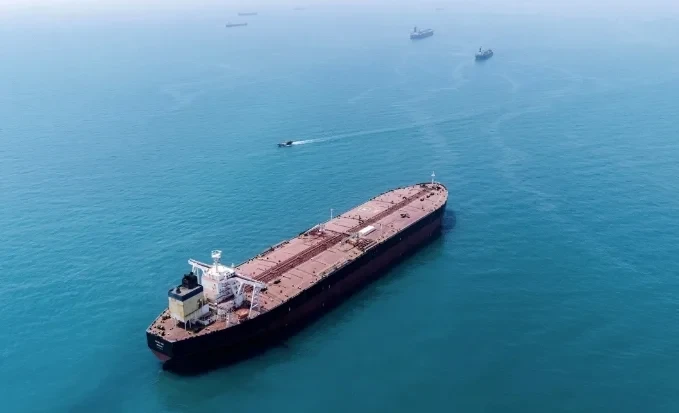
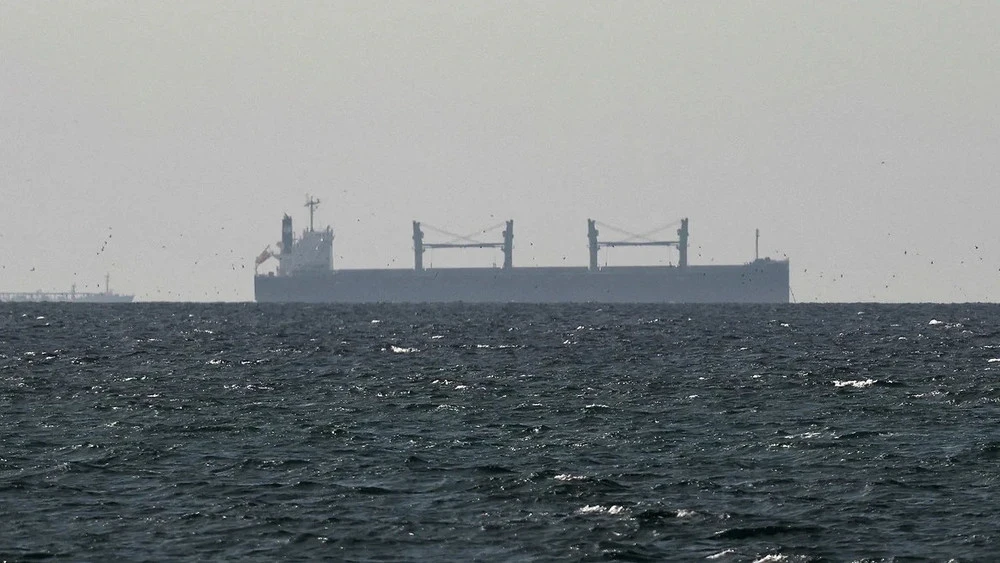
According to international maritime services, since the beginning of the conflict on February 28, at least ten oil tankers have been attacked or reported incidents. Currently, about a thousand tankers cannot safely pass through the Strait of Hormuz.