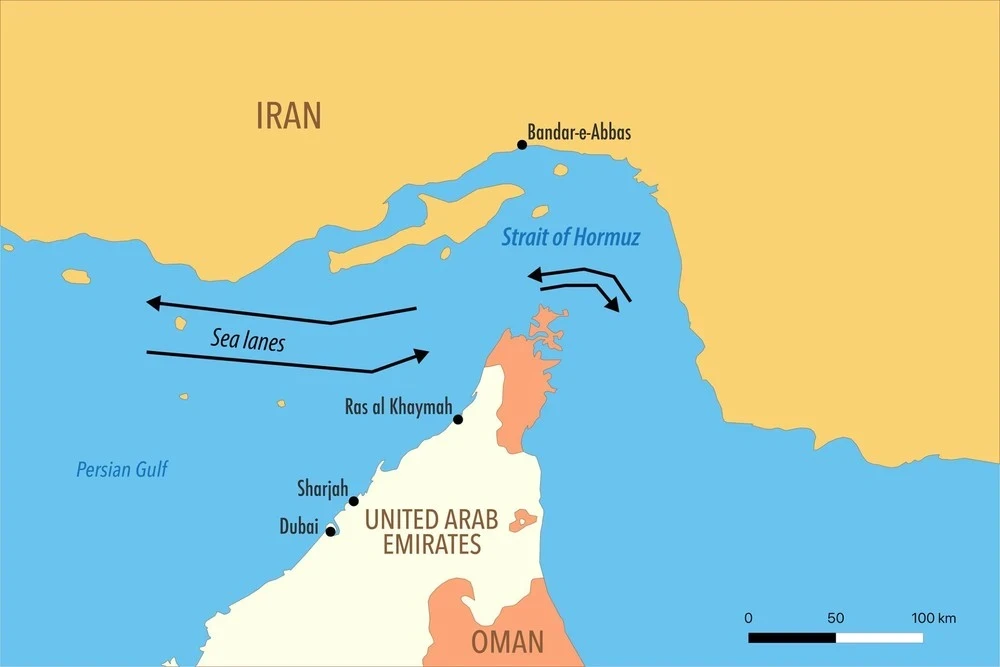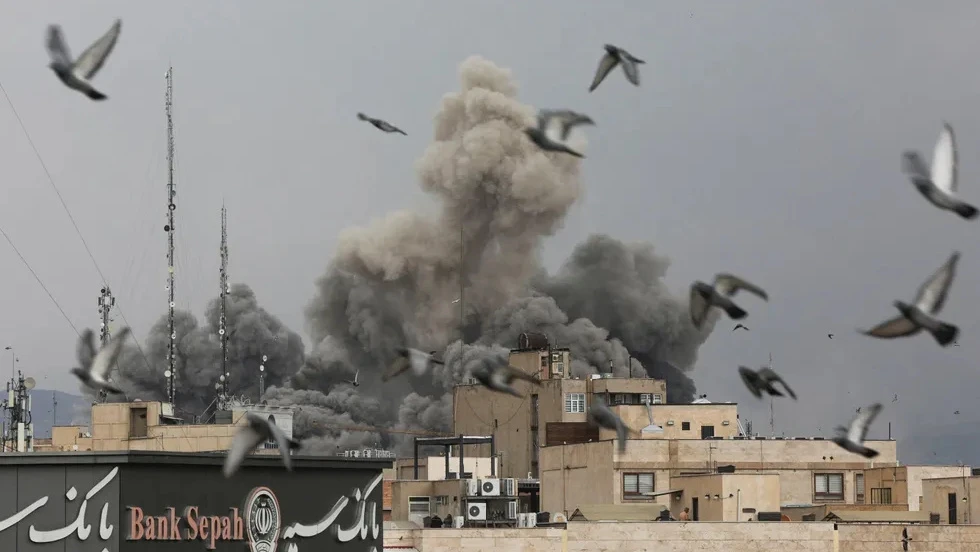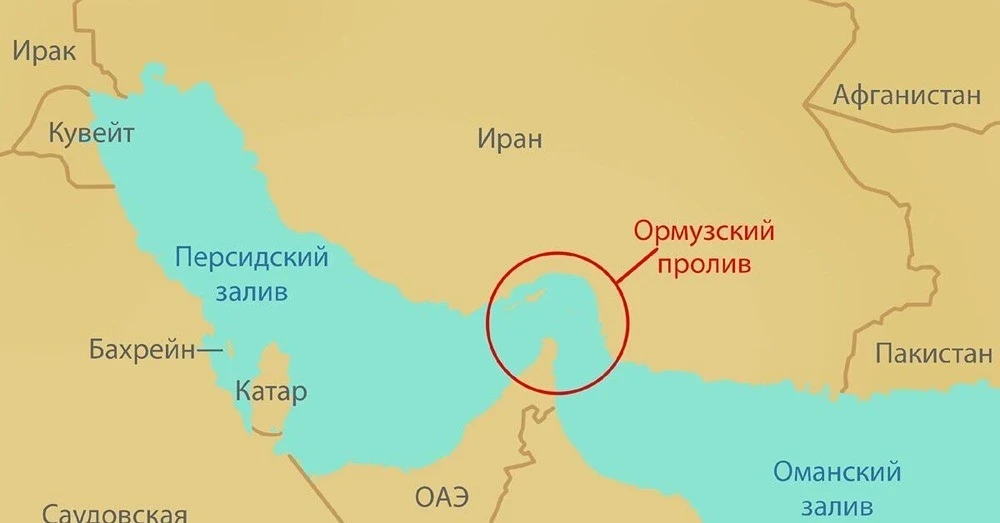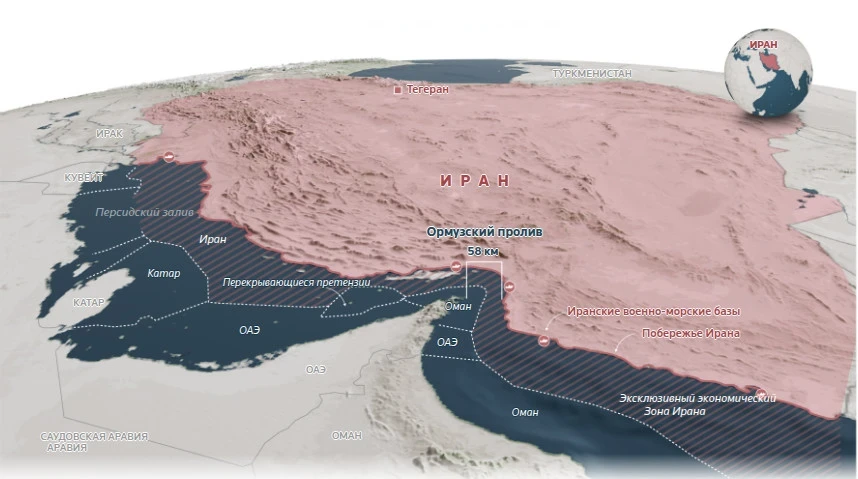
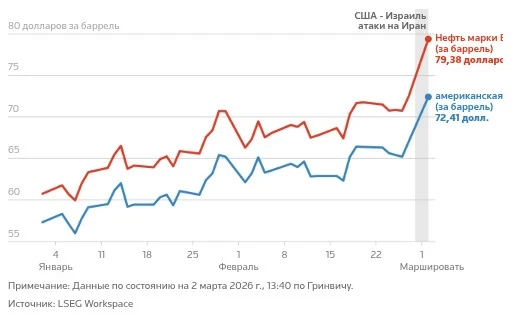
According to Reuters, recent actions by the US and Israel, which have become the largest attack on Iran in decades, have raised serious concerns about Tehran's ability to disrupt oil transportation through this strategically important strait.
The rise in oil prices has become an inevitable consequence of these events, and experts predict that high stakes in the market will persist in the coming days as investors closely monitor the developments of the conflict in the Middle East and its impact on supplies through the strait.
The analytical company Vortexa reported that an average of over 20 million barrels of oil, condensate, and fuel passed through the Strait of Hormuz daily last year.
Major oil-exporting countries within OPEC, such as Saudi Arabia, Iran, the UAE, Kuwait, and Iraq, largely depend on this route for transporting their hydrocarbons, primarily to Asia.
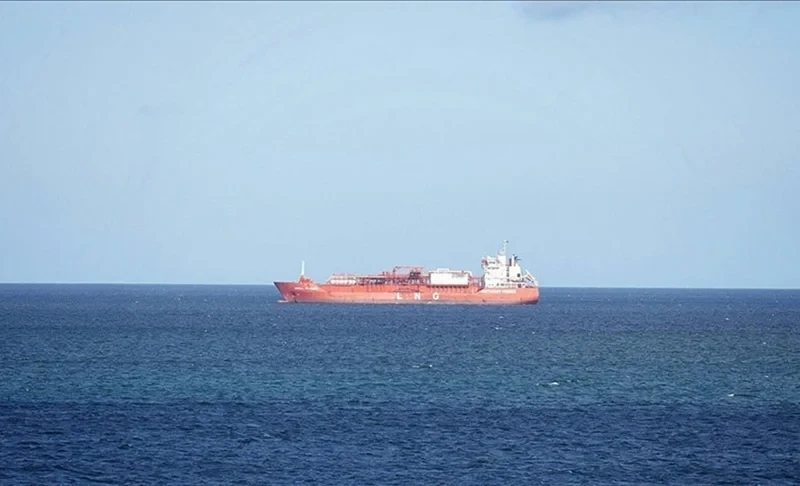
Additionally, Qatar, one of the largest exporters of liquefied natural gas in the world, also sends virtually all of its LNG through this strait.
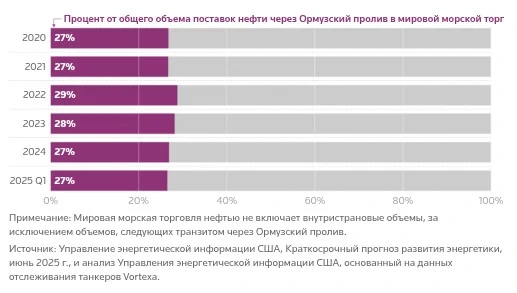
Shipping through the Strait of Hormuz, which accounts for about 20% of all global oil and significant volumes of gas, has virtually come to a halt following incidents involving attacks on vessels in the region, triggered by Iran's retaliatory actions against US and Israeli strikes.
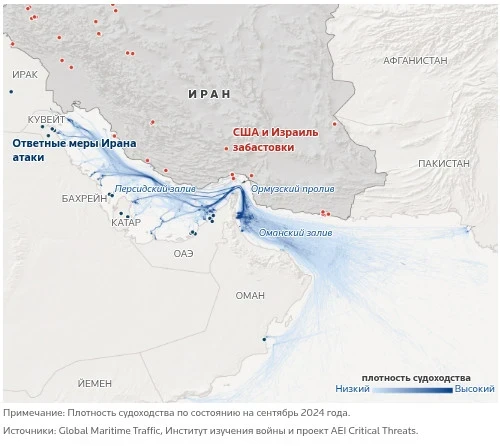
Trade sources report that on Saturday, following the US and Israeli attacks on Iran, many tanker owners and oil companies temporarily suspended shipments of oil, fuel, and liquefied gas through the Strait of Hormuz.
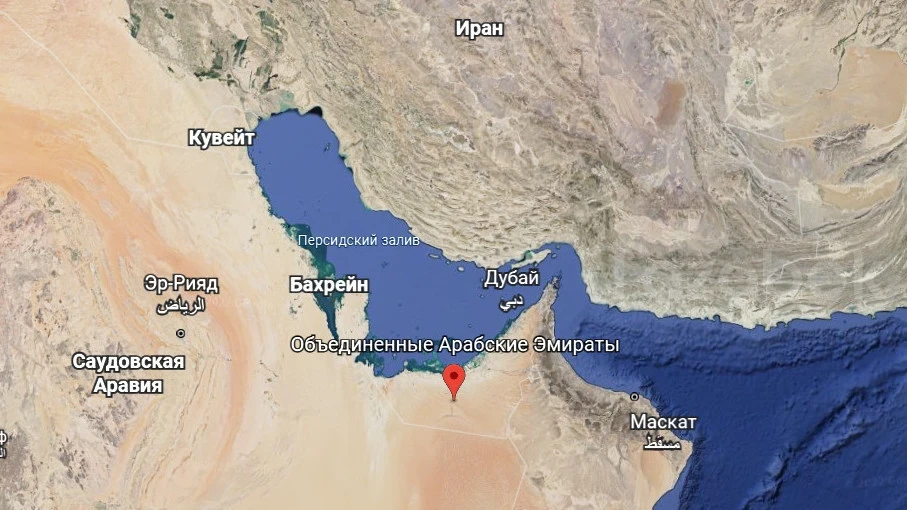
One executive from a major oil company stated, "Our vessels will remain in port for a few days." Satellite images confirmed that tankers have accumulated near ports such as Fujairah in the UAE and are not passing through the strait.
Iran and its influence on shipping
Tehran announced the closure of shipping in this strategically important waterway, and vessel movement has virtually stopped following the shelling in response to US and Israeli strikes.
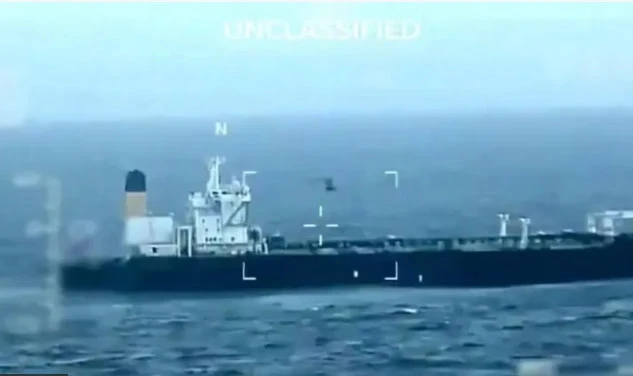
The oil products tanker Stena Imperative was damaged as a result of "airstrikes" while docked in the Persian Gulf, leading to the death of a shipyard worker, according to a statement from the vessel's owner Stena Bulk and management company Crowley.
On Sunday, a shell struck the tanker MKD VYOM, flying the Marshall Islands flag, resulting in the death of a crew member while the vessel was off the coast of Oman, according to the management company.
Also on the same day, a shell hit the bunkering tanker Hercules Star, flying the Gibraltar flag, forcing it to return to its anchorage in Dubai. The crew is safe, the company Peninsula stated.
In addition to the attacks, Tehran may deploy mines in the strait, which poses an additional threat.
US intelligence estimates that Iran has up to 6,000 mines, including various types such as drifting and bottom mines.
“Mines present a serious threat in such confined waters, especially in the narrow corridors of the Strait of Hormuz, where shallow depths allow for quick concealment of their placement,” notes Scarlett Suarez, a senior intelligence analyst at the British company Dryad Global, which specializes in maritime risks.
“Although there have been no reports of large-scale mine-laying operations, the threats remain real,” she added.