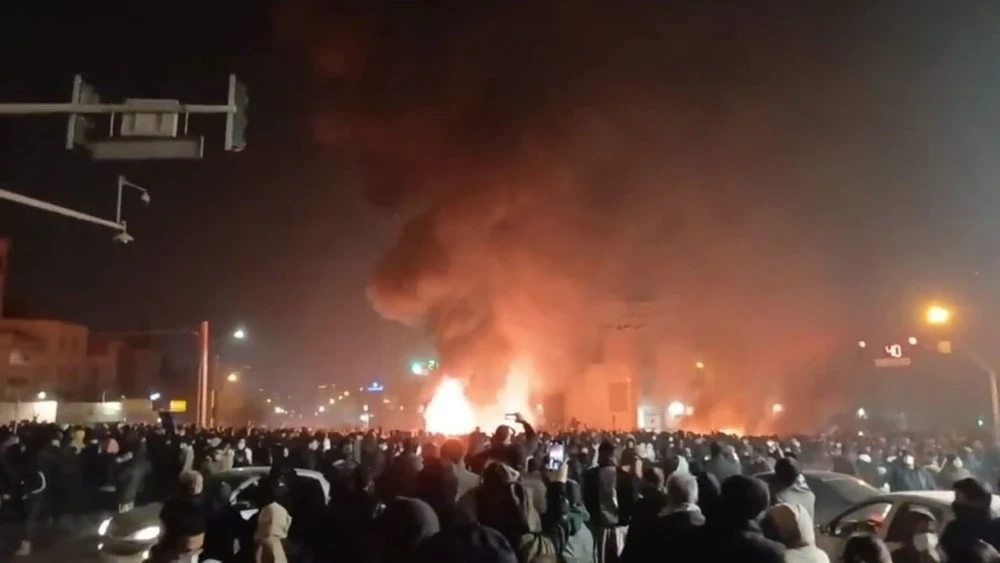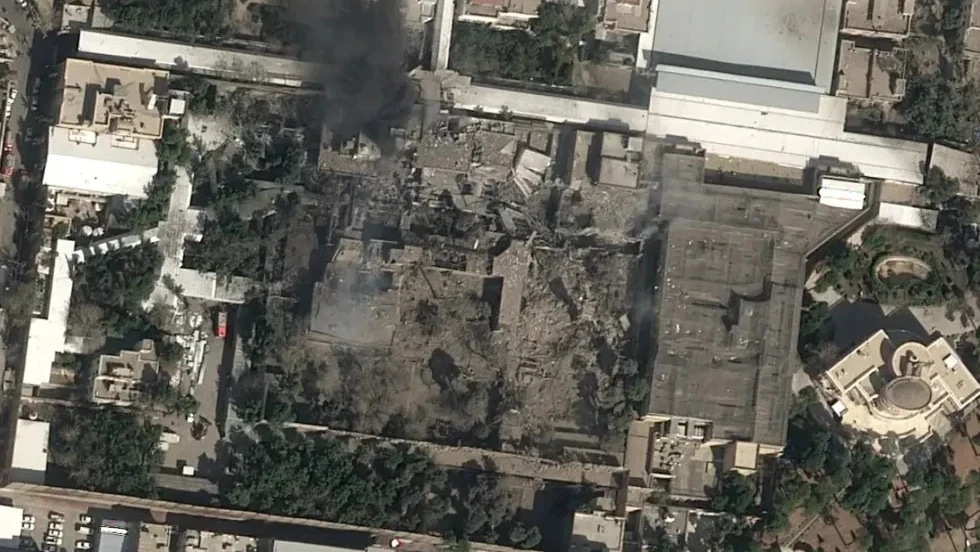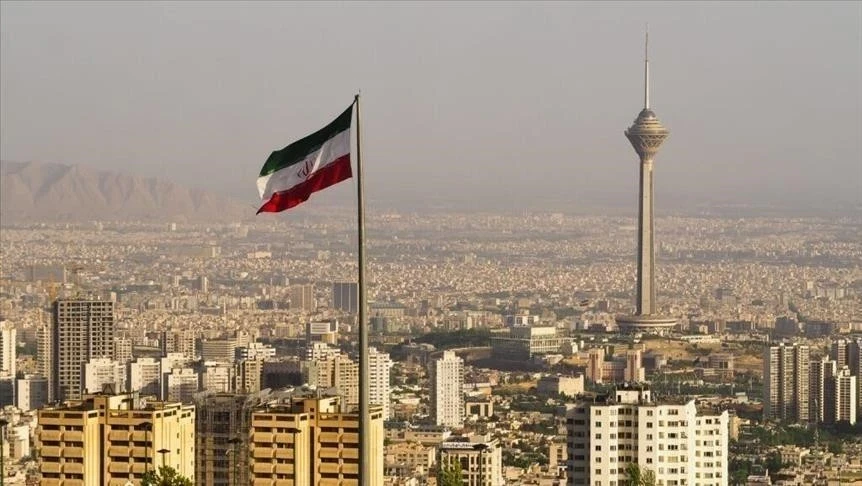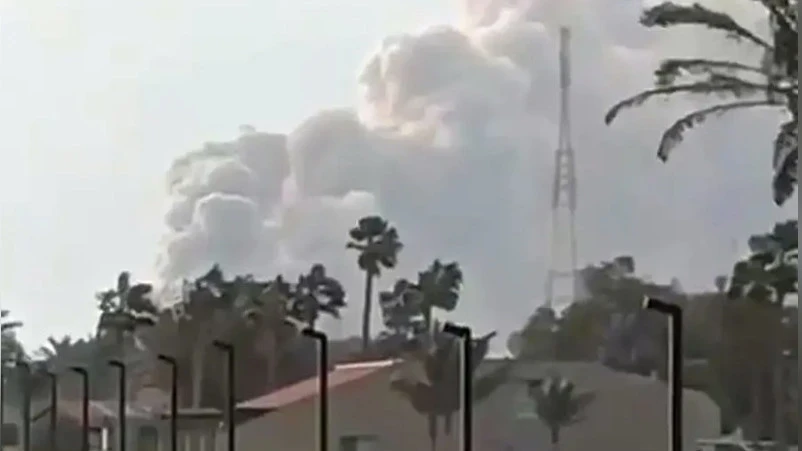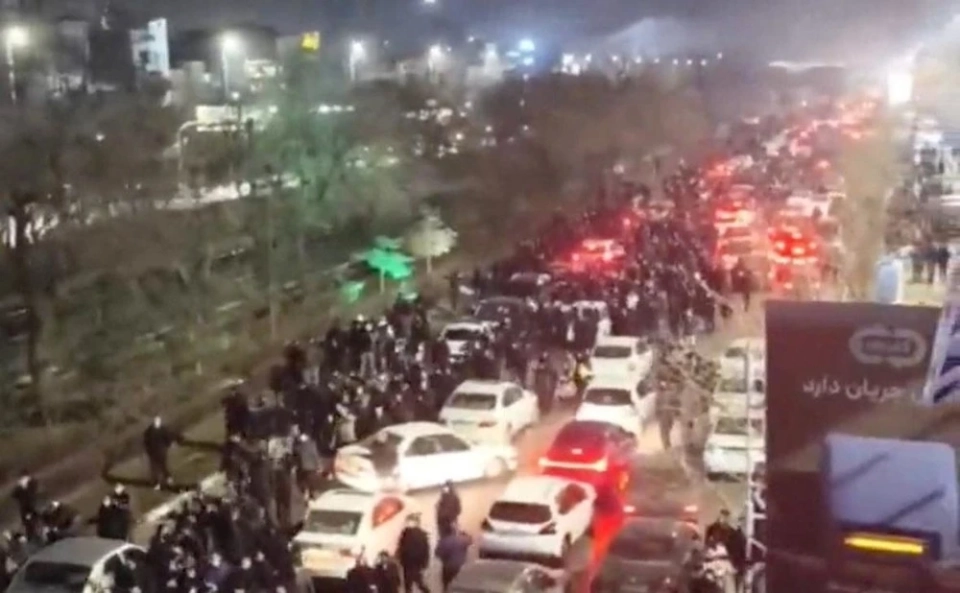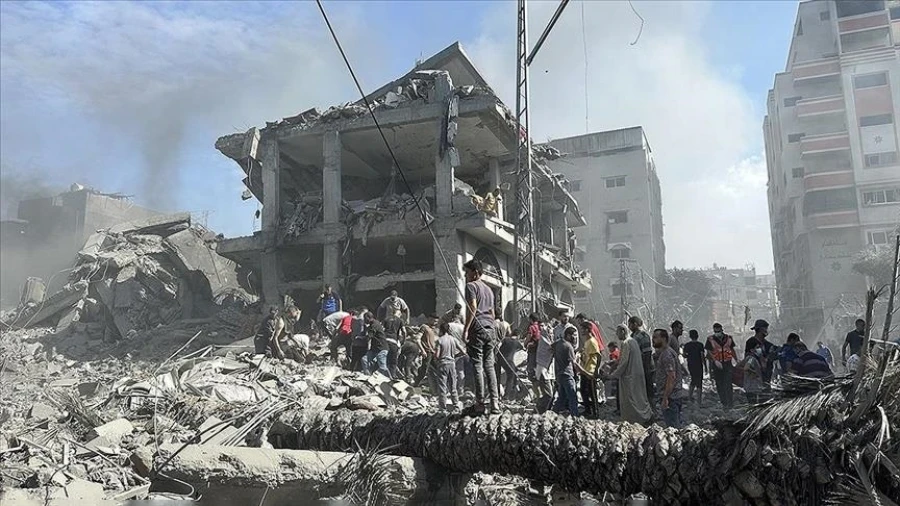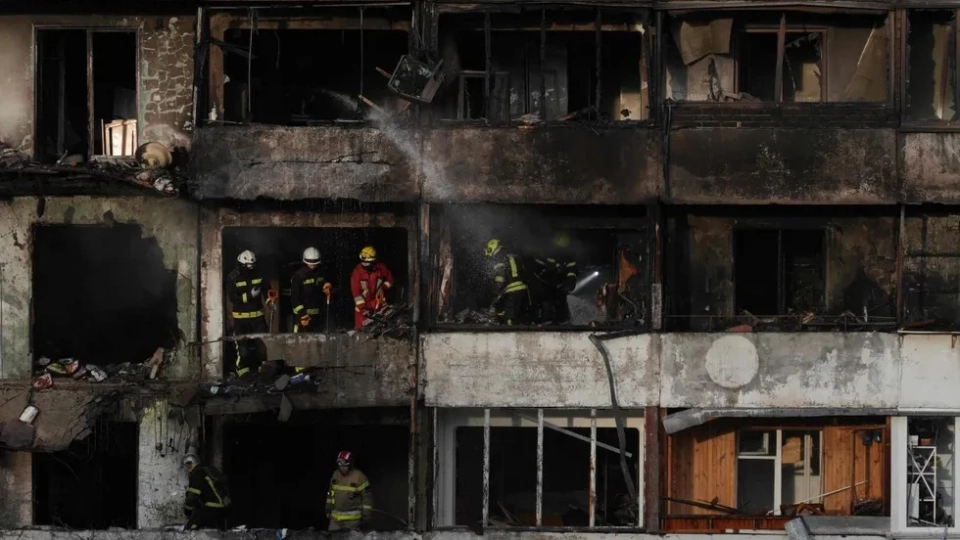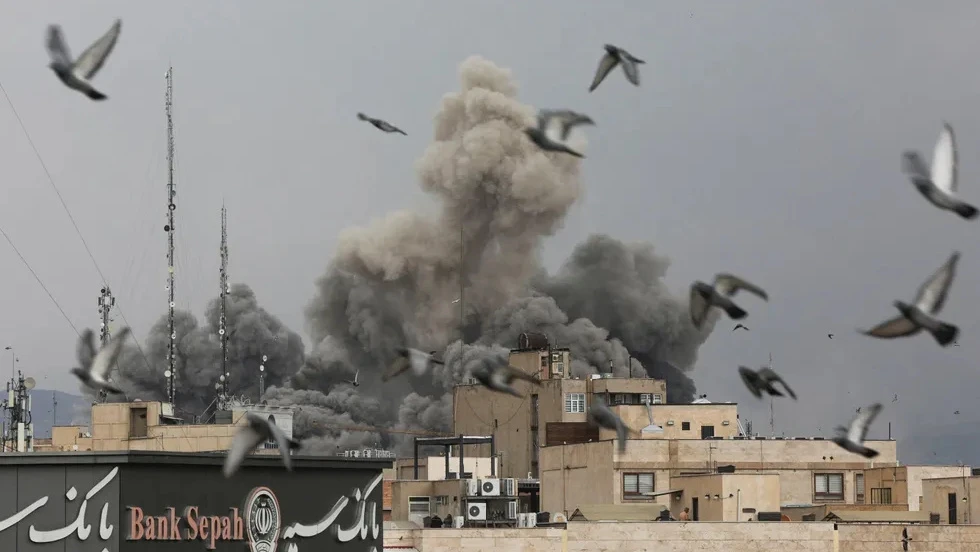
Attack on Tehran, March 2, 2026. Photo by Majid Asgaripour / WANA / Reuters / Scanpix / LETA.
Main Events
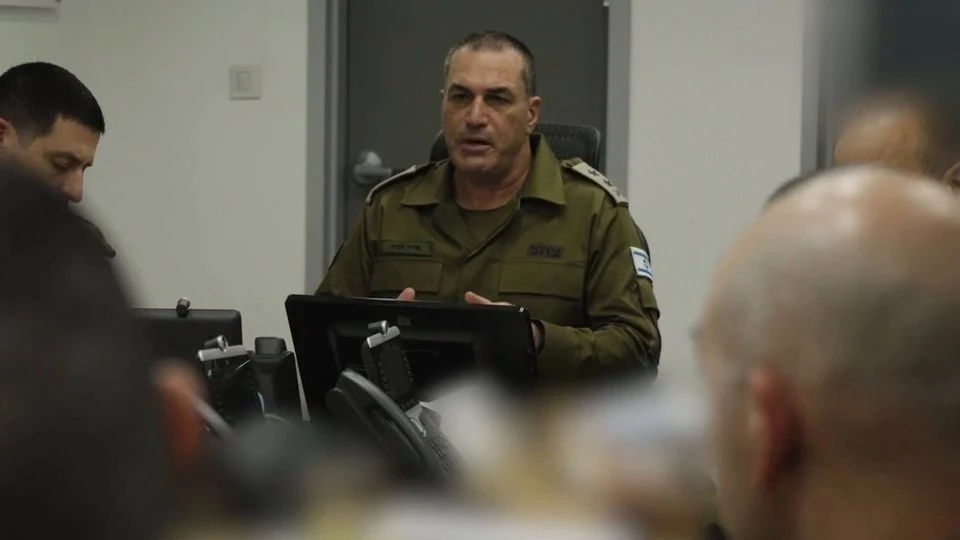
- On the morning of March 2, Israeli forces struck Hezbollah positions in response to missile and drone attacks by the group on northern Israel. As hostilities escalated in Lebanon, air raid sirens sounded in northern Israel, and the Israeli General Staff announced the start of an "offensive campaign" against Hezbollah.
- Throughout the day, Israel continued airstrikes on Lebanese territories. According to the Lebanese Ministry of Health, over 30 people were killed, and about 150 were injured in Beirut and southern cities.
- As a result of the Israeli operation in Beirut, a high-ranking Hezbollah commander, Mohammed Raad, was killed.
- Lebanon imposed a ban on the operation of all educational institutions due to the military actions.
- Lebanese Prime Minister Nawaf Salam condemned the actions of Hezbollah as "illegal" following the group's attacks and announced a ban on its military operations.
- In the middle of the day, explosions were heard in Tel Aviv and other Israeli cities as a result of retaliatory attacks from Lebanese territory and missile strikes from Iran.
- Since March 2, the USA and Israel have continued extensive airstrikes on key targets in Iran, including command posts and military bases.
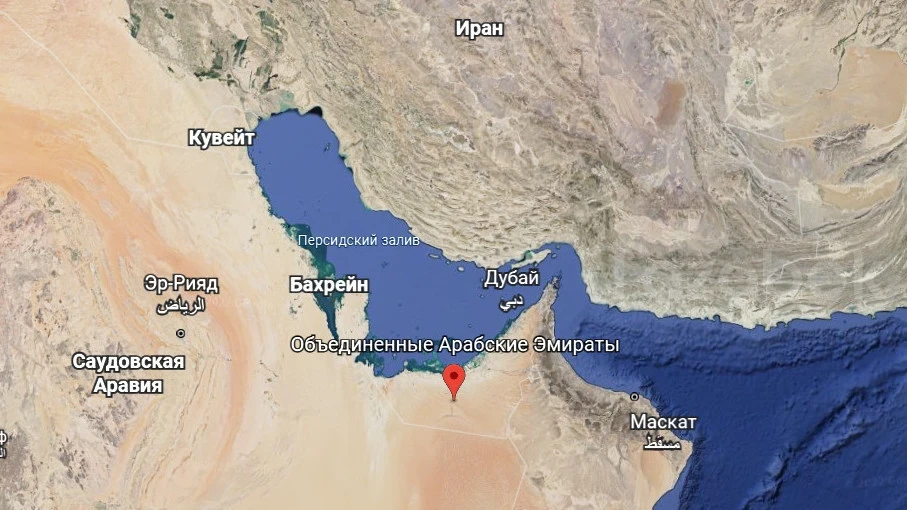
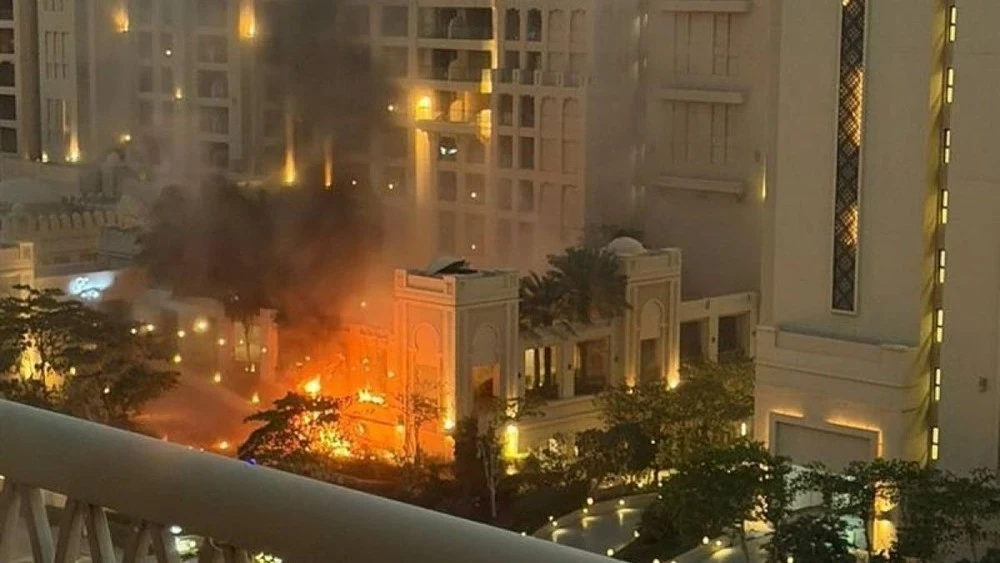
- Iran, in turn, launched the ninth wave of missile and drone attacks on Israeli targets, as well as on US bases in the Persian Gulf (UAE, Qatar, Bahrain).
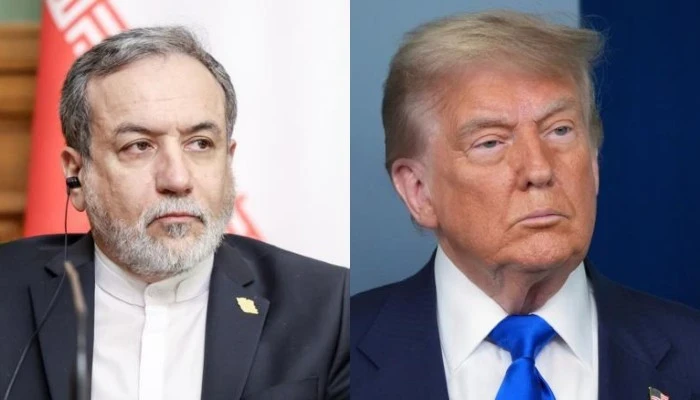
- Iran announced the cessation of negotiations with the USA, rejecting diplomatic efforts and declaring the continuation of military actions.
- On the night of March 3, air raid sirens sounded again in Israel, and reports of new strikes on Iranian targets were received.
Iran's Attacks on US Bases
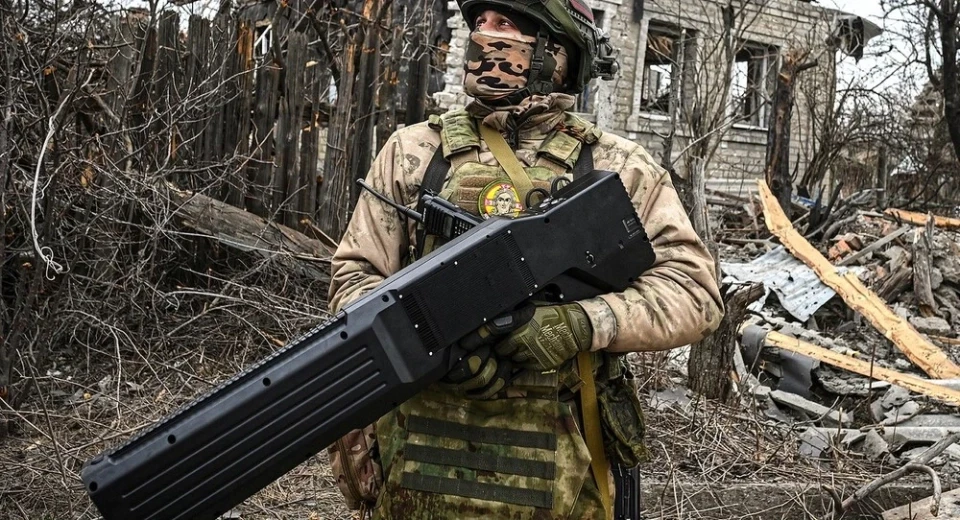
- On the morning of March 2, Iran announced the start of a new phase of operations against "American military infrastructure" in the region, launching ballistic missiles and UAVs at American facilities in Iraq and Syria. According to the Pentagon, some targets were intercepted by air defense systems.
- Strikes were recorded around noon on March 2 near the Ain al-Asad airbase in Iraq, where American forces are stationed. Reports indicate damage to infrastructure and injuries among American servicemen.
- On the afternoon of March 2, Iran also reported missile launches towards American facilities in Qatar (including Al Udeid Air Base) and Bahrain, where the US Fifth Fleet is located. Authorities in these countries confirmed the operation of air defense systems.
- In the evening of the same day, drones attacked American facilities in eastern Syria. US Central Command reported an "assessment of damage" and potential retaliatory actions.
- On the night of March 3, alarm sirens sounded at American military facilities in Iraq; the Pentagon reported the interception of several missiles but confirmed the presence of casualties.
- In Kuwait, three US fighter jets were shot down. The country's Ministry of Defense reported that several F-15Es crashed, likely due to errors in the Kuwaiti air defense system during the Iranian attacks. Six pilots ejected and are in stable condition. The circumstances of the incident are under investigation.
Closed Airspace and International Consequences
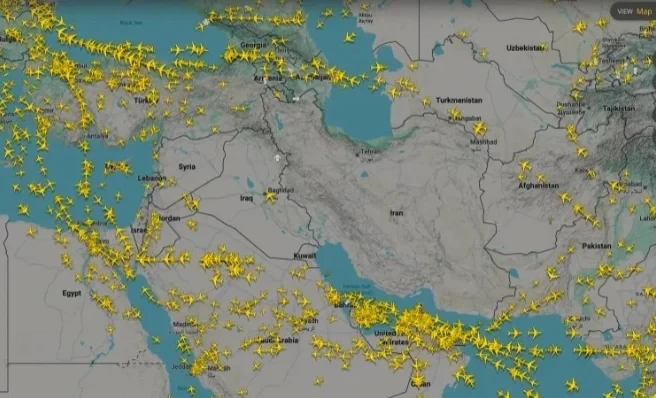
- The airspace over key countries in the Middle East remains closed; airlines are canceling flights until March 7 and later.
- The first commercial flight departed from the UAE after a long hiatus, and the evacuation of foreign nationals continues.
- Sea routes through the Strait of Hormuz remain under threat, leading to a halt in tanker traffic and a rise in oil prices on the global market.
Casualties and Consequences
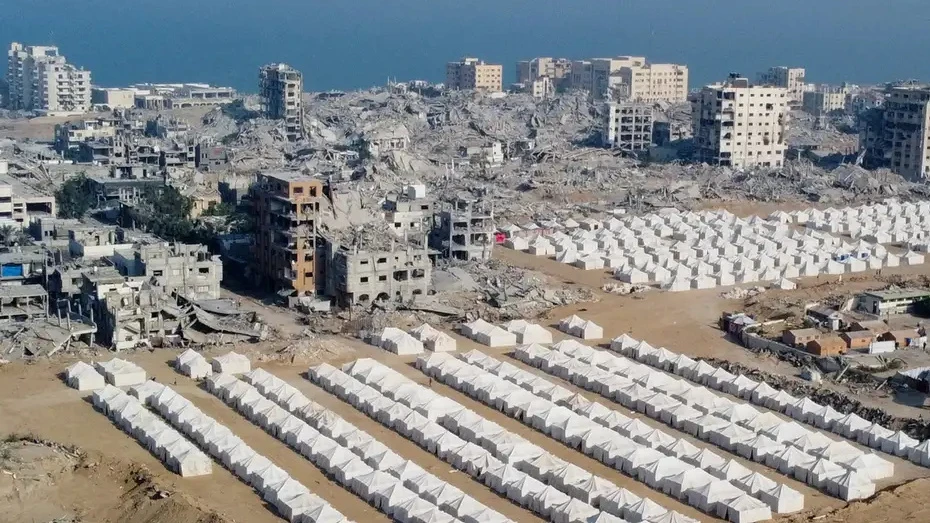
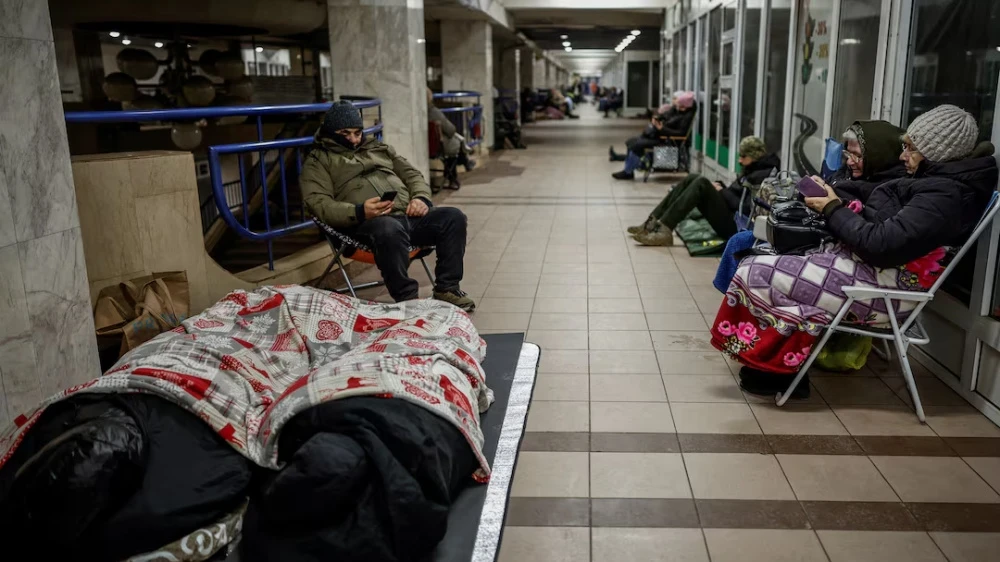
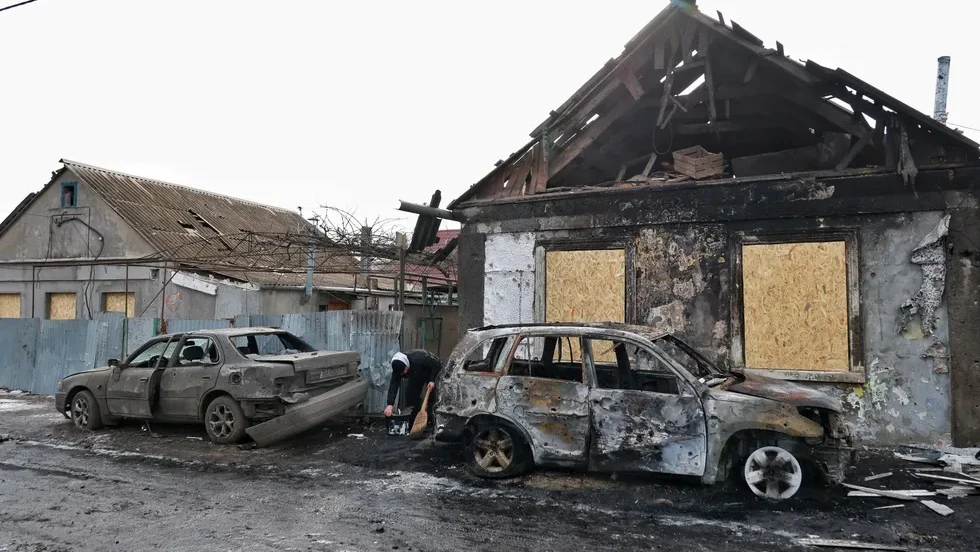
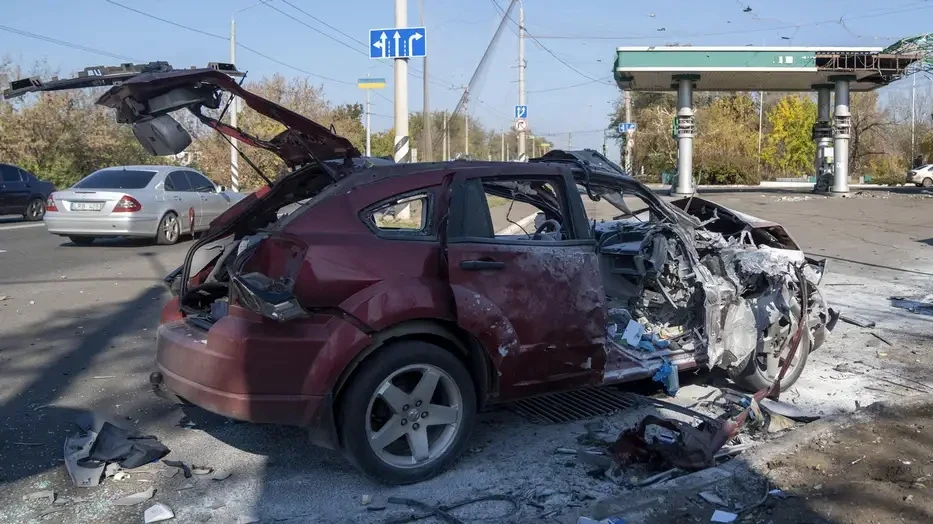
- Reports indicate that hundreds of civilians have been killed or injured in Iran, Lebanon, and surrounding areas due to shelling from both sides.
- The USA confirmed the deaths of several of its servicemen during the hostilities against Iran.
Global Reaction
- US President Donald Trump characterized the operation against Iran as prolonged, stating that it could last "more than four weeks."
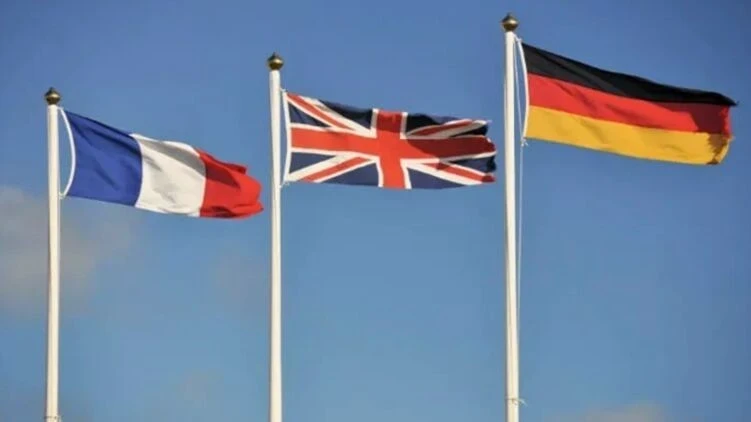
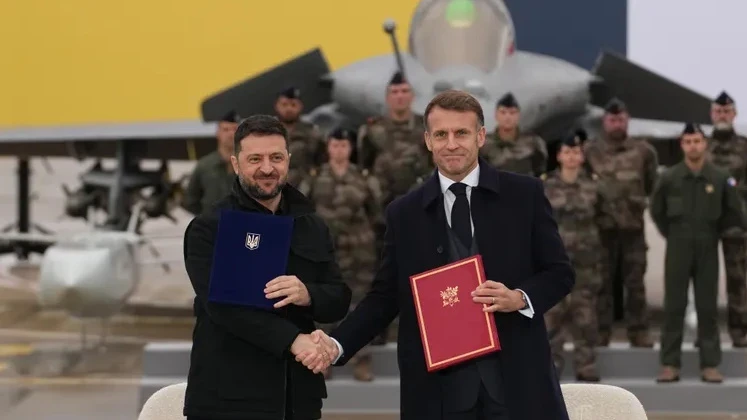
- The UK, France, and Germany confirmed their support for allies in the region, providing bases for operations. Spain, on the other hand, refused to provide its bases for American operations against Iran.