Oil Tankers Under Attack Near Iraq
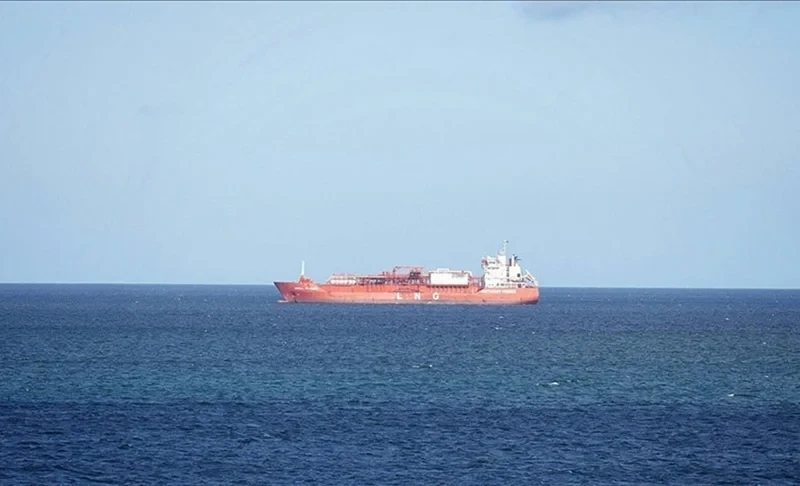
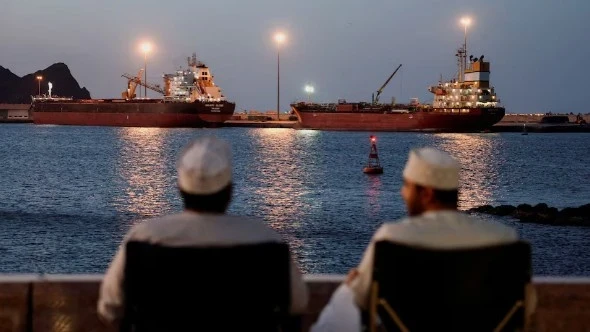
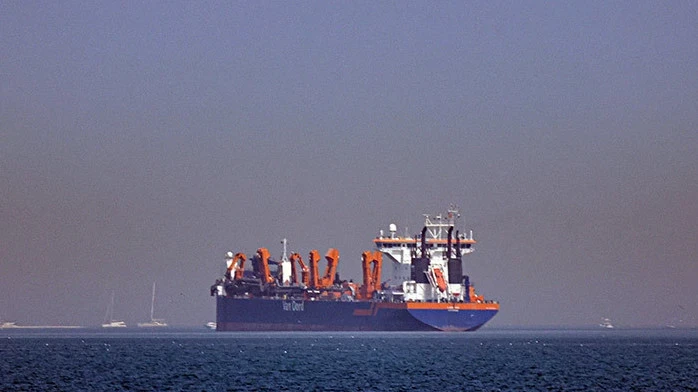
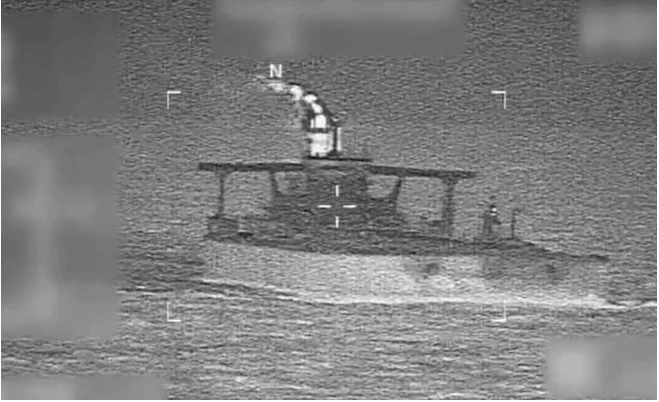
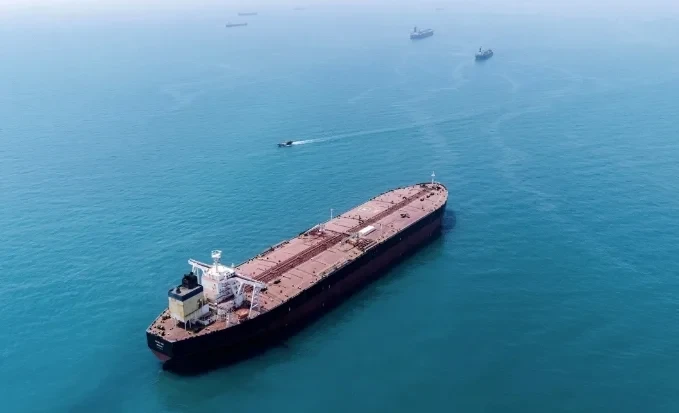
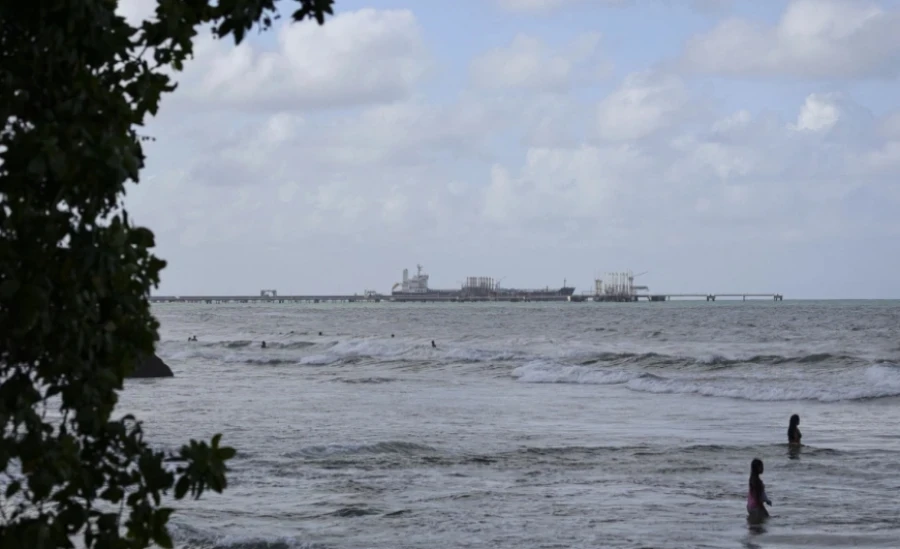
One of the most notable events was the attack on tankers in Iraqi waters. According to Iraqi security forces, two vessels were attacked near the port of Basra, resulting in the death of one sailor, while several dozen crew members were rescued.This incident occurred against the backdrop of a series of attacks on commercial vessels in the Persian Gulf. Since the beginning of the conflict, several tankers and cargo ships have already been attacked, increasing tension in international energy markets.
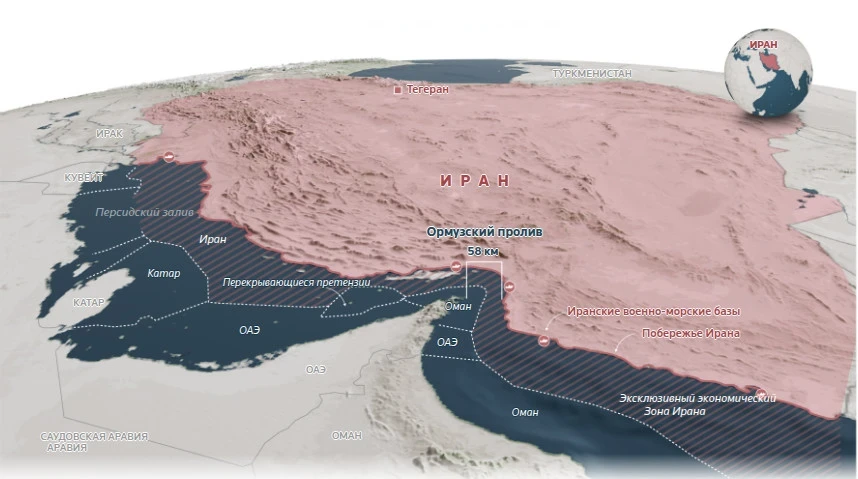
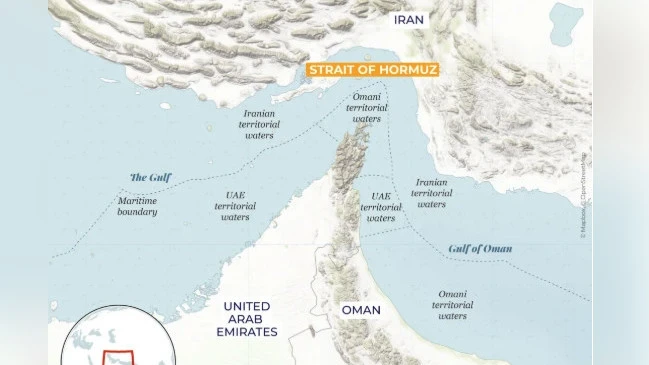
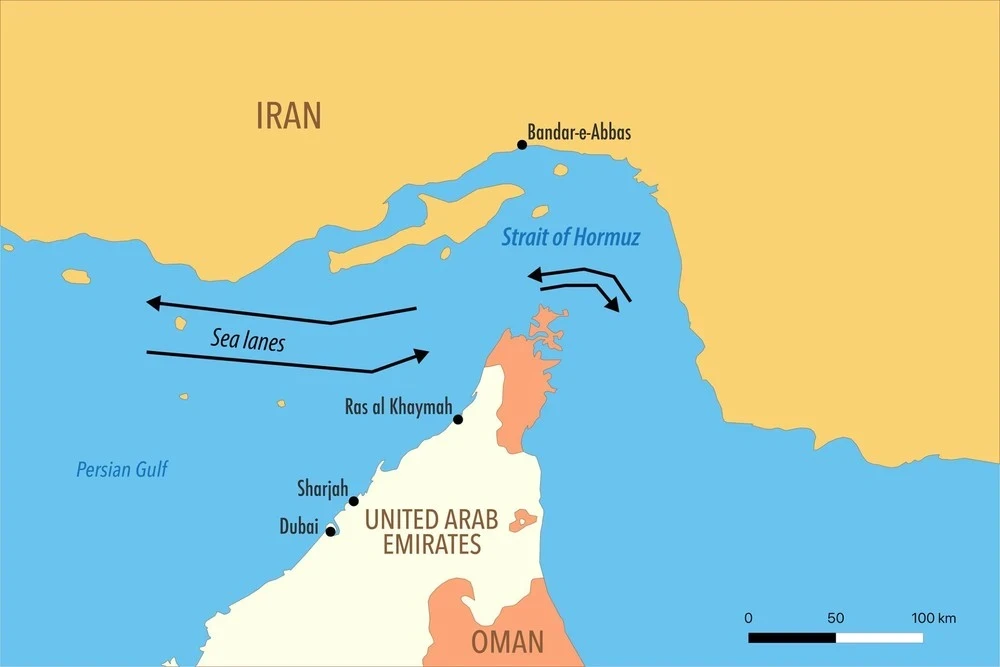
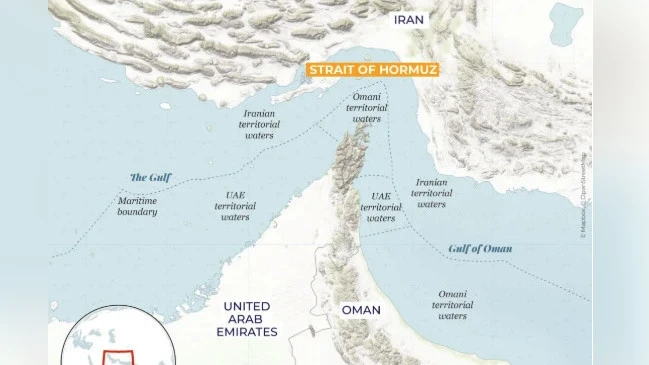
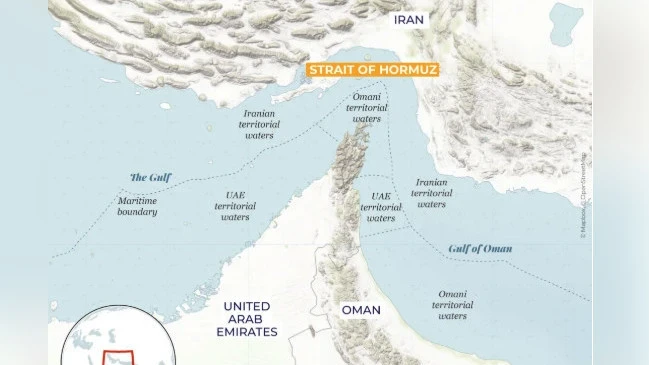
Additionally, Western media report that attacks also occurred near the Strait of Hormuz, which is a key route for global oil trade.
The Strait of Hormuz Under Threat
The situation around the Strait of Hormuz continues to be one of the main factors in the escalation of the conflict. This maritime corridor accounts for about 20% of global oil supplies.Western sources report that navigation through the strait is significantly hampered due to threats of attacks and mines. Tehran claims to control the strait and warns of the possibility of further actions that could impact the global oil market.
Countries in the "Group of Seven" are discussing the possibility of military escorts for commercial vessels to ensure the safety of navigation in the region.
Lack of Signs of De-escalation: Statements from the USA and Iran
Both sides of the conflict, Washington and Tehran, have made tough statements confirming the continuation of hostilities.US President Donald Trump stated that American forces have destroyed dozens of Iranian ships and that the operation will continue until the set goals are achieved.
Iranian authorities, in turn, warned of serious consequences for the global economy if the conflict is not stopped. They stated that the price of oil could reach $200 per barrel in the event of further deterioration of the situation.
The USA and Israel emphasize that their goal is to deprive Iran of the ability to project military power beyond its borders and to destroy elements of its nuclear program.
Tense Strikes and Attacks Across the Region
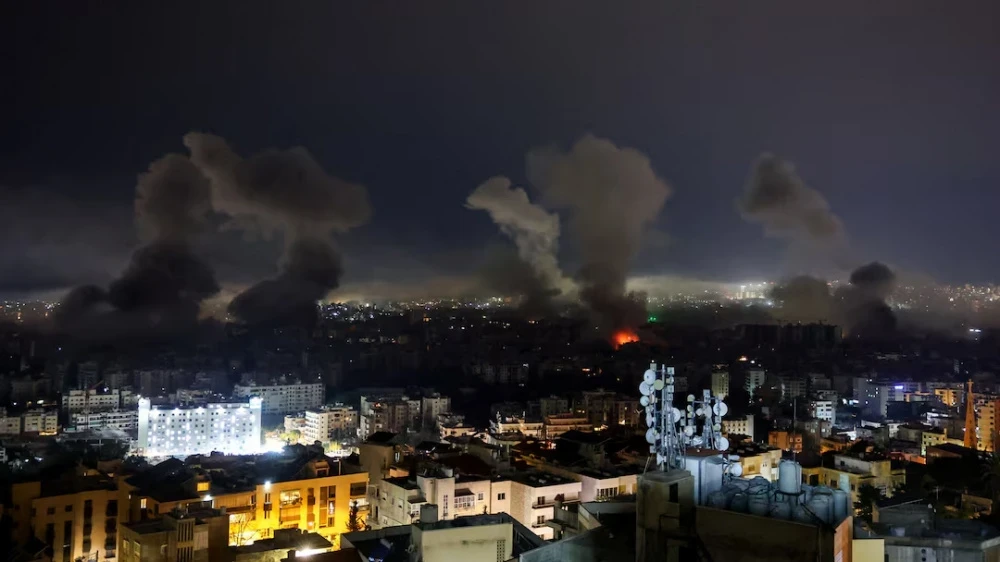
Smoke over the southern suburbs of Beirut after an Israeli shelling. Photo Reuters / Mohamed Azakir.
On March 11, Israel was subjected to a series of rocket attacks from multiple directions. Air raid sirens sounded in central and northern parts of the country, including Tel Aviv and the Galilee region, following rocket launches from Iran and Lebanon.
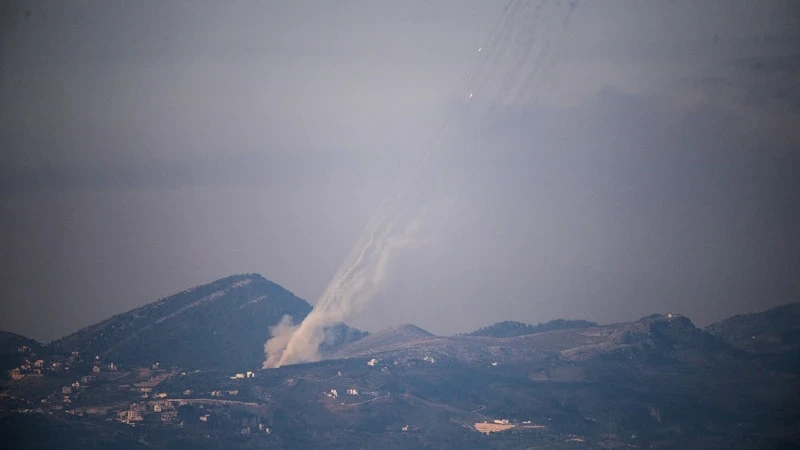
The Lebanese Shiite movement "Hezbollah" carried out one of the most extensive strikes since the beginning of the conflict, launching about 100 rockets at northern Israel and also using drones. Although most rockets were intercepted by the air defense system, reports of injuries and damage to infrastructure were noted.
Israeli authorities claim that the attacks were organized with the support of Iran, which finances and arms "Hezbollah".
In response, the Israel Defense Forces launched extensive airstrikes on "Hezbollah" targets in Lebanon. On the night of March 12, Israeli aviation attacked positions of the movement in the south of the country and in the southern suburbs of Beirut, resulting in hits on residential areas and infrastructure.
According to Lebanese media, one of the Israeli strikes destroyed an apartment building in the capital's suburbs. Israeli military officials stated that they targeted facilities related to "Hezbollah's" missile infrastructure.
As a result of a strike on a beach in Beirut, at least seven people were killed, according to the Lebanese Ministry of Health. This beach is home to displaced persons seeking refuge due to the conflict on the southern border.
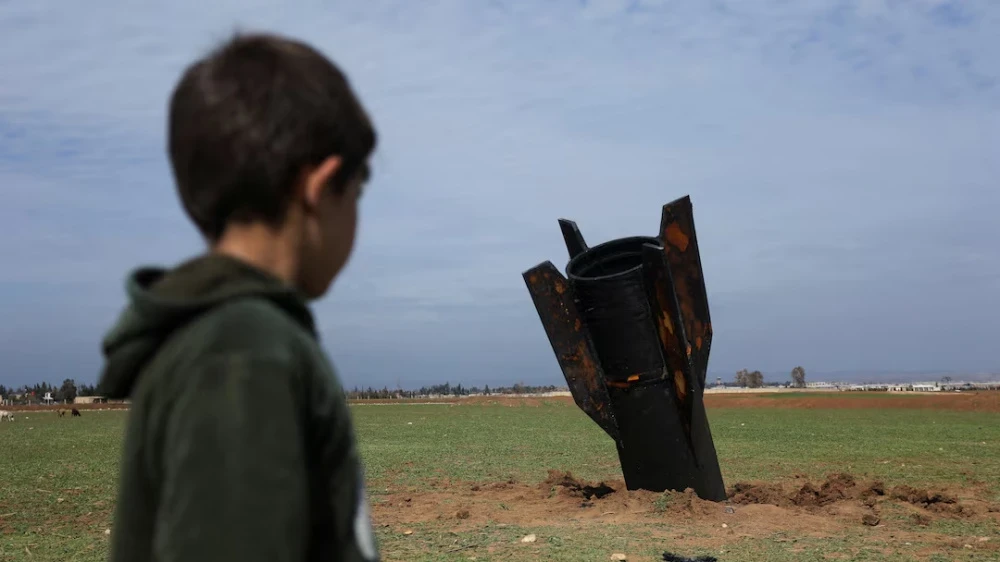
The Israeli army is also conducting limited operations in southern Lebanon aimed at destroying missile positions and preventing further attacks.
At the same time, Iran continues attacks on Israeli territory using ballistic missiles and drones, some of which are intercepted by missile defense systems.
Observers note that attacks from Iran and "Hezbollah" are carried out almost simultaneously, adding additional pressure on the Israeli air defense system.
Thus, the conflict has essentially taken on a regional character, involving multiple countries and armed groups.
The USA has also warned of possible attacks by Iranian or pro-Iranian groups on energy infrastructure and American facilities in Iraq.
Oil and Economy: The Threat of a Global Crisis Grows
Amid the escalating conflict, tensions in global energy markets are rising. The USA has announced its intention to begin mass releases of oil from strategic reserves to prevent price increases. However, experts warn that even this may only partially compensate for supplies passing through the Strait of Hormuz.In the event of further escalation, the energy crisis could affect not only the Middle East but also the economies of Europe and Asia, which depend on oil and gas supplies from this region.